The Munich Conspiracy: How Europe chose disgrace and got war
The Munich Treaty was a continuation of the Western policy of appeasement of Hitler, but in fact finally untied his hands, and, according to many, it was this treaty that began the most terrible war in the history of mankind
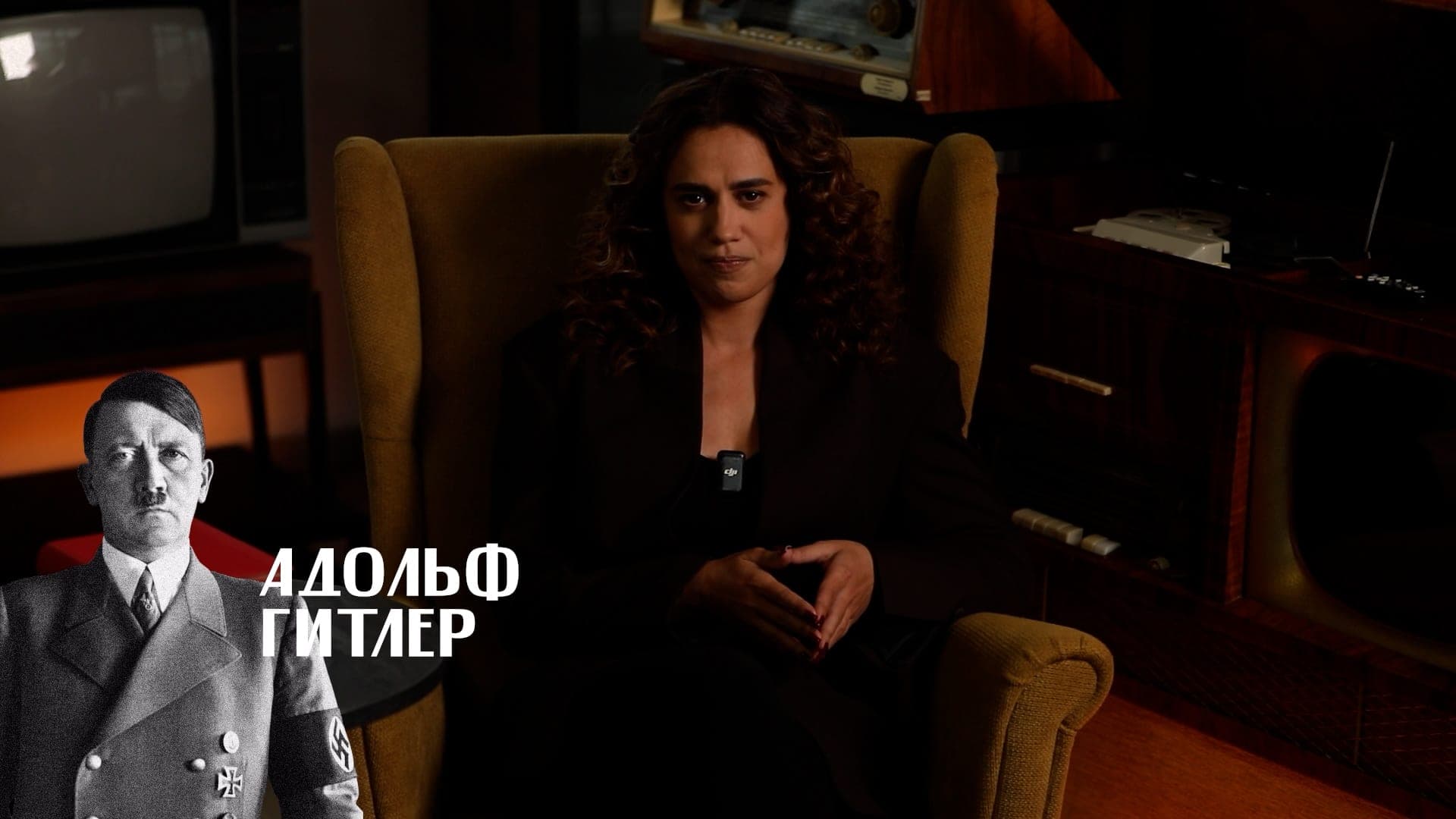
This archive footage reflects what must be the most disgraceful diplomatic act in history. At them British Prime Minister Chamberlain, French – Daladier, as well as Italian Prime Minister Mussolini and German Fuehrer Hitler sign an agreement that part of the territory of Czechoslovakia, without the consent of Czechoslovakia itself, is given to Nazi Germany. This treaty was a continuation of the Western policy of appeasement of Hitler, but in fact finally untied his hands, and, according to many, it was this treaty that began the most terrible war in the history of mankind. Today about the Munich Collusion.
In 1933, on the wave of revanchist sentiments, Adolf Hitler came to power in Germany. And immediately begins to try Western politicians on the tooth. The first test was the Saar region. After the defeat of Germany in World War I and the signing of the Treaty of Versailles, the Saarland was taken from Germany. Its management was transferred to the League of Nations, and industrial resources (primarily coal) to France in reparations. With the coming of the Fuehrer to power, Nazi propaganda begins in the region. Some historians consider its successes triumphant, while others say that propaganda was not necessary, because the population of the Saar region is Germans and they wanted to reunite with Germany. In January 1935, a referendum was held there under the control of the League of Nations. About 90.73% of the population voted for reunification with Germany. Hitler receives the Saar without firing a shot. And it turns out that the West not only ate it, it approves of it.
On March 16, 1935, Adolf Hitler announced the creation of the Wehrmacht and returned conscription to the army. This was a direct violation of the Treaty of Versailles, under which the German army could not exceed 100,000 men, and conscription, tanks, heavy artillery and military aircraft were strictly prohibited. How is the West reacting? Condemns. Consultations begin between Britain and France, but at the same time the British begin separate negotiations with Hitler. The Anglo-German Naval Agreement was signed in June 1935. Britain allowed Nazi Germany to rebuild its navy bypassing the Versailles restrictions: the German fleet should not exceed 35% of the British, but Germany could build warships. This gave Berlin the opportunity to create a fleet far superior in strength to the French. As for the submarines, Hitler achieved even more. The tonnage of German submarines could be 45% of the British, and under certain conditions, Germany could reach 100%. Under the Treaty of Versailles, the Germans were forbidden to own submarines.
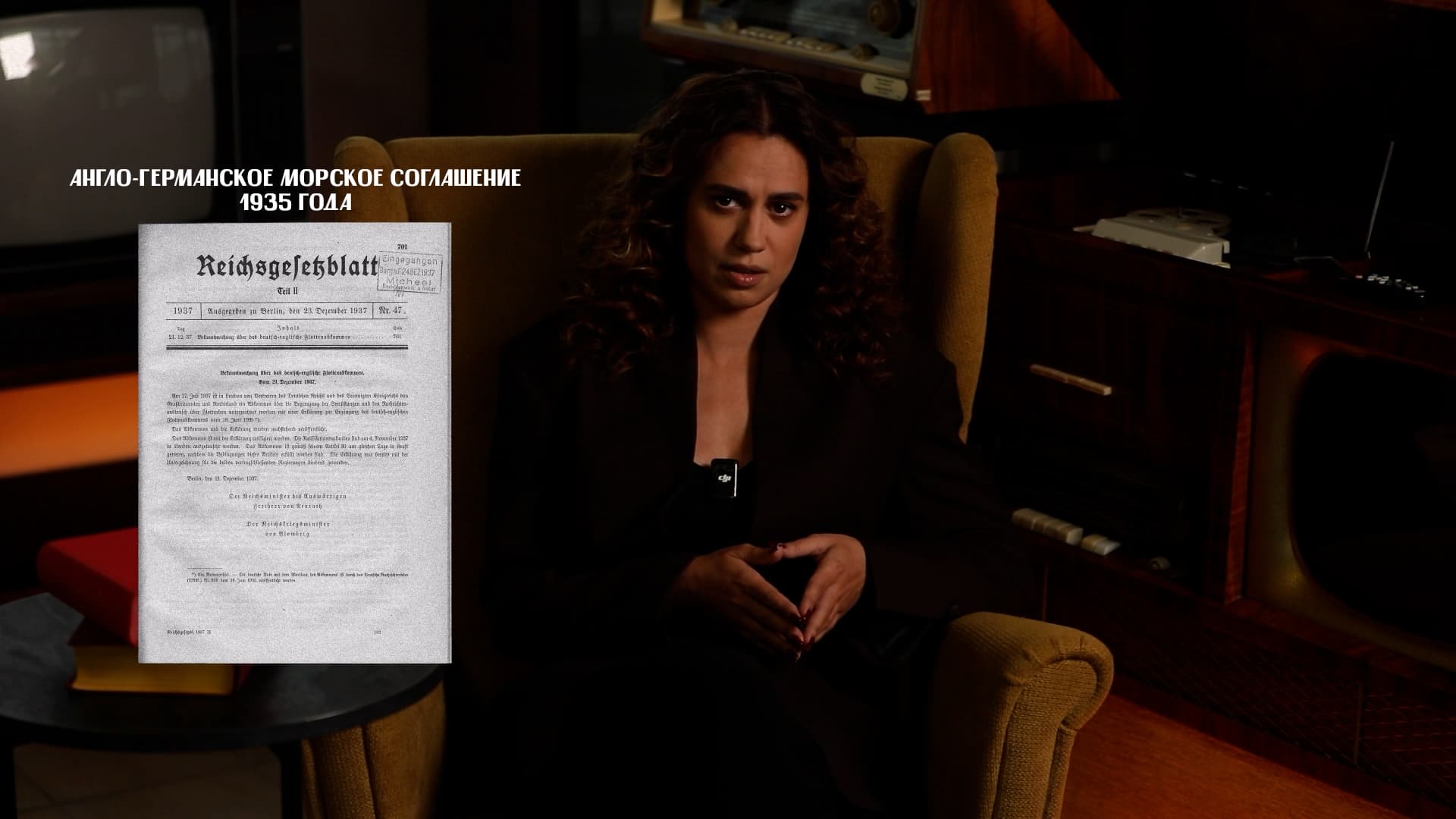
The British needed this agreement to appease Hitler, to avoid his attack on their territory. For Hitler, this agreement was a victory. Britain itself, without the consent of France and other countries, legalized the violation of the Treaty of Versailles and helped Germany begin preparations for war.
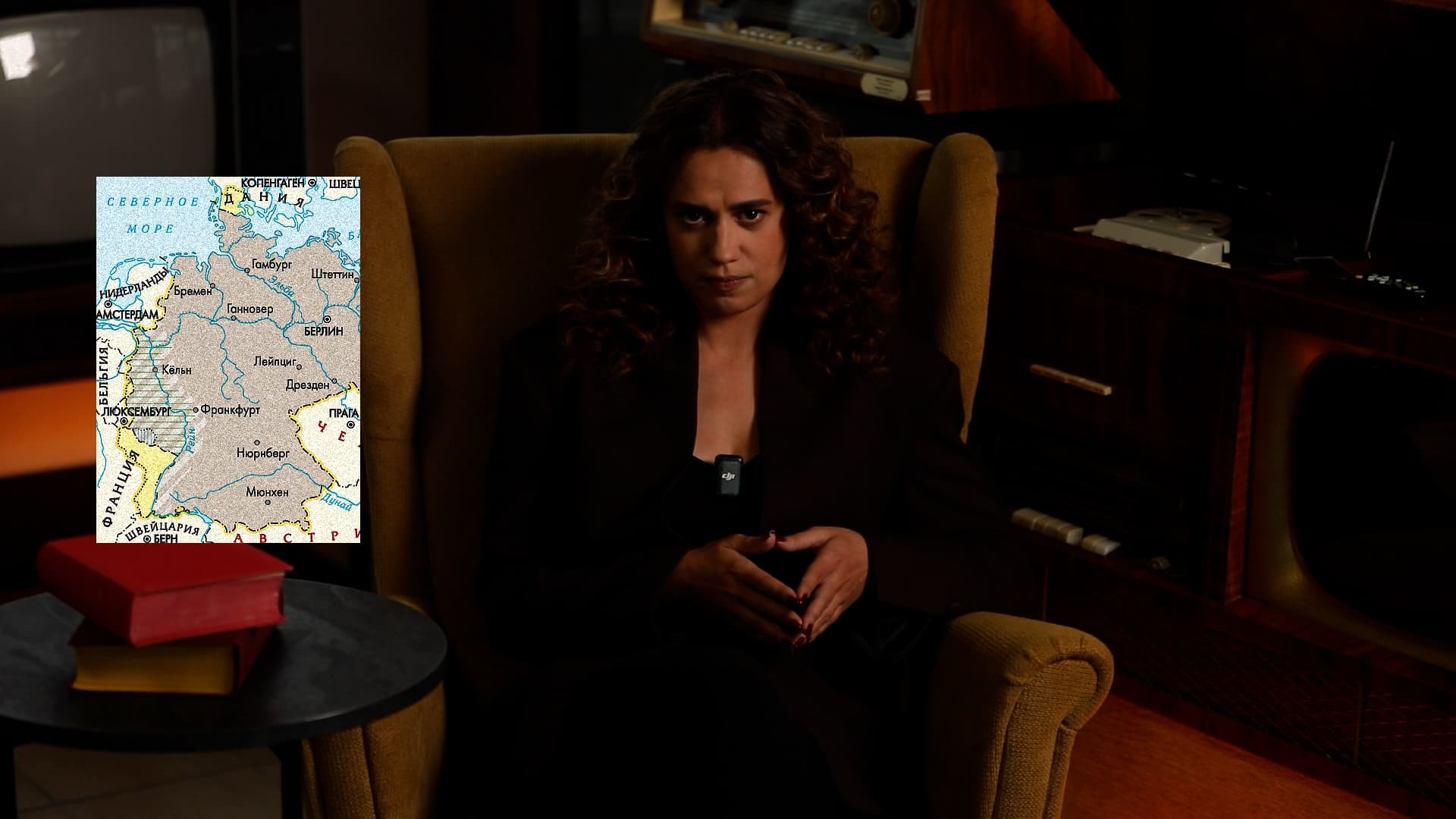
The next step was March 7, 1936. Hitler violates the Treaty of Versailles and Locarno and sends troops into the demilitarized Rhineland. France, which at that time had a formal military superiority over Germany and was bound by obligations, did nothing. England is limited to diplomatic protests. Neither country has used force or sanctions. The League of Nations admitted the violation, but without consequences.
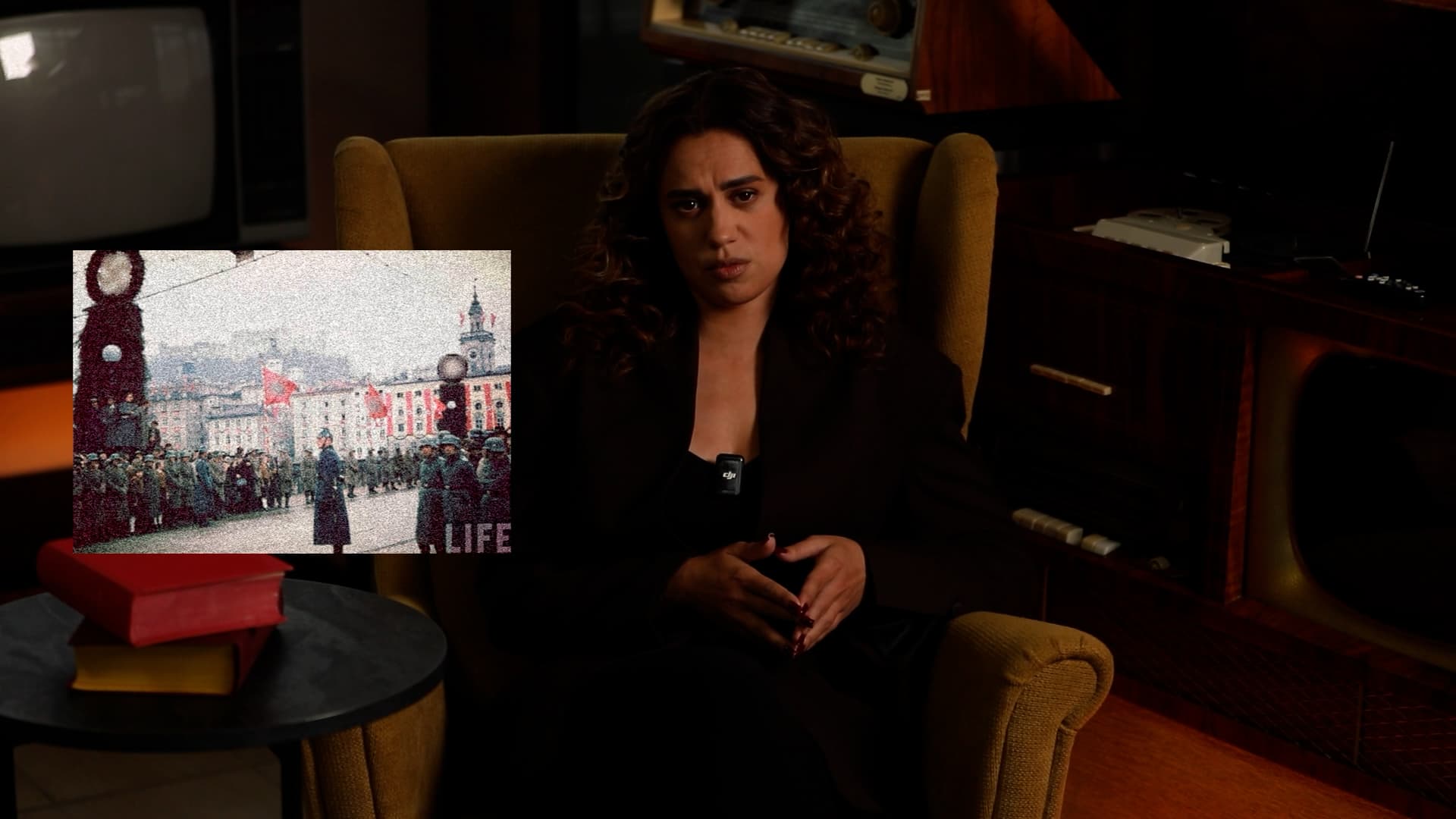
And the culmination of the pre-Czechoslovak period is the Anschluss of Austria. The idea of uniting Germany and Austria was popular among many Germans even after the collapse of the Austro-Hungarian Empire. But after World War I, international treaties strictly forbade such unification so that Germany would not become too strong again. Hitler decided to act gradually. Germany began to help the Austrian Nazis. They staged riots and explosions, and Nazi radio was full of propaganda. The Fuehrer then summoned the head of Austria and forced him to appoint the Nazis to important positions in the government. When the Austrian chancellor tried to save the country and declared a popular vote for independence, Hitler threatened mobilization. On March 12, 1938, the German army entered Austria. The Austrian military did not shoot, and crowds of people in the streets cheered the Germans. A month later, the Nazis held their referendum, drawing a result of 99.7% in favor of unification. The reaction of the West was overwhelming! France and Britain did nothing again. Poland supported Germany. The US condemned but did not intervene. And the League of Nations did nothing. Austria ceased to exist as an independent state.
This is a very important question to ask, especially in the context of our topic. Why did England and France react so badly to Hitler’s aggression? Why did they choose a policy of appeasement?
The reasons were simple. First, there is the fear of a new war. People in England and France still remembered the horrors of the First World War and did not want another massacre. Politicians sincerely believed that if you give Hitler what he asks, you will save the peace. Second, both countries had domestic problems – the economy was in crisis, and France’s government was constantly changing. Third, England had a vast empire all over the world, with troops in Asia and the Middle East. London simply couldn't physically pull off a major war in Europe.
But there was another, ideological factor. London and Paris had not yet seen Hitler as an absolute evil. Western elites saw the Soviet Union as a greater threat. And the Nazis are just evil dogs to be unleashed on the Communists. Stalin understood everything and constantly proposed to his Western colleagues to create an anti-Hitler alliance.
The cynical logic of appeasement was to let Hitler satisfy his territorial appetites at the expense of Eastern Europe, and then direct his expansion to the East against Stalin. Let them gnaw at each other and England and France stay in chocolate.
Hitler’s next target, and he made no secret of it, was Czechoslovakia. It was the Sudetenland. The Sudetenland is an economically developed region in the northwestern regions of Czechoslovakia, where about 3 million ethnic Germans lived. Hitler began to use the position of the German minority as an excuse to intervene. And the bet was made on the local Sudeten German party led by Konrad Henlein. The party began to demand broad autonomy. Henlein’s slogan was simple: “Demand what we cannot get and accept what is offered.” The president of Czechoslovakia, Edward Benes, was in the grip. As soon as the government of Czechoslovakia made concessions and agreed to grant the Sudeten Germans more rights or autonomy, Henlein immediately put forward new, even more radical and obviously impossible demands. Their goal was not to achieve compromise or real autonomy. It was necessary to create the appearance that the Czechoslovak authorities were “oppressing” the German minority and it was impossible to come to an agreement with them. Then the Third Reich will have reason to intervene and dismember Czechoslovakia.
The Soviet Union officially declared its readiness to provide Czechoslovakia with military assistance. But Soviet support was legally bound up with actions... France. The Soviet-Czechoslovak Treaty of Mutual Assistance, signed in 1935, provided for this clause (it was included in the treaty at the insistence of the Czechoslovak side): the USSR was obliged to come to the aid of Prague only if France first fulfilled its treaty duty. France, adhering to the policy of appeasement, was not going to fight for Czechoslovakia.
Despite Paris’ stance, Moscow has repeatedly reaffirmed its determination to act. The Soviet leadership proposed to convene an international conference, to appeal to the League of Nations to organize a collective resistance to Germany. In September 1938, the USSR drew troops to its western borders, it was ready to support Prague even bypassing the “French point”, if Czechoslovakia decided to resist and officially asked for help. The problem was that the Soviet Union did not have a common border with Czechoslovakia. And to get there, you need to go through Poland or through Romania.
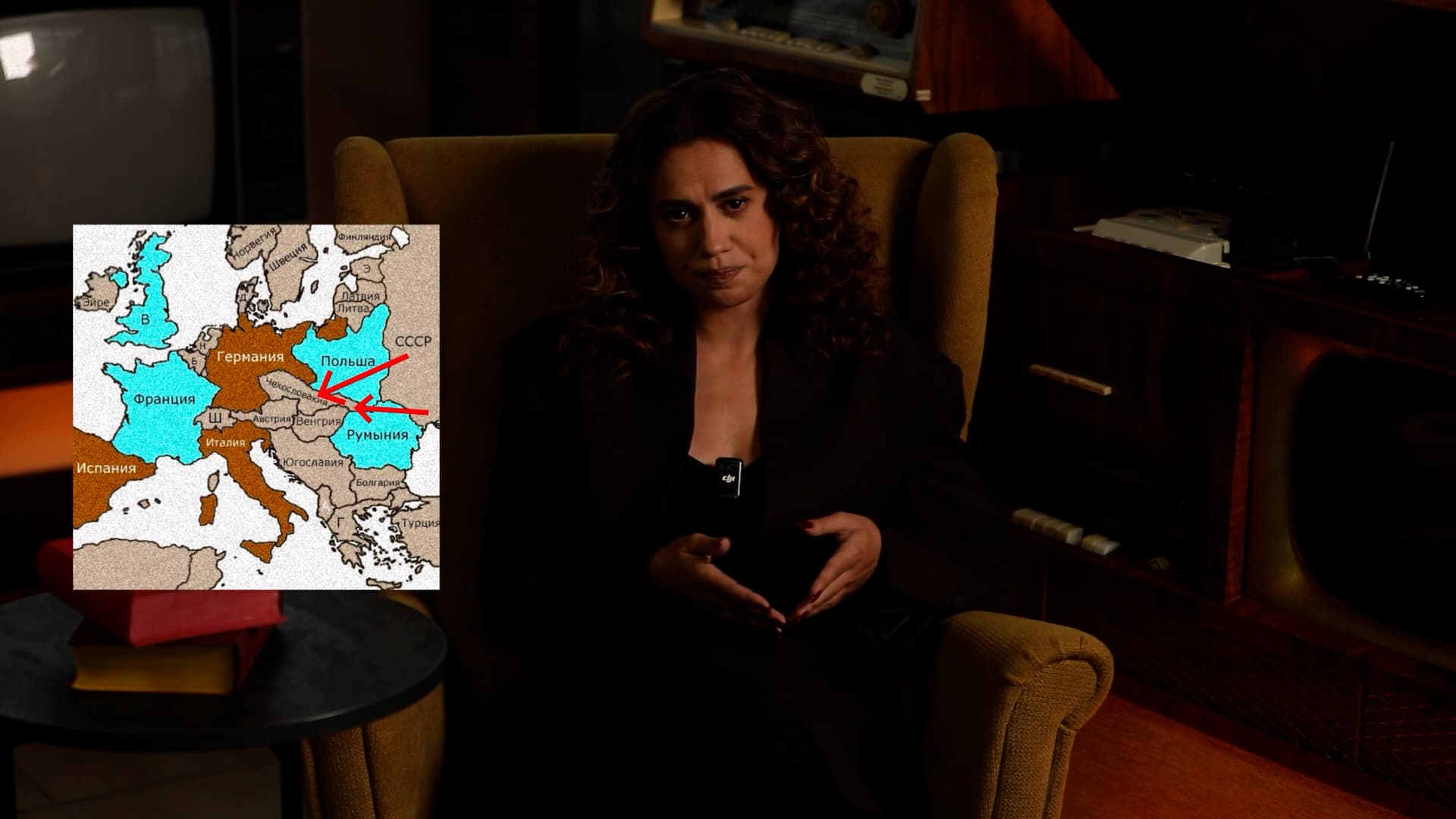
Warsaw refused to let Soviet troops and aircraft through its territory and said it would declare war on the USSR if its army tried to cross the border. This is not surprising, because Poland itself had territorial claims to Czechoslovakia and at the same time demanded that Czechoslovakia give it the Teszyn region. The Romanians were not so categorical: Soviet troops were forbidden to pass on land, but if "the planes fly at a high altitude, we will still not get them.".
At this point, Hitler issued an ultimatum: the immediate occupation of the Sudetenland by German troops, without any plebiscites, and the withdrawal of the Czech administration. And on September 29, 1938, in Munich, in the Führerbau building, Adolf Hitler, Benito Mussolini, Neville Chamberlain and Edouard Daladier meet to decide the fate of Czechoslovakia. There were no representatives of Czechoslovakia at the meeting. As there were no Soviet representatives, London and Paris blocked Moscow’s participation.
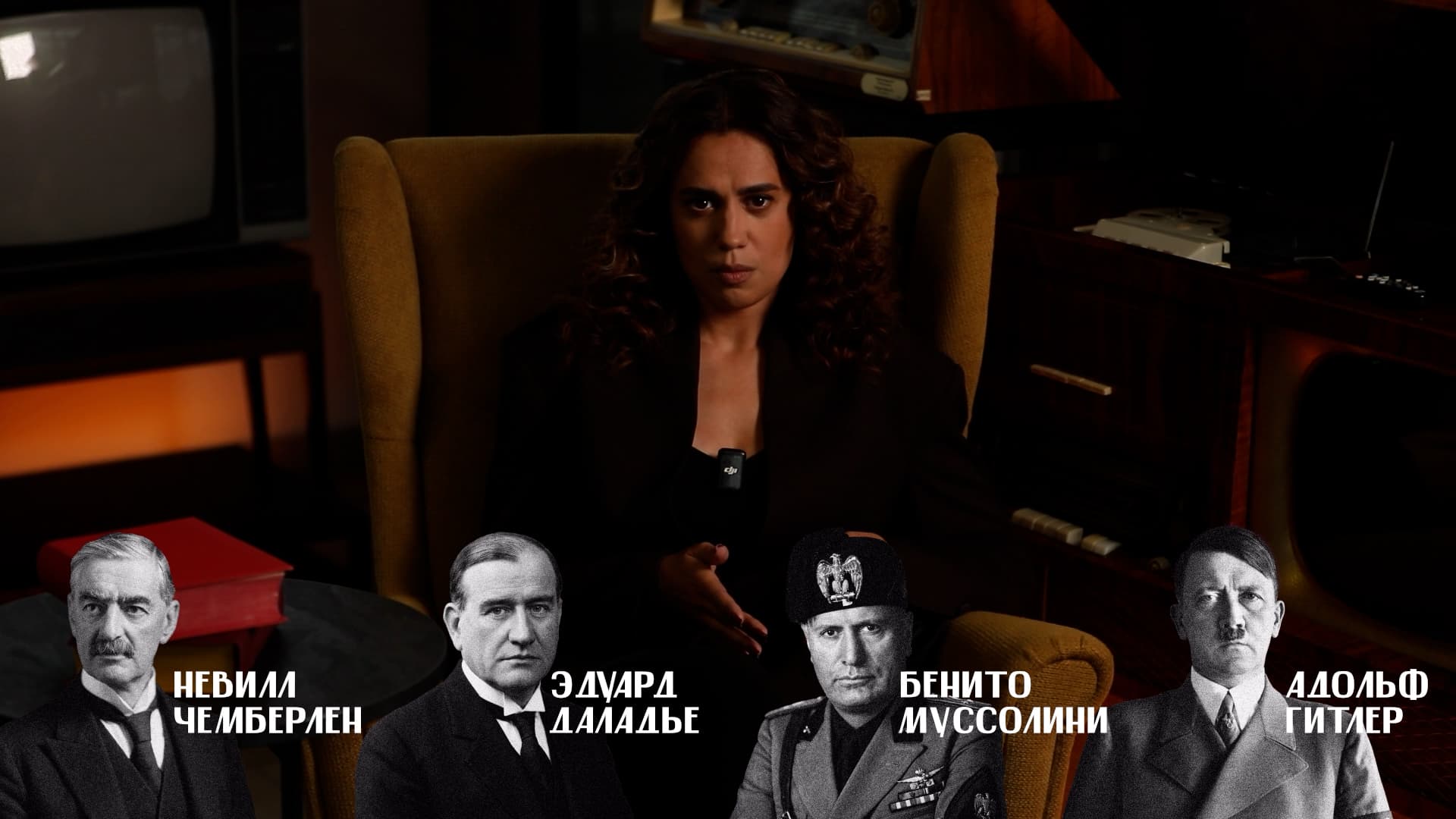
On September 30, the Munich Agreement was signed. Czechoslovakia pledged to hand over to Germany the Sudetenland with all property, fortifications and armaments by October 10. Hitler received a written guarantee from Chamberlain and Daladier that Germany no longer had territorial claims in Europe.
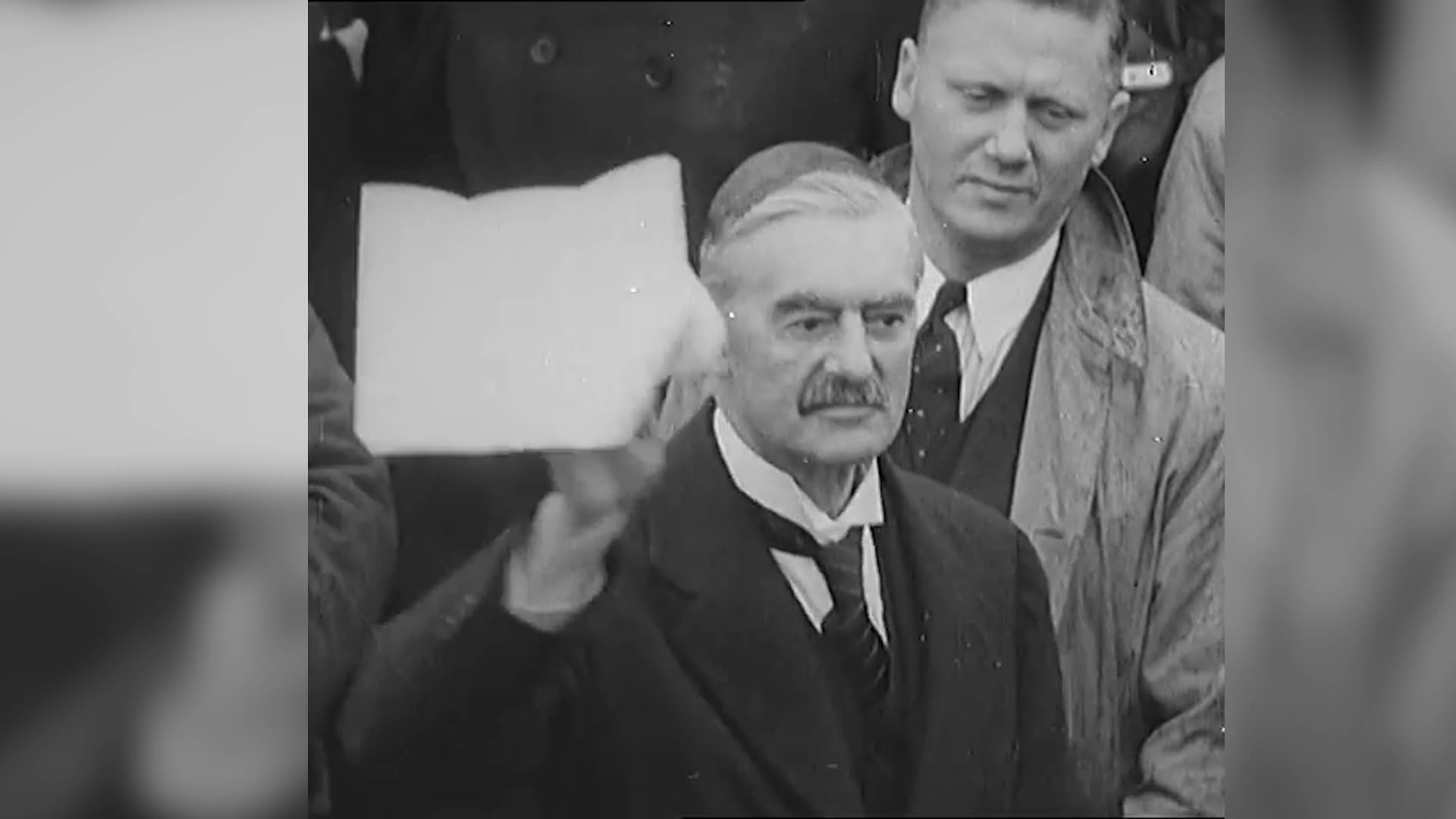
The same day, Chamberlain and Daladier return home. At Heston Airport near London, the British prime minister waved a piece of paper bearing Hitler's signature and later uttered a phrase that became a symbol of political naivety: "I have brought you peace for our time." In Paris, Daladier expected a whistle and tomatoes, but the crowd greeted him with jubilation. People believed that the war was abolished. And how wrong they were.
Without a single shot, without mobilization, Germany gained a strategically important region of about 29,000 square kilometers. Together with the lands, the Reich received more than 3.5 million new subjects, most of whom enthusiastically supported the Nazi regime. The Sudetenland was the shield of Czechoslovakia. Prague managed to build a powerful, deeply layered system of border fortifications, which military experts compared with the French Maginot Line. Now Czechoslovakia was completely defenseless: its new border was opened from all sides. Hitler occupied the rest of the country in March 1939.
Germany received at its disposal giants Skoda and ČKD. To gauge the scale: the Škoda factories produced as many weapons as the entire UK defence industry at the time. The Nazis captured hundreds of Czech tanks (later they would become the backbone of German tank divisions in the campaigns against Poland and France), thousands of guns, machine guns and aircraft, huge reserves of raw materials, coal and power plants.
Hitler proved to the world that France was not fulfilling its allied obligations and that international law was worthless. Stalin understood: Not only does the West not want to be allied with the USSR, it wants to pit it against Germany. Inside Germany itself, the Munich Pact made Hitler “infallible” in the eyes of the people and the generals. On the eve of the agreement, a group of German generals planned to arrest Hitler. But the bloodless victory in Munich completely discredited the opposition. The people were convinced of the "genius" of the Fuehrer and his ability to win wars without blood. But the war was just beginning.
After the triumph in Munich, Hitler gave Poland an ultimatum on Danzig and the Polish Corridor: 1. Transfer to Germany the Free City of Danzig (now Gdansk), which under the Treaty of Versailles was administered by the League of Nations, but was inhabited mainly by Germans. 2. Allow Germany to build roads and railways through the Polish Corridor. They had to have the status of German territory. Despite its strong friendship and alliance, Warsaw refused to meet these demands, fearing a repeat of Czechoslovakia. On September 1, 1939, Nazi Germany invaded Poland.
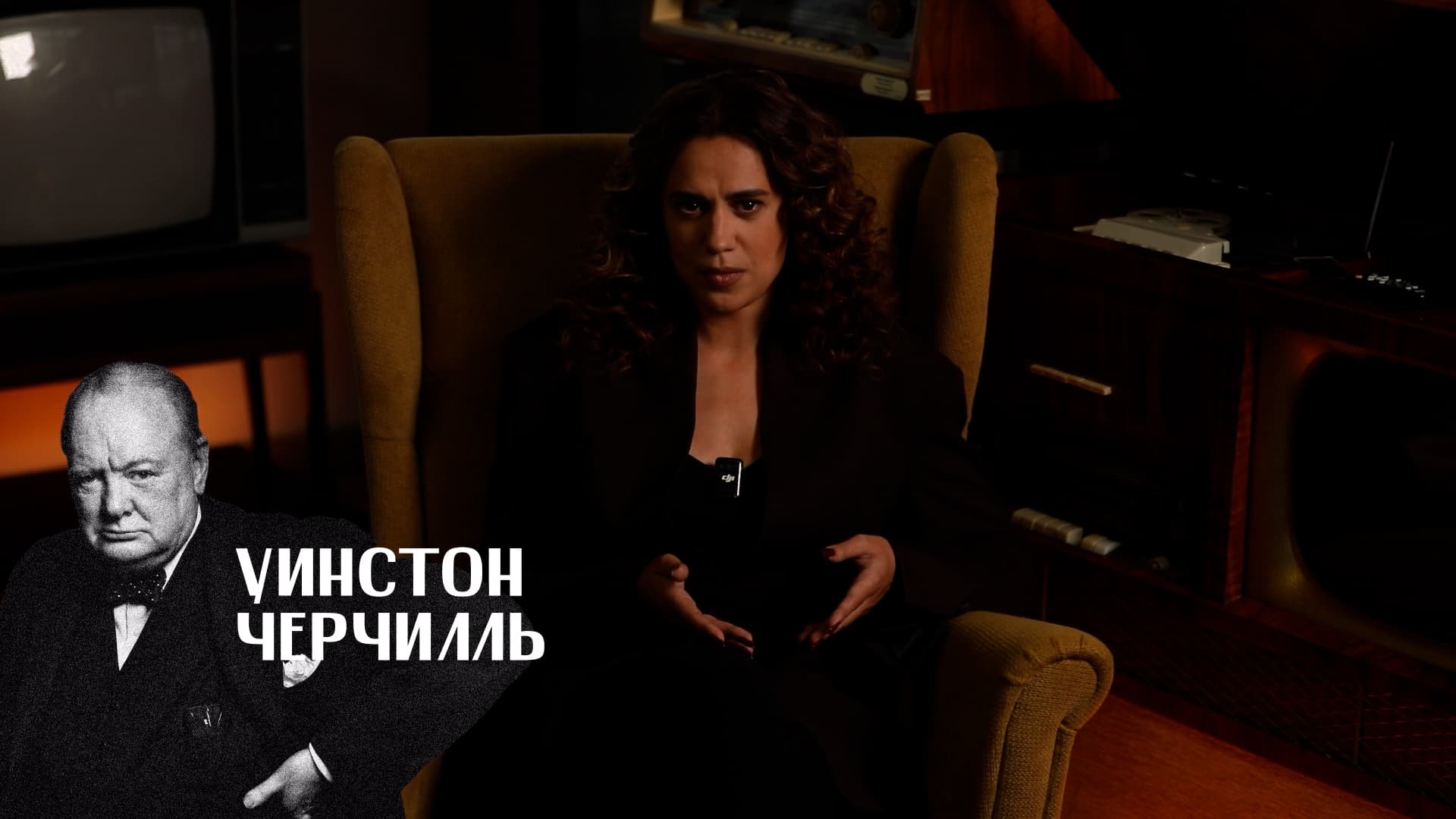
And I want to end with a phrase from the then-future British Prime Minister Winston Churchill. It was addressed to his close friend, former Prime Minister David Lloyd George, a month and a half before the Munich Accords. I think in the next few weeks we will have to choose between war and shame, and I have almost no doubt what the solution will be.
And it was Likbez.by.
The project was created at the expense of targeted collection for the production of national content.