Political censorship. Dapkiunas on Lithuanian Foreign Ministry’s initiative to impose new restrictions on Belarusians
The initiative of the Ministry of Foreign Affairs of Lithuania to introduce amendments to the law on national restrictive measures is political censorship, coercion to abandon their own laws.
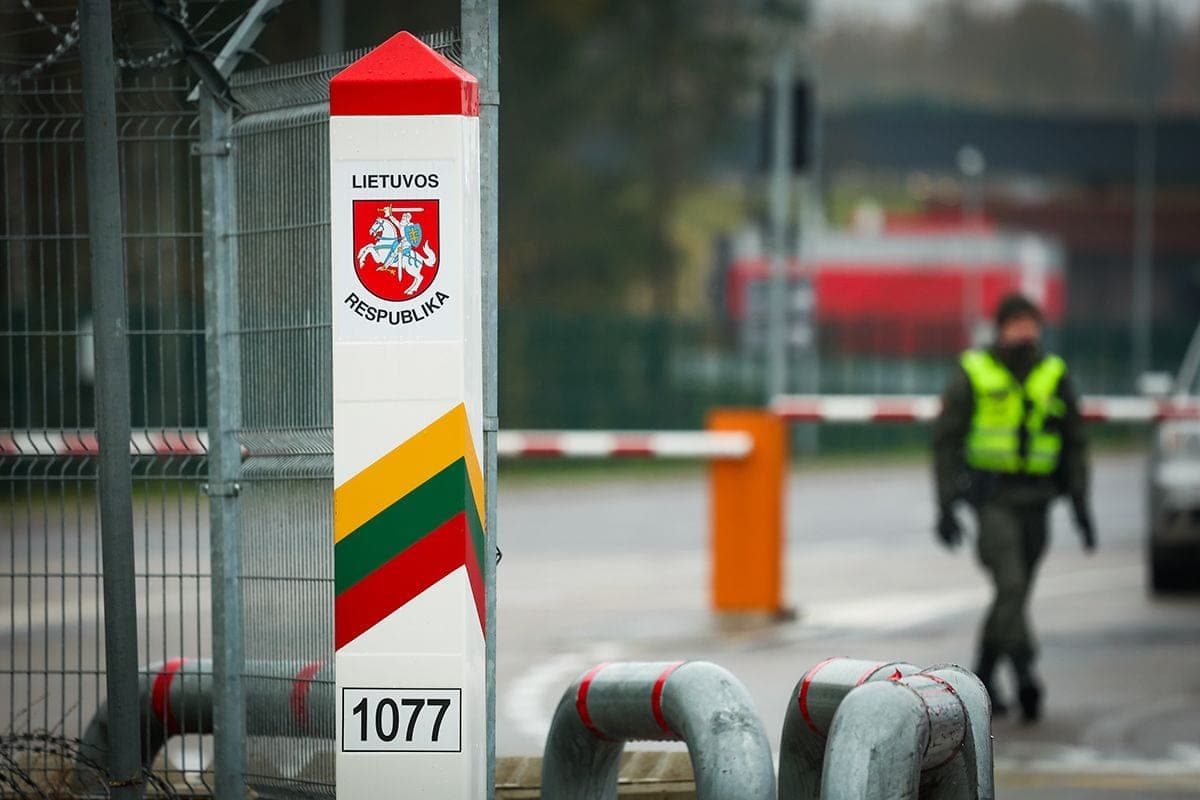
The initiative of the Ministry of Foreign Affairs of Lithuania to introduce amendments to the law on national restrictive measures is political censorship, coercion to renounce one’s own beliefs and a humiliating test of loyalty on ethnic grounds. This was noted by the Permanent Representative of Belarus to the OSCE and international organizations in Vienna Andrey Dapkiunas in his speech at the meeting of the OSCE Permanent Council in Vienna. This sb.by reported in the foreign Ministry.
Andrei Dapkiunas noted that this initiative is currently being considered by the Lithuanian government and the Sejm. If it receives support, the changes will take effect from early next year:
- We are talking about the fact that artists, musicians, scientists, teachers, athletes from Belarus and Russia are invited to pass a public test for political reliability: to condemn Russia’s actions in Ukraine in writing, confirm the prescribed set of political formulations and agree to publish such a declaration in the public domain.
Failure to sign the declaration will result in an automatic ban on entry into Lithuania. Signatories will be able to perform in Lithuania only in an impersonal “neutral status”, without the right to represent their country and use national symbols.
- Let's call it what it is. This is not a single, transparent and objective legal mechanism, as the Lithuanian authorities are trying to present it. This is political censorship, forced renunciation of one’s own convictions and a humiliating test of loyalty on ethnic grounds. Demanding that a political formula be publicly uttered under the threat of a travel ban directly infringes on freedom of opinion and expression. Publication of declarations creates a threat of harassment and persecution. The ban on national symbols divides people into worthy and unworthy by origin. Blurred criteria of “support” and “involvement” open the way to arbitrariness. Today, Belarusian and Russian cultural, scientific and sports figures have been targeted. Tomorrow, such an examination of the correctness of views can be extended to anyone whose opinion does not coincide with the political line of Vilnius. Thus, the European space is transformed into a territory of prohibitions, lists and ideological surveillance.
The Permanent Representative of Belarus to the OSCE noted that the Lithuanian authorities are tightening restrictive measures under the slogan of protecting the country. The Belarusian authorities are equally interested in the reliable and durable security of the country
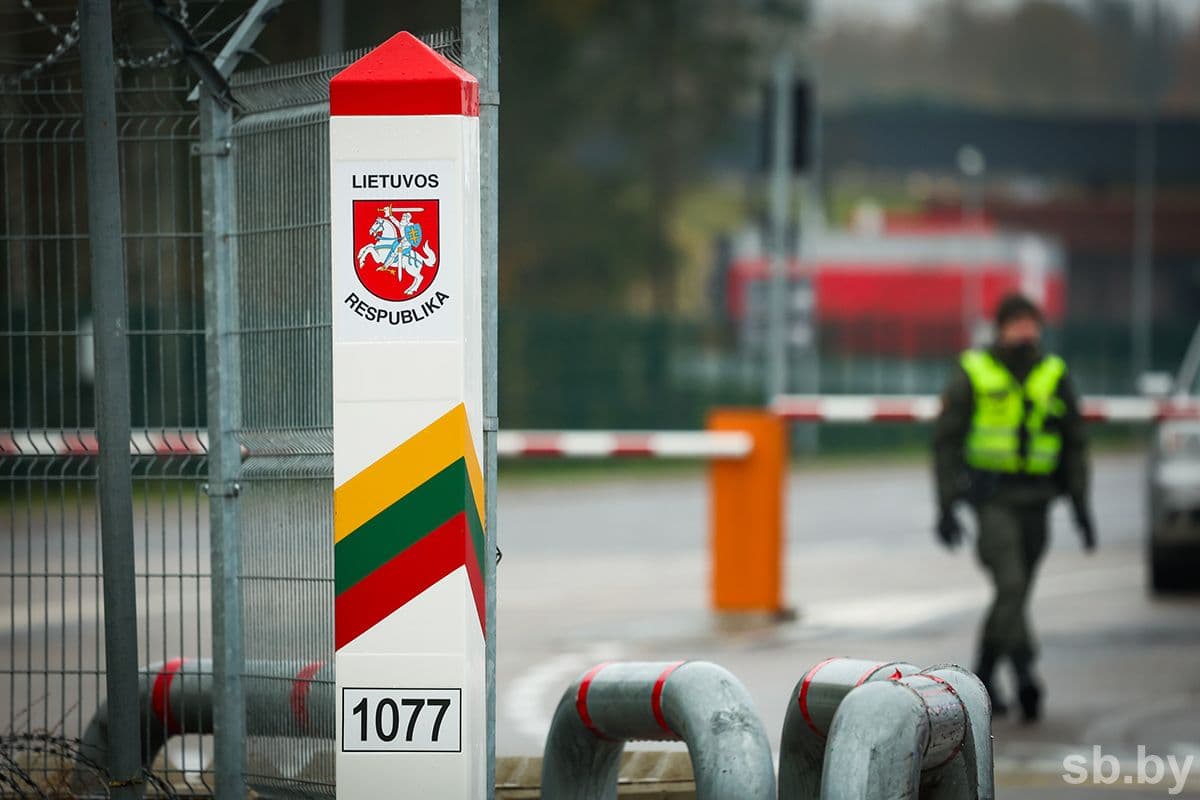
- However, unlike our Lithuanian neighbors, we strive to ensure the security of the country primarily through persistent efforts to create a belt of good neighborliness around Belarus: through visa-free travel for citizens of Lithuania and the entire European Union, through hospitality and openness. Not by the construction of barbed wire fences and minefields, but by persistent calls for dialogue and the restoration of normal good-neighborly relations, for the resumption of cooperation in preventing illegal migration, de-escalation of military activity at the borders, and the normalization of trade relations. None of this is fantastic fiction. It was in the history of our countries, and it can and should be restored. Restoration, not final destruction by prohibitions and restrictions.