
Parents of children with rare diseases linked family expansion to their treatment n
Families receiving specialized treatment for children with rare diseases are more likely to expand their families, the study found. The decision to have another child is influenced by hidden costs and the nature of the disease
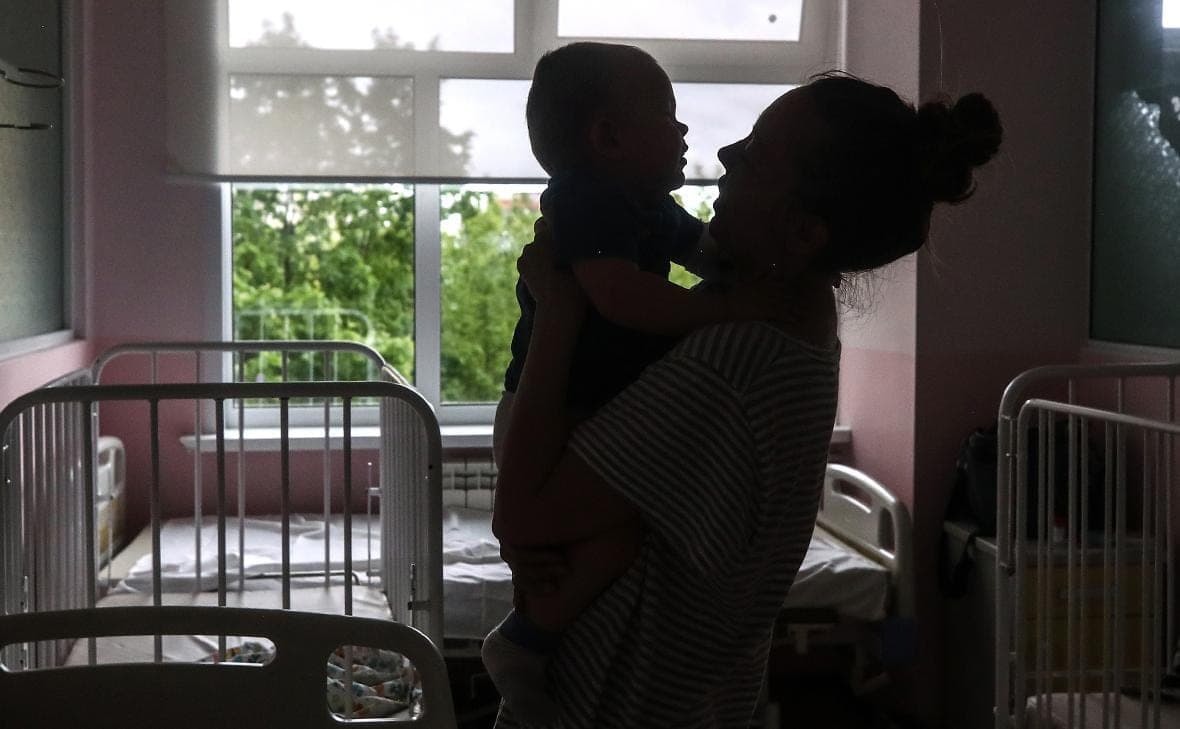
In families who received specialized treatment for a child with an orphan (rare) disease, anxiety decreases and the climate improves, but medical therapy affects plans to have another child insignificantly, a joint study of the charitable foundations Rare Women and Butterfly Children showed. The authors studied the effects of therapy on the quality of life and demographic behavior of families with a child with a rare disease.
931 respondents from 83 regions of Russia took part in the survey. Almost half of the respondents in the family have two children, a third have one, and every second family has a first child. The most common diseases in the sample were bullous epidermolysis, ichthyosis and Duchenne myodystrophy.
Orphan (rare) diseases are life-threatening and chronic progressive rare diseases that lead to a reduction in a person’s life expectancy or disability. They have a prevalence of no more than ten cases per 100,000 population. In Russia, there is an official list of such diseases developed by the Ministry of Health.
Among parents of those receiving specialized treatment, 13.8% are considering having another child, 14.4% are not yet ready to make a decision, and more than half (65.3%) do not plan to have children.
If the family does not receive specialized treatment, then there are fewer ready for another child. The number of families considering such an option is 8.5%, 15.3% are not ready to go for it, and more than half (66.5%) do not plan to have children. As the authors explained, the points in the questionnaire “plan” is the readiness for the birth of a child, and “consider” is a theoretical discussion in the family of this issue.
After receiving regular therapy for the child, the sense of stability and confidence in the future improved in most families. Those who received therapy for children with orphan disease, assess the reduction of their anxiety significantly higher than those who did not receive such therapy. Respondents also noted an “improved climate in the family.” But even without specialized therapy, parents of children with orphan disease maintain a certain level of hope or rate their current sense of stability as moderately positive. The results of the surveys did not reveal a link between a sense of stability and a willingness to consider having another child.
Among the factors affecting the decision to give birth to children in families with a child with an orphan disease, respondents most often called financial stability (46.1%), medical risks (44.6%), the condition of the child (40.2%). The importance of these factors varies depending on the number of children in the family. For families with one child, medical risks are 52.7%, with two children - 43%. For families with three, four or more children – 40.1 and 33.3%, respectively. Financial sustainability can also change. For children with one child, this factor is 46.6%, with two children - 46.9%, and for families with three, four or more children - 44.6 and 42.1%, respectively.
Factors that affect the desire to have another child also vary depending on the diagnosis. For example, for a family who has a child with cystic fibrosis (a hereditary disease in which the exocrine glands are disrupted), the most important factors are medical risks (60.2%) and financial stability (58%). And for families where the child has ichthyosis (a group of skin diseases in which the natural process of its renewal is disturbed), medical risks (43.8%) and financial stability (49.2%).
In a comment to RBC, Alena Yartseva (Kuratova), president of ANO Rare Women, noted that orphan disease is a characteristic of rarity, but not severity: Let’s say that when diagnosed with bullous epidermolysis, the patient and the caregiver can spend up to six hours on dressings per day. With the diagnosis of Duchenne myodystrophy, an hour or two a day go to rehabilitation gymnastics. And that's a life scenario. It is important to understand that behind the concept of “orphan disease” are completely different amounts of care, medical risks and the effect of therapy.
One of the main solutions that can help, Yartseva calls reducing the burden on the family “so that the resources of parents go not to fight the system or seek help, but to the child, family or work.” She cites the example of northern European countries, such as Denmark and Sweden, where there are special "health and social managers." Such an employee from the state "introduces into the family", helps to build routing and, first of all, "reduces the burden on the mother" and allows "to return a woman to the economy." Yartseva believes that “our state provides a lot of support measures, but not every woman is able to deal with it.”.
As noted by one of the authors of the study Polina Kharlamova, when planning the next pregnancy, families assess medical and economic risks: financial support, treatment, provision of drugs and care products reduce them. Psychological help and caregiving help reduce the burden that already exists and help the family stay resilient, Kharlamova said.
The decision to give birth to Kharlamov’s next child is multifactorial: “Specifically, in our study, we found a correlation that therapy does help the family feel more confident, because where the child receives specialized treatment, parents are more likely to note a decrease in anxiety, an increase in feelings of stability and the ability to plan for the future.” The reproductive solution is at the intersection of medical, economic and family circumstances, the expert adds.
Olga Gremyakova, founder and executive director of the Gordey Foundation, a member of the expert council of the Circle of Good Foundation, noted that expensive drug therapy is extremely important, but “it covers only one part of the needs of the child and family.” According to her, a serious and rare disease almost always creates a large number of “invisible” costs: rehabilitation, equipment, consumables, trips to medical centers, adaptation of housing, special nutrition, care assistance, she lists. Gremyakova is confident that access to the drug does not relieve the "economic burden of the disease." “The economic burden remains a universal constraint, while the attitude towards medical risk is more strongly linked to the family’s individual reproductive history,” she said.
Receiving modern treatment removes one “very large source of uncertainty”, but does not cancel the disease itself and does not automatically return the amount of effort, time and financial resources that existed before the diagnosis: “When deciding whether they are ready for the birth of another child, parents assess a much broader picture: whether there is enough strength to take care of all children, how stable the financial situation of the family is, whether there is help from loved ones, what will happen to a sick child in five or ten years and, finally, what are the risks of having another child with the same disease,” the expert concludes.