
The Economist Explains Why Millennial Culture Is Back
Millennials have reached the peak of purchasing power, taken up leadership positions and reproduce the culture of youth. Film and entertainment trends and technology have accelerated its spread and made it popular again
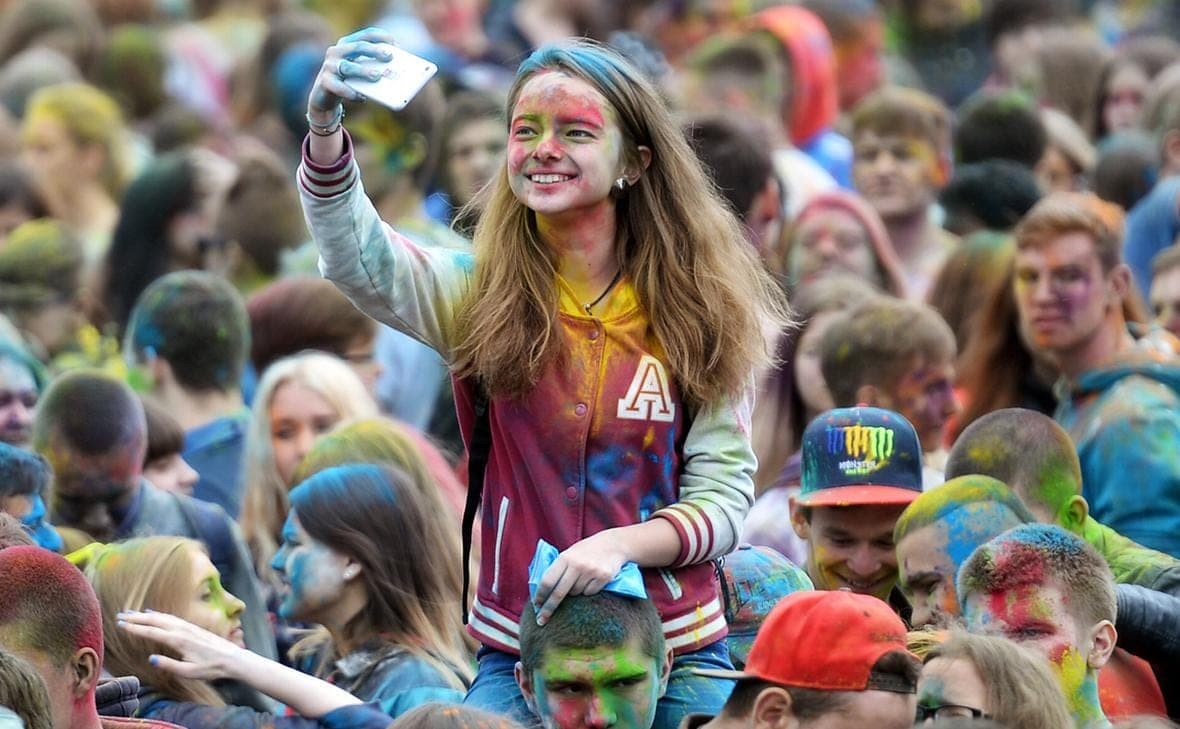
Millennials, now aged between 30 and 45, are approaching or approaching the peak of their purchasing power, occupying leadership positions and are naturally beginning to influence modern culture.
Each generation experiences its own rebirth as they grow up and recreate the culture of their youth, and social and economic changes accelerate and intensify these processes. Thus, the new stage in the development of millennial culture may become the most powerful wave of nostalgia and affect more people than the “renaissance” of previous generations.
According to The Economist, one of the pillars of the revival of millennial culture was the transition of the creative sphere to a conservative approach - for example, the film industry is trying to minimize the risks due to the drop in cinema attendance after the coronavirus pandemic and its not so rapid recovery, as well as the spread of social networks that take away part of the time of viewers.
As a result, filmmakers are returning to proven franchises: released at the beginning of the year, the film “The Devil Wears Prada 2” surpassed the box office original of 2006, in September Sandra Bullock and Nicole Kidman returned 28 years later in the sequel to “Practical Magic”, and next year is expected to restart “Rescuers Malibu”, draws attention to the magazine.
At the same time, the reboots affected not only Hollywood: in January, the Indian film Border 2, the sequel to the acclaimed 1997 war film, collected good views. Japanese anime studios have also started producing remakes, such as "Nube's Hell Teacher" and "Yaiba, Samurai Legend," aimed at millennials. The era of remakes in the video game industry began even earlier in the late 2010s, with the reboot of Crash Bandicoot and Resident Evil 2.
There was also a boom in live performance that put the music industry in a “nostalgic mode,” The Economist adds, as concerts became larger and more profitable, and retired musicians had more incentive to return to the stage. The band Oasis, which created the soundtrack to the teenage years of older millennials in the 1990s, recently announced the second leg of its comeback tour, which became the second highest-grossing concert tour of 2025. Other artists, from My Chemical Romance to Shania Twain, have also returned to the stage. The Dixie Chicks reunited under the name Chicks.
In addition, a growing number of “adult children” (English kidults) who spend a lot of money on entertainment, toys and collectibles, which leads to the expansion of the market for nostalgic toys.
One of the most important reasons for the boom in nostalgia and millennial culture was technology, because thanks to them, old content is now available forever. Series for millennials, such as Friends and Gilmore Girls, are finding new fans thanks to streaming services. Streaming libraries also make it easy to hear past music. And social media algorithms and viral content allow trends to emerge, lose popularity, and resurge within a decade.
In the world of fashion and design, there is an unspoken axiom that trends return every 20 years. After popular culture finally integrated elements of the Y2K style characteristic of the late 1990s and early 2000s, attention naturally shifted to the period of the late 2000s and early 2010s.
Despite the rapid advances in technology, millennials and Gen Z are drawn to more tangible pursuits, says Pamela Paul, author of 100 Things We Lost to the Internet. Young people are nostalgic for a past they never knew and a reality that the internet has replaced. Hence the craving for "real hobbies," Paul concluded.


