
Chairman of the Intellectual Property Court resigns
The Chairman of the Intellectual Property Court Georgy Danilov wrote a letter of resignation, follows from the agenda of the upcoming meeting of the High Qualification Collegium of Judges.
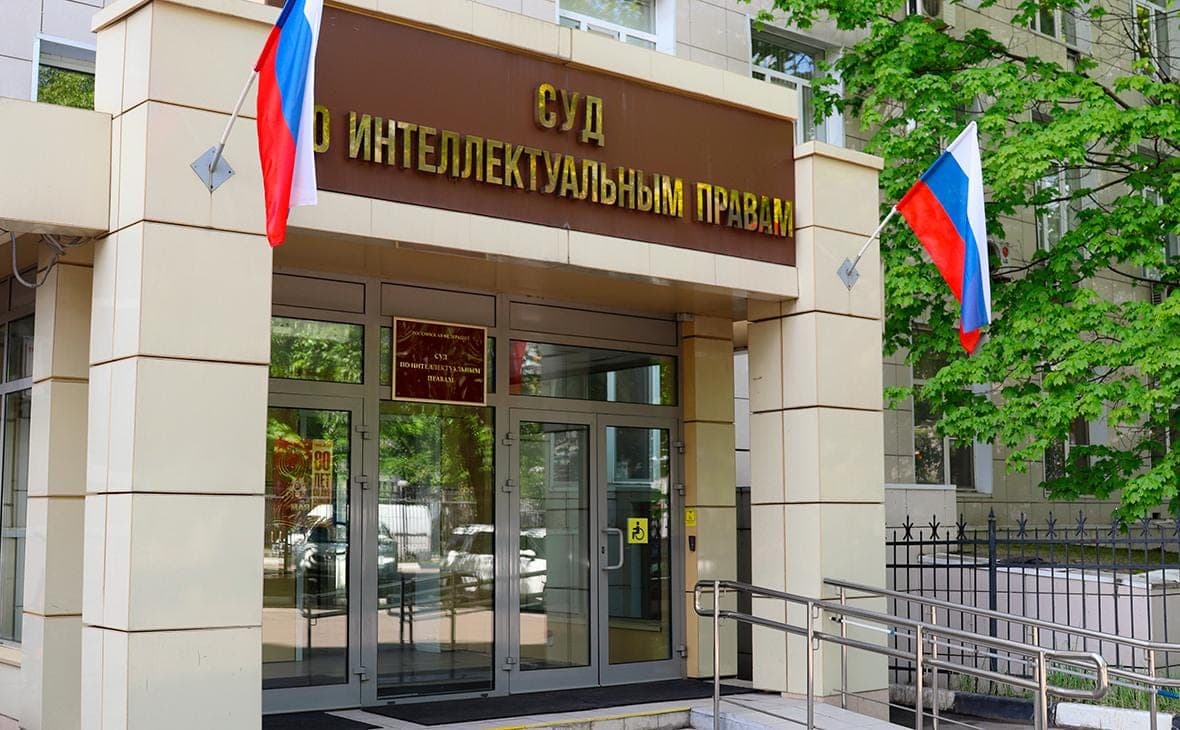
The Chairman of the Intellectual Property Court Georgy Danilov wrote a letter of resignation, follows from the agenda of the upcoming meeting of the High Qualification Collegium of Judges.
“Danilov’s statement by Georgy Yurievich on the termination of his powers as a judge, chairman of the Intellectual Property Court from November 23, 2026 on the basis of subparagraph 1 of paragraph 1 of Article 14 of the Law of the Russian Federation “On the Status of Judges in the Russian Federation”, – stated in the agenda of the board published on the website. This subparagraph of the law on the status of judges indicates the possibility of dismissal of a judge on the basis of his written application.
Danilov’s statement will be considered on November 23. For the first time he was appointed as a judge in 2003, in the Arbitration Court of the Voronezh region, from 2008 to 2012 he was deputy chairman of this court.
He headed the Intellectual Property Court in 2025. Danilov was the only candidate for the post of chairman after the resignation of the previous head of the court Lyudmila Novoselova. She headed the court since 2012, in 2014 Danilov became her deputy.
At the X All-Russian Congress of Judges in 2022, Danilov was elected a member of the Council of Judges. He has the first qualification class of judge, awarded with medals "For impeccable service" and "For labor valor".
The Intellectual Property Court was established in 2013 to hear intellectual property disputes. In March of this year, the court sided with Sberbank in a dispute with FIT about the violation of trademark rights PayQR, overturning the appeal decision and upholding the decision of the first instance. Cassation considered that the designations SberPay QR and Pay QR used by the bank did not create unacceptable similarities with the signs of the plaintiff and were not used as independent means of individualization. Thus, the court overturned the decision to recover 1,445 billion rubles, leaving the decision of the first instance in force.


