Debate of the parties in the case of the leader of the white-hattered Buglai is scheduled for October 21
The Supreme Court has completed a judicial investigation in the case of an accomplice of Nazi criminals Buglai. The defendant is accused of genocide of the Belarusian people during the...
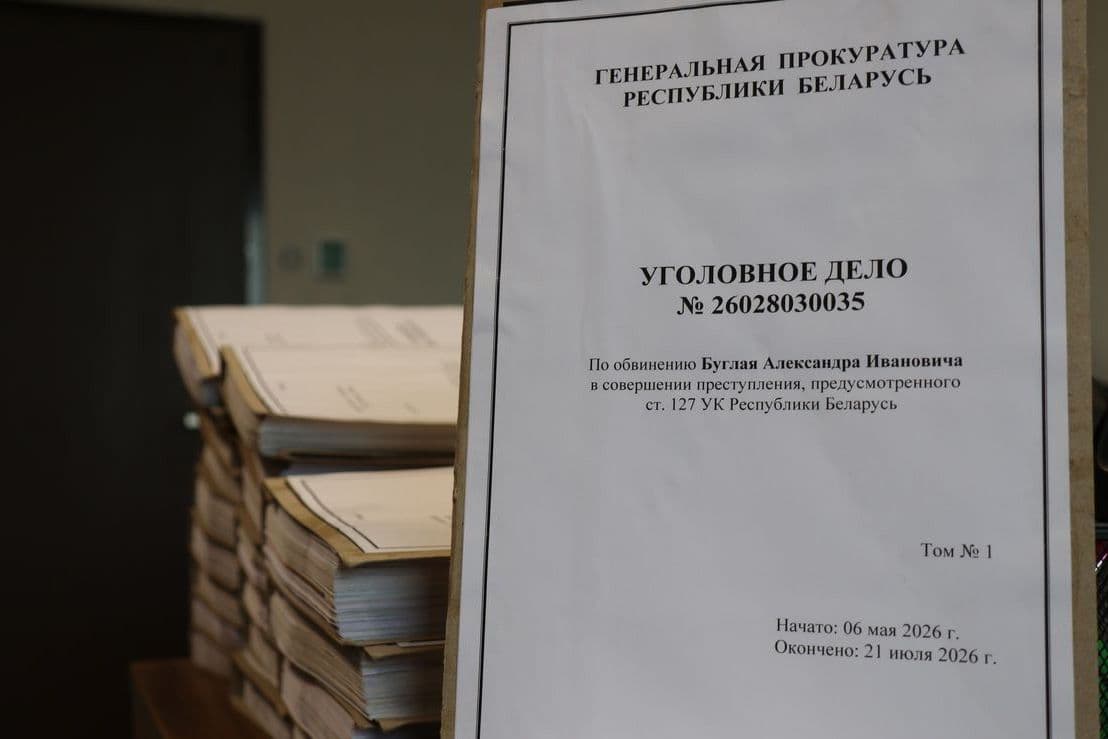
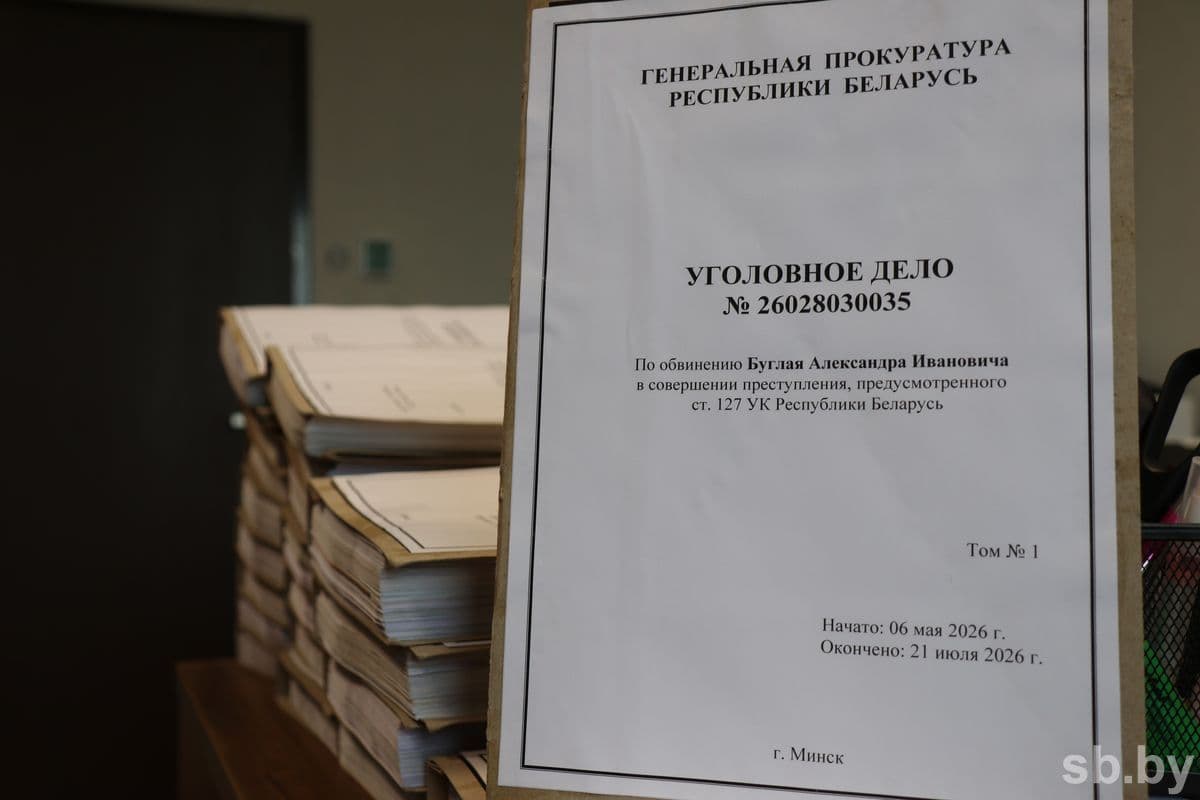
The Supreme Court has completed a judicial investigation in the case of an accomplice of Nazi criminals Buglai. The defendant is accused of genocide of the Belarusian people during the Great Patriotic War. The court considered 29 episodes, including the premeditated murder of at least 174 people, including elderly people and at least 27 children, as well as the destruction of villages in Gomel, Mogilev and Minsk regions.
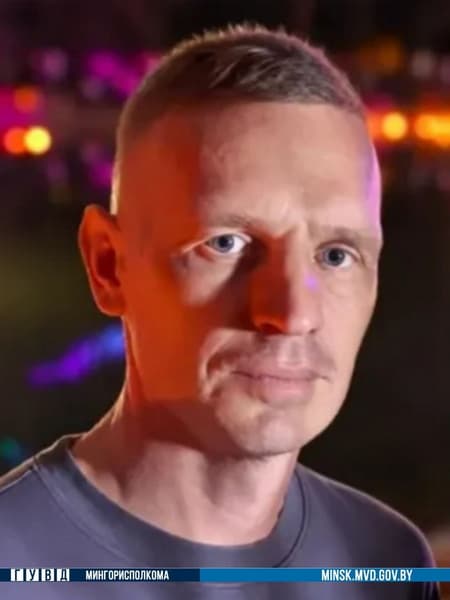
Alexander Buglai is a native of Western Belarus. He served in the Polish Army until 1931. He later became a Polish intelligence agent. With documents in the name of A. Bugaev was thrown on the territory of the USSR to collect information. He was arrested twice on suspicion of espionage. At the beginning of the war, he escaped from the convoy. From the first days of the occupation, he voluntarily offered his services to the Nazis. From December 1941 he headed a group called the White Team and later commanded a battalion. He led punitive operations against guerrillas, mass arrests and murders of civilians, looting and burning of villages.
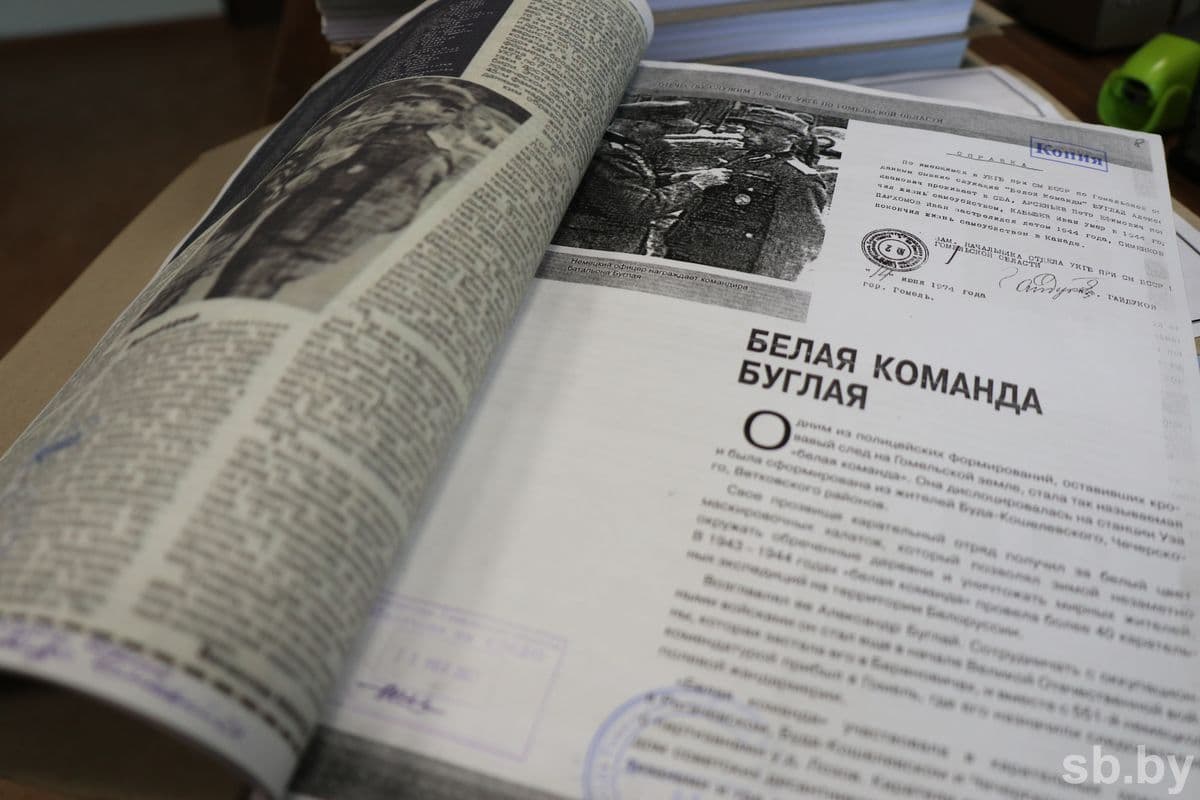
Active activity Buglaev thugs began immediately. This is stated, for example, in the certificate of June 25, 1974 on the crimes of the “White team” (source – the archive of the OCGB in the Gomel region) signed by the senior investigator for especially important cases of the investigative branch of the OCGB under the CM of the BSSR in the Gomel region, Major Kudryavtsev: “...during the German-fascist occupation in large settlements of the region, the occupation authorities established police strongholds. At the end of 1942, such a stronghold was organized in the village of Merkulovichi, Chechersky district. In December 1942, on the basis of this stronghold, a punitive detachment was created, intended to fight partisans, initially numbering about 20 policemen. This detachment was headed by traitor Buglai Alexander Ivanovich, who previously served as an investigator of the field gendarmerie in Baranovichi and an interpreter of the German commandant in Gomel. Buglai immediately began active activities in the fight against the partisans, the repression of their families. In January 1943, the punitive detachment fought partisans in the village of Lozov, went to the villages of Kamenka-Ryskovskaya and Fundaminka, where the police of the detachment shot the families of partisans. For these punitive operations Buglaevtsy went in white camouflage robes, for which they were nicknamed white coats. By the spring of 1943, the White Team had about 100 police officers, who were distributed among platoons. It had a machine-gun platoon armed with machine guns and mortars.
Until September 1943, the White Team was engaged in punitive activities in the territory of Chechersky, Buda-Koshelevsky, former Uvarovichi districts of the Gomel region. In particular, it was deployed in the villages of Merkulovici, Sidorovici, Moiseevka, Derbichi, the town of Chechersk. During their stay on the territory of the Minsk region, the Buglaevs conducted about 40 punitive operations against partisans and civilians.”.
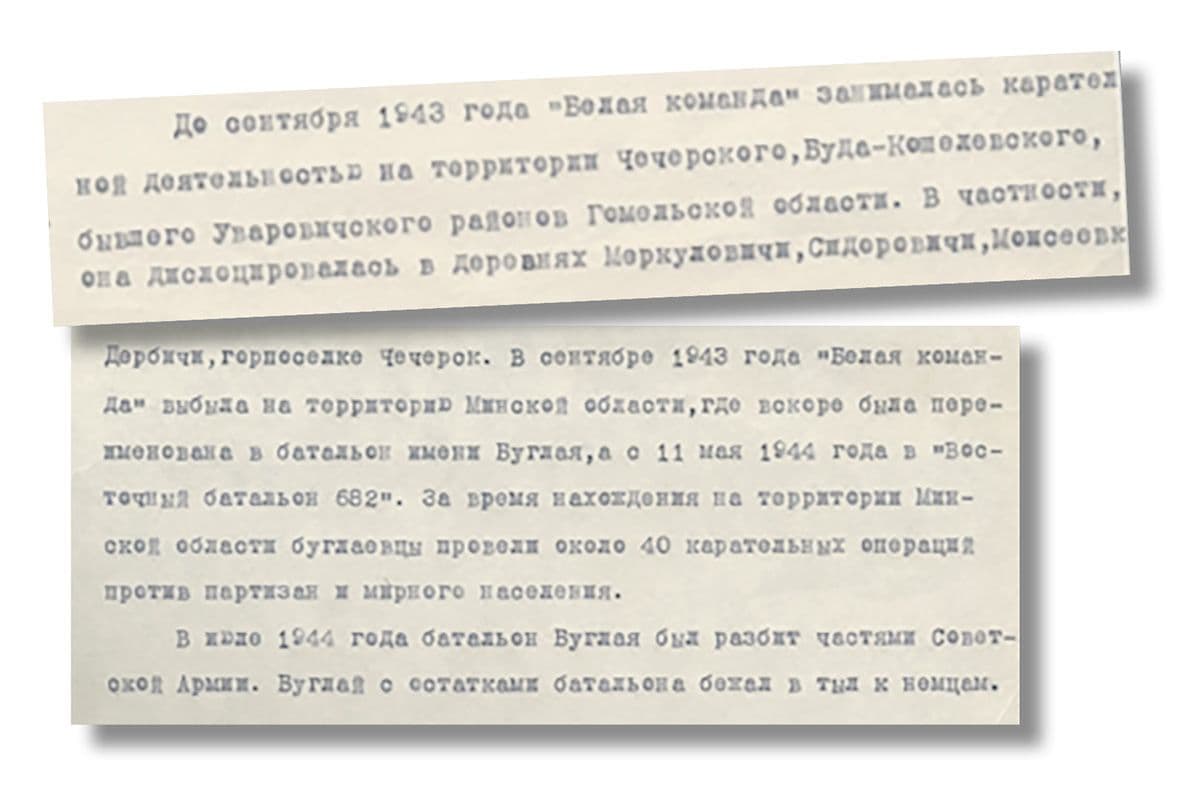
From the certificate of June 25, 1974 about the crimes of the “White team” (source – the archive of the OCGB in the Gomel region). In 2006, state security officer Yuri Kudryavtsev told the SB how he searched for and found executioners. Including the platoon commander of the Buglai group, the staff executioner Lapitsky. Found him 400 kilometers from Irkutsk, lived under the name Tikhanovich. Among the materials of the archive case against Lapitsky, read out in court in Minsk, is the protocol of the interrogation on April 25, 1974 of Anna Bobruseva, a resident of the village of Fundamink Buda-Koshelevsky district, born in 1906: At the end of 1942 or early 1943, a punitive police detachment under the command of Buglai came to the village of Merkulovichi, 6 kilometers from the village of Fundaminka. I remember that the house where Buglai was personally was surrounded by logs. Trenches were dug around the house.”.
In January 1943, on the Epiphany, Buglaev white coaters appeared in Foundation. We went to witness Bobruseva's house. They began to bring people – adults and children. And then, the witness said, the people were led to be shot: “I was in my house and saw everything well through the kitchen window.” I remember that Erokhova Evdokia set her children before her. Then she started to baptize. A few minutes later I saw a terrible picture. Police began shooting innocent women, old people and children. When they started shooting, I heard the screams and cries of the doomed. I saw one policeman (I remember he was lame) walking between people lying on the ground and shooting some with a nagan. I assumed he was killing off those who were wounded and showing more signs of life. Shortly after the shooting, the commander and the lame policeman who killed people came into my house. The commander of the punitive officers said, “This is your second baptism.” A lame policeman approached me and said, "Pour me some water so I can wash off the guerrilla blood." I turned to the commander and asked him, “Why did you beat the children when they were innocent?” He said, "They will keep us in trouble all our lives and undermine our roots.".
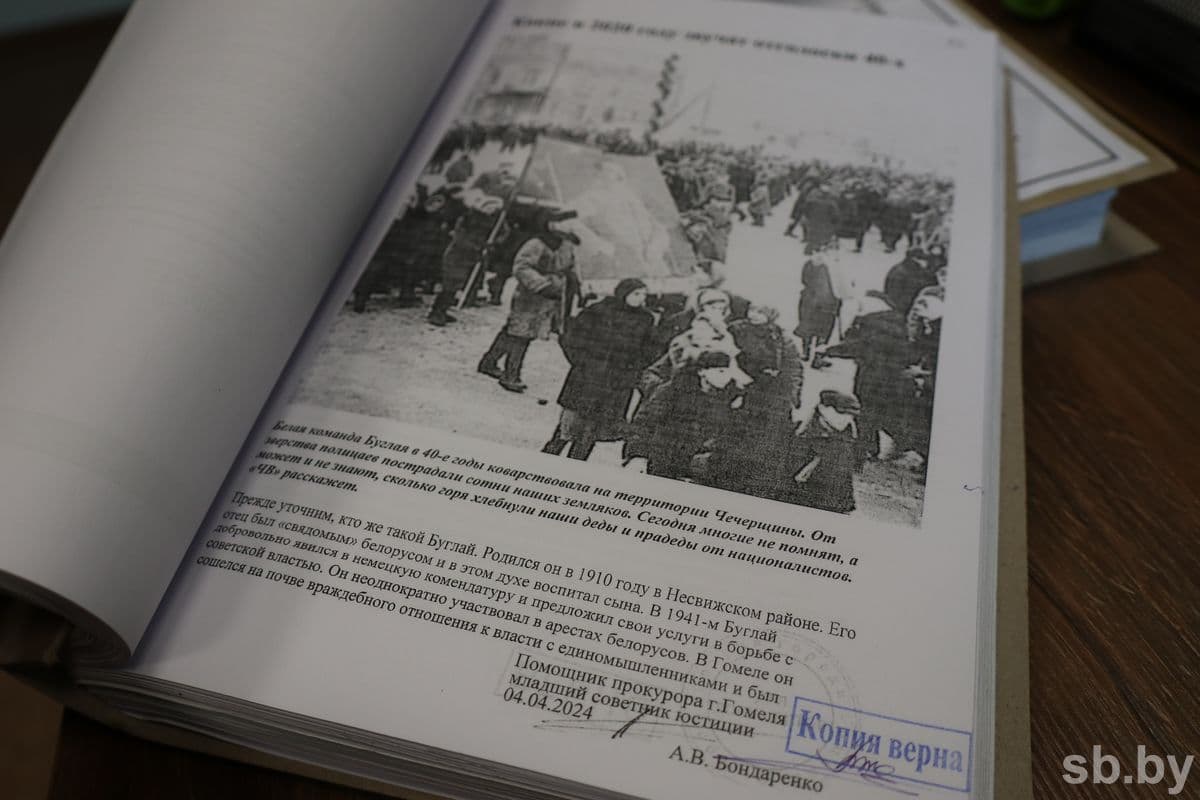
When in the late 1970s another Buglaev jackal, Nikolai Ilyenkov, was tried, witnesses were also interrogated. A resident of the village of Derbichi Buda-Koshelevsky district, Teklya Kravchenko, born in 1908, said: In the spring of 1943, a police punitive detachment stood in our village for some time. They lived in my house and I was evicted. I remember that these policemen walked in uniforms that looked like German.” In the spring of 1943, this group shot more than 20 villagers from Roghini and the village of Antonovka.
“I saw how along the street of the village, and then along the field in the direction of a small pine forest, the police of the punitive detachment led more than 20 people under escort,” Kravchenko said. Among those arrested were women, children and the elderly. The children came of all ages, even those carried in their arms.” Shots were fired... People were buried there, behind the village.
In that period, the white-hats plundered and burned the villages of Kultura, Roginj, Lazovica.
But here is what Vasily Afanasenko, a native of Kamenka-Ryskovskaya Rogachevsky district, born in 1908, testified about the events of December 1942 - January 1943 in the village of Fundaminke, interrogated in April 1974: “Some armed people dressed in white camouflage robes came to our village on a sledge.” They drove past our house. The father went out into the street and, returning home, said that they were probably partisans, since he heard them speaking to each other, saying, "Comrade." Two men armed with rifles dressed in white camouflage gowns entered the house. In the light of one of those who entered, I immediately recognized that it was Arkady Gaponov, nicknamed “Kirik”, a native of the village (inaudible). - Ed. - Chechersky district. I knew that he was serving in the punitive detachment of Buglaia, which was then standing in the village of Merkulovici.”.
Vasily was taken, put on a sleigh face down. Old man Avdey Gavrilkov was already there. So people gathered around the village, took them to the extreme house - Demyan Afanasenko. The arrested were interrogated personally by Buglai, dressed in the uniform of a German officer. He spoke pure Russian, witness Afanasenko continued: We were taken aside. Those condemned to death began to undress. Gaponov Arkady approached me, who began to tear off my clothes. I saw a small knife on the table. Taking advantage of the fact that the punishers were busy stripping the other detainees, he quietly took a knife and stuck it in his shirt pocket. The officer ordered the execution of those sentenced to execution.”.
Let's go to the cemetery. Each was escorted by two. At one point, Vasily stabbed one police officer in the chest and ran. Shooting, wounding, frostbite toes... Seven people, including a girl, were shot that night. Witness Afanasenko showed the murder scene during the investigation in 1974. Our people were exterminated by the Buglaev group both independently and as part of other national units, regular units of fascist troops. According to the unified plan of Nazi Germany for the genocide of the Soviet and Belarusian people. We'll continue this story.
gladkaya@sb.by
t.me/lgbelarussegodnya