Thomas Khlebnik: why on October 19 you can not trust the word and waste money
In the national calendar, October 19 (old style – October 6) celebrates Fomin Day, also known popularly as Thomas Khlebnik or Thomas the Unbeliever
Who the Apostle Thomas Was: The Biblical Story
The Holy Apostle Thomas was born in the Galilean city of Pansada and fished until he heard the preaching of Christ and left everything to follow him. In the New Testament, he appears as a devoted man, but prone to deep analysis. The historical nickname "Twin" (Didim) indicates not only the possible external similarity, but also the inner duality of his character - the eternal struggle of doubt and fiery faith.
It was Thomas who after the Resurrection of Christ uttered the famous phrase that he would not believe in a miracle until he personally saw the wounds from the nails and put his hand in the ribs of the Savior. On the eighth day after the Resurrection, Christ appeared to the disciples and invited Thomas to do so. The apostle’s great confession was: “My Lord and my God.” In Christian theology, Thomas’s “unbelief” is not treated as a weakness of spirit, but as a demand for an absolute, experienced proof of truth, which ultimately only strengthened the faith of the whole Church. Later, Thomas preached Christianity in Parthia, Media, and India, where he was martyred for Christ.
Transformation of the image in the popular consciousness
Once on the soil of Slavic life, the complex theological concept of “testing faith” has undergone amazing changes. Peasant consciousness, far from abstract philosophical disputes, adapted the image of Thomas to its immediate needs - preparation for the harsh winter.
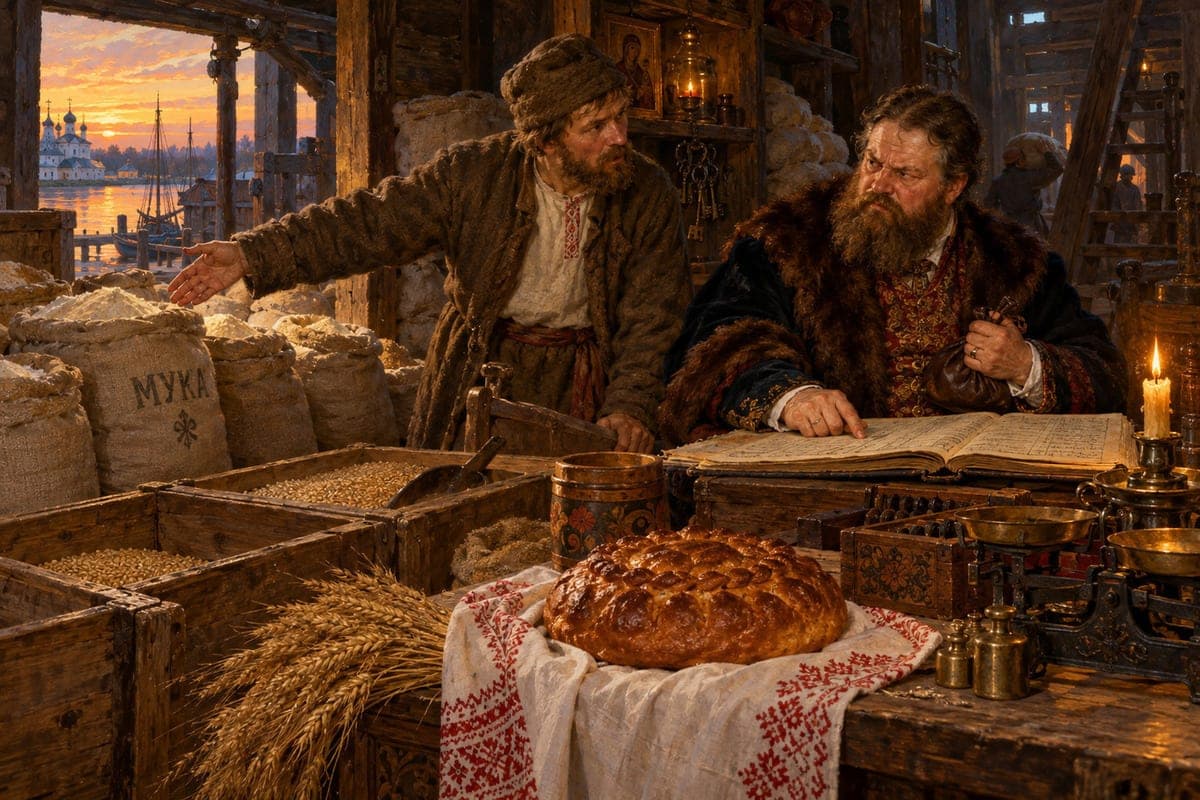
From doubt to frugality and calculation. The property of the apostle to double-check everything and not believe in the word people interpreted in their own way. Thomas became a symbol of meticulousness, strict accounting and pragmatism. A good host on Thomas should be "incredible" - not to take anyone's word, personally count all the bags of grain, check the locks on the barns and make sure that there are enough supplies until spring.
Thomas Bread and Abundance. Since by mid-October the burrows were full of fresh grain and flour, Thomas was credited with the status of the patron saint of bread fertility and frugality. It began to be associated with satiety and prosperity, and the proverb “Take everything to Tom” became the main motto of the day, urging to drag the last surplus crop into barns (except for them).
The main traditions of the day: accounting bins and healing bread
By October 19, the peasants had completed the field work and proceeded to summarizing the economic results of the year. The owners carefully examined the cellars, barns and bins, calculating the volume of food until the next spring. If the supplies were abundant, they went to the temple and thanked the saint for the full year.
The main symbol of the holiday was freshly baked bread. The hostess in the morning baked caravans, the humps of which were supposed to be distributed to people suffering from diseases or the poor. It was believed that bread baked on Thomas has healing power and is able to put on his feet even seriously ill. There was also a tradition of feeding young children a breadcrust rubbed with garlic to protect them from the evil eye and winter colds.
On the same day, fathers for the first time took grown-up sons to barns to teach the basics of farming and trade, and mothers seated their daughters at looms.
Tough bans: what not to do on Fomin day
Our ancestors strictly adhered to certain taboos in order not to lose prosperity and financial stability
The ban on laziness and idleness: on Fomin day, a long stay in bed and unwillingness to work were strictly condemned. It was believed that the saint would punish slackers in a hard and hungry winter.
Disrespect for bread: it was strictly forbidden to throw away the remains of pastries and crumbs. Old dry bread was given to livestock or birds.
Cash loans and profligacy: You could not lend or borrow large sums of money, or make spontaneous, empty purchases. Breaking the rule threatened financial ruin.
Noisy fun and excessive emotionality: it was forbidden to laugh loudly, arrange noisy gatherings and behave defiantly. It was believed that excessive noise attracts evil spirits.
Bragging: you should not share your income, love successes or achievements of children with strangers, so as not to cause the evil eye and envy.
Family quarrels: women were strictly forbidden to quarrel with men and to be jealous of them - "disputes on Thomas - troubles in the house.".
Folk weather signs
Since Fomin Day marked the final transition to pre-winter, the peasants closely followed the natural phenomena:
On this day, the weather was full and cold.
If the first dry snow fell, then the coming summer will be productive, and autumn will be warm
If the land is already covered with snow, then the real sustainable winter will begin on November 22. From the first snow to winter counted exactly 40 days.
Crows, gathering in large flocks, promised imminent bad weather, prolonged rains or blizzards.
Bright stars on the north side of the sky foreshadowed the imminent snowfall, and on the south - warm, sunny days.