
Why did you have to pay off all your debts on October 18
In Orthodoxy, on October 18, the memory of two saints is honored – the Martyr Charitina of Amisia and the Monk Haritina of Lithuania. The popular name of the holiday is Charitina,...
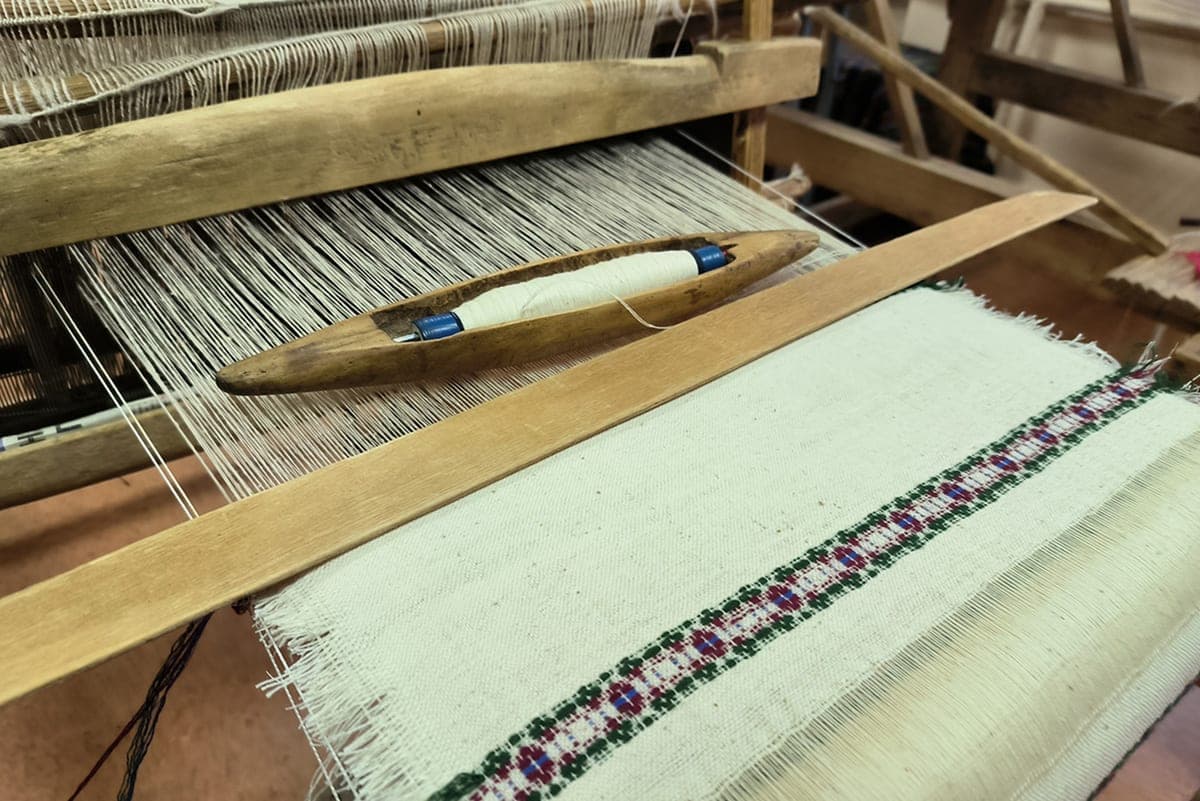
In Orthodoxy, on October 18, the memory of two saints is honored – the Martyr Charitina of Amisia and the Monk Haritina of Lithuania. The national name of the holiday is Kharitinin, Kharitinin day. Women began to weave canvases and did needlework, and men rolled wool on the valenki.
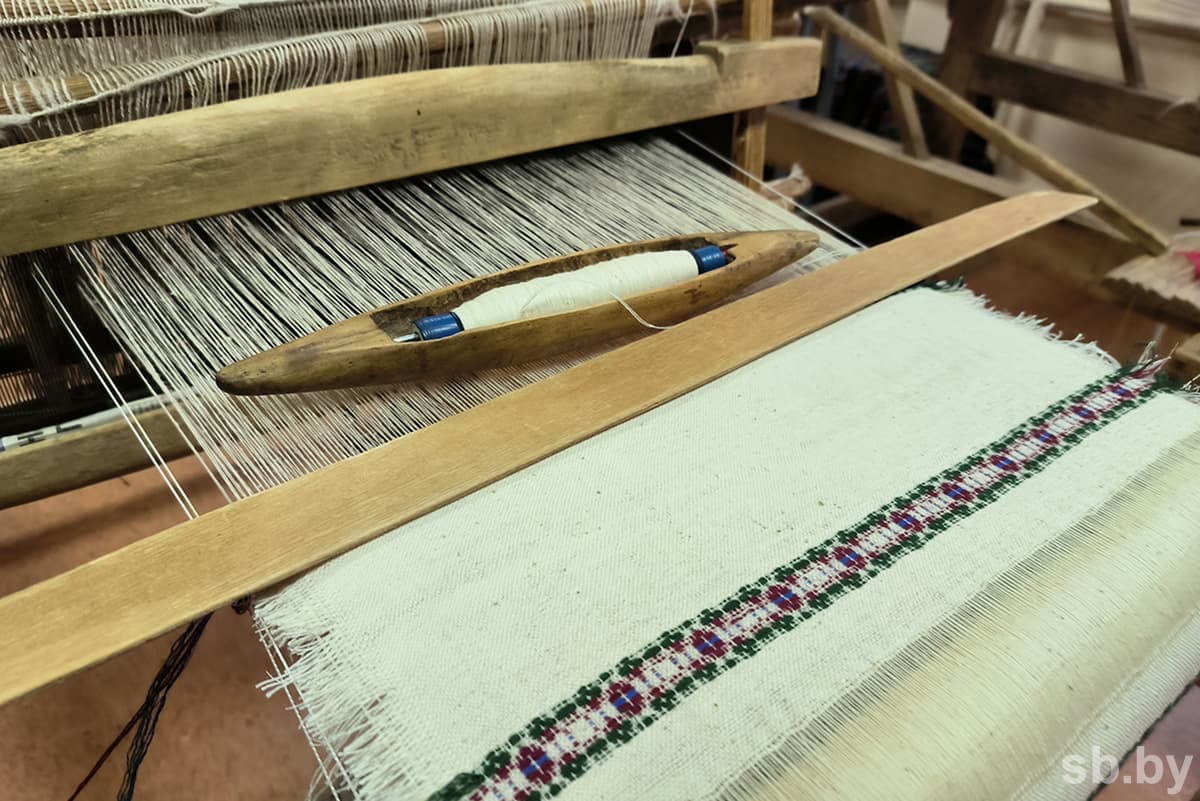
At the end of the agricultural year, work in the countryside did not freeze until spring, as it may seem. The time that peasants spent on the production of various things and utensils necessary for the household was freed up. Not every family could afford to buy ready-made clothes and shoes, so the villagers provided for themselves. Weaving and needlework were the main winter occupations of women, men wove baskets, made fishing gear and various household appliances. On the eve of Kharitinin’s day, a loom was solemnly erected in the house on an honorable place – a massive and complex structure that took up quite a lot of space. “A spider came on wooden legs, the whole hut fenced up,” “a miracle came, sat down in the corner, without a girl, without a woman, and there will be no woman,” people joked. Jokes are jokes, but the work of weavers was in great honor, and girls trained in this skill were considered enviable brides and did not stay in girls.
Since the saints Charitina are the patroness of weavers and needlework, it was considered a good sign to start work on this day so that it would be fruitful and argue. The wish is not superfluous, because, for example, the bride had to prepare a dowry herself: weave fabrics, embroidery towels and so on. On the Haritin, winter things were taken out of chests, cleaned, aired, and, if necessary, renewed and trampled. Eh, valenki... On the eve of Kharitinin’s day, professional capovals (masters who rolled valenki, hats, etc.) went to the latrines and returned home only in the spring of May 6 – St. George’s Day (we call this holiday Yurier) with a solid earnings. But since many people had the skills to work with wool, on Kharitininin day, peasants usually also began preparing for the manufacture of seasonal shoes: winter footwear (they were many times thicker than summer ones and often felt), as well as boots. The most famous of the Belarusian capovals were masters from Dribin, in Mogilev region, whose descendants still carefully preserve the traditions of their ancestors. In 2009, Shapovalny was even included in the State List of Historical and Cultural Values of the Republic of Belarus.
In the evening, girls and boys gathered for evenings, which took place, so to speak, in a working environment, as mothers gave their daughters a task to sew and hide in one evening. Of course, the youngsters had fun anyway. And the guys had the opportunity to watch how the girls work, and look at the brides. The goods, so to speak, face..
TRUTH
♦ On Kharitininin day you can not envy others’ successes and boast about your achievements: it is believed that this can drive away luck.
♦ Do not be lazy and sleep until lunch, if you do not want to incur trouble, including financial.
♦ There was a belief that on the day of Haritina, all debts should be paid back. A person who does this will never need money again.
NOTES
♦ Snow did not fall on Haritina - winter will not come soon.
♦ Warming on this day promises a generous harvest next year.
♦ In the morning it is sunny, and after lunch it is cloudy, so the first half of November will be warm, and the second cold - snow will fall and frosty weather will be established.
bebenina@sb.by


