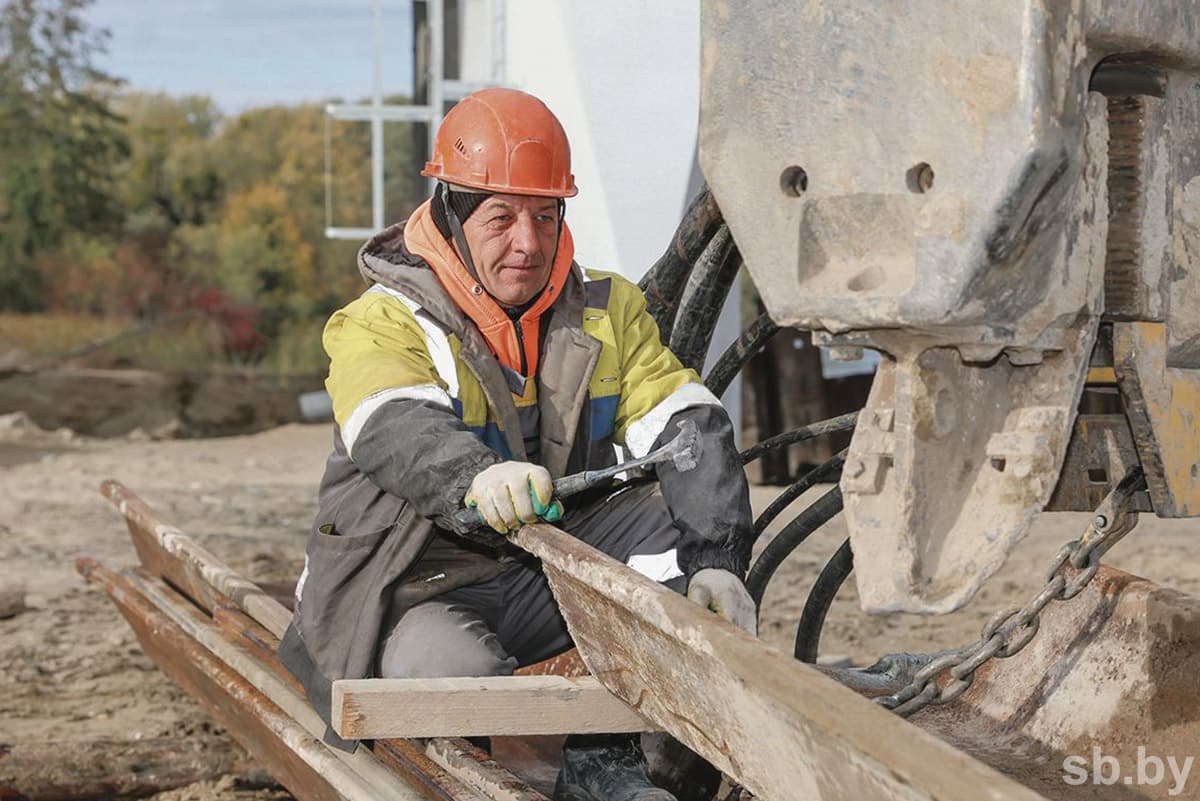
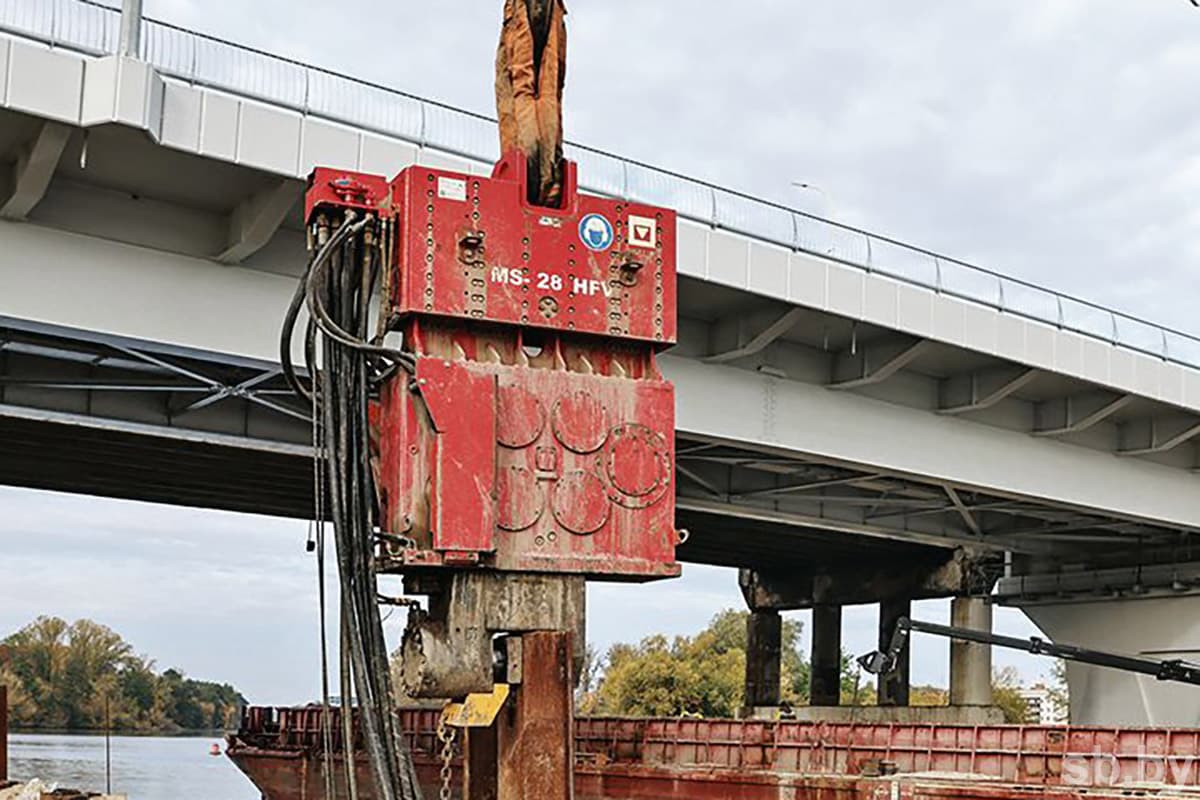
In Brest, one of the main transport arteries is being reconstructed - the bridge over the Mukhavets River in the city center
The facility in the area of Shevchenko Boulevard began in June last year. Now the builders are completing work on the first part of the new crossing and are preparing a site for construction.
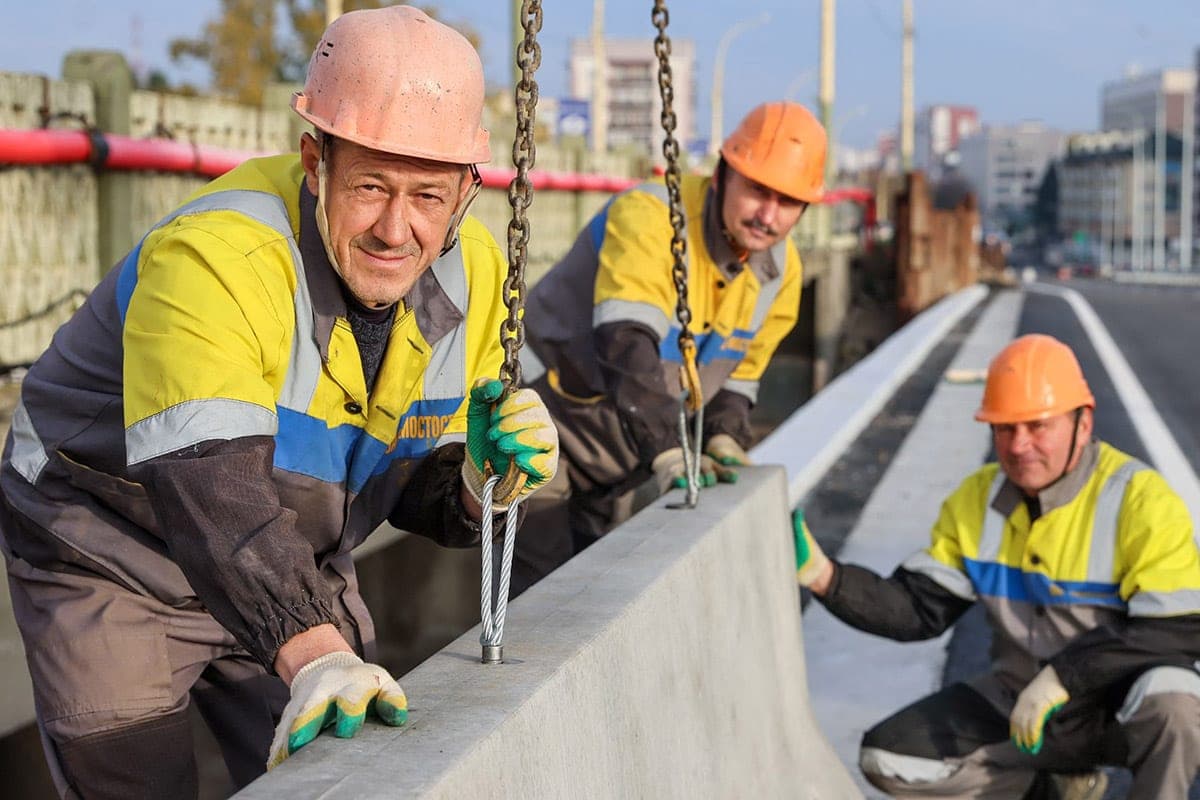
The facility in the area of Shevchenko Boulevard began in June last year. Now the builders are completing work on the first part of the new crossing and preparing the site for the next stage. After the transfer of traffic to a new branch, the existing bridge will be closed and dismantled, and the second part of the structure will be built in its place. As a result, Brest will receive a modern four-lane bridge with an updated pedestrian and cycling infrastructure. “We are working at a tight pace: we want to open the first branch as soon as possible,” says electrician Ilya Shcheglov. But it is important not just to meet deadlines, but to do everything according to conscience. I am a driver and I understand how the quality of the road affects safety and comfort. Such a bridge is not built for one season - it should reliably serve the city for decades.
In two stages, the Old Bridge over Muhavets was built in 1963. At the time, two lanes and a width of 13.5 meters were enough, but the traffic load has since increased significantly. The number of cars increased, new neighborhoods appeared on the left bank of the river, administrative buildings, enterprises and medical institutions were concentrated on the right.
- The bridge over Mukhavets connects the central part of Brest with the southern neighborhoods, the Warsaw highway and the direction to the state border, says Oleg Bely, director of the Mostotryad branch No. 58 of Mostostroy.
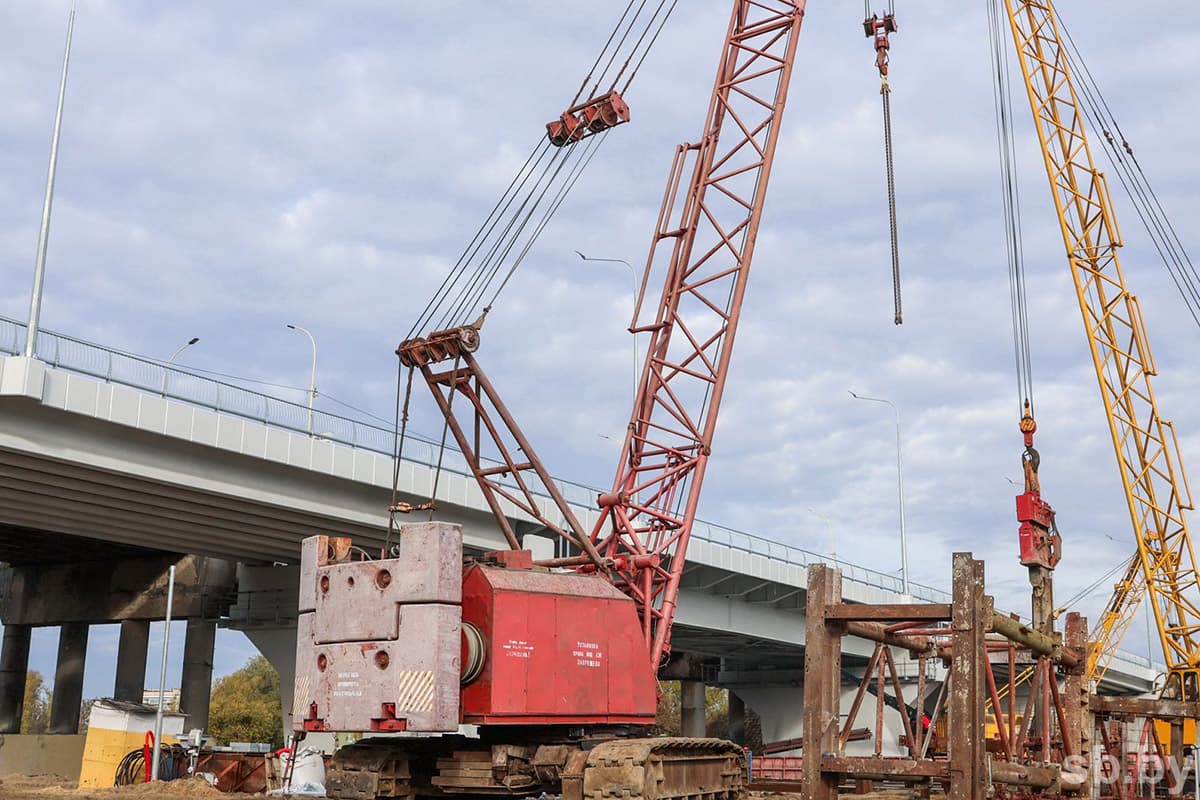
- The site begins on the promenade of Francisk Skaryna. Then comes the first approach, the bridge itself and the second approach, which overlooks the Warsaw Highway. This is one of the busiest city streets, so it was impossible to completely block it during the reconstruction. The new crossing will be designed for four lanes - two in each direction. It's being built in two stages. First, a two-lane branch is erected next to the existing bridge. After its opening, the transport will be transferred to it, and the old structure will be dismantled and the second branch will be built, says Oleg Bely:
- As a result, two completely independent bridge structures will be laid through Mukhavets, each with its own supports and spans. They will be placed next to each other, will be deployed relative to each other 180 degrees and will become a mirror image. At the same time, externally, the structures will form a single crossing, and between them will leave a gap of about 1 meter. Optimal balance Reconstruction is divided into three stages. As part of the first, engineering networks were taken out, a construction town, access roads and work sites were prepared. The second includes the construction of the first new branch, approaches, exits, as well as pedestrian and bicycle paths.
The third stage will begin after the transfer of movement. It provides for the dismantling of the old bridge, the construction of a second branch, the reconstruction of approaches and the roundabout. Preparations for this stage are already underway simultaneously with the completion of work on the first part.
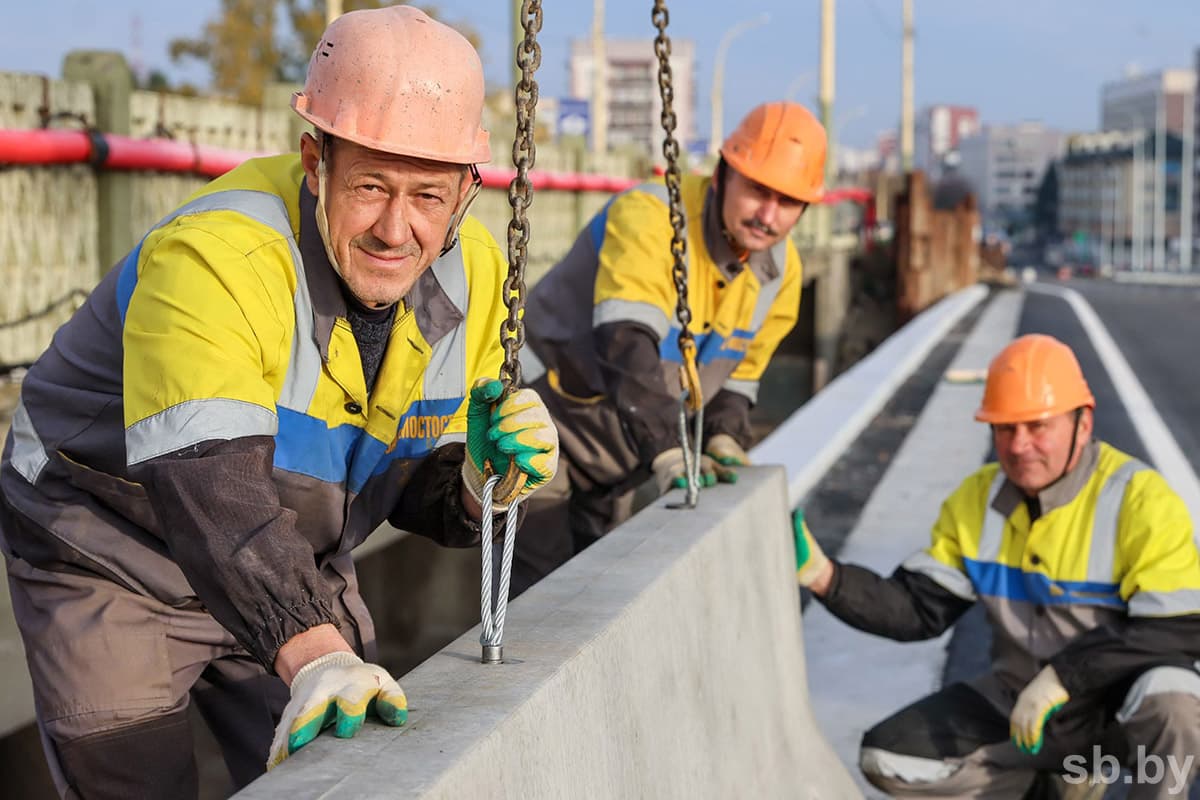
- Now we finish the first and second stages and move on to the third, explains Oleg Bely. While on the first branch the final works are carried out, on the left bank we pour the working site for the construction of the second independent part. Stages are partially combined, and do not go strictly one after another.
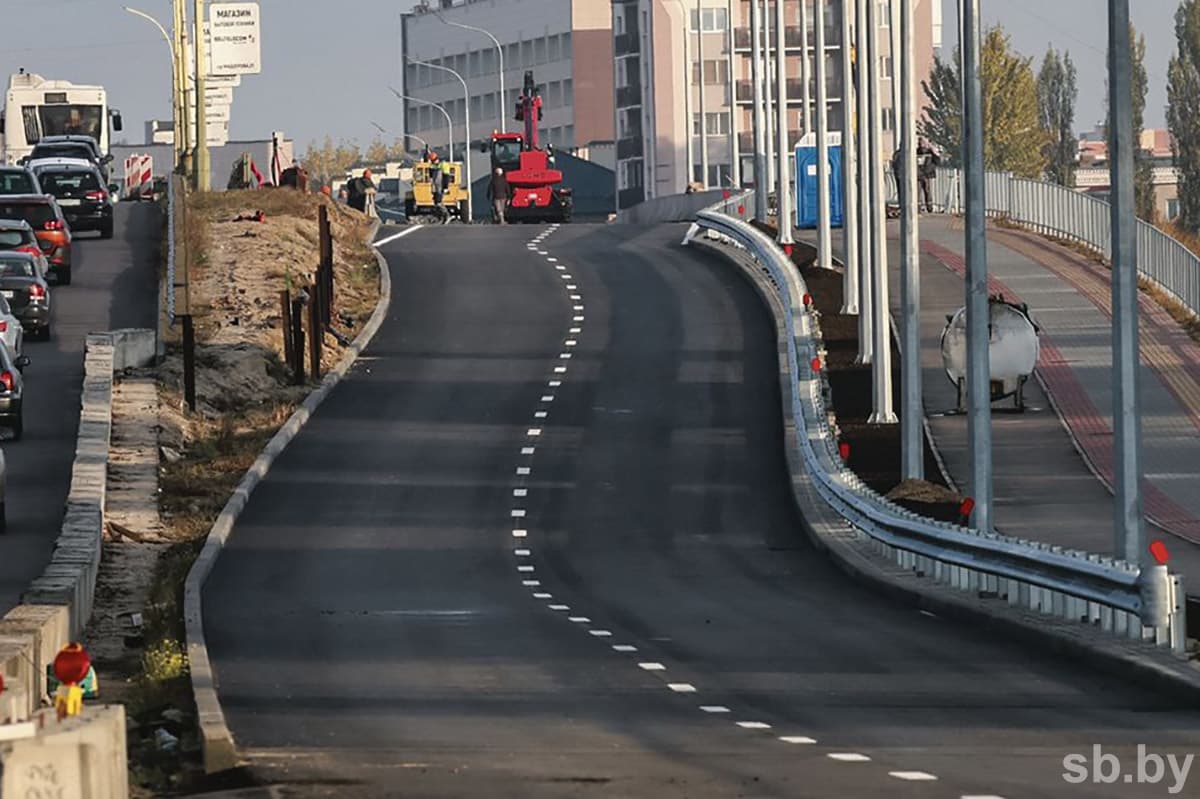
On the first branch, a clean asphalt was laid, markings were applied, a pedestrian fence was completed. On the approaches lay the tiles and equip the paths.
The project provides for separate zones for pedestrians and cyclists: the width of the bike path will be 1.5 meters, pedestrian - 2.5. Such separation will make the movement safer and more convenient. Cyclists and pedestrians will not use the same narrow lane. The first part of the new crossing is planned to open for traffic until the end of 2026, and in 2029 - to fully complete the reconstruction.
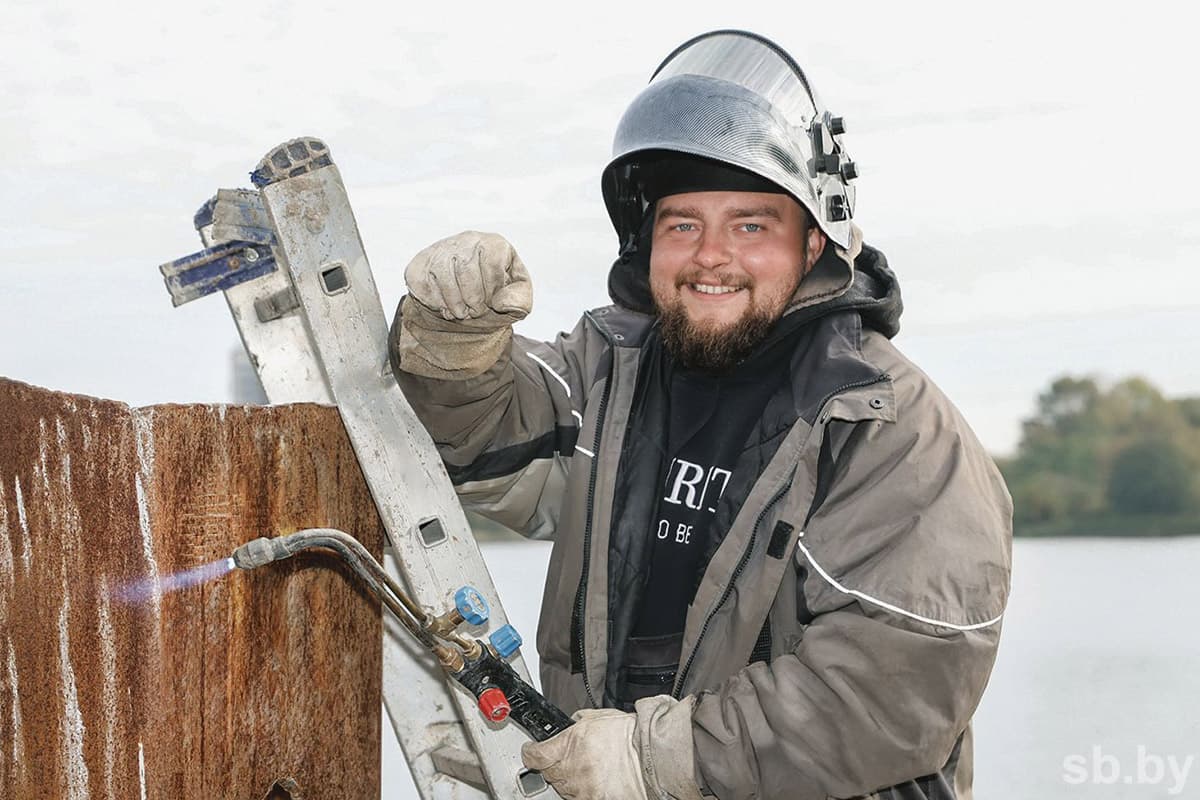
The work in Brest is not a single project, but part of a nationwide program aimed at improving road safety and capacity. Large-scale renovation of the bridge infrastructure is underway in Belarus. In total, there are more than 5 thousand bridges and overpasses in the country, and by 2030 it is planned to put in order about 500 objects. In 2025, road workers updated more than 5.6 thousand linear meters of bridge structures.