
In the Stavropol region return to life temples, sanatoriums and military memorials
Stavropol Territory is a unique territory where epochs intertwine: from ancient settlements to elegant neoclassicism of resort towns
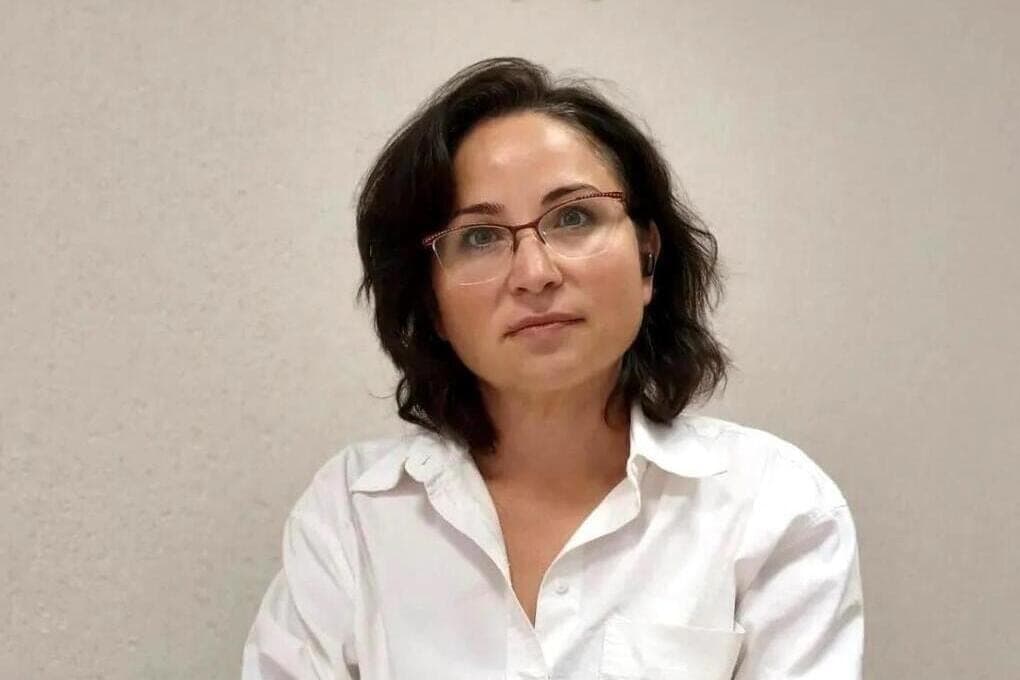
About how the region manages to restore temples, revive legendary hospitals and involve private capital in the salvation of monuments, in an exclusive interview with MK-Caucasus, said the head of the Department of Stavropol Territory for the preservation and state protection of cultural heritage sites Anna Koneva.
- Anna Vladimirovna, over the past few years, the region has demonstrated high activity in the restoration of monuments. What are the key results of the implementation of the profile state program?
- Our work within the framework of the state program of the Stavropol Territory “Preservation and Development of Culture” is a multi-level process. The priority of recent years has been memorials of the Great Patriotic War. From 2024 to 2026, we managed to put in order 13 such iconic objects. Seven more monuments were landscaped under the federal target program “Perpetuating the memory of those killed in the defense of the Fatherland for 2019-2024”. The program was developed for the 75th anniversary of the Victory in the Great Patriotic War to put in order memorials and burial places of soldiers.
But we are not limited to objects of military glory. Special attention is paid to religious shrines. Over the past three years, through the mechanism of grants, work was financed at two important for the region objects: the hospital of the theological seminary built in 1905 and St. Andrew’s Church in Stavropol. This is a complex process: to receive state support, a religious organization must submit impeccable project documentation and consent to strict financial control.
- How actively do municipalities take advantage of subsidies?
- Interest is growing. For 2027, we have already received 18 applications from the territories. The conditions for obtaining funds are transparent but demanding: the municipality must have an approved action plan, conclude an agreement with us and provide for co-financing in the local budget.
- In August 2026, by the resolution of the head of the region, the Council under the Governor of the Stavropol Territory was established for the preservation, use, popularization and state protection of cultural heritage objects (monuments of history and culture) of the peoples of the Russian Federation. What are the characteristics and key tasks of this body?
The creation of the Council was a milestone in the formation of a systematic approach to protecting our history. It is not just an administrative unit, but a unique expert platform for multilateral dialogue. The main feature of the body is its wide representation: the composition includes heads of key regional ministries, representatives of the territorial administration of the Federal Property Management Agency, heads of dioceses, leading art experts and representatives of the business community. The Council is headed by the Governor of the Stavropol Territory V.V. Vladimirov.
This format allows us to ensure the interaction of all stakeholders. At the meetings of the Council, we not only prepare proposals for improving the regional regulatory framework, but also make strategic decisions that balance the interests of the state, the needs of society in preserving the historical appearance of cities and the economic opportunities of investors.
The work of the Council is aimed at bringing the protection of monuments from the plane of exclusively restrictive measures to the plane of real development of territories. We strive to create conditions in which the restoration of cultural heritage sites will become attractive for business, while remaining a guarantor of the preservation of our identity.
- An important point of your work is the establishment of security zones. Why is this so important for cities?
- The protection zone is essentially a shield protecting the historical environment around the monument. It dictates a special regime for the use of land, so that new buildings do not “strangle” history. Between 2024 and 2026, we approved 229 such zones and defined the boundaries for 331 sites. This allows us to preserve not just individual buildings, but the integral historical appearance of Stavropol cities.
- Stavropol is often called a leader in public-private partnership (PPP) restoration. What examples do you think are the most successful?
- The resort infrastructure of Kavminvod is our “gold”, which attracts large investors. A brilliant example is the main narzan baths in Kislovodsk. Thanks to the investment company, the building has retained its historical appearance and functionality, becoming a true decoration of the Resort Boulevard.
No less impressive was the project of restoration of the sanatorium "Source" in Kislovodsk. The investor sent 6.8 billion rubles for these purposes, of which part of the funds was received in the form of a preferential loan. It is also worth noting the revival of Lermontov baths in Pyatigorsk, which were empty for 30 years and literally crumbled. Today, they have been brought back to life through the efforts of private patrons with the support of AUIPIC. At the finish – the restoration of the Palace of the Emir of Bukhara (the sanatorium “Udarnik”), where once rested Clara Zetkin and Nadezhda Krupskaya.
- How thorny is the path of the restorer? How long does the cycle from idea to delivery take?
- Restoration is not repair, it is science. The path begins with obtaining a task (up to 30 days) and developing a project (from six months to two years). Each step is accompanied by the examination of certified specialists of the Ministry of Culture. The work itself can last from a few months to five years or more if the object is complex. After that - 90 days for reporting and strict commission acceptance. On average, the full return of the monument to life takes from one to five years.
- Are there any objects that require rescue in the here and now mode, and how does the state help those who are ready to take them?
Monuments in unsatisfactory condition are our main pain and priority. To save them, a program of concessional lending from the financial development institute was launched. By 2030, investors can get loans at rates of 6% for hotels, and 9% for cultural and business centers. It is part of a massive federal project to save thousands of monuments across Russia.
Conditions are strict: the building must be in the register of OKN, the work must be completed before the end of 2030, and the design is given no more than 18 months. Now we already see real interest: rights holders of a number of objects in the region are preparing to enter this program.
Summarizing: what is the main vector of development?
- Our goal is to transform heritage preservation from a burden to a prestigious and cost-effective mission. In 2027, we plan to actively participate in the federal project “Preservation of Cultural and Historical Heritage”. We are convinced that by restoring the past, we are building a decent future for Stavropol.


