
“Unpleasant spot on the uniform of Polish history”: Dean of the History Department of BrSU – about the Berez-Kartuzskaya concentration camp
Commemorative events dedicated to the Day of National Unity started today, September 16, in the city of Berez, Brest region. Here, on the Belarusian ...

Commemorative events dedicated to the Day of National Unity started today, September 16, in the city of Birch, Brest region. Here, on the Belarusian lands, in 1934, the Polish authorities long before the Nazi invaders created the Berez-Kartuzskaya concentration camp, which is considered one of the most terrible concentration camps of the twentieth century. Thousands of prisoners from Western Belarus and Western Ukraine languished and were tortured in it, expressing their disagreement with the Polish authorities and the ethnocide carried out by them.
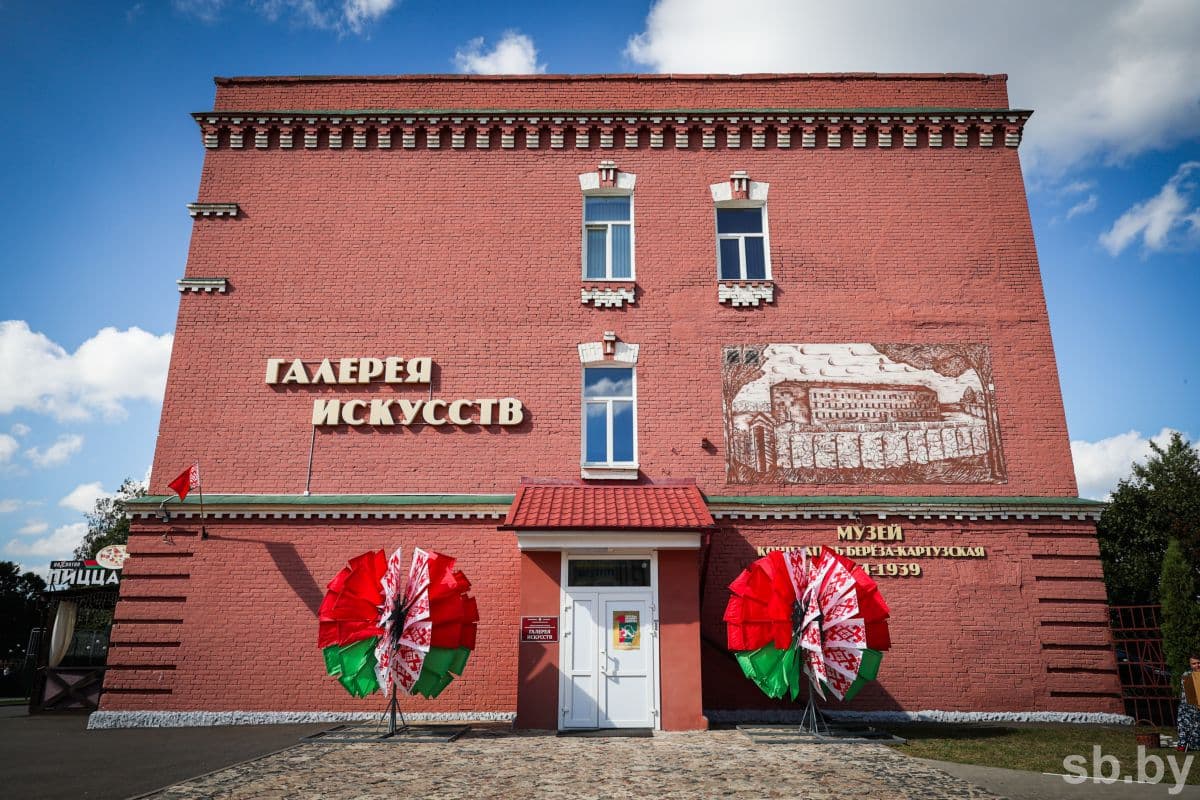
According to Alexander Savich, Dean of the History Faculty of the A. S. Pushkin Brest State University, September 17, 1939 for Belarusians is the day of consolidation, justice, reunification of a single whole organism forcibly torn under the conditions of the Riga world.
- From 1921 to 1939, Belarusians fought for their culture, language, land, and the right to participate in solving important public and state issues. After all, the Polish authorities did not allow Belarusians into public administration. And to defend their rights, they participated in the insurgency, tried to use parliamentary forms of struggle. To ensure the presence of the mother tongue in schools, political parties with a variety of views have united.

Modern Polish historians do not deny that a real ethnocide was carried out against Belarusians. The situation worsened especially in the 1930s, when the Polish political tradition began to develop towards the strengthening of totalitarianism.
“The Berezovsky concentration camp was created for pacification, that is, to calm down society in the context of an increase in active, conscious, organized resistance on the part of Belarusians,” said Alexander Savich. This is an illegal and undemocratic act of intimidation. This is a big unpleasant stain on the uniform of Polish history. Information that can neither be erased nor rewritten: the Berez-Kartuzskaya concentration camp museum is visited by labor collectives




