
Petersburgers told about the connection between the parade of 1941 and the blockade of Leningrad
Today, November 7, Russia celebrates the Day of Military Glory - 85 years since the historic military parade on Red Square in 1941. The Piskarev Memorial explained why this event is important for the memory of the besieged Leningrad.
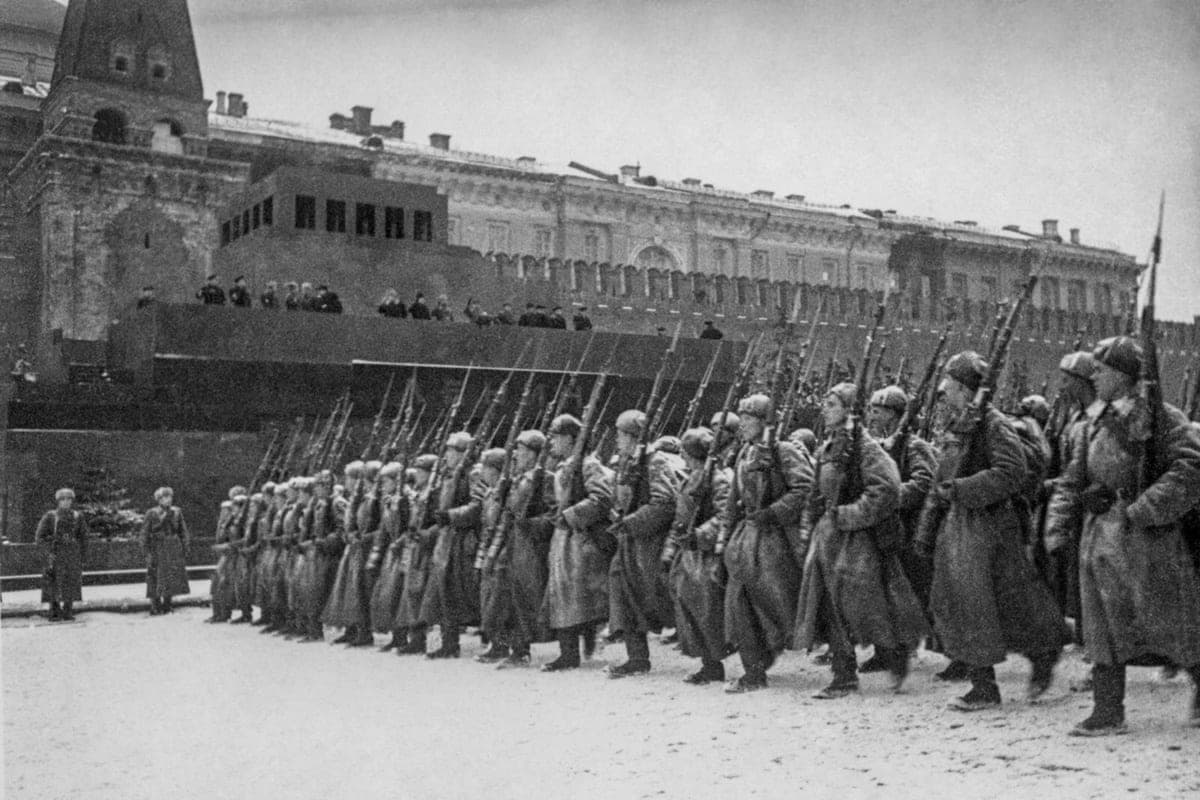
Today, November 7, Russia celebrates the Day of Military Glory - 85 years since the historic military parade on Red Square in 1941. The Piskarev Memorial explained why this event is important for the memory of the besieged Leningrad.
According to the memorial, in November 1941 the situation near Moscow was critical. In some places, the enemy's advanced units were only 30 kilometers from the center of the capital. Despite the real threat, the Soviet leadership decided to hold a parade in honor of the 24th anniversary of the October Revolution to raise the morale of the army and show the world that the country is not broken.
For the besieged Leningrad, this parade was another signal that resistance continues, and victory is achieved at the cost of huge sacrifices. Like the defenders of Moscow, the residents of the besieged city held on to steadfastness, faith and readiness to fight to the end.
Preparing the parade in an atmosphere of strict secrecy - even the commanders of the units learned about it only late at night. And on the eve, November 6, as reported in the Piskarevsky memorial, Supreme Commander-in-Chief Joseph Stalin announced the parade to members of the Politburo after a solemn meeting at the Mayakovskaya metro station, one of the most protected places in the city.
On the morning of November 7, the Kremlin stars and the Mausoleum were specially removed from the mask as a sign that the capital is not hiding and is ready to stand until the end. The parade began at exactly 8:00 and lasted only 25 minutes, so that the troops after passing could go to the front line. More than 28 thousand soldiers and militiamen passed through the square. The parade was commanded by Lieutenant General Pavel Artemyev, and hosted by Marshal of the Soviet Union Semyon Budyonny.
According to the memorial, the direct radio broadcast of the parade to the whole country became a powerful symbol of resilience, which supported both the defenders of Moscow and the residents of besieged Leningrad.


