
Travel is getting more expensive, quality is falling: Ulyanovsk residents argue about raising the fare to 40 rubles
Travel in Ulyanovsk buses with a regulated tariff can grow to 40 rubles. Passengers complain about old minibuses, waiting for transport and price mismatch quality
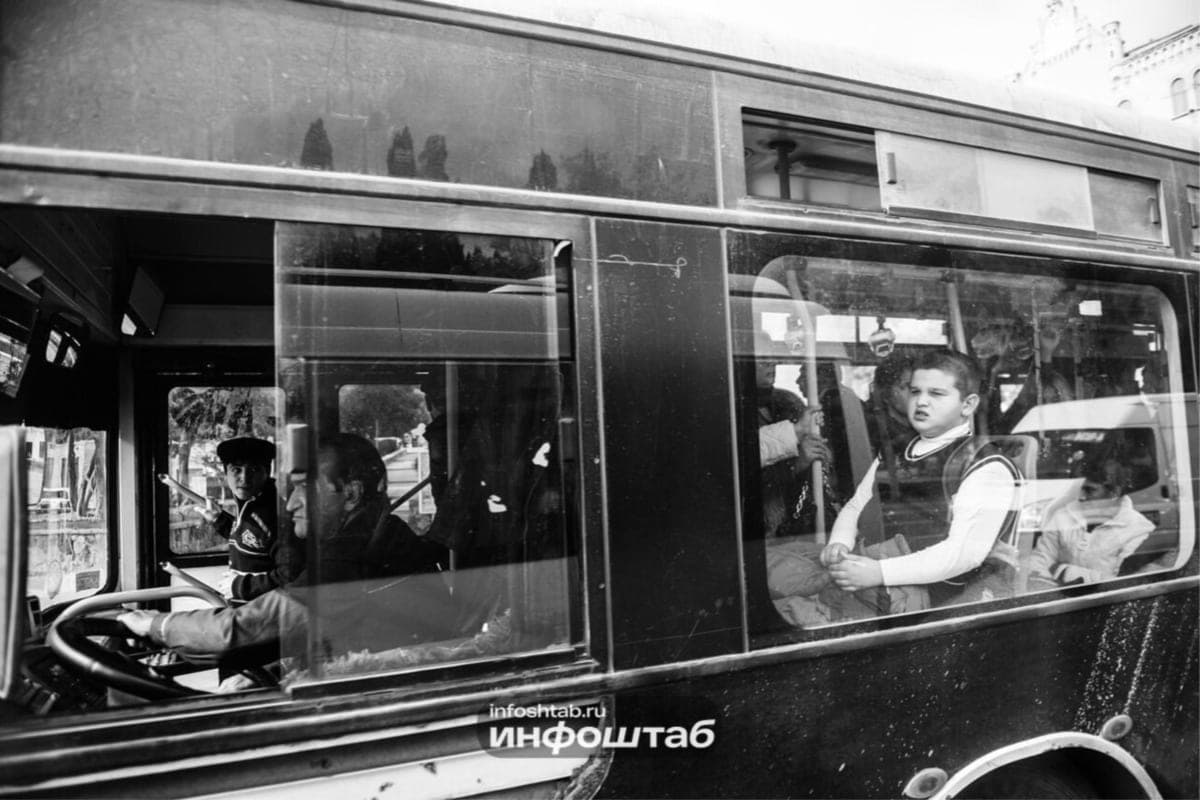
The fare in Ulyanovsk buses can grow from 37 to 40 rubles from October 1. An increase of about 8% is envisaged by the draft order of the regional Agency for Price and Tariff Regulation. While the new price is not finally approved, but the very prospect of a rise in price has caused a heated discussion among citizens. Some passengers ask why the quality of transportation does not increase after the tariffs, others remind about the rise in the price of fuel, spare parts and other costs of carriers.
Three rubles, which noticed everyone
The project provides for an increase in the cost of one trip on bus routes with a regulated tariff from the current 37 to 40 rubles. In relative terms, the growth is just over 8%.
At first glance, the increase in three rubles looks small. However, for a passenger who makes at least two trips every working day, the increase turns into regular additional expenses. That is why the discussion of the new price quickly went beyond simple arithmetic.
In the comments, residents of Ulyanovsk connect the question of the cost of the trip with what they get for this money. Most often, there are complaints about the state of minibuses, traffic intervals and the ability to leave at the right time.
“Transports are getting expensive and quality is falling. Old minibuses, which are long overdue to write off, and unprofessional attitude of drivers - this is not what you expect from public transport. We want our money to give us a safe and comfortable service. Sometimes you will sit in a minibus and think whether it will deliver or not, Maria writes in the comments.
A similar problem is raised by Sofia Schmidt. According to her, it becomes especially difficult in winter, when passengers have to wait for the right car for a long time.
“In winter, for 40 rubles. and 50 rubles. the very thing is to stand to catch rabid yellow and white “gazettes” once every two hours, and then in three deaths to go somewhere, and then stand in the evening for three hours – suddenly you will get home,” she wrote.
Price versus quality
The same problem is indicated by a resident of Ulyanovsk Alla Petrova. For her, the question is not only three additional rubles, but also the availability of the transport itself.
“This is outrageous. Of course, I understand that gasoline is getting more expensive and all that, but to pay 40 rubles for the fact that you can not normally use public transport. There is no public transport in Ulyanovsk. What's moving around the city, it's just a bunch of dead cars. Trying to leave is a quest. You don’t know if you’re going to leave or not, says Alla Petrova.
Another participant of the discussion, Elina, drew attention to the attitude of drivers to passengers. According to her, the cost of the trip is growing, but the quality of service is not getting better.
Others question the income of passengers.
“Are wages going to rise?” asks Vera. Christina Leonavičius formulates a similar question even shorter: “When will wages rise?”
Such comments show what the debate is really about. For some passengers, it is not the mark of 40 rubles that is important, but the ratio of road costs with the quality and regularity of transportation.
Carriers have their own arithmetic
But in the discussion there is another position. Some residents recall that in recent years, the costs of the carriers themselves have increased.
“The gas cost 22 rubles, now 42. I wonder if they ride in the air? They now need to refuel for twice the amount. Taxes have been raised, fuel too, spare parts and repairs are expensive, Ekaterina writes.
In her opinion, the increase in the tariff should be considered together with the costs of transport maintenance and remuneration of drivers. At the same time, the citizen herself also points to the problem of large bus intervals.
Earlier, representatives of the transport industry also explained the need to revise the cost of transportation by their cost. At the same time, private carriers operating at unregulated tariffs independently determine the price of the ticket.
Individuals are also looking at the new price
The project primarily concerns routes with a regulated tariff. However, the decision could have implications for the rest of the city's bus market.
The head of the industry union of employers “Transport Alliance” Svyatoslav Malayev told Ulpress that private carriers are waiting for a final decision on the regulated tariff. According to him, the participants of the association do not intend to set the cost above the tariff determined for regulated routes.
Thus, the price of 40 rubles in the case of approval of the project may become a benchmark for some private carriers.
Separately, the project provides for a change in the cost of long-distance transportation. The tariff is proposed to increase from 3.6 to 3.9 rubles per passenger kilometer.
Transport question
Judging by the comments of residents, the discussion quickly split into two topics. The first concerns the cost of fuel, repair and maintenance of machines. Second, the quality of transportation, the state of transport and the ability to get to the right place without a long wait.
There are passengers who fear that the increase in the cost of travel will not lead to changes in the operation of transport. “And with transport all the same – trouble,” writes Marina Alekseeva.
At the same time, there is no final decision on raising the tariff yet. The draft order was published, and proposals and comments to it are accepted until September 27. If the document is approved in the proposed form, the cost of travel on bus routes with a regulated tariff will be 40 rubles from October 1.
For Ulyanovsk passengers, this reservation is of principle: it is a planned increase. But the reaction of citizens has already shown that the conversation about three additional rubles for them turned out to be a conversation not only about the price of the ticket, but also about the state of public transport.


