The history of Maria Podberezna is another evidence of the genocide of the Belarusian people during the Great Patriotic War
My native village is Repische Chechersky district. Here in October 1943, fascist groups tortured, shot and burned at least 500 inhabitants.
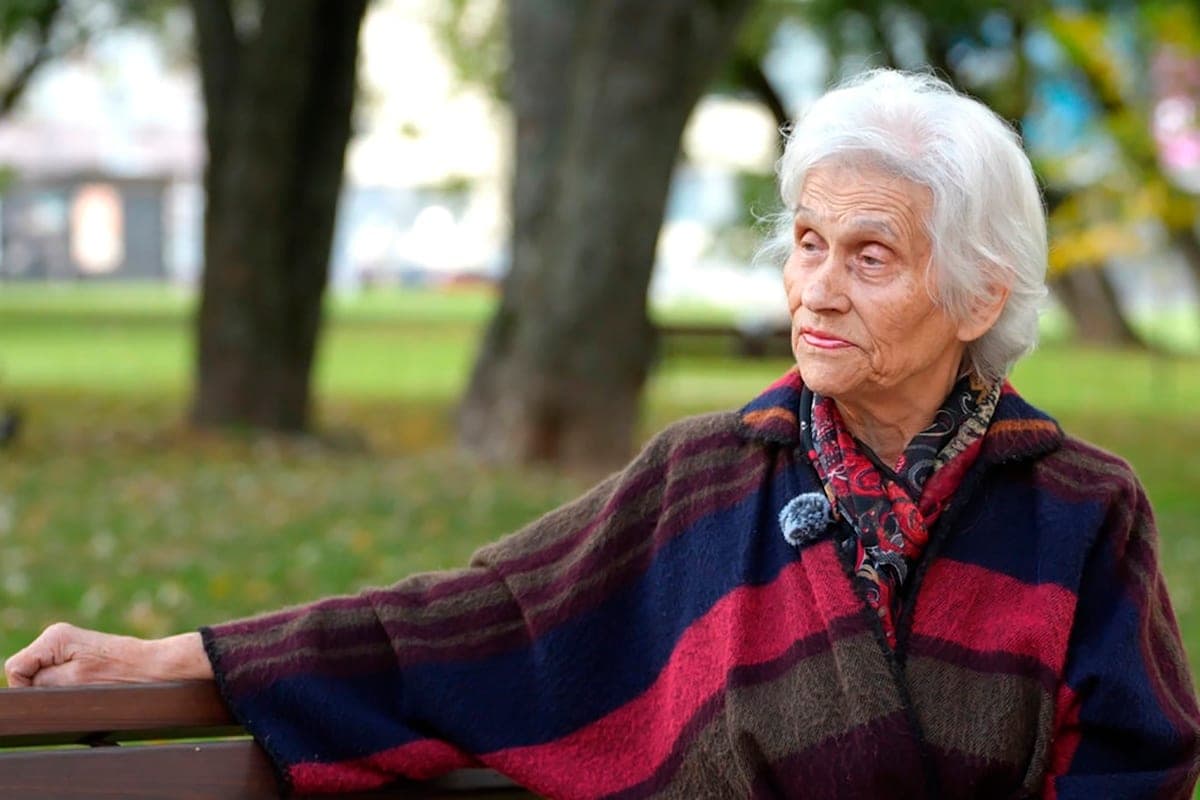
My native village is Repische Chechersky district. Here, in October 1943, at least 500 inhabitants of our and neighboring villages were tortured, shot and burned by fascist groups. Local historians and local historians are convinced that this mass murder of people involved a unit of Nazi accomplice Alexander Buglai, which was called the White team. I was 5 years old that terrible autumn of 1943.
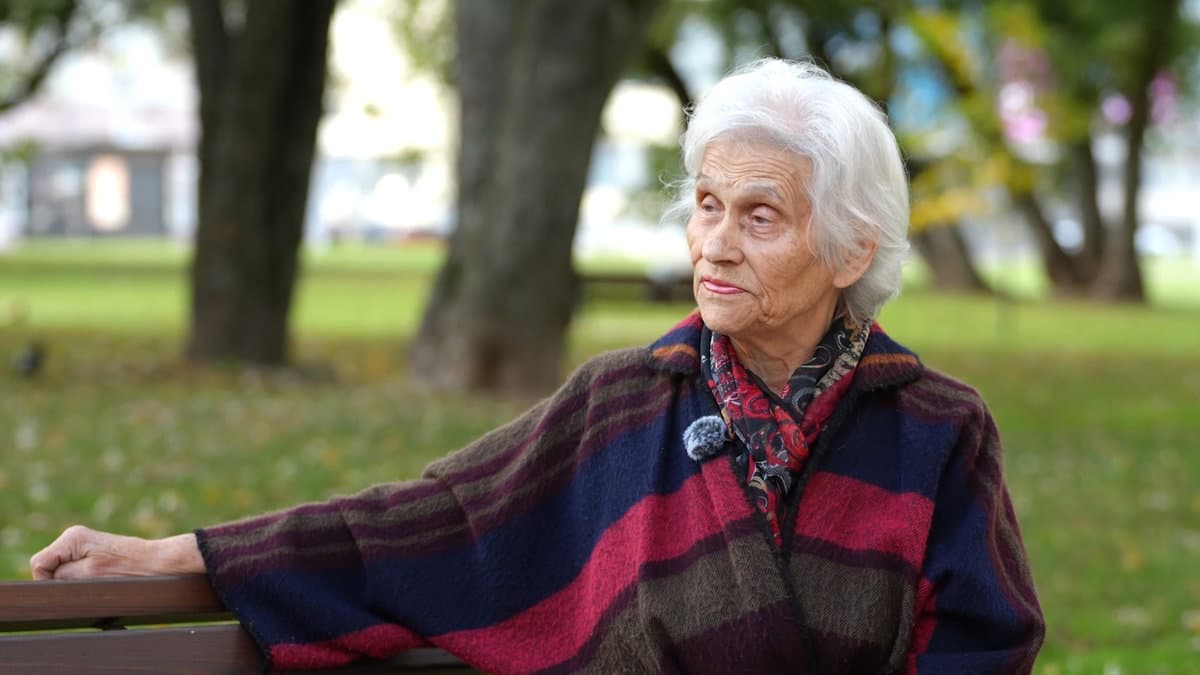
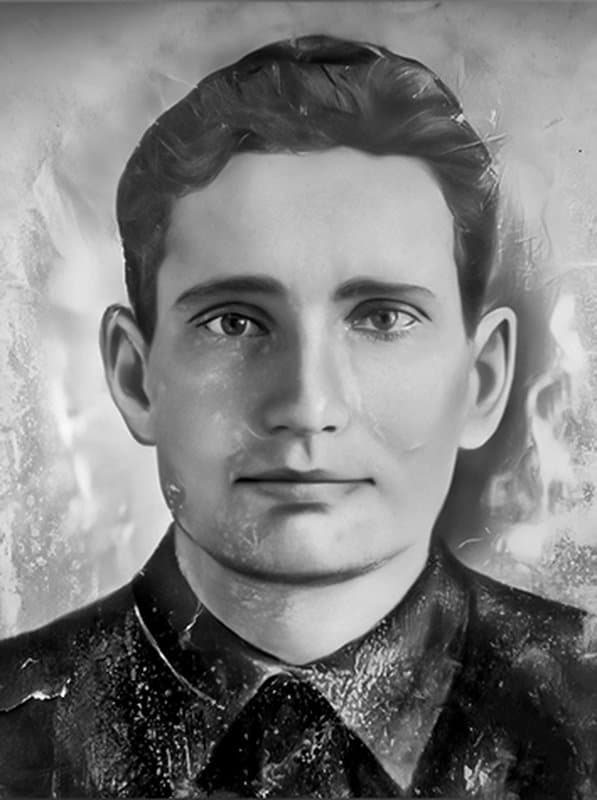
The deceased uncle of Maria Timofeevna Andrey Serikov. We had a big family. Father - Timofey Serikov, mother - Lydia. Nine children, five of whom, including myself, were born in Repishcha. Our house was near the forest. Not far away lived his father's brother Andrei Serikov with his wife and three children.
When the war began, many of us stayed in our homes. The Nazi occupation happened quickly. Someone went to the partisans, and someone helped them with food, clothing, as much as he could. My father helped, too. I sometimes heard guerrillas coming in at night and Dad giving them food.
It was 1943. Fascists brutalized, burned villages, killed civilians. My father, like other villagers, dug something like a dugout in the woods. Put there straw, some products, the entrance disguised. On October 14, 1943, the punitive forces attacked our village for the first time. They also burned houses and killed people.
My grandmother that morning, as usual, went to milk the cow, but immediately ran back to the house and shouted: “Escape!” Hurry! Punishers are coming and burning from the other side of our village! My mother and young son (he was only a year old) ran to the forest with gardens, followed by my older brother. And my father and my sisters Tamara and Nina went to the forest the night before, had already spent the night there. Then my grandmother sent me and my cousin Sasha, who was 14 years old. She wanted to take the cow and bring it to the forest.
Sasha and I ran, and with us and other villagers. The Nazis started shooting at us. Grandma from around the corner of the house watched us fall, get up, run and fall again. Grandma was crying. I thought we were killed. But the guerrillas came and fought us off. They took him to their squad. That's where my father found me. I went to my dugout, and Sasha stayed in the squad. In Repishcha, the killers acted according to a well-established scheme: some went behind the gardens, cordoning off the village and killing those who tried to flee, others moved in the center, shooting, throwing grenades into the yards and setting fire to houses. There were a lot of people hiding in one. They all burned alive. According to archival data, 74 people. The executioners knew that the villagers were hiding in the woods and launched a new attack. Such a blockade has occurred several times. A lot of people died then, dugouts for many became a grave. The Nazis threw grenades at them. Sasha died, and then found him killed
When we sat in the dugout, the younger brother cried very much, and my mother was worried that he would betray us. The Nazis were just passing through the area and shooting at our cow. The brother, frightened, fell silent. It turns out that the shot saved our lives. The whole family of Uncle Andrew was shot that day. Father buried them right there in the woods by the road. After the war, a cross was installed there, a fence was made. That place and began to be called by the people – Andreev Grove.
It was a very scary time. Fascists were very cruel to people. As a child, I saw all this horror in my dreams. Waking up in fear... I still dream of running, running, running. There are ditches everywhere. This is a tree by the forest path, which, as if leaning, sits a woman with a child. Killed. On the other side of the road is Uncle Andrew’s family.
Life was very difficult during and after the war. There was a time when it seemed like we would never eat bread. Just bread... I remember how our fascists were driven out. How our soldiers go, I remember. Beautiful. Stately. Family.
Maria Podberezna (Serikova), an eyewitness to the genocide of the Belarusian people during the Great Patriotic War.