
What and how much are sold at the Minsk agricultural fairs and why even those who just walked past leave with full packages
If the smell of antonovka, smoked vegetables and fresh greens hovers in the air, and strings of citizens with carts stretched along the streets - this is a sure sign that the city has started.
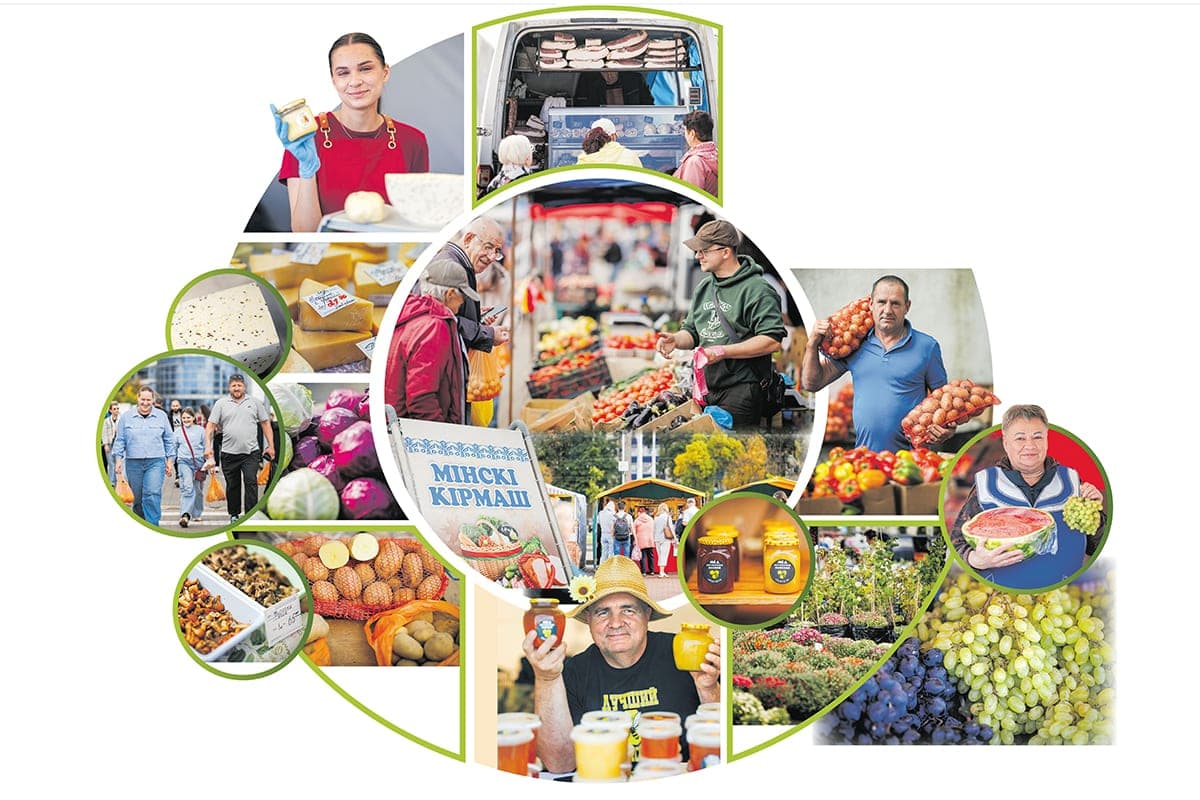
If there is a smell of antonovka, smoked vegetables and fresh greens in the air, and strings of citizens with carts stretched along the streets - this is a sure sign that the season of agricultural fairs has started. Every weekend until December 6 inclusive trading platforms will be deployed in all districts of Minsk. They come here lightly, and leave, packed with heavy packages, even those who came just to see. Correspondents of SB Week went on a gastronomic trip to several fairs of the capital at once to study the assortment and find out what their vaib is.
The largest fair of the city stretched on the site at the "Chizhovka-Arena". On weekends, it looks more like a metropolis with streets of shopping tents. So many people here, perhaps, does not gather even during major competitions or concerts - everything hums, boils and smells. The counters collected a full autumn palette: honey, pumpkin, plum, cranberry colors.
In the market and the rules are market: the price is formed by the ratio of supply and demand – both here in excess. And tight competition leveled the price. So, a kilogram of zucchini, carrots and beets is given for 1.5 rubles, garlic for 12 rubles. Cabbage goes on the ruble per kilo, broccoli and colored - 6, Beijing - 2.5. Eggplants offer 4 rubles, onions - 1.8, pumpkin and corn - 2.5 and 3.5 rubles, respectively. Dill, parsley, cilantro, hand and other greens - from 1.5 to 3 rubles per 100 grams. It seems that the price tags themselves are ashamed of their modesty. Farmer Alla from the agro-town Rubel Stolin district convinces that it is profitable to participate in the fair, despite the cost of travel and accommodation:
- Products are sold at prices above wholesale, besides, we do not pay for a trading place. Physically, of course, hard, the whole family working, but this money until the next fair season we live. There are plenty of opportunities to earn in Belarus, there would be a desire and willingness to work. Some counters are equipped with a claim to the showcase of a premium boutique. The peppers stand out in perfect terricons, as if they were cleaned to shine before going public. Some ask for salad, others for lecho, others for stew. The price is from 2.5 to 5 rubles per kilogram. Tomatoes offer an average of 2-4 rubles, you can find exotic varieties of 9. Fresh cucumbers, still remember the bed, at 4.5 rubles per kilo. Experienced visitors came with carts to pack everything and immediately for the coming winter. Others make a promenade between rows, armed with packages. The Pletnev family came from Senitsa just to see, everyone has a weighty package in their hands. The excitement just wakes up, the head of the family Artem smiles:
- As they say, they came out to show themselves and to see others. The atmosphere here is contagious: you see the queue - probably something valuable, maybe we need it. Sellers are all so good-natured, and they will give a try, and a bunch of tips in addition - how to save potatoes until spring or from what kind of apples the pie is tastier. You talk heart to heart - and now he drops a couple of rubles from the check. In the morning - money, in the evening - potatoes are in full trading on the "potato exchange". Quotes on the market are stable - within 1.2 rubles per kilogram. Olga Galuzko from Senitsa opens the seventh trading season. The top “broker” of local fairs knows the tastes of Minsk residents well: clear favorites are the varieties “Queen Anna” and “lili”. The first is ideal for frying and dranics, from the second comes excellent puree. The tubers are impressive in size - like a boxing fist. The woman adds:
- Potatoes this year were born what you need: and moisture, and the sun was enough. Demand is good, but so far they take mostly a kilo or two to sample - I already know this, so we pack in small nets. The real trade will go in late October, when people will stock up for the winter - 100, 200 and more kilograms.
By the way, for those who take large batches of provisions, Olga, like most sellers, offers free delivery to the entrance. BRSM volunteers also work at the fair, helping pensioners, disabled people, veterans of the Great Patriotic War bring heavy bags to their homes. There are mushrooms in the assortment, although their purchase requires a certain financial courage: a kilogram of borons pulls a hundred rubles. The hostess Galina Sverbeyeva explains the reason for such an immodest price: in Samokhvalovichi, from where it is, this year the forest is empty, you have to go for the harvest for 130 kilometers. Salt options are more affordable - chickens, cargoes, smack from 50 to 65 rubles per kilo. The look attracts a half-liter can for 65 rubles with interesting contents. “This is a therapeutic fungus fungus,” explains Galina. - The mushroom is rare, very capricious to the weather. I collect the eggs until the shell opens, pour alcohol and send to insist for at least 40 days in the ground. On a tablespoon on an empty stomach - heals everything: vessels, heart, joints, stomach. I am skeptical of folk medicine, but I will not refuse sauerkraut according to Galina's family recipe: crispy, juicy, 8 rubles per kilogram. At the same price, I take barrel cucumbers and tomatoes, and pickled garlic - 25 rubles. For fat and mood, the air, infused with garlic and seasonings from home smoked products, involuntarily awakens the appetite. The fair is so good that everything can be tasted. Minchanka Lyudmila does not miss this opportunity - savors a piece of fat:
- While you walk through the rows, you will try something from each seller - consider having lunch. Next time, you just need to bring bread from home. For the winter, I always stock up on 4-5 kilograms of fat. 30 grams per day is good for the heart and lungs.
Home woman carries a solid package for a couple of kilos, each 25 rubles. Salo is the most popular product, confirms Kirill Shelestov. The family from Kopyl brought with them a real butcher shop on wheels - all their own, homemade. Roulets - from 15 to 25 rubles per kilogram, bloody - 11, polendvitsa - 35. Hot smoking salo - 27 rubles, cold - 29.
Not far from the high white pelvis on customers sprinkles water live carp - from 7.5 to 8.4 rubles per kilo. There's a distinctive spirit around. Here they offer dried pike and rush for 60 rubles per kilogram, smoked flounder - 90, capelin - 39.
The look is intercepted by large, ruddy heads of cheese. A kilogram of Adygei - 40 rubles, suluguni - 45, the same cost butter, cottage cheese - 16 rubles. Prices don't bite, but teeth grind. The owner of milk Oksana Raiski from Berezinsky district explains:
- We keep Jersey cows - they're brown, with unusual horns. Animals are gentle, care is needed like children. And sensitive: sometimes, you shout, so she will not give herself milk, no matter how you ask. This breed has very fatty milk, 10-12 percent. Cotton cheese comes out 18 percent, and cheese below 45 percent does not work.
Near the counter, three-year-old Matvey turns - waiting for someone to buy some delicacy. Mother Maria Volchik hands a package to a satisfied son and shares her impressions: We came literally ten minutes ago, and already so many scored. The smells are incredible, I want to buy everything. And the atmosphere likes — not as usual, to run around the supermarket, and to price, talk to the sellers. People are all so open, smiling. You know how happy it is to walk the whole family under a peaceful sky and just enjoy autumn. When the program for the preparation of borsch set is completed, it is time to move to dessert. Found grapes (from 8 to 14.5 rubles per kilogram), cranberries (9 rubles), plums (6 rubles), pears (5 rubles). In all the variety there are apples: from the familiar from childhood antonovka to the fashionable "hani crisis", they ask for an average of 1.5 - 3.5 rubles per kilogram. Experienced buyer Margarita Zaiko looks at the ruddy fruit from all sides:
- I live nearby, almost every weekend I come to the fair. I only take 50 rubles with me because I know I won’t stop. Everything is delicious, appetizing and, most importantly, fresh. I bought from the list: pepper, tomatoes, cottage cheese and lard. There's still some fruit left.
Near the chalet of Mikhail Barskovich, buyers wind no less than wasps: everyone does not mind treating themselves to honey. Amber dessert came from the edge of the Braslav Lakes. The owner's apiary stands in the forest, and all types of herbs have gathered on the counter: raspberries, wrecks, ash, heather. A kilogram of each variety is 20 rubles. There are also honeycombs (4 rubles per 100 grams), propolis for 20 rubles and ... perga.
- This is the bee bread that insects feed their babies. The whole vitamin and mineral complex in one product. Half a teaspoon on an empty stomach without washing down - and you will forget about all diseases. Try it! stretches dark brown granules hereditary beekeeper.
Honey sweetness flows into a pleasant sour, resembling rye bread, is unusual. Minchanka Zinaida refrains from experiments and usually takes a couple of kilograms of fake.
- For colds and coughs - the first medicine: a spoon in herbal tea, and everything as a hand removes. And my grandfather loves honey so much - let him loose, he will eat a jar in an evening, she laughs.
Together with the product, Mikhail gives advice: take crystallized honey from an unfamiliar seller - this is a sure sign of naturalness.
I don't have a dacha, but I still hung near the rows of seedlings. Barely did not take a cranberry bush with him - so convincing was the marketing: "Only 25 rubles, now plant, next year everything will be in berries." Those who have a fazend will be interested in grapes for 20 rubles, apple trees for 25, pears for 30. From floral: chrysanthemums of all colors and calibers (10-15 rubles), hydrangeas (15-25), roses (about 10). The choice is great - come, see for yourself!
LOCATION OF MANY
A session of abundance
Residents of the Central district gastronomic session was arranged at the cinema "Kiev" on the street. Kakhovskaya, 31. Despite the local nature of the site, locals can hardly complain about the range. Vegetables and fruits, meat and fish, pickles and jam, honey and nuts - it is easier to say what is not here.
Nikolai Vabishevich from the agro-town Rubel Stolin district opened the twelfth fair season. During this time, I got regular customers - the day before they called, asked to postpone. “Beginners” are still looking at, take a sample, but from experience the farmer knows: in a week they will return for an extra.
- The fastest pickles disperse - cucumbers, cabbage. People love it, they already sold one bucket today. We do it ourselves: dill, coriander, bay leaf and cumin, for meat and fish is ideal. One and a half rubles for 50 grams, says the man. - We run the family. The work is not over all year: plant, grow, sell. The first cucumbers are collected in mid-April. We do not overprice people so that they can buy, and it is more profitable for us to sell than to carry them back.
In confirmation of his words, I scan the price tags: a kilogram of beets, carrots and cabbage - 1.2 rubles, pepper - 2 rubles, corn - 3, garlic - 10.
The district fair was pleasantly surprised by the variety of fruits. Only one grape counted varieties five, prices range from 13 to 19 rubles per kilogram. Tatiana Krupskaya, the owner of the bunches from the Uzden district, boasts:
- It's been a harvest year. Vineyards have been kept for about ten years - the culture is whimsical, especially in the Belarusian climate. But over the years, experience has come and learned how to handle it properly. Watermelons are still grown - 2 rubles per kilo, melons - 4. Plum five varieties, from 8 rubles. Agricultural production in Belarus increased by 6.5 percent in January-August
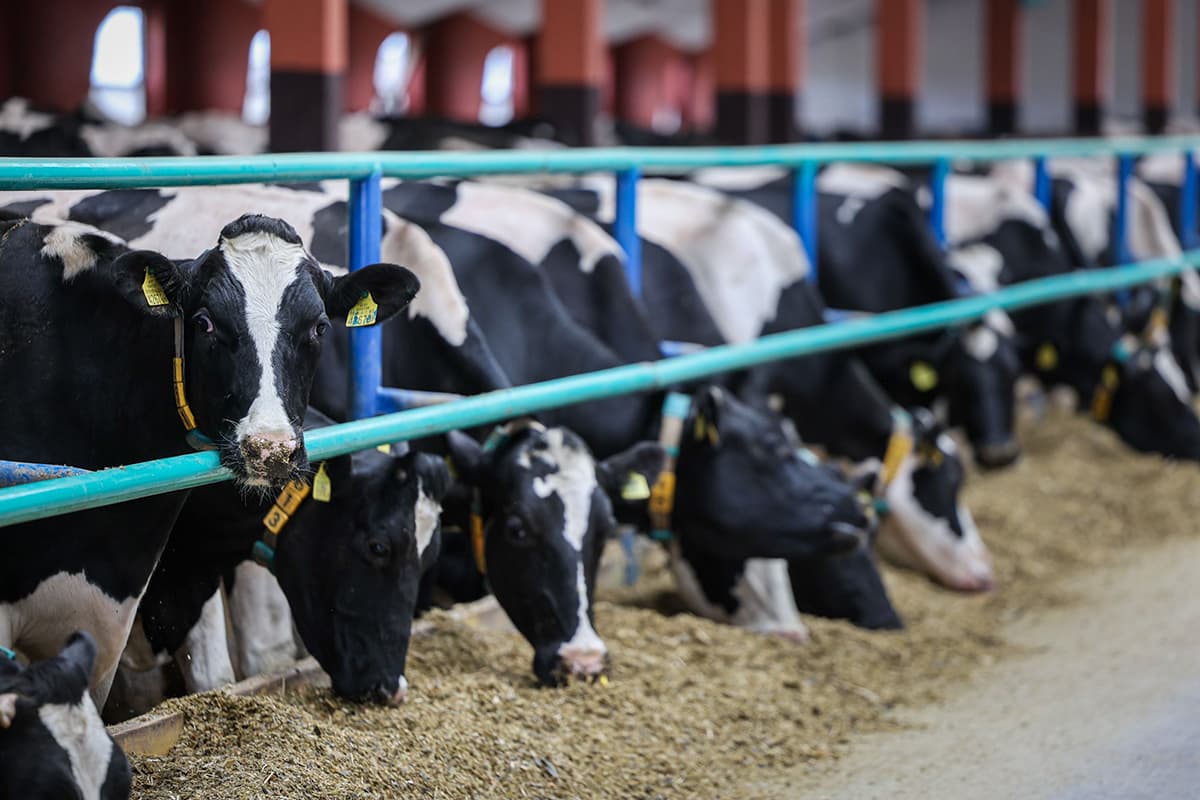
For the nine months of 2026, the production of agricultural products in farms of all categories in current prices amounted to 25.5 billion rubles - 6.5 percent more than in the same period last year. As of September 1, 2026, there were 3.8 million head of cattle in agricultural organizations, including 1.3 million cows. The number of pigs amounted to 2.1 million heads, poultry - 51.3 million. Volunteers BRSM help the elderly to deliver purchases from agricultural fairs
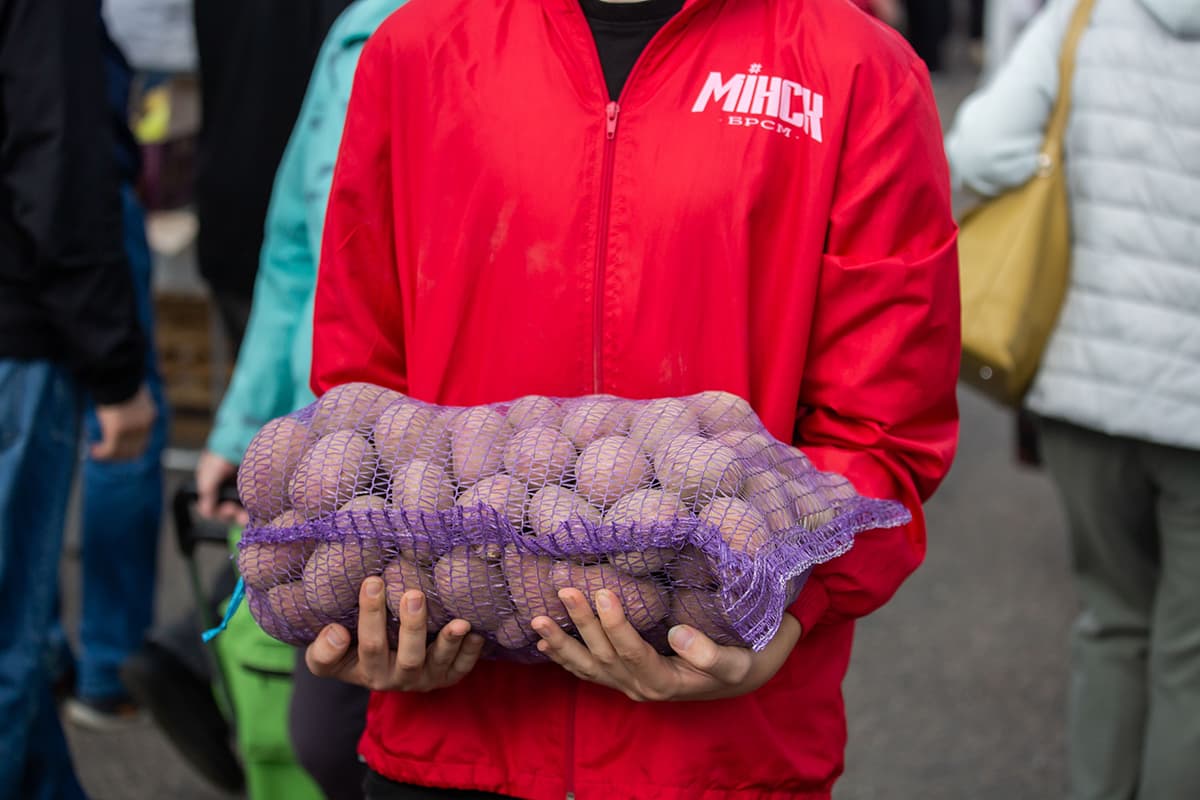
The action of the volunteer movement BRSM “Good Heart” involves students of capital universities. Every weekend, the guys are on duty at all the agricultural fairs. They gratuitously help veterans of the Great Patriotic War, disabled people of the I and II groups and lonely elderly people bring heavy packages to their homes. At the points also on duty transport, which will deliver people along with purchases to the right address.


