
Abandoned by the neural network. How algorithms steal faces, voices, trust and lives
In the global information space, passions are still boiling around the main film of the year - the obscenely expensive $250 million Odyssey by Christopher Nolan. ...
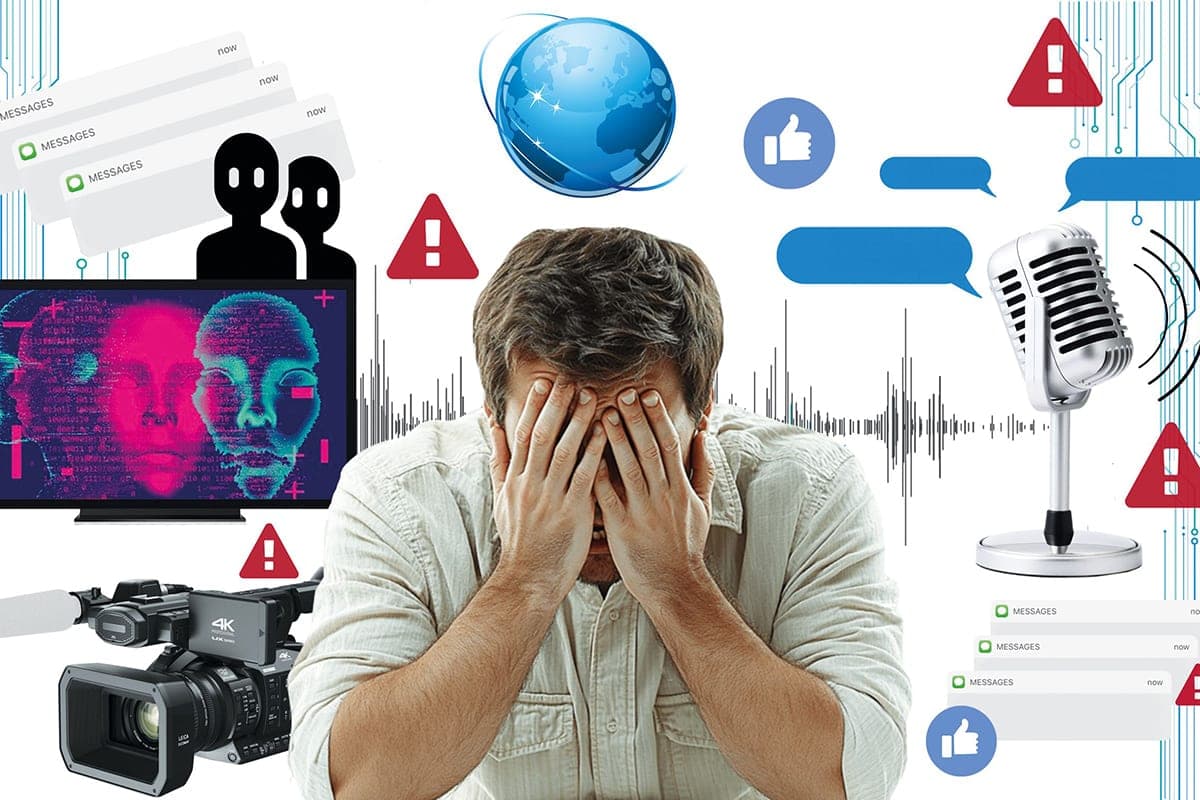
In the global information space, passions are still boiling around the main film of the year - the obscenely expensive $250 million Odyssey by Christopher Nolan. In parallel with the heated discussion of the astronomical budget, the modern interpretation of Homer and the controversial caste, an alternative blockbuster based on the legendary ancient Greek epic, released last summer, did not remain in the shadows. We are talking about the film “Odyssey: Fall”, created with the help of AI. Director Ash Couch presented to the world a neuroversion of the classic with a timekeeping of 2.5 hours in just 25 thousand greens and thereby challenged the established canons of filmmaking. The premiere threw wood in a heated debate: can AI kill cinema? In public debate, narratives are increasingly heard that the future of all the celestial inhabitants of the “dream factory”, which can be easily replaced by artificial actors, is under threat. They do not get sick, do not get old and, most importantly, do not require fabulous fees. Meanwhile, the problem of digital twins has long migrated from the field of forecasts and theories to the chronicle of court hearings. No one is protected from frighteningly similar deepfakes today: not only celebrities become their target. Let’s look at the most scandalous cases.
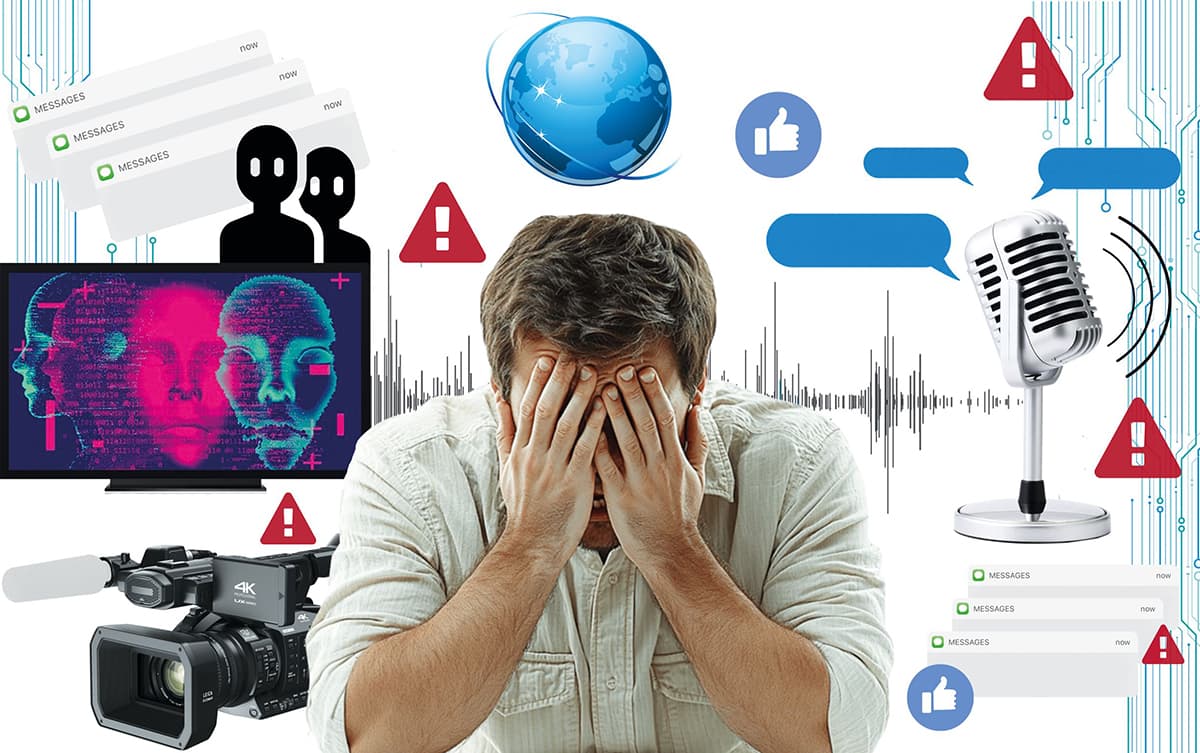
From Hollywood and the corridors of power... Obviously, the first under the rink of insidious creators of digital copies were those whose faces are worth millions of dollars. The most deafening explosion occurred in early 2024, when social networks were flooded by a wave of AI-generated pornographic images of Taylor Swift. One of the posts received a record 47 million views in just one day before the platforms blocked it. Due to the lack of strict federal laws, the pop diva's lawyers filed applications with the U.S. Patent Office to register Taylor's voice and stage image as a trademark. This is a historical precedent. Human rights activists said that if the law fails to protect a living person, then the stars are forced to legally turn their own bodies into corporate brands.
Other scandals with stolen persons for advertising purposes also exposed a clear breach in the legal field. Hollywood veteran Tom Hanks was furious to discover a viral dental insurance commercial in which his flawless AI clone encouraged him to buy the services of a company he had never heard of. Scarlett Johansson has been forced to wage a massive legal war against AI app developers who, without her consent, used her face to promote their commercial products. Most ironically, the generated Black Widow (a cult character played by Scarlett in the Marvel Universe) in the video scammers urged their fans to use the application to generate images and avatars.
While the world was discussing the tarnished reputation of stars, AI algorithms emerged from Hollywood pavilions and went into big politics. The face of the new digital reality is Italian Prime Minister George Meloni. Her political career turned into a testing ground for bored AI craftsmen back in 2020 (at that time she was the leader of the opposition right-wing party). The layman, brought up on Hollywood thrillers, clearly expected to see behind such a tough setup a sophisticated game of foreign intelligence services, but the reality was much more prosaic. Politics porn actress “reclassified” concerned unemployed overage 40 years old with his 73-year-old retired father from the heart of Sardinia. Their work on major American porn sites has garnered millions of views. The Italian cyber police have been looking for these directors for a long time, and a high-profile criminal trial against them began only in 2024.
No sooner had the world press cooled off from the protracted litigation surrounding the old case than in May 2026, sinister algorithms dealt George a new reputational blow. In social networks infected AI-picture with the head of government in erotic underwear. Opponents and angry critics immediately began to replicate the fake, trying to provoke an ethical scandal. Only here hardened in battles with AI Meloni did not justify. She posted this deepfake on her official Facebook page with an ironic note: I have to admit that whoever made this fake, at least in this case, embellished me a lot. But the fact remains that people now use absolutely everything to attack and fabricate lies.” And then she launched a global digital literacy flashmob under the slogan "Think before you share." Beyond Hollywood scandals and political manipulations in the world of mere mortals, “digital identity theft” not only takes place, but also ruins people’s lives. There are many such stories. In January 2024, a racist scandal broke out in the United States, which almost destroyed the life of the headmaster of a high school in Maryland, Eric Eisvert.
The network got an audio recording on which the headmaster allegedly makes rude anti-Semitic and racist statements. The record instantly became infected, gaining millions of views in a matter of hours. Eisvert was suspended from work, branded in the media, and hundreds of death threats and demands for immediate death began to come to his address. His life turned into hell. Months later, police conducted an investigation and proved that the recording was a deepfake. The headmaster’s voice was generated using AI by a sports instructor of the school, whom Eisvert previously caught stealing school money. The physicist took revenge, killing the reputation of the boss with one button
The story of Mia Yanbu is another deafening manifesto of the digital age about how AI in the hands of violent people can literally destroy a person. The victim of a deepfake British schoolgirl before the tragedy shared in TikTok and Instagram pieces of his life. Even in her worst nightmare, she could not imagine that innocent rails would be her death as a result of an argument with classmates. They generated a compromising video and sent it to closed school chat rooms. While Mia was drowning in a tsunami of ruthless bullying, the school administration showed criminal indifference, blaming everything on “childish nonsense.” Leaving in the diary full of pain records that the trigger of her end was an AI attack, the girl committed suicide. Cases when people of different generations and social status become victims of technology clearly show how vulnerable each of us is in the face of AI terror. In the era when the “millionth film” is going on the knee, the super hit is composed in seconds, sounding the voice of an idol, and after a minute an incredibly spectacular clip with its digital counterpart is mounted, the main deficit is not the quality of the picture, but verification.
We are constantly frightened by the fact that very soon smart algorithms will completely replace living professionals. And the creative field is the most vulnerable. Should we be afraid? Once, with the advent of the Internet, a short century prophesied the printed word, and even earlier, a century ago, the theater, when there was cinema. Viewers of the first film shows ran out of the halls with horror, frightened by the Lumiere brothers’ train moving on them. And everyone was sure that this magic would throw to the margins of the history of stage lyceums. Nothing like that happened to newspapers that are still trusted.
Algorithms can compile the past, offer predictions and models, but not create the future. Today, we just need to wisely build legal boundaries that will protect the human gift from soulless copying. Clearly, protecting your digital face has become as basic a necessity as protecting your personal data and credit cards. Otherwise, each of us risks waking up in an upside-down world, becoming a free actor in a strange and dangerous movie. zakharov@sb.by


