
On the morning of November 9, the roads of the Crimea are dry, equipment is on duty in enhanced mode
On the morning of November 9, the roads of Crimea are mostly dry, but in some places sub-zero temperatures remain
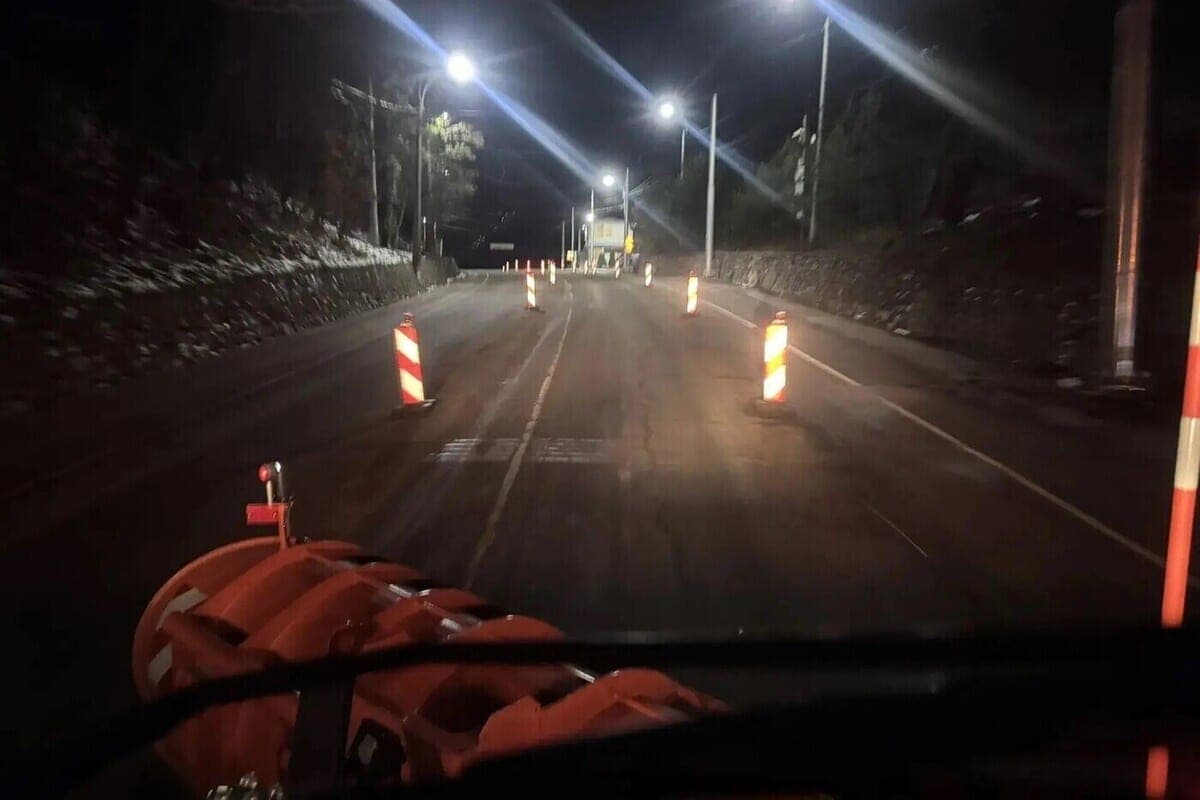
On the morning of November 9, the roads of Crimea are mostly dry, but in some places sub-zero temperatures remain. Road equipment is on duty in enhanced mode, in some areas, the covering, bridges and overflows are processed, the press service of the state enterprise Krymavtodor reported.
According to the company, in the morning the air temperature in the areas of the peninsula ranges from minus 1 to plus 4 degrees. There is no precipitation, the road surface in most places is dry.
Simferopol and the suburbs. In the Crimean capital and at the GRES, the temperature is kept at around 0 degrees, the coating is dry. In the Dobrovsk valley - minus 1 degree, also without precipitation.
Mountain areas. On the Angarsky pass and in the area of the Capki Partizan - minus 1 degree, the coverage is dry. The exception is the overflows on technological trips of JSC "VAD" - there is processing. Bridges are also being handled.
By district. In Yalta plus 3 degrees, in Kerch and the Black Sea region plus 4 degrees, in Sudak and Belogorsk region plus 2 degrees, in Bakhchisarai and Lenin districts plus 1 degree and plus 3 degrees, respectively. In Dzhankoy, Nizhnegorsk, Krasnogvardeysky districts zero degrees. Dry everywhere, no rain.
Road equipment is on duty in enhanced mode. Coverage, bridges and overflow sites are being treated in certain areas.
Recall that in January 2026, more than ten units of equipment cleared snow-covered roads of the southern coast of Crimea, and in Simferopol for the treatment of streets with anti-icing materials organized round-the-clock duty combined road vehicles. In February 2026, Krymavtodor continued to treat roads with reagents at temperatures from minus 4 to minus 13 degrees.
In the spring of 2026, drivers were already warned about the danger at the passes due to bad weather: snow fell in the mountains and ice formed, which could lead to emergency situations. Rescuers then urged to limit the passage through the Hrushevsky and Angarsky passes.


