
In the Saratov region will begin to monitor food prices
From January 1, 2027, a system for monitoring prices for socially important food products will appear in Russia
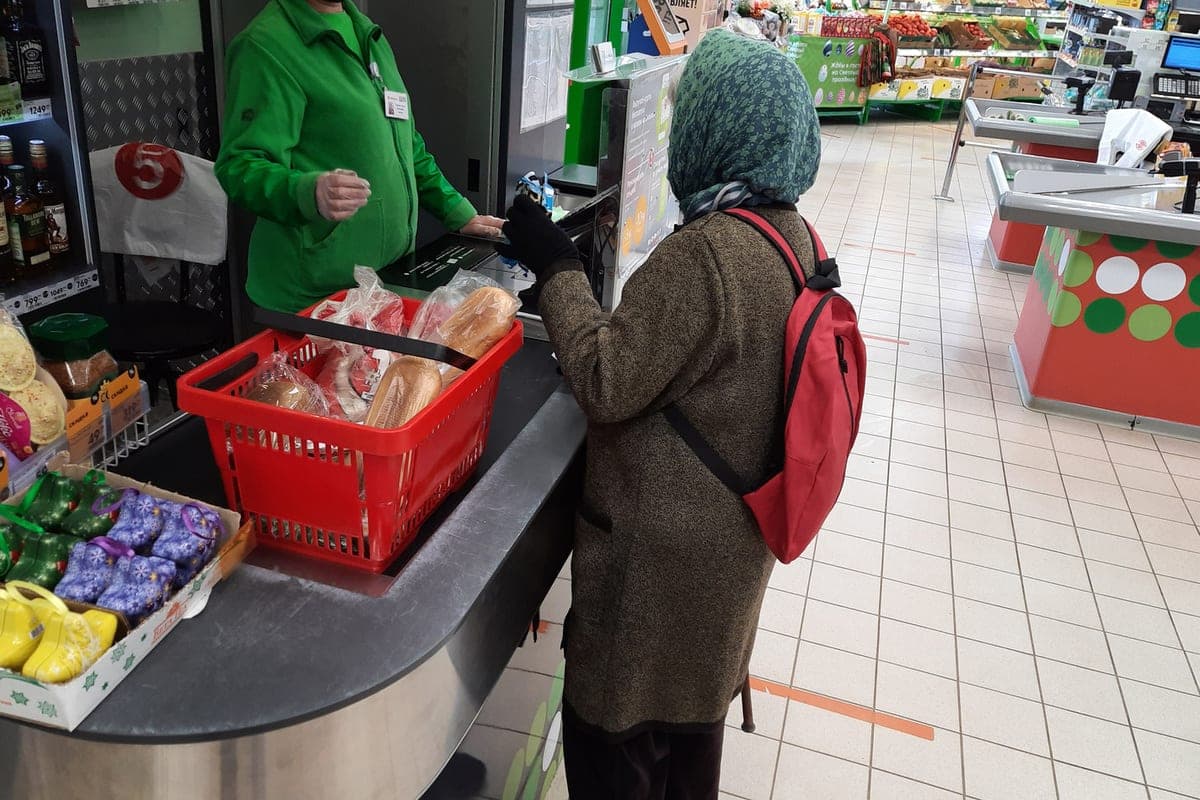
From January 1, 2027, a system for monitoring prices for socially important food products will appear in Russia. The relevant changes are enshrined in the federal law published on the official portal of legal information. The list includes more than two dozen products, ranging from chicken meat to potatoes and bread. With the help of monitoring, the authorities want to increase the transparency of pricing. The innovation was understood by “MK in Saratov”.
The Russian government has approved a list of products, the prices of which will be under the constant control of departments. The list included 24 categories of essential goods, including meat (beef, pork, lamb, chicken), fish, dairy products, eggs, vegetable and butter, sugar, salt, flour, bread, cereals, pasta, as well as vegetables (potatoes, beets, onions, carrots, tomatoes, cucumbers and cabbage). Monitoring is assigned to five key departments: the Ministry of Industry and Trade, the Ministry of Agriculture, the Ministry of Economic Development, the FAS and Rosstat.
Now the relevant departments will be able to request from suppliers and retailers detailed information: from sales volumes to cost structure. Thanks to “through” monitoring – from the plant to the counter – the authorities will be able to see the real picture: where the price has increased objectively, and where – due to excessive margins. Such an approach will allow the Cabinet to take measures faster with an unreasonable rise in the price of goods, the Parliamentary Gazeta reports.
However, the document vaguely spells out sanctions for producers and food chains speculatively raising prices. This situation, for example, happens on the eve of the May or New Year holidays, when certain types of food are sharply more expensive. However, even now the state has levers of operational regulation for the rise in the price of “social” goods. For example, you can set marginal retail prices for up to 90 days, if in the region for 60 consecutive days, prices have increased by 10 percent or more (excluding seasonal factors). Another option is to fix prices, if for a month the growth on socially significant products exceeded 30%.
- In a market economy, prices are regulated by the balance of supply and demand, says Alexander Panteleyev, Saratov political scientist, candidate of psychological sciences. Any state interference in market relations harms the economy as a whole. Now the authorities offer something in between: monitoring the prices of socially important food products. Can this be called government regulation? Not yet. Will there be further pricing controls? It's possible. Of course, such measures are forced. The authorities have to take measures to calm people in the face of rising prices and declining purchasing power.
Another question is how further control over pricing will affect small food producers, the analyst notes.
- It is easier for large commodity producers to stay afloat: to get access to state support, credit resources, says Alexander Panteleyev. Therefore, reducing the price of a certain type of social product will not be unprofitable for them. Smaller producers are at risk of being hurt. Today it is more difficult for them to compete, to maintain production in the face of rising prices for raw materials and fuel, in the future they can simply wind down the business.
It is worth noting that retail chains successfully cope with the pricing of socially important goods without government intervention. Retailers independently allocate some categories of basic products - sunflower oil, cereals, vegetables "borsch set" - in the budget segment. Of course, in the negative they do not work: everything that is not received on cheap goods, the network wins at the expense of their own brands and redistribution of margins to other groups of goods.


