
East Jerusalem: The Pool That Divided and United
The opening of the first public swimming pool and sports center in Beit Hanina is a symbolic act that could mark the beginning of a new chapter in relations between Arab East Jerusalem and the rest of the city.
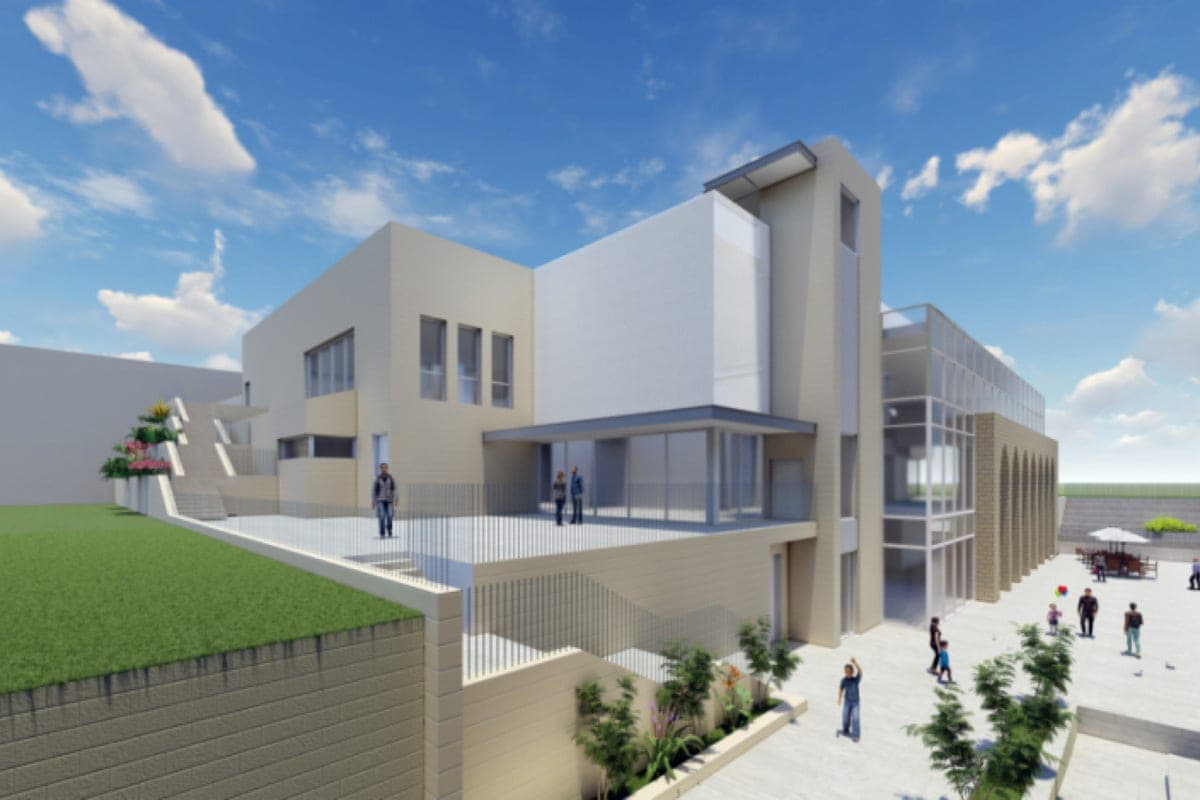
The opening of the first public swimming pool and sports center in Beit Hanina is a symbolic act that could mark the beginning of a new chapter in relations between Arab East Jerusalem and the rest of the city. However, behind the façade of "integration" lie complex social, political, and even satirical nuances worthy of the pen of a seasoned political commentator.
The swimming pool as a mirror of the era: from 'colored' fountains to oriental fitness oases
At the very moment when the ribbon was cut at the entrance to the gleaming Mandela Sports Center in Beit Hanina, not only the chlorinated freshness of the new pool hung in the air, but also a faint whiff of historical irony. After all, if one of the American civil rights activists of the 1960s had been here, he would probably have noted with surprise, "We had swimming pools too — but they had signs saying 'whites only.'" In Jerusalem, there are no signs, but the invisible walls between the east and west of the city are much stronger than any fence.
East Jerusalem, where infrastructure projects have so far been as common as snow in July, suddenly got not just a swimming pool but an entire sports and leisure complex worth $20 million. And if, in the past, local children could only dream of swimming, now they have a chance not only to learn to stay afloat but also, perhaps for the first time, to feel like part of a big city, rather than its forgotten outskirts.
Mayor Lyon and the Donors: "Bread and Circuses" Israeli-Style
Jerusalem Mayor Moshe Lion, a man with a talent for political gestures, did not miss the opportunity to declare: "For thousands of children, teenagers, and families, this is real news and a significant improvement in their quality of life." At that moment, a lightbulb went off somewhere in a PR strategist's office: Here it is — the true "bread and circuses" of the 21st century! Only instead of gladiatorial fights, there's a fitness center; instead of free bread, there's a pool membership; and instead of Roman patricians, there are representatives of the municipality and donor foundations, generously distributing infrastructure gifts.
However, we should not forget the role of donors: the Mandel Foundation, the Ministry of Jerusalem and Jewish Tradition, the Israel Lottery, and, of course, the city hall itself. All of them, like participants in a grand political spectacle, invested their resources in a project that was supposed to become a symbol of a new era. But, as is well known, in Jerusalem, every symbol immediately becomes an arena for new disputes.
Social integration or a showcase?
On the one hand, the emergence of such a center is a real step towards bridging the gap between the east and the west of the city. For the Arab residents of East Jerusalem, this is not just a swimming pool but a window to a world where their needs are finally heard. Dozens of new jobs, access to modern sports facilities, and the involvement of local representatives in the planning process — all of this looks like a script for a video about "multicultural success."
But if you look more closely, it becomes clear that integration here is still more of a façade. As with American swimming pools of the last century, where there were no formal prohibitions but unwritten barriers existed in practice, the same is true in Jerusalem: the infrastructure is there, but social and cultural differences have not disappeared. The question of whether Arab and Jewish children will swim in the same pool remains open — as does the question of whether the new center will become yet another symbol of “showcase integration.”
Political Implications: Image, Governance, and Future Scenarios
For the municipality, the opening of the center is not only a PR success but also an attempt to seize the initiative from critics who have been accusing the city authorities of discriminating against the eastern districts for years. The Mayor of Lyon can now confidently speak of "bringing people together" and "investing in the future," while donors can highlight their role in building a "shared city." However, as history shows, infrastructure projects rarely become a panacea for deep-seated social contradictions.
Possible scenarios range from optimistic — when the sports center truly becomes a focal point for all residents and the beginning of new integration — to pessimistic, where it remains an island of prosperity against the backdrop of persistent segregation. A third path is also possible: the center will become an arena for new political debates, where every success will be perceived as a reason for new demands and expectations.


