The COP31 conference ended in failure
Shame and failure - this is how experts characterize the results of the climate summit in Turkey. Or rather, there are no results-tonic: for 2 weeks the participating countries ...
Shame and failure - this is how experts characterize the results of the climate summit in Turkey. Or rather, there are no results: for 2 weeks, the participating countries could not find a common language and decide what they think about global warming and what measures should be taken to combat it. The result of the large-scale event was really a failure: the final document was never signed.
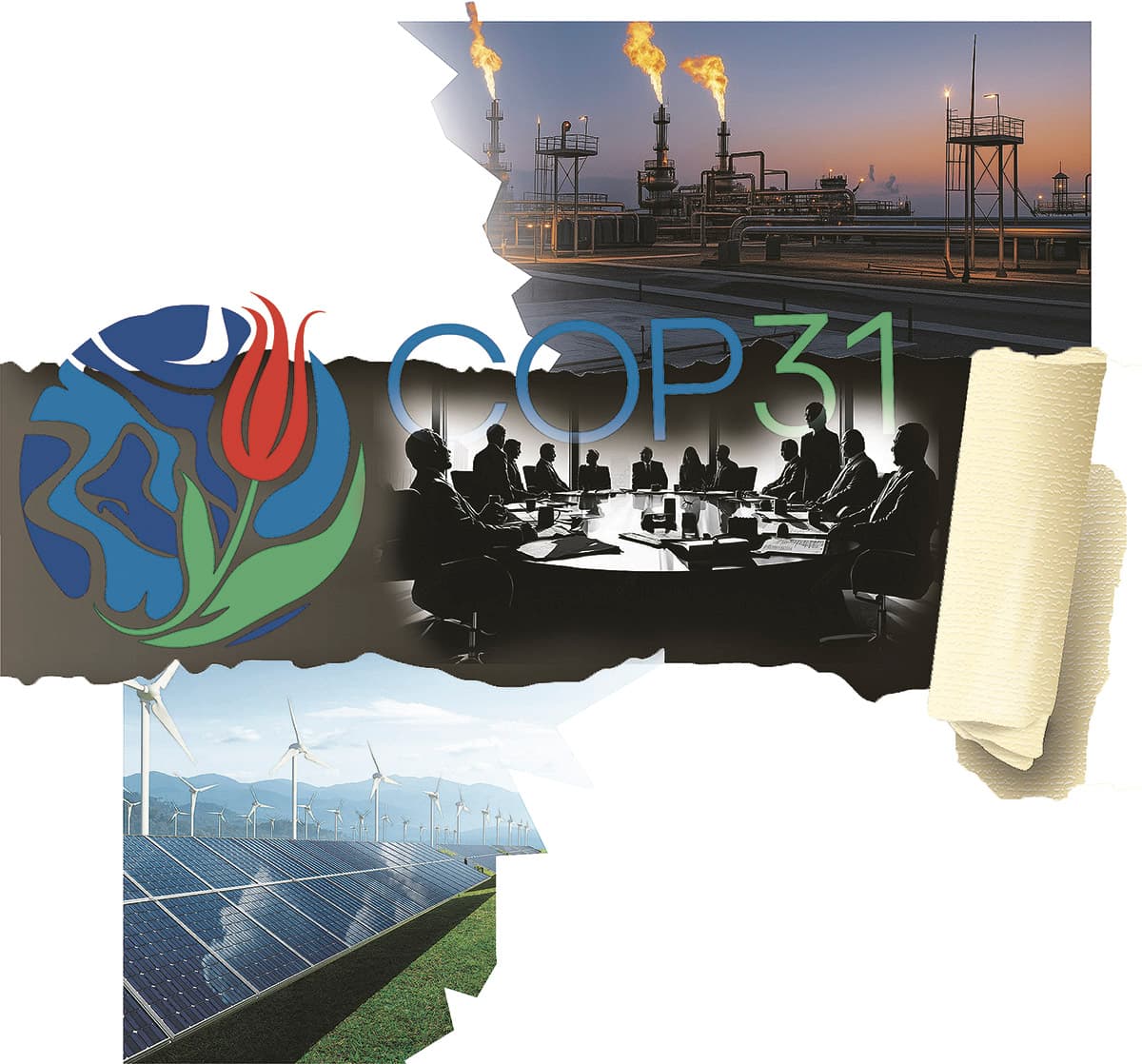
Russia, Saudi Arabia and other major oil and gas exporters have opposed plans to phase out fossil fuels, demanding that the goal be removed from the summit’s outcome document. In their view, oil, gas and coal will be needed by the global economy for a long time to come. Global warming was not caused by their fault. Gulf countries have invested heavily in carbon capture technology to store it underground or use it to produce other products, but have continued to export oil and gas successfully. In contrast, the European Union and the island states, which are particularly affected by climate change, insisted on eliminating hydrocarbons in the future and demanded that this goal be enshrined in the final document.
The vast majority of countries are in favor of combating climate change. However, it is only natural that some countries, receiving huge profits from the sale of oil and gas, are not yet ready to reduce their production and cannot present a clear plan to reduce greenhouse gas emissions, especially in the oil and gas industry. By the way, the EU countries, despite the high requirements for climate protection and the transition to alternative energy sources, remain active consumers of fossil fuels and expand its production. As countries debate over a common strategy, the impacts of climate change are becoming more visible, and future generations seem to pay the price for the lack of solutions. Who but our children will have this world? And if states and governments cannot agree on how to deal with the climate crisis, future generations will inherit a world uninhabitable.
But the reality is that moving away from oil and gas and towards clean energy is a huge expense. And when countries have plenty of other challenges, the fight against climate change can fade into the background. After all, the money for it will have to be sought at the expense of other, no less important expenses. Moreover, developing countries usually do not have enough resources. And if they are required to switch to clean energy, but not to help finance projects, they will have to cut spending on education, health, and infrastructure. This uncertainty has left the delegations of the countries participating in the summit without a common agreement and spent two weeks in Turkey without a concrete result. The climate summit was held according to a predictable scenario - boring and banal. The absence of the final communiqué was a logical finale – no one would accept it for execution anyway, except for the mainstream media, which excite the minds of millions of ordinary people. It has happened countless times and the result is always the same. Despite all such conferences and reports, as well as carbon taxes (trillions of dollars wasted), global temperatures continue to rise at a moderate rate of a couple of tenths of a degree per decade. But for some, that's not an argument. So-called climate alarmists believe that, despite the fact that the planet has existed for almost four and a half billion years, it is incapable of self-regulation. Controlling the climate is absurd if taken literally. This is a completely futile undertaking, as the last 40 years of so-called climate action, which has made no difference, have demonstrated very well.
Instead of artificial panic and climate control, why not adopt adaptation tactics? For example, the weather will be warmer – we will install more air conditioners, and in critical cases we will move to more temperate zones, sea level will rise by 10 centimeters – we will build higher dams, etc. The cost of such adaptation will be only a fraction of the cost of trying to change everything. In any case, far fewer people die from extreme heat than from extreme cold, despite the alarmist mood in the world press. It's time to finally stop dictating the planet. For more than 40 years we have been frightened by horror stories. Trillions of dollars have been spent on renewable energy and reducing emissions, but today we are using more fossil fuels than ever before. Just imagine what the world would be like now if these huge sums of money were spent on health care, education, poverty alleviation and improving people’s living standards, rather than being sent to nowhere or into the pockets of energy tycoons.
Attempting to influence the climate is another example of the real purpose of the world’s political clans. It consists in controlling people, the economy, thoughts, social networks. Control, control and control at all costs. It turns out that corrupt institutions, where such ideas are born, inflate their states not to make people live better, but to enrich and strengthen their own power. Such politicians and related multinational energy corporations are well aware that the odds of controlling the climate are about the same as those of managing volcanic eruptions or earthquakes. But such attempts continue, so it is beneficial to someone.
Alexey Stasyukevich, First Deputy Minister of Natural Resources and Environmental Protection of Belarus: Today we face a serious contradiction: on the one hand, the international community calls on countries to increase climate ambitions, on the other hand, sanctions are being introduced that make it difficult to achieve these goals. Belarus has consistently and responsibly fulfilled its obligations. In accordance with the nationally determined contribution for 2026-2035, adopted in 2025, the country has set an unconditional goal to reduce greenhouse gas emissions, taking into account the sector “Land use, land use change and forestry” by 42% by 2035 from the 1990 level and the conditional goal of 47%, taking into account the attraction of international financing for activities aimed at reducing greenhouse gas emissions. Currently, the reduction rate of greenhouse gas emissions is below 1990 level by 61.4%.
31st Session of the Conference of the Parties to the United Nations Framework Convention on Climate Change
The climate conference in Antalya with the participation of leaders and representatives of 102 countries was held from November 9 and was to end on November 20. It was extended to agree on a final declaration due to the absence in the final draft of the document of a direct call for the phase-out of fossil fuels (coal, oil, gas) that cause global warming, and commitments to phase it out. The outcome document contained only a reference to previous agreements on the transition from fossil fuels (COP28 in Dubai). Earlier, the newspaper Gazete Oksijen reported that 11 countries, including a number of EU countries, refused to sign the declaration.
shamko@sb.by