New ALTNV virus in China: how is it transmitted and should Belarusians be afraid?
In China, a new zoonotic RNA virus ALTNV has been identified, which is transmitted to humans through tick bites. A specific vaccine or antiviral drug for this...
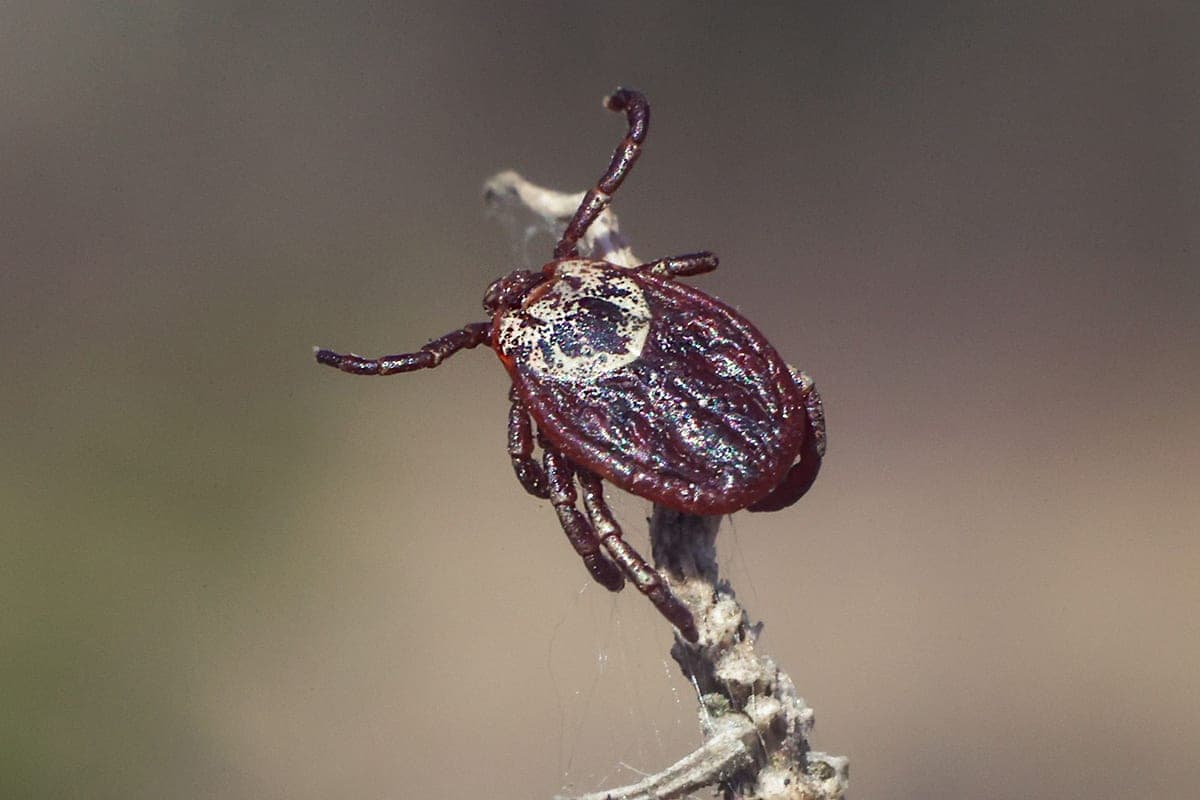
In China, a new zoonotic RNA virus ALTNV has been identified, which is transmitted to humans through tick bites. There is no specific vaccine or antiviral drug for this infection, so patients are given supportive symptomatic therapy.
The disease begins acutely and resembles a severe flu: the temperature rises sharply, chills appear, headache and muscle pain, severe weakness. Sometimes there are violations of the gastrointestinal tract: nausea, vomiting and diarrhea. In the most severe cases, thrombocytopenia develops, which reduces blood clotting and creates a risk of internal bleeding.
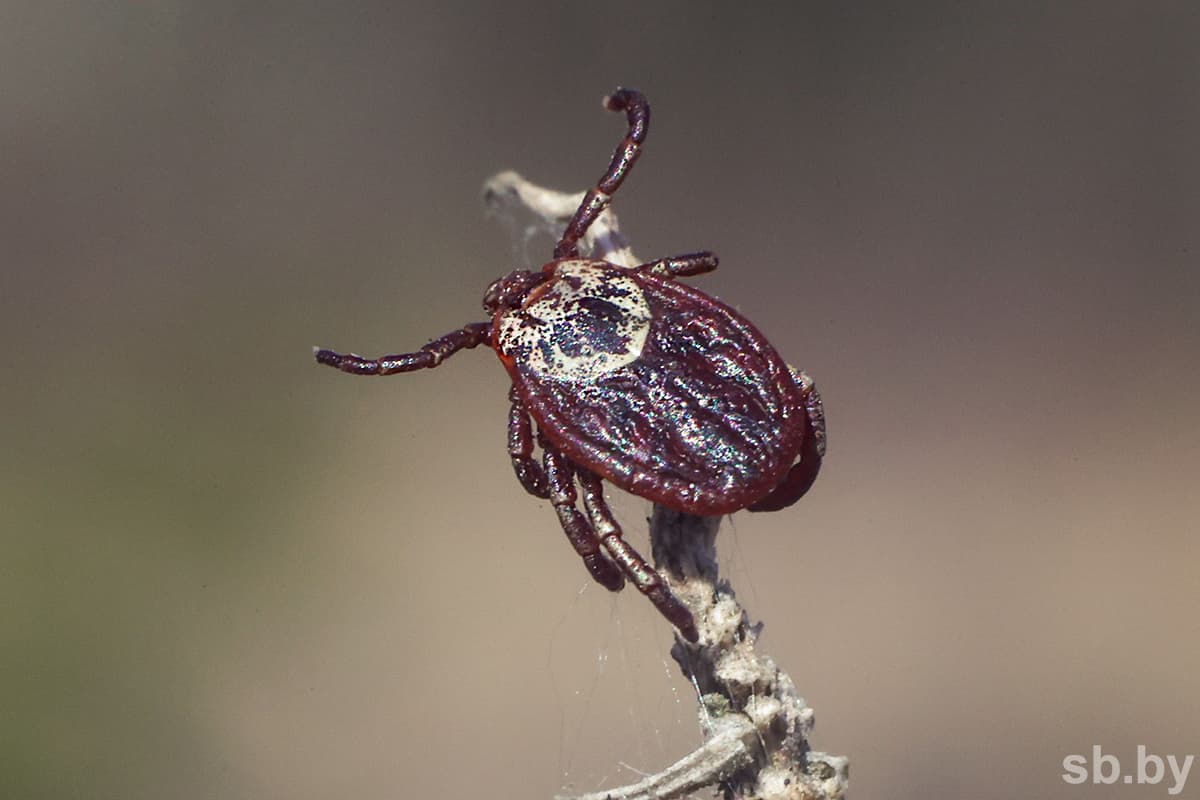
The main route of transmission of the virus is transmissible, that is, through bites of infected ixodic mites, mainly of the species Haemaphysalis longicornis. The attached arthropod transmits the pathogen with saliva directly into the bloodstream, and the risk of infection increases with prolonged contact with the vector. No cases of human-to-human transmission have been reported. All confirmed cases of the disease – a little more than 300 – were detected exclusively in China.
ALTNV virus in Belarus should not be feared for two reasons. First, the main carrier of the virus - this type of tick - does not live in the country. “The Republic of Belarus is not part of the distribution area of this type of ticks,” the Republican Center for Hygiene, Epidemiology and Public Health emphasized. Its natural range is limited to temperate regions of East Asia: China, Korea, Vietnam, Thailand, the islands of the Pacific Ocean and the south of the Russian Far East. Second, the outbreak is local. In addition, the Belarusian sanitary and epidemiological service has the necessary test systems for rapid laboratory diagnosis.
The minimum risk exists only for Belarusian tourists traveling to the Asian region. There you need to follow standard precautions: use repellents and wear closed clothes.
basikirskaya@sb.by