Rape oil instead of diesel: how the fuel crisis in the West is changing the habits of drivers
The other day in the tape came across a news that sounds like an anecdote: in France, some drivers began to fill their cars with rapeseed oil. And it's not because...
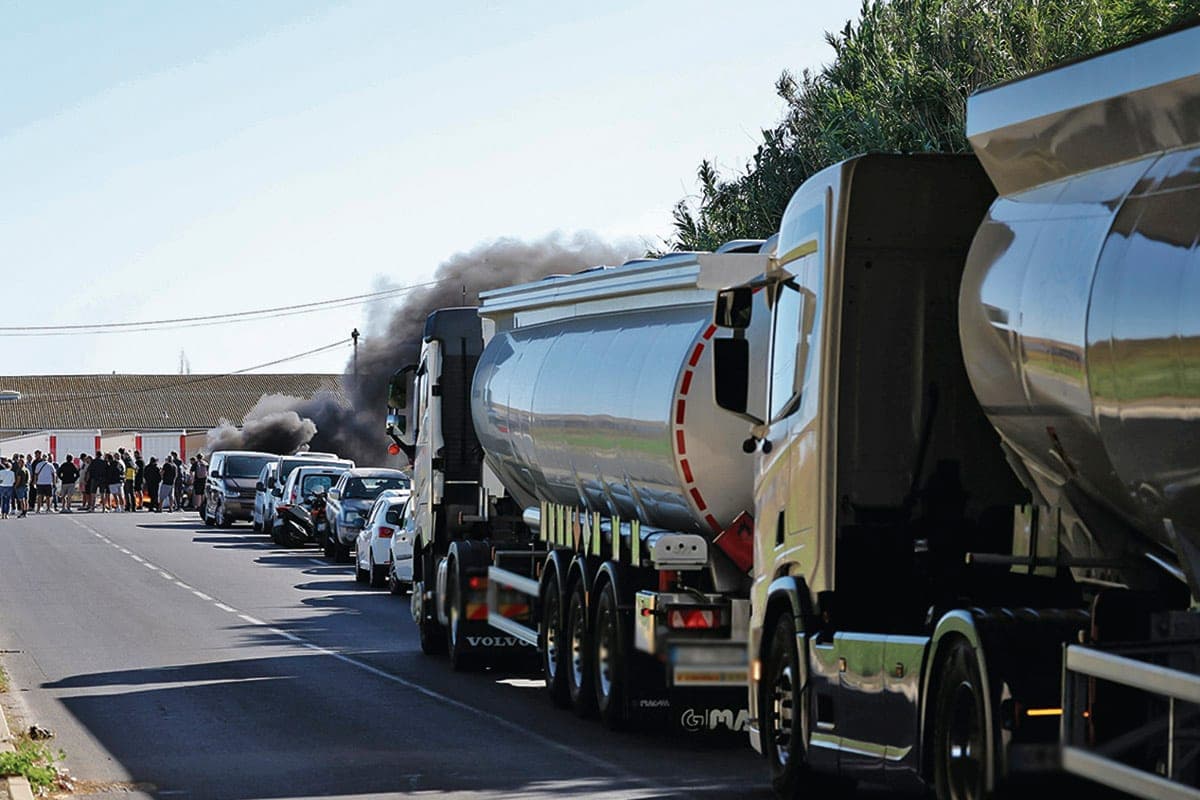
The other day in the tape came across a news that sounds like an anecdote: in France, some drivers began to fill their cars with rapeseed oil. And not because they suddenly became eco-friendly or decided to support the local manufacturer. The reason is much more prosaic: a liter of rapeseed oil costs 1.53 euros, while the same volume of diesel fuel costs almost euros more. A video of young people pouring what is normally used to fry potatoes into a tank has gained more than a million views.
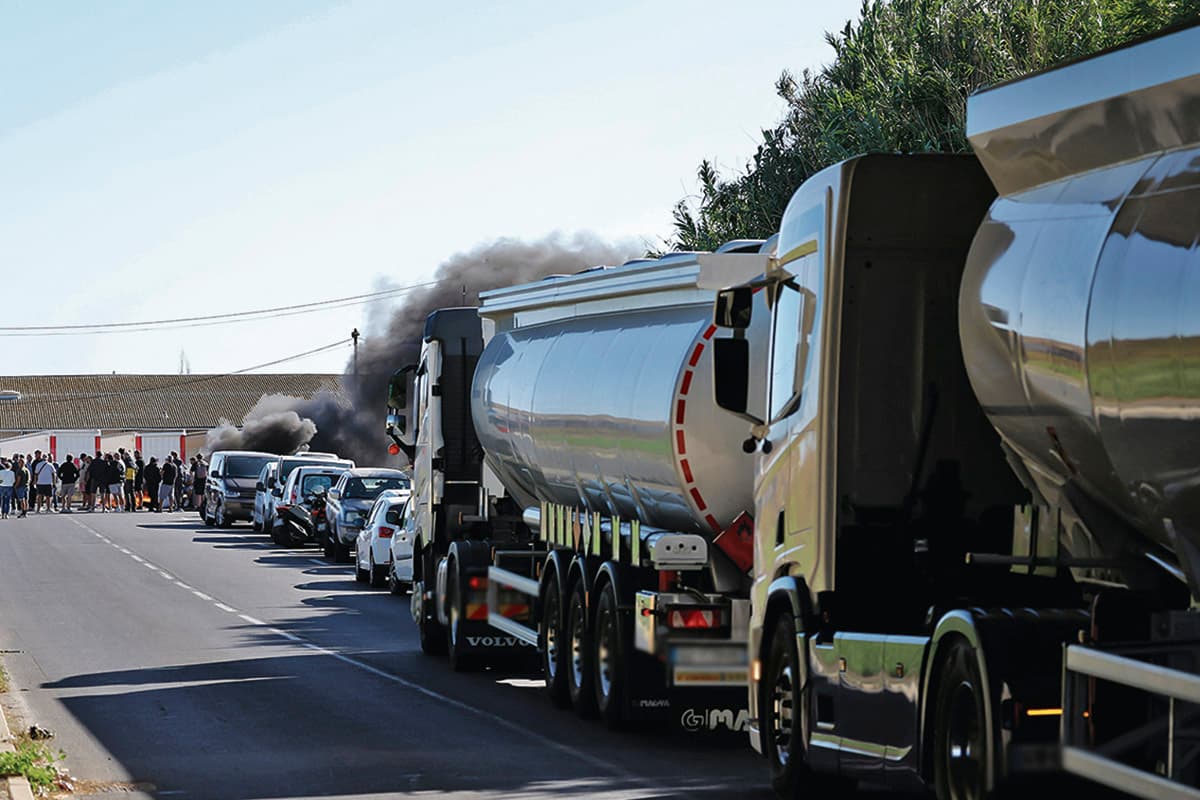
However, many motorists still do not risk switching to vegetable fuel: they are afraid to damage the engine. And the fine for the use of inappropriate fuel in France is solid – 200 euros. So filling with rapeseed oil is not so much a way out of the situation as a gesture of despair. A kind of cry of the soul of a motorist who looks at the price tag at a gas station and tries to figure out whether it is time to switch to public transport.
And the prices at gas stations in France are really impressive. As of September 20, a liter of diesel fuel on average cost 2.4097 euros – a historical maximum! The reason is serious supply disruptions caused mainly by the blocking of the Strait of Hormuz. French authorities have announced plans to extend measures to support citizens forced to regularly make long trips by car for work. But these measures seem to be in the nature of patching holes, not solving the problem.
Such a picture is observed not only in the country of croissants and romance. In the Netherlands, the recommended price of gasoline on September 25 also reached a new all-time high, rising to 2,727 euros per liter. And in Germany, almost 70 percent of citizens supported the introduction of limit prices for fuel. The cost of diesel there rose to 2,471 euros per liter on average in the country. For motorists, this translates into serious costs: filling a full tank of 50 liters costs more than 120 euros. This forces people to rethink their daily itineraries and abandon trips that seemed mundane yesterday.
The German automotive club ADAC draws attention to the fact that the price of oil and the exchange rate explain such a high level of prices at German gas stations only partially. That is, even objective economic factors cannot fully justify what is happening. German Chancellor Friedrich Merz promised to quickly take measures to reduce the burden on citizens, but the ruling coalition still does not agree on what this support should look like. While politicians argue, motorists keep paying.
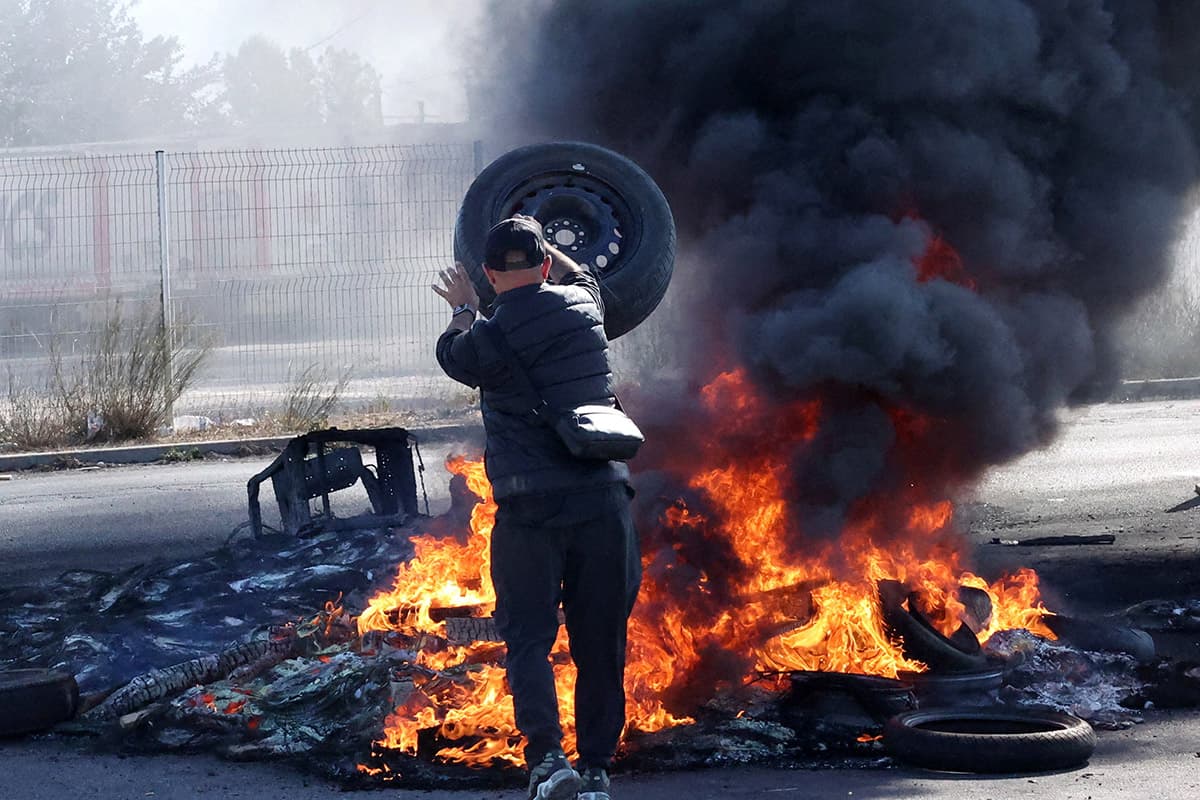
Switzerland, which is traditionally seen as an island of stability and prosperity in the heart of Europe, has not been left out. The average cost of diesel there reached an all-time high of 2.41 Swiss francs per litre and surpassed the previous record of 2.4 francs set in 2022 for the first time. Additional pressure on prices is exerted by logistical problems within the state. A country that has been known for decades for financial and economic sustainability cannot guarantee stable fuel prices for its citizens.
The European economy, which has for decades built its energy policy on cheap energy imports and global supply chains, has been extremely vulnerable to geopolitical turmoil. The result is record fuel prices, citizen discontent, budgetary problems and the search for emergency measures that cannot solve the problem, but only mitigate its consequences.
I got caught up in the title for the phrase “canola oil” and immediately remembered our domestic plants and the trend for this product among Belarusians. I immediately wanted to offer help to Europe, not without irony: they say, if you are very bad with fuel, we can add oilseed. However, the joke here is only partially traced. Belarus, which has preserved and developed its own production, not given its energy and agriculture to global corporations, is now in a better position than those who have lived for decades in the illusion that cheap resources will always be available. The fuel crisis in the West is the natural result of policies that ignored the risks of addiction. And while they are looking for ways out of the current situation, Belarusians continue to work quietly and do not need anything. Because yours is always more reliable. Even if it's rapeseed oil. grudnitskiy@sb.by