Cheese and wine production in Europe hit by drought
French wine usually contains no more than 13% alcohol. Temperature swings forced manufacturers to raise alcohol levels to 15%
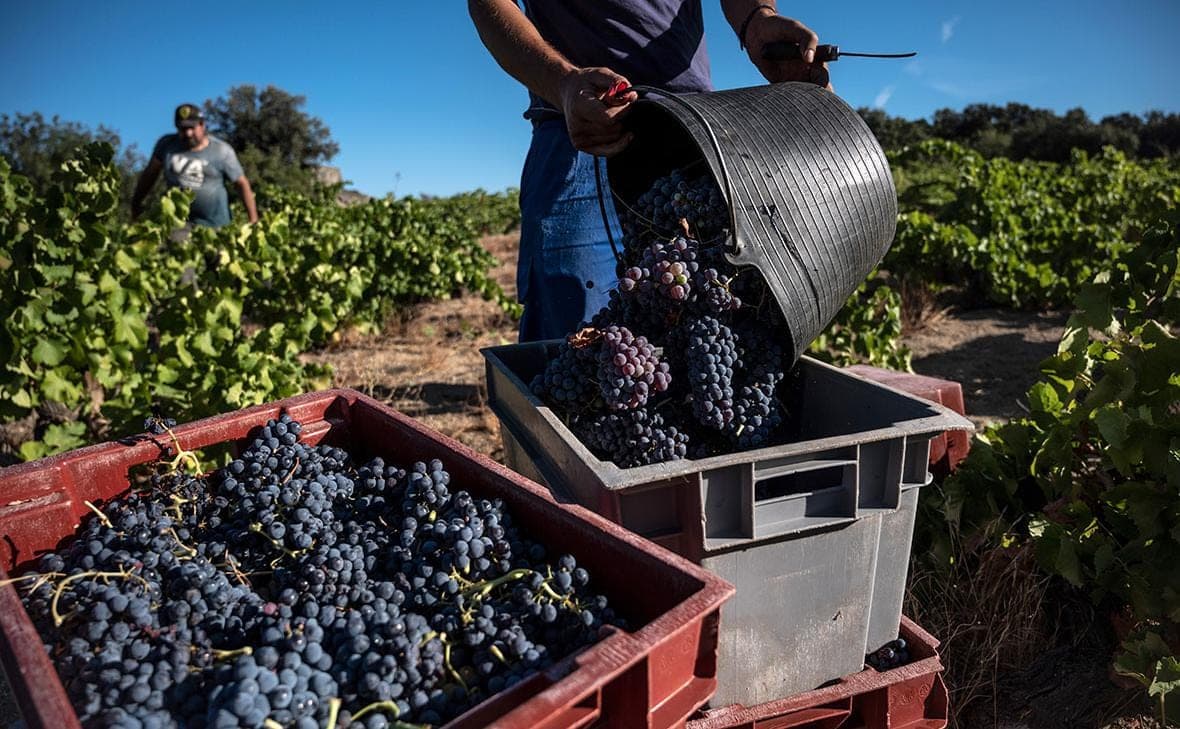
Climate change is forcing manufacturers of famous European cheeses and wines to adapt centuries-old production methods, Rapporteur writes.
Manufacturers of the popular in Europe abondane cheese with notes of fruit and aftertaste of hazelnut were badly affected by the summer of 2026, which is considered the hottest on record in Western Europe.
This cheese has had the status of a Protected Designation of Origin (PDO) since the 1990s, which means a strict reference to the region, a traditional recipe and a guarantee of quality and authenticity. The EU also provides protection for certain products, known as Geographical Indications (GIs), which are accompanied by strict production rules, the added value of which is recognized in world markets.
“When the drought hit, we suffered in the first place,” said Joel Windre, director of the Bondane Cheese Association.
Farmers producing bonded cheese, due to the lack of hay, had to use stocks usually harvested for the winter. The French government has relaxed the requirements for cheese production. Because of climate change, according to Windre, manufacturers will have to “rethink everything”, implying better insulation of buildings, better management of pastures and investment in cooling systems.
Strict rules for the production of wine, cheese and other regional products are often linked to a system of geographical indications, primarily a protected appellation of origin.
Climate change has also affected wine producers. In Italy and Spain, grape harvesting is shifted to an earlier date each year to avoid the high rise in alcohol levels caused by rising temperatures.
Spain's Ribera del Guadiana region in July decided to abolish the maximum alcohol limit for its products in order to adapt its rules to the "current climate context.".
French Champagne was also included. Drought following a warm February and spring frost has forced manufacturers to demand a temporary exemption allowing champagne to contain up to 15% alcohol, a 2% higher than normal.
"When the grapes reached maturity in early August, nobody was ready," one French grower said. "We started gathering around August 12 but should have started eight days early," he added.
In August, Euractiv (Rapporteur) reported that the drought this summer covered about 38% of the EU and forced pastoralists to use winter feed stocks ahead of schedule.
As reported by The Guardian, a severe drought in Spain has led to a noticeable decline in the grain harvest. In Castile y Leone, it was 35% lower than last year, in the Madrid region - by 49%, and in Andalusia - by 24%.
The FT estimated the damage caused by abnormally high temperatures and wildfires to France, Spain, Portugal, Greece and Romania. According to the publication, the cost of restoring the burned areas to their former state is estimated at €3.1 billion.