Pushkin heroes spoke with the voices of young people at the XXX theater festival "White Vezha"
The eighth day of the XXX International Theatre Festival “White Vezha” took viewers to different theatrical worlds. It started with “Dad is Always Right.”.
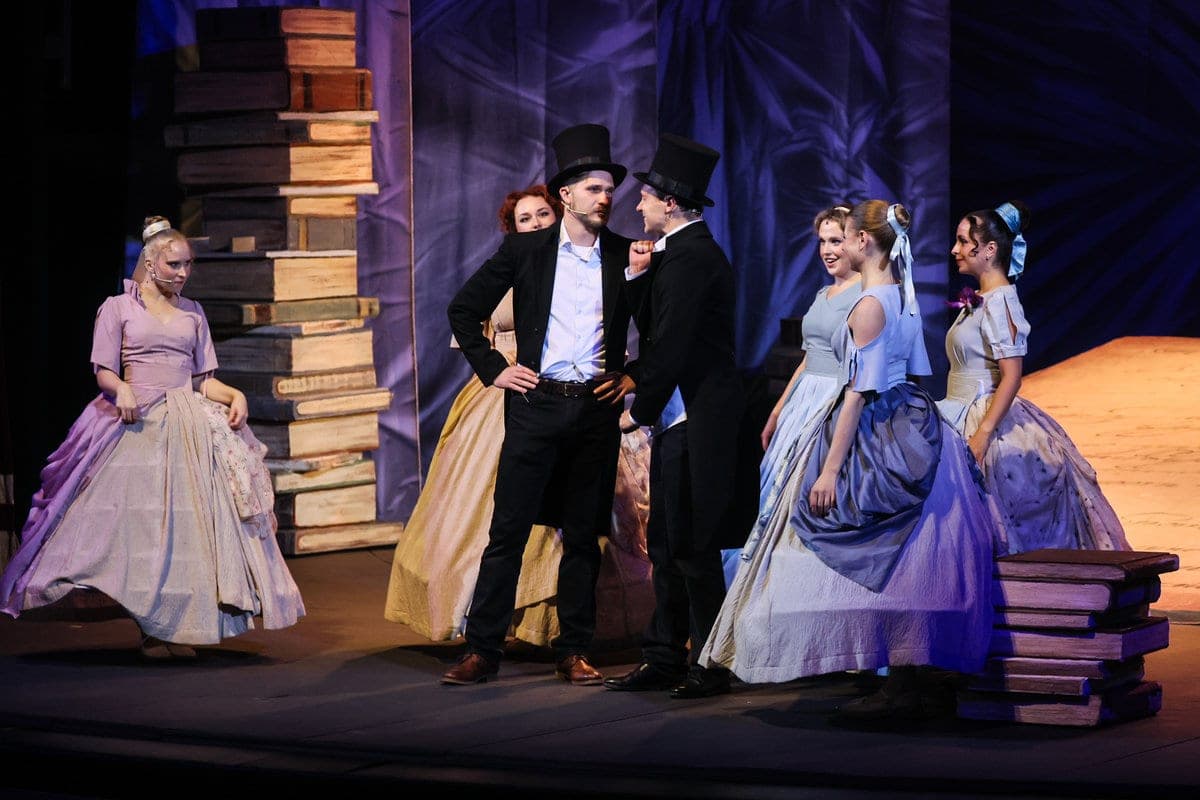
The eighth day of the XXX International Theatre Festival “White Vezha” took viewers to different theatrical worlds. It began with the production of “Papa is always right” theater from Bulgaria, and in the evening the festival poster offered two performances at once. The Belarusian State Puppet Theater presented “Khutar”, the Orel State Academic Theater named after Ivan Sergeevich Turgenev – “Eugene Onegin”. Correspondents sb.by chose to meet with Pushkin to see if young artists will be able to erase the school distance and turn a textbook novel into a living story about the feelings familiar to every generation.
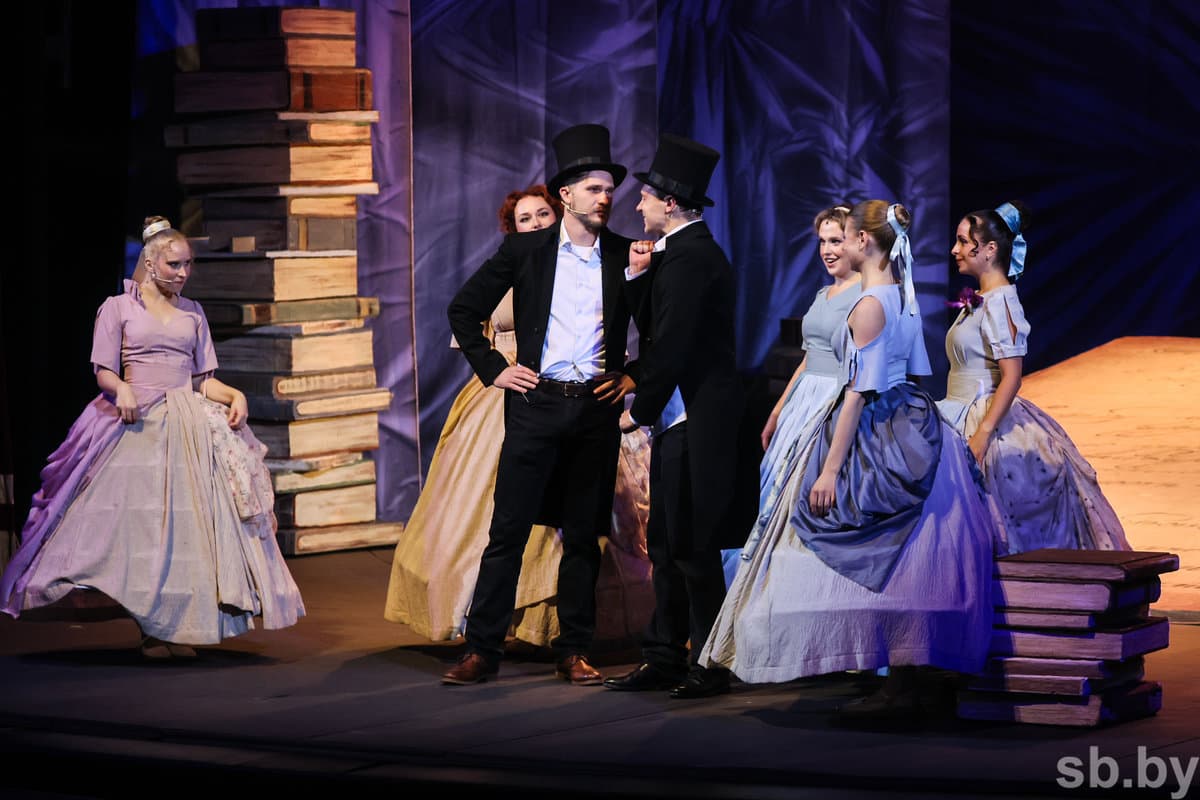
Eugene Onegin is a novel that everyone seems to have known for a long time. St. Petersburg light, village estate, Tatiana’s letter, Lensky’s duel and too late recognition of the main character – Pushkin’s lines have firmly entered the cultural memory. But what would happen if the crinolines, ballrooms, and historical distance were temporarily removed, leaving the text and the young people trying to understand it?
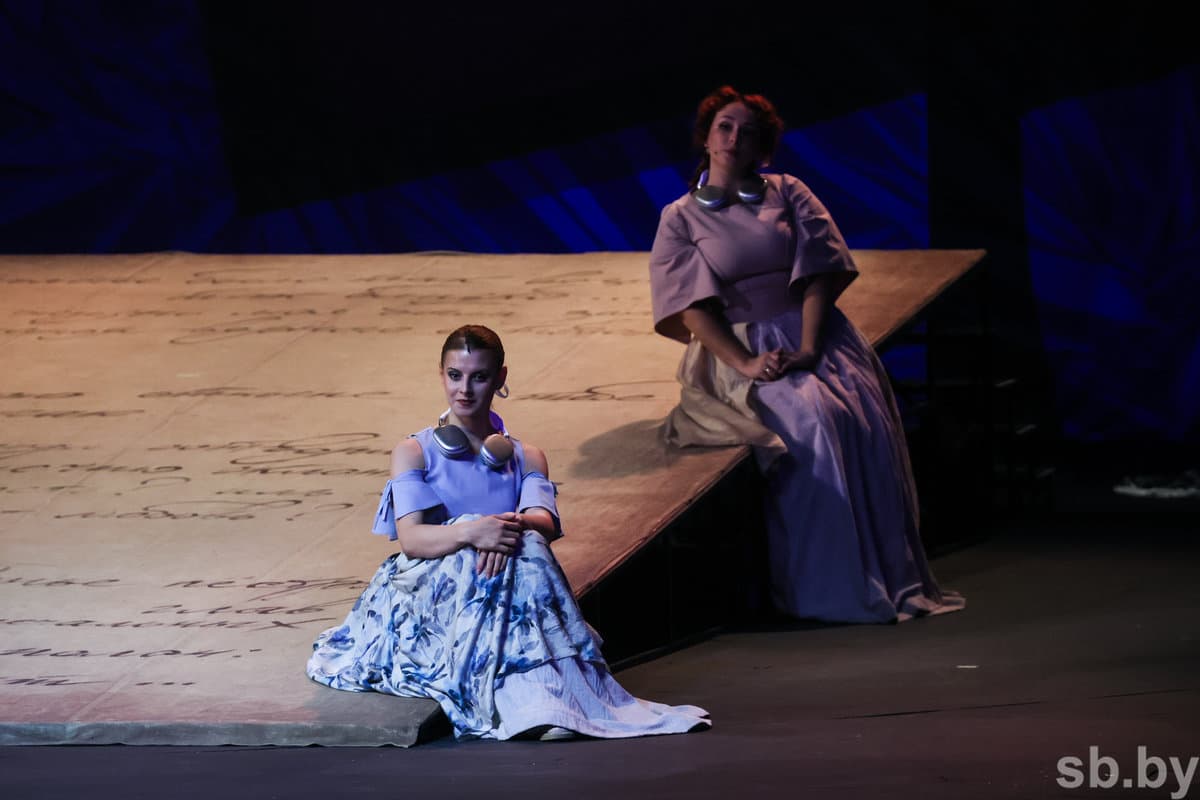
This is the path chosen by the Orel State Academic Theater named after Ivan Sergeyevich Turgenev. His Eugene Onegin is not a literal recreation of the noble life of the first quarter of the XIX century, but a journey through the pages of the novel dedicated to love. Here young artists find a book and begin to play Pushkin, trying on the fate of his characters.
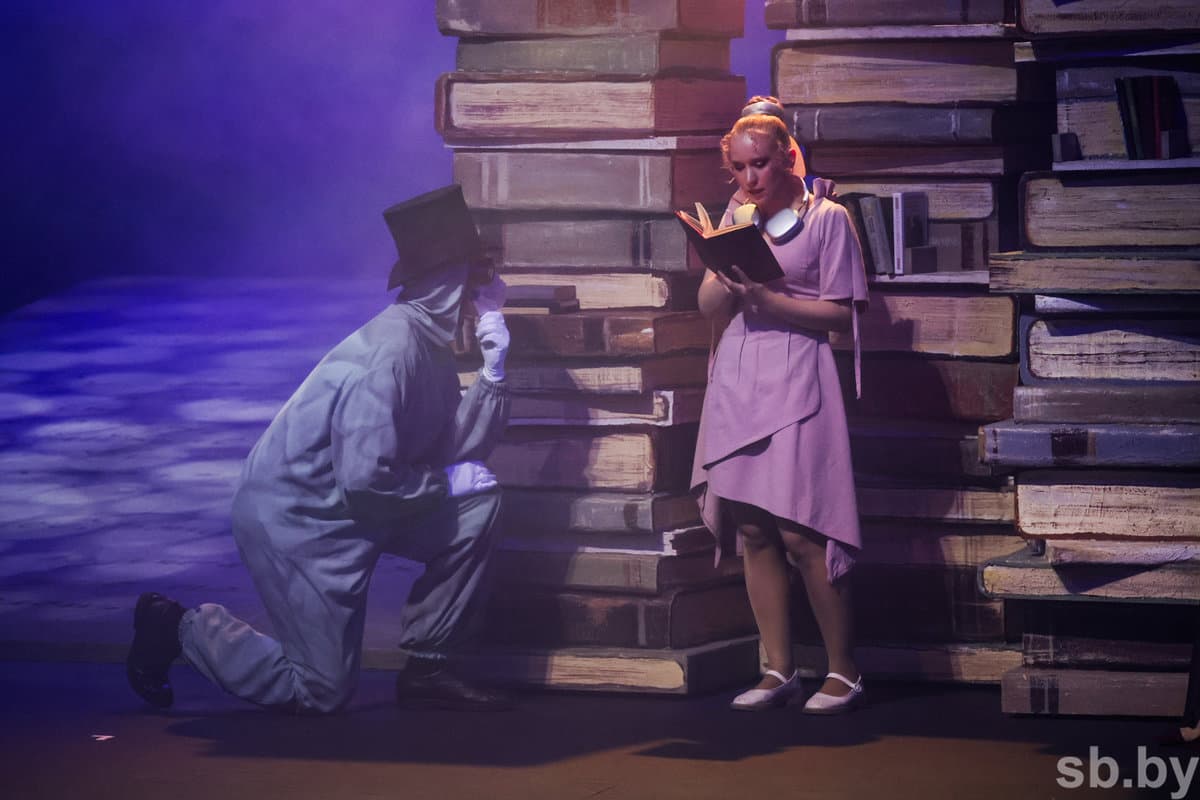
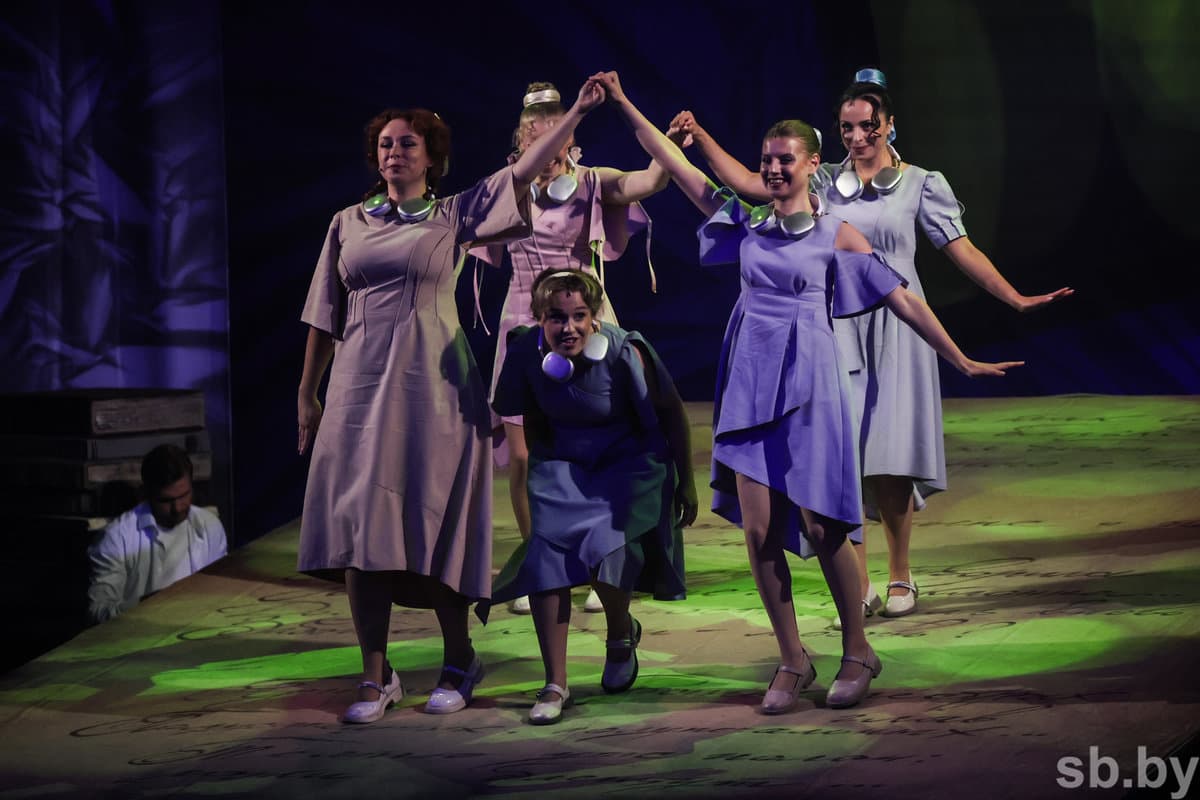
There is no permanent distribution of roles. On the stage there is not one Onegin, one Tatiana, Lensky or Olga. Heroes pass from performer to performer, and with them are transmitted feelings, doubts and the right to tell the next part of the story. Everyone for a while becomes Onegin, experiences the timidity of Tatiana or the tragic impulse of Lensky. Thanks to this, the novel is not a story about a few distant characters, but a common story of young people - about first love, fear of rejection, deafness of heart and belated repentance.
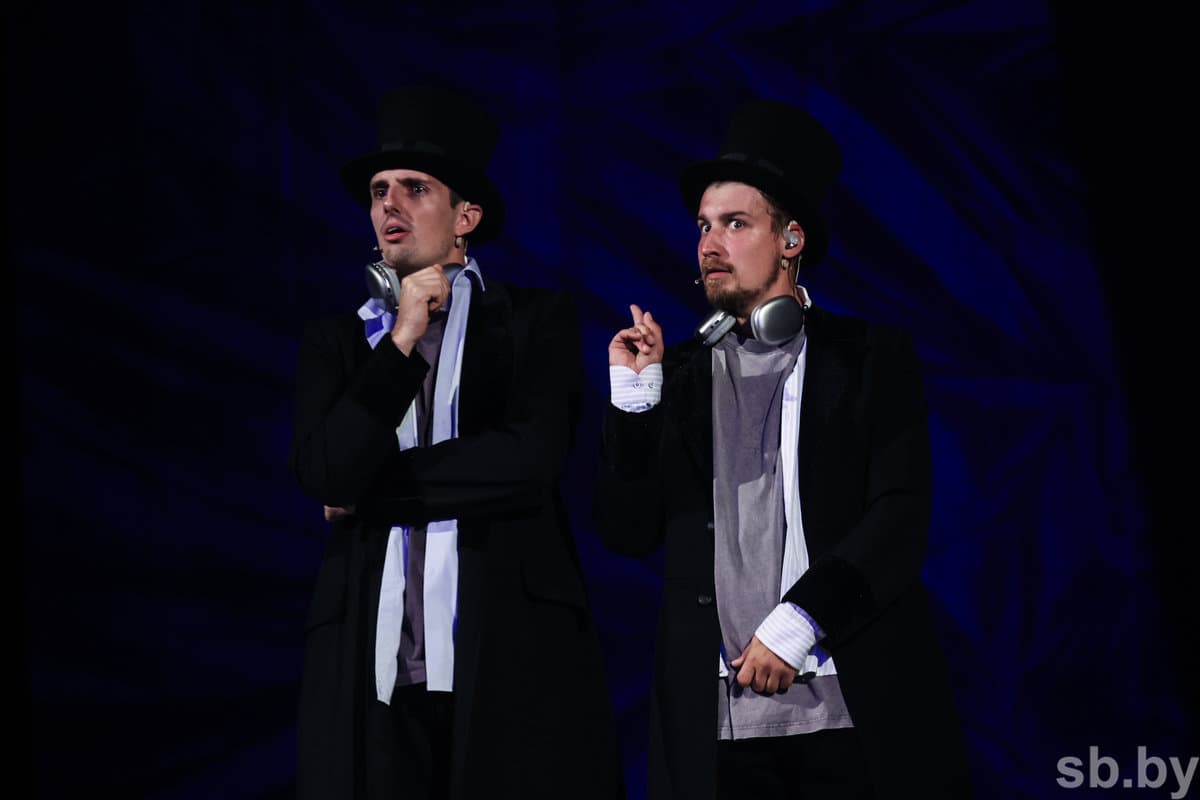
With all the freedom of the stage form, the theater carefully treats the literary basis. The director of the theater, Honored Worker of Culture of the Russian Federation Elena Kazakova emphasizes that the artists talk to the audience in modern stage language, but they say in the words of Pushkin himself:
- We do not help the author or rewrite him. In the play, Pushkin’s poems and words sound, we do not change a single line. But young people tell this story in a language they understand, with modern music and elements close to it. It's a love play. Love for Pushkin, Russian literature and St. Petersburg.
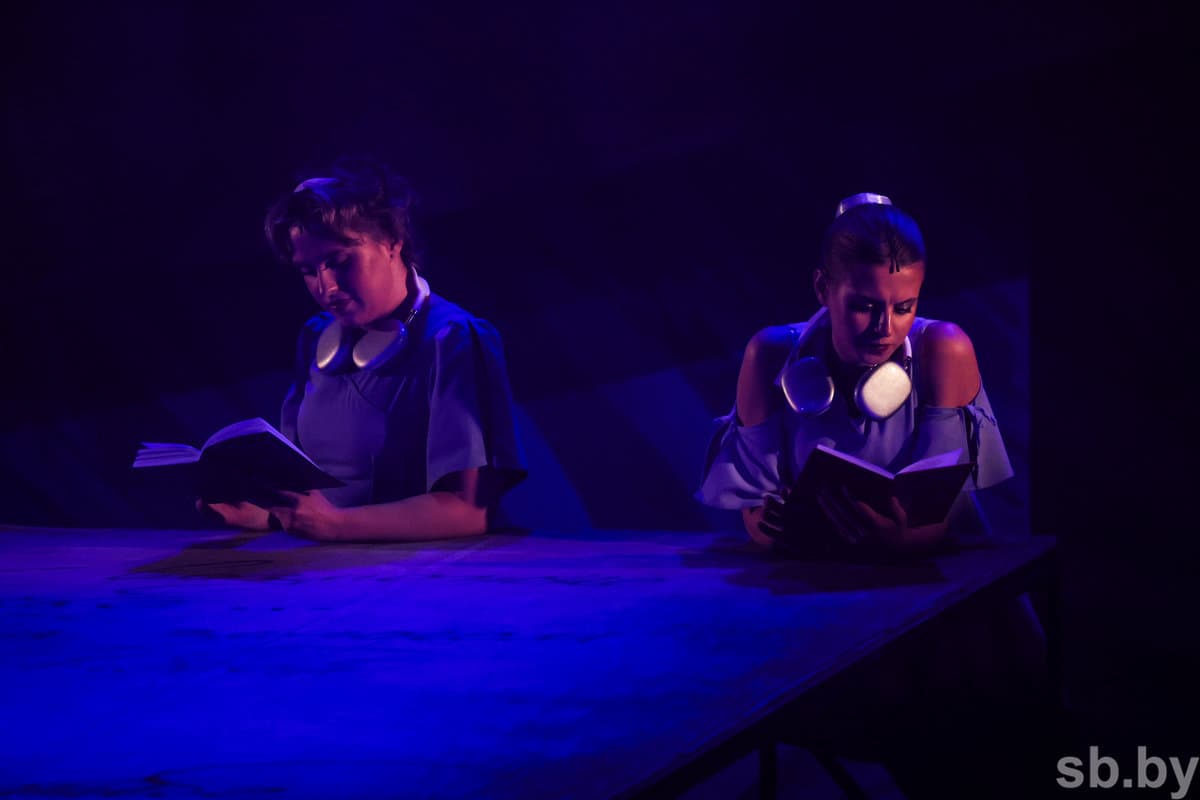
The unusual shape helps to reduce the distance between the novel and today’s viewer. The Pushkin line here does not disappear behind the external modernity - on the contrary, it begins to sound sharper. The performers, rhythm and mood of the scenes change, but the story itself moves along the path laid by the author.
Especially lively performance is taken by young people. She recognizes in the heroes not frozen literary portraits, but her peers - equally swift, in love, confused and not always able to understand their own feelings in time. Contemporary elements become not an attempt to “correct” the classics, but an invitation to enter it without fear of textbook seriousness.
Such an invitation is especially important today, Elena Kazakova believes. Short retelling on the Internet and the habit of quickly flipping through information are increasingly replacing young people with leisurely reading. Theatre is not able to read the book instead of the viewer, but can regain the desire to open it yourself.
- Young people are now reading little, the book is gradually being replaced by gadgets. But after our performance, the audience comes and says that at home they rediscovered Eugene Onegin and began to read it in its entirety. That's what we're working for. I am sure that after the production, there is a desire to return to the novel and see how much of it remained unnoticed before.
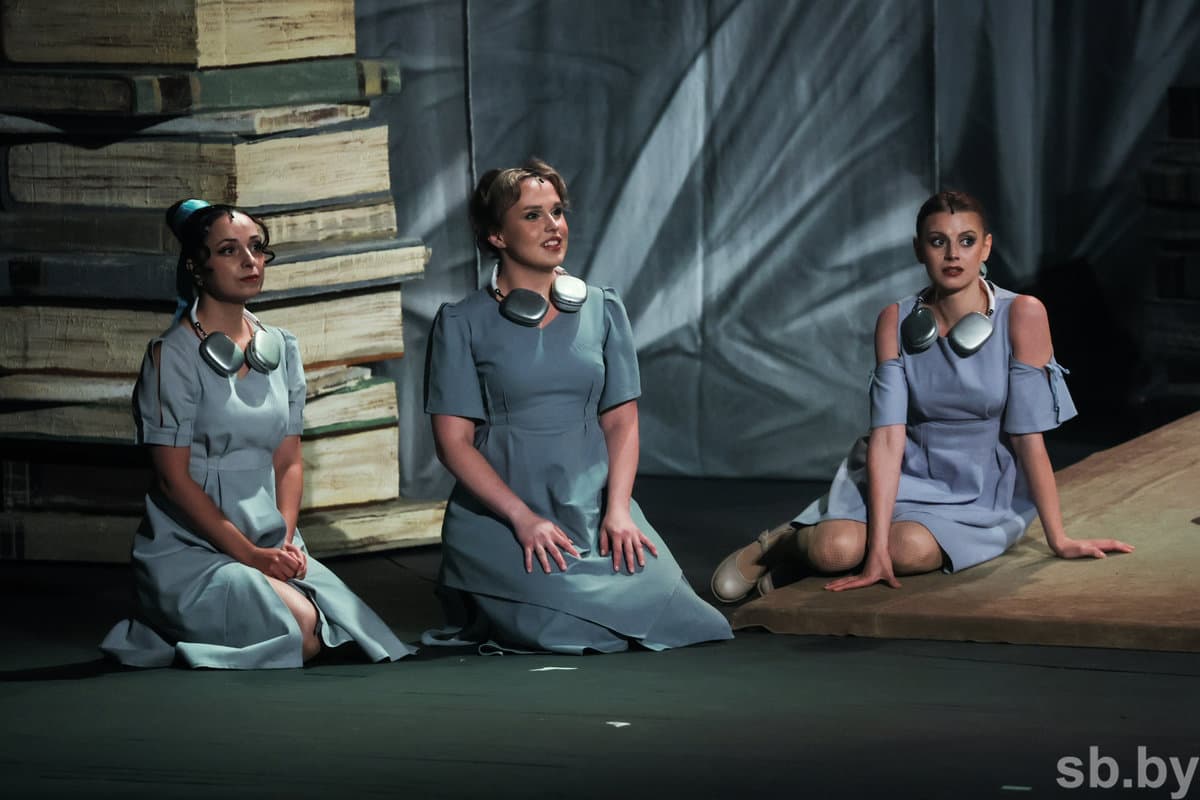
The production takes place in Orel for about a year and a half and has become one of the most popular in the repertoire. According to Elena Kazakova, tickets to the hall for 800 seats after the opening of sales can disperse in three days. The performance has already been seen by Belarusian spectators at the Mogilev festival “M.@rt.contact”, ahead of him new trips. Moreover, the theaters themselves ask to bring “Eugene Onegin” – the production arouses interest in its form and how freely but carefully conducts a conversation with the classics.
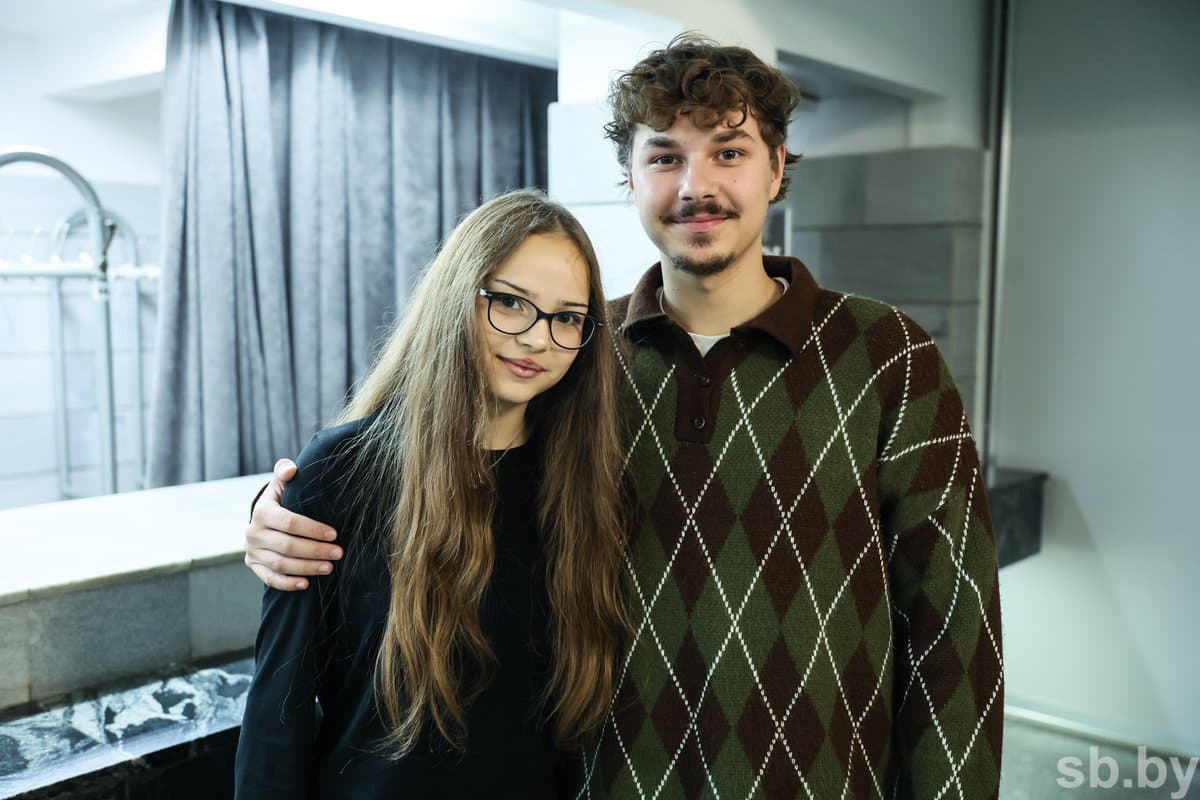
During the intermission, it became clear that the plan was working. In the lobby, the audience discussed the change of performers, the sound of familiar lines and the unusual manner of narration. Brest resident Ilya Kiryanov came to the play together with his sister Polina. The unusual presentation, he said, did not alienate Pushkin's heroes, but helped to see them alive:
- As a young viewer, this interpretation was understandable and close. At first, it was surprising that several artists play one character at once, but soon you begin to follow not the change of performers, but how each of them reveals the hero in different ways. Modern presentation does not argue with Pushkin, but helps to hear him without the usual school distance. You look at the stage and realize that a lot has changed since the days of Onegin and Tatiana, but in love, doubts and fear to say the main thing, people have remained the same.
At festival performances rarely meet completely lonely spectators. They come here with families, friends and colleagues. The theater gives an opportunity not only to spend an evening together, but also to discover how different people perceive the same story.
Brest citizen Inessa Sarnavskaya came to Eugene Onegin with colleagues. The modern form was unexpected for her, but it was she who made her recall a novel that remained somewhere far away in school years:
- I immediately wanted to read Eugene Onegin again. A lot of time has passed since school, and now the work will probably be perceived quite differently. Here it is interesting that Pushkin’s history is being passed through by young people. The pitch is unusual, but the text remains familiar, and thanks to this you begin to hear it in a new way.
For the theater itself, a festival trip is also an opportunity to see the performance with different eyes. In her hometown, the production is surrounded by a familiar audience, and on the “White Vezh” she meets a new hall and a theater community from different countries. Such a meeting allows you to understand whether the director’s idea is read outside the usual scene and whether the language found is really clear to different viewers.
And if, after the performance, someone wants to return home, remove Eugene Onegin from the shelf and start reading not on school duty, but for themselves, then the meeting took place. Pushkin spoke again to the young, with his own words, but with their own voices. Theater from Astana presented a solo performance “Alone with Pushkin” at the “White Vezh”