What's going on with prices?
Autumn in Kazakhstan traditionally brings fresh vegetables of the new harvest to the shelves and with them the hope that prices will retreat at least a little
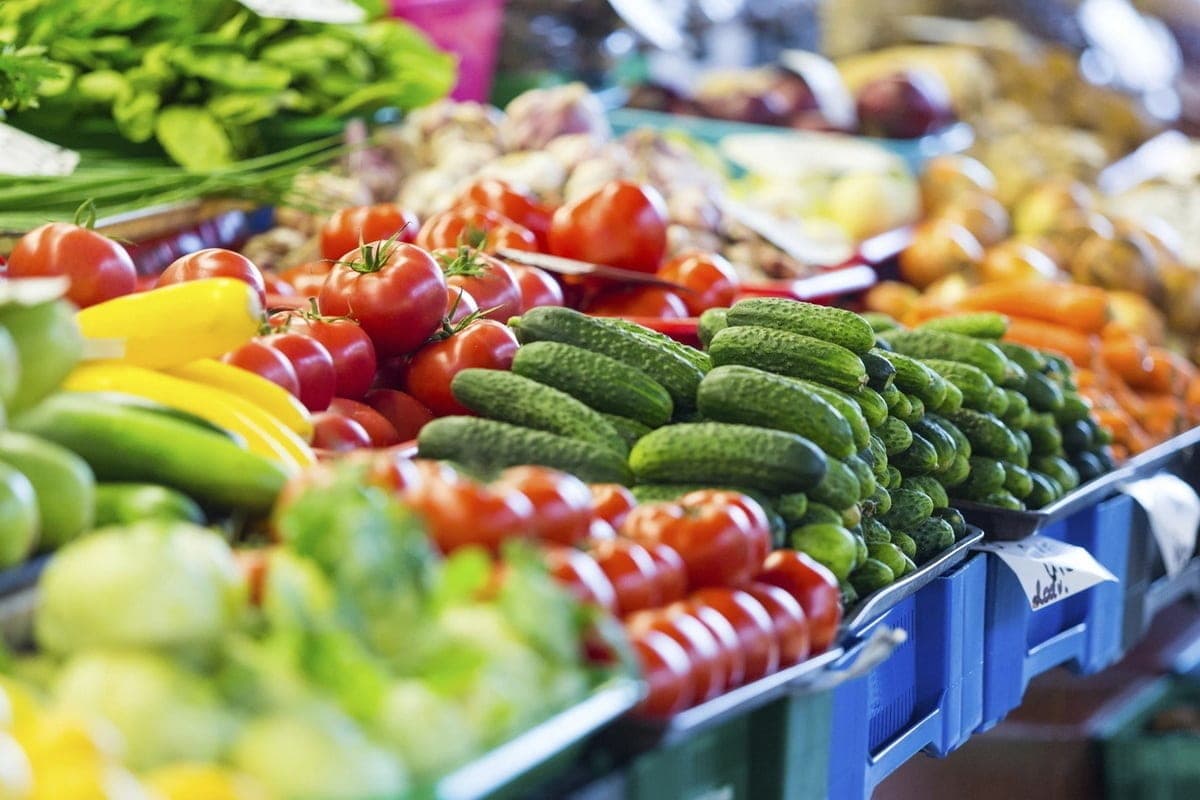
However, on the overall picture, this cheapening did not greatly affect. Over the year, most socially significant products still increased in price, and the leader of the rise in price was lamb. Its price went up 22 percent. According to the Bureau of National Statistics on September 23, 2026, over the past 12 months, 27 out of 31 socially significant food products have risen in price. This means that even with the autumn decline in vegetable prices, the overall cost of the grocery basket remains higher than last year.
The leaders are mutton
The most notable annual increases were recorded for lamb with an increase of 22 percent. Carrots rose by 0.7 percent, salt and potatoes by 14, tomatoes by almost 15, kefir and minced meat by 11. At the same time, four positions became noticeably cheaper. The absolute leader of the decline was cucumbers and went into price minus by 44 percent for the year. This is a classic seasonal effect, when the mass collection and large volume of supply in the market affect the fall in value. Over the last week of September, price declines were recorded in several positions at once. Cheaper became onions, carrots, apples, sugar, chicken meat and beef with bones. Prices for lamb, cottage cheese and cabbage have not changed this week. The general level of prices for socially important products decreased in Karaganda by 0.4 percent, in Aktobe and Zhezkazgan by 0.2, in Turkestan by just a little, by one tenth. In Astana, Almaty, Kokshetau, Shymkent, Konaev, Pavlodar and Semey, the situation remained stable.
Vegetables now determine the autumn mood in markets and supermarkets. Average prices in the country on September 23 look like this: onions cost 142 tenge per kilogram, and the cheapest sell in Taldykorgan for 107 tenge. The price of carrots is 215 tenge, potatoes - 250, cabbage - 158, tomatoes sell 660 tenge per kilogram. This is a tangible decline that many families have already appreciated and started winter harvesting. It is especially noticeable in regions where harvesting and logistics are shorter. However, annual growth in potatoes and carrots remains double-digit. This suggests that last year’s high prices and producer costs are still sitting in value. Cucumbers, thanks to a powerful seasonal offer, were able not only to win back growth, but also significantly cheaper compared to last September.
Meat doesn't give up
If vegetables give seasonal respite, the meat department continues to put pressure on the family budget. Average prices for September 23, 2026 look like this. Beef with bones costs 3800 tenge per kilogram, without bones - 5200, lamb - 4500, horse meat - 4300, minced meat - 4300, chickens sell for 1700, ham - 1700 tenge. Mutton became the absolute champion of the rise in price for the year with a plus of 22 percent. The price of it increased especially strongly in Kostanay and Uralsk. Beef and ground beef also added double-digit percentages. The price of chicken is growing more slowly, but it does not stand still.
Why is meat so expensive almost every year? There are several reasons, and they overlap with each other. The increase in the cost of feed, veterinary drugs, fuel and electricity increases the cost of production. Logistics, especially in remote areas, also contribute. In addition, the demand for meat in Kazakhstan remains consistently high, as it occupies an important place in the diet. When supply does not keep up with demand or costs rise, the price inevitably creeps up. The seasonal factor here is weaker than that of vegetables. The meat market is less prone to sharp autumn fluctuations, so the price decline, if it occurs, is spot and shallow. If you look at the annual dynamics, the picture is heterogeneous. Vegetables and fruits in August-September 2026 showed deflation in annual terms for individual items, vegetables - as a whole minus 2.5 percent by August 2025. That helped slow overall food inflation to 9.5 percent in August. For comparison, at the end of 2025, it exceeded 13 percent. However, meat, milk and groceries continue to pull the figure up. Meat and poultry in August added 19 percent in annual terms, sausage products rose by 14.
“Everything counts. But if you want to hear that we are forecasting a 20% price increase, I will never tell you that. No one expects a rise in value in advance. When calculating the cost, the manufacturer himself, depending on the competition in the market, determines the margin. We do not restrict it, we do not have state price regulation. As for regulated tariffs, the Government is taking measures to prevent unreasonable growth. We are looking for a gold balance – a tariff in exchange for investment, a tariff taking into account the depreciation of fixed assets. The task of the Government is to find this middle ground: to ensure the modernization of infrastructure, decent salaries for people in the electric power industry and at the same time prevent a sharp, explosive growth in the cost of products, said Minister of Trade and Integration Arman Shakkaliyev.
Regional differences are also very noticeable. In Pavlodar, Taldykorgan, Taraz and Turkestan, vegetables are traditionally cheaper due to proximity to production zones and a shorter supply chain. In large cities, such as Astana and Almaty, prices are higher due to logistics, retail space rentals and higher demand. In September, the decline in prices was more active in Karaganda, Aktobe, Zhezkazgan and Turkestan, while in Astana and the southern capital the situation more often remained stable.
What are the reasons for the rise in the price of products?
Autumn cheapening of vegetables is a predictable and pleasant phenomenon, but it rarely fully compensates for the annual growth. The main reasons for the long-term appreciation of products in Kazakhstan are the growth of production costs for feed, fertilizers, fuel and lubricants, electricity and salaries, logistics and storage, because there are not always modern vegetable storage facilities, so part of the harvest is lost or sold quickly, affecting the price, the structure of the market with the presence of intermediaries and trade surcharges, climatic fluctuations that affect yields in some years, as well as consistently high domestic demand for meat and dairy products.
Minister of Trade and Integration Arman Shakkaliyev, answering questions about prices, noted: “On the example of dairy products: 80% of the cost is the cost of raw materials. Take bakery products - 65% of the cost is the cost of flour. As for certain types of products, such as beef, up to 75-80% is also the cost of feed. I can't say that electricity doesn't weigh anything. Of course, this is one of the factors that affects production conditions. But the volatility of these prices is not critical. In the cost structure, primary raw materials and producer costs — wages and other expenses — remain key.”.
The state is trying to smooth out peaks through the control of trade surcharges on socially important goods, expanding their list and saturating the market. In August 2026, this has already had an effect, and food inflation has slowed. But it is difficult to fully halt growth under the current cost structure. As a result, this autumn looks like this for Kazakhstanis. Vegetable department became noticeably more accessible in comparison with August, and even with last September in separate positions, especially cucumbers. Onions, carrots and potatoes provide real savings. The average check for a basic set of products is still higher than a year ago. The seasonal decline in vegetable prices partially offsets the increase, but does not completely cover it. This is especially felt by families where meat occupies a significant share in the diet. The situation is typical for Kazakhstan autumn of recent years.
As long as production and logistics costs remain high, each September will reflect a similar pattern. Temporary relief on the shelves and ongoing pressure from the meat and dairy departments. The data is current at the end of September 2026 and is based on official information from the Bureau of National Statistics. Prices may vary depending on the region, shop and product quality. Many Kazakhstanis are already used to the fact that autumn brings some relief in the vegetable segment, but at the same time makes them pay more attention to the money when buying meat.
It is also worth noting that from October 1, Kazakhstanis will expect an increase in the cost of some utilities, certain types of medicines and banking services. The new KEGOK tariffs approved for the five-year period will begin to apply. The tariff for the transmission of electricity through national energy networks will be 5.643 tenge per kWh. The tariff for using the network will increase from 3.216 to 3.27 tenge per kWh.
More than 1,200 medicines will be transferred to market pricing mechanisms. The number of items whose prices would continue to be regulated by the state decreased from 3,039 to 1,827. Their value is now formed taking into account supply and demand.
Autumn continues to bring economic surprises. From lowering prices for some food products to raising prices for utilities and medicines. What surprises can we expect in winter?