
Elvira Nabiullina called three reasons not to reduce the rate of the Central Bank
The state Duma urged the Central Bank not to pay attention to the increase in tariffs of natural monopolies
Ahead of Elvira Nabiullina’s speech at a joint meeting of the State Duma committees dedicated to discussing the nuances of monetary policy in 2027-2029, Mr. Aksakov said that the people and deputies “are waiting for economic growth to begin.” In the current period, there are “modest figures” (GDP is expected to grow by 0.6%), and “investment processes are sluggish”, which in turn slows down the restructuring of the economy. One of the main reasons for the “sluggishness” of business is the key rate, the progressive decline of which stopped by 14%, including due to the growth of prices and tariffs of natural monopolies. Recall that since January 1, utilities have risen in price by 1.7% (due to the VAT increase to 22%), and after the parliamentary elections - by another 13.8% (but this is on average, in some regions the growth was 15-20%). As a result, the receipts received in early November made an unpleasant impression on citizens: summer payments increased by at least a thousand rubles. In some regions, for one piece, taking into account heating, it is already necessary to pay 10 thousand rubles, and for a trench more than 30 thousand.
However, in the general consumer basket, which the authorities are guided by when calculating inflation, the contribution of tariffs is blurred and turns out to be insignificant. According to Aksakov, it is usually “tenths of a percent”, this year – 1%. But in any case, they do not have a “strategic impact” on inflation processes. “Maybe the Central Bank does not pay attention to the tariff changes of natural monopolies” and “severely pursue a policy of reducing the key rate”, suggested the Deputy.
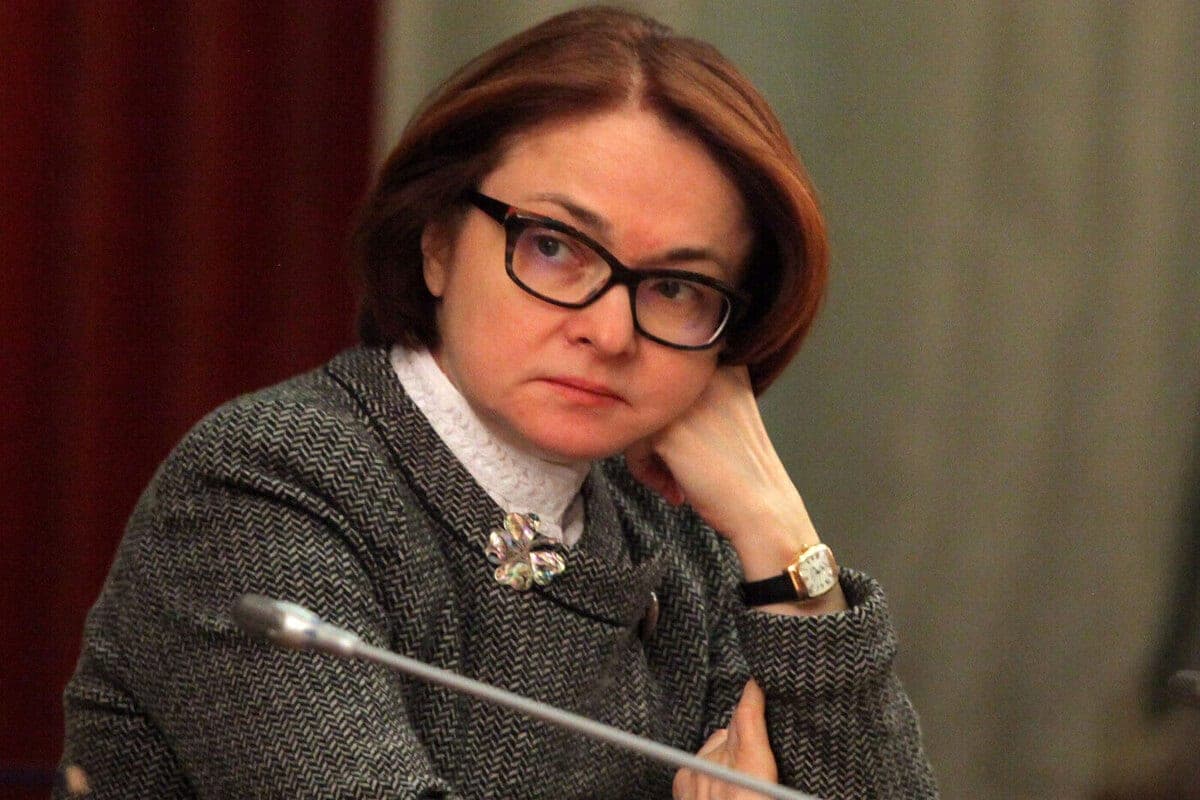
However, Elvira Nabiullina (by the way, she finally came to the meeting with a brooch - however, not on the lapel of the jacket, but on the shirt under the throat, but already something) refused to discuss the rate reduction in the current conditions. In September and October, this issue was not considered at all for three main reasons. In the first place, the head of the Central Bank put the attacks of the APU on refineries, other industrial enterprises, data centers, logistics centers, etc. The shocks have temporarily limited production capacity, and until damaged facilities are repaired, demand must grow at a moderate pace to avoid triggering an acceleration in inflation. “The space to reduce the rate will open up as the capacity is restored, but not earlier,” Nabiullina said.
The second reason is inflation expectations. This includes raising tariffs, because people had previously suspected that their growth was inevitable at double-digit rates, and they continue to guess - especially since an increase of another 11% is planned even in the next year's budget. Of course, you can tell the mantra that in fact it does not affect anything, inflation expectations will still remain high, and this is a clear signal for the Central Bank to hold the rate.
The third reason is budget expenditure. This year, as well as in the next two years, a higher contribution of the budget to demand is expected than the Central Bank originally expected. “Each of these reasons is weighty in itself, and in combination they give a signal that it is impossible to reduce the rate,” Nabiullina said, noting that this would lead to bad results – “an increase in interest rates in the economy, rising prices, new difficulties for our enterprises.”.
Eser Valery Gartung urged the head of the Central Bank to call things by their names and more honestly assess the prospects for reducing inflation. According to him, the Minister of economic development Maxim Reshetnikov behind closed doors explained to deputies why housing and communal services tariffs next year can not grow by less than 11%. However, the regulator continues to indicate a price increase of 4% as a goal. I agree that 4% is better than 11%. But let's take reality into account, Gartung suggested.
The SR speech was interrupted by Mr. Aksakov, who recalled that Reshetnikov’s speech was not public. “I won’t tell you what he said,” Gartung said. But since the government considers the increase in tariffs by 11% justified, then inflation, according to the MP, will not be less. And in general: in a market economy, the fight against inflation can be carried out through containment of demand, and in an economy where “costs are the cause of inflation”, such a mechanism does not work.
Elvira Nabiullina did not like Gartung’s words. She said that the Russian economy remains predominantly market-based, and the double-digit inflation figure indicated by the SR is unacceptable. “You will not stop at such inflation – the higher the inflation, the faster it spins,” the head of the Central Bank concluded
