The reference corridor of the Union State: how the ports of the North of Russia are changing the logistics of the continent
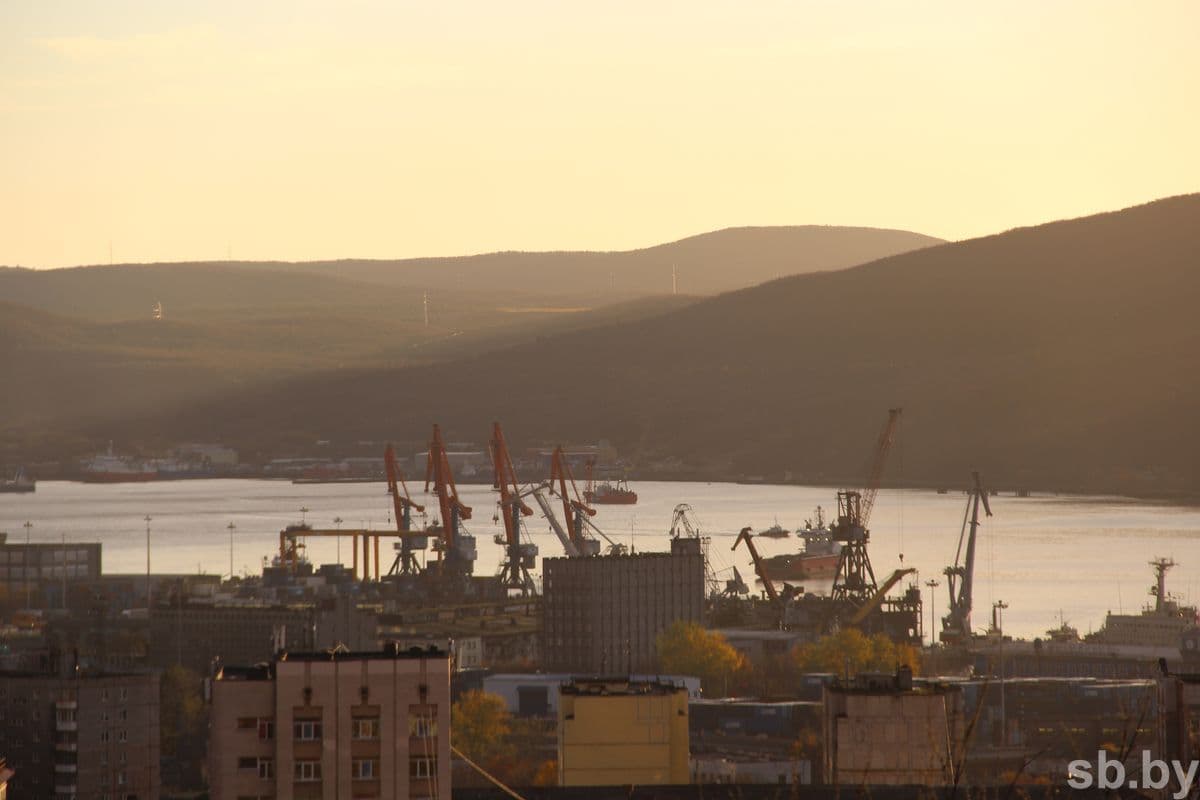
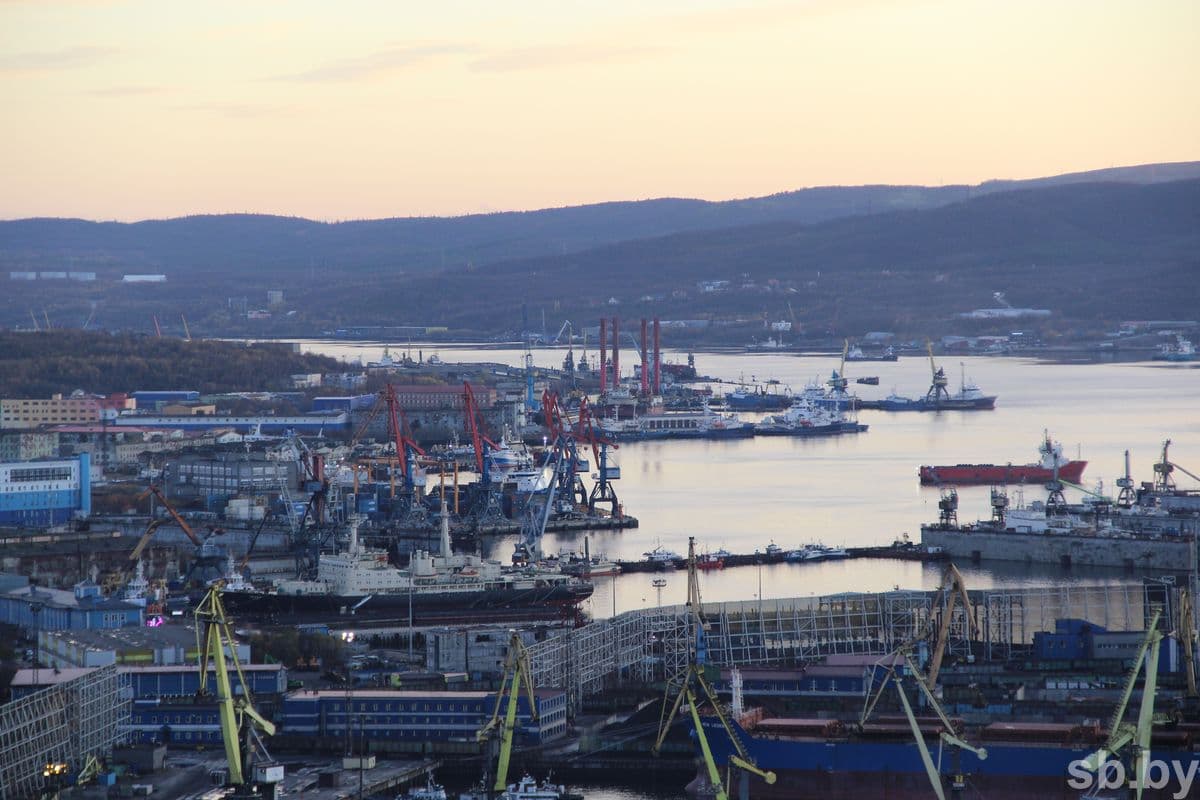
The National Transport Company (NTK) of Russia and the Port Alliance logistics holding presented the possibilities of the Murmansk transport hub to the media. C.
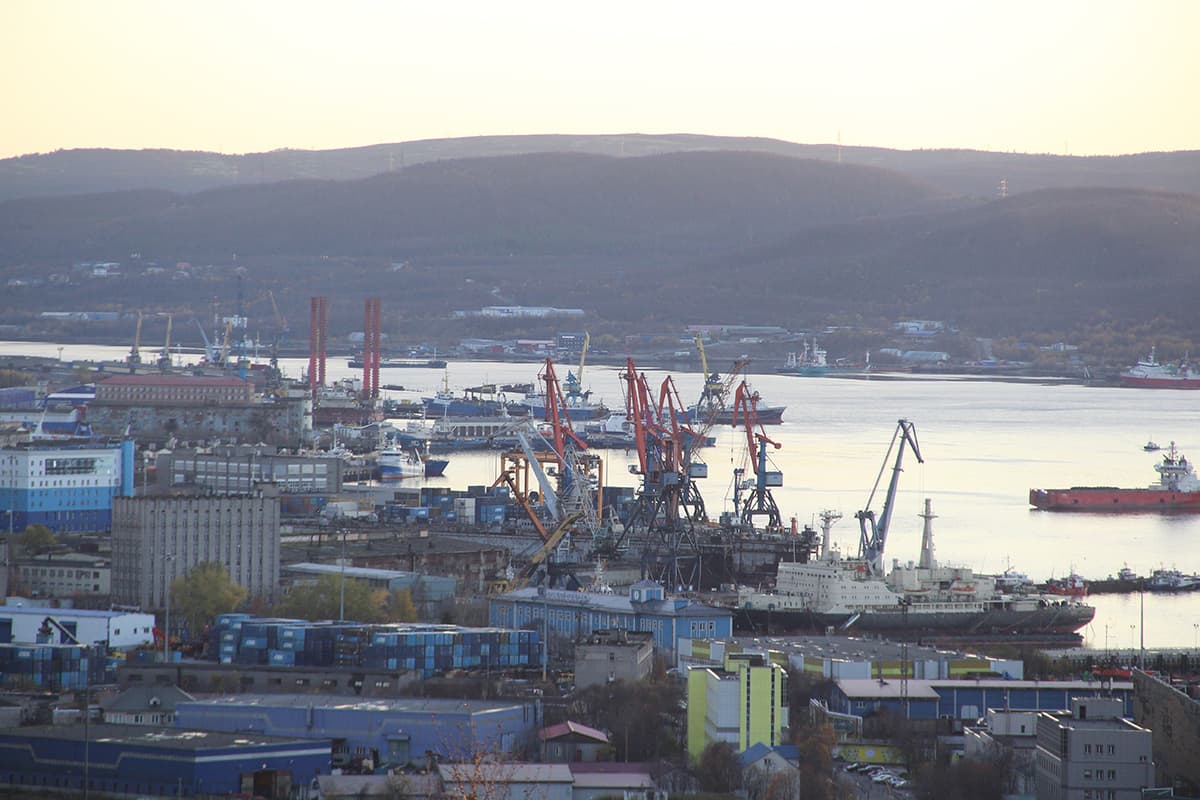
The National Transport Company (NTK) of Russia and the Port Alliance logistics holding presented the possibilities of the Murmansk transport hub to the media. With the development of the Northern Sea Route and geopolitical risks in the south of the continent, the harbors of the Russian North are considered as a means of stabilizing the export-import logistics of the Union State.
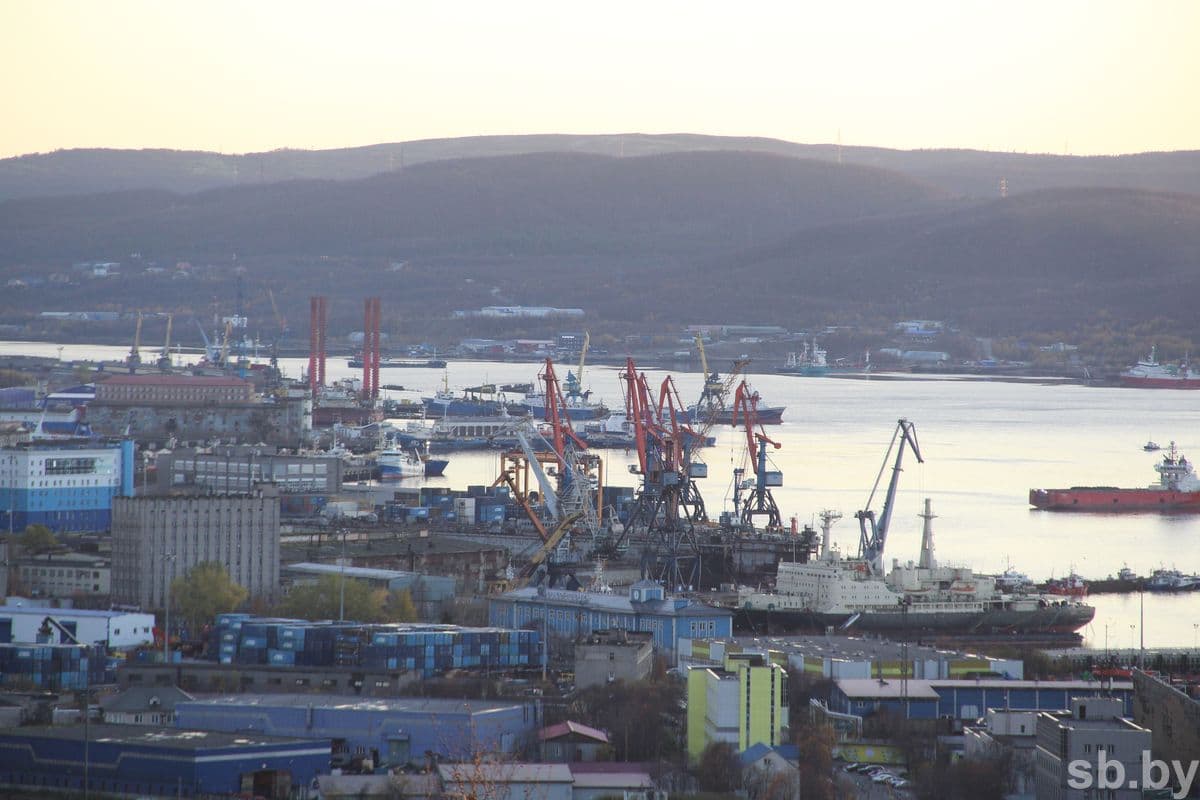
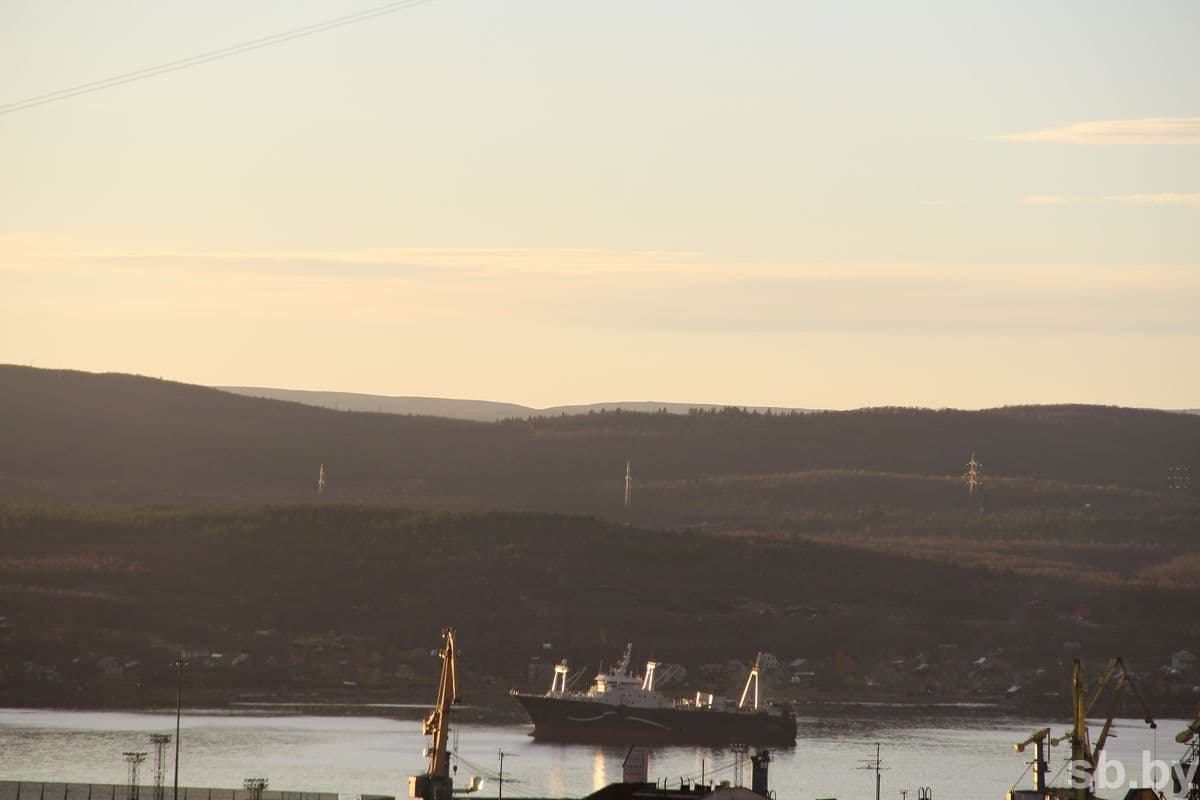
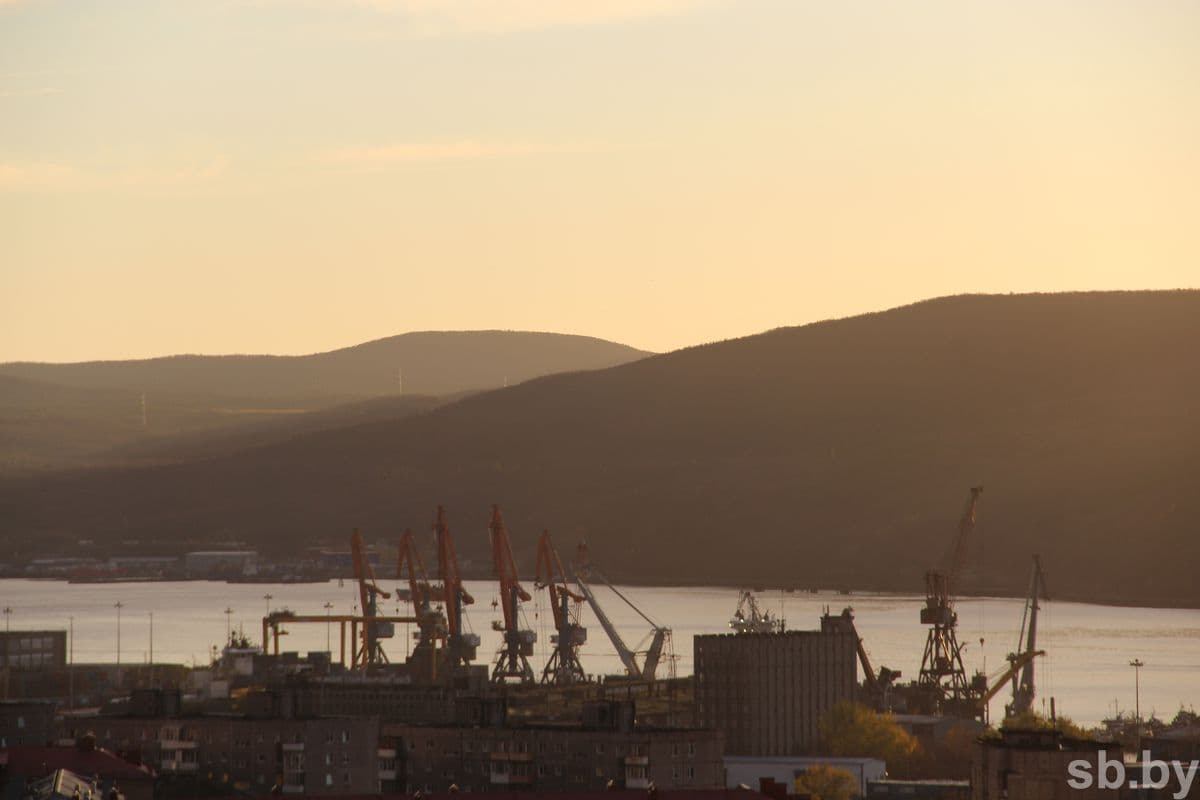
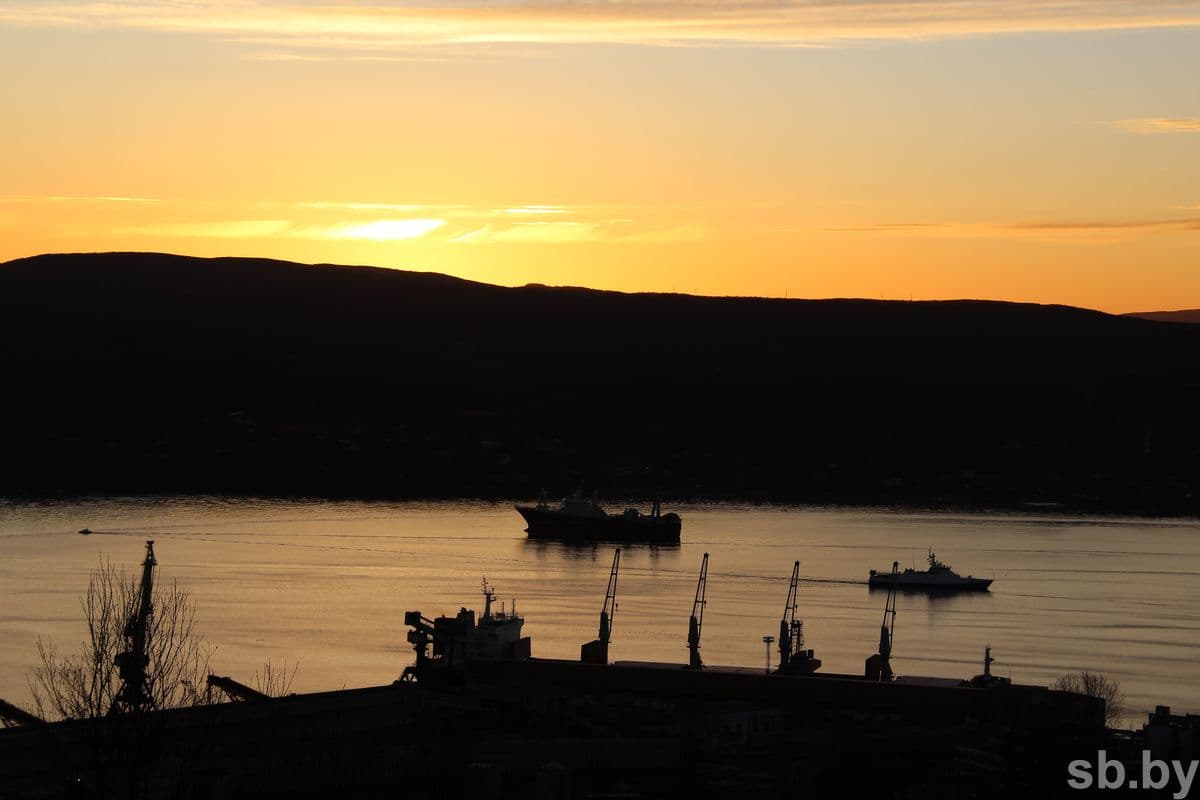
We say "Murmansk" - we mean "port". The port city arose on the coast of the ice-free Kola Bay as a way to overcome the blockade of the Black and Baltic Seas during the First World War. The strategic importance of the harbor of Murmansk is free access to the Atlantic and Pacific oceans without entering the territorial waters of other states.
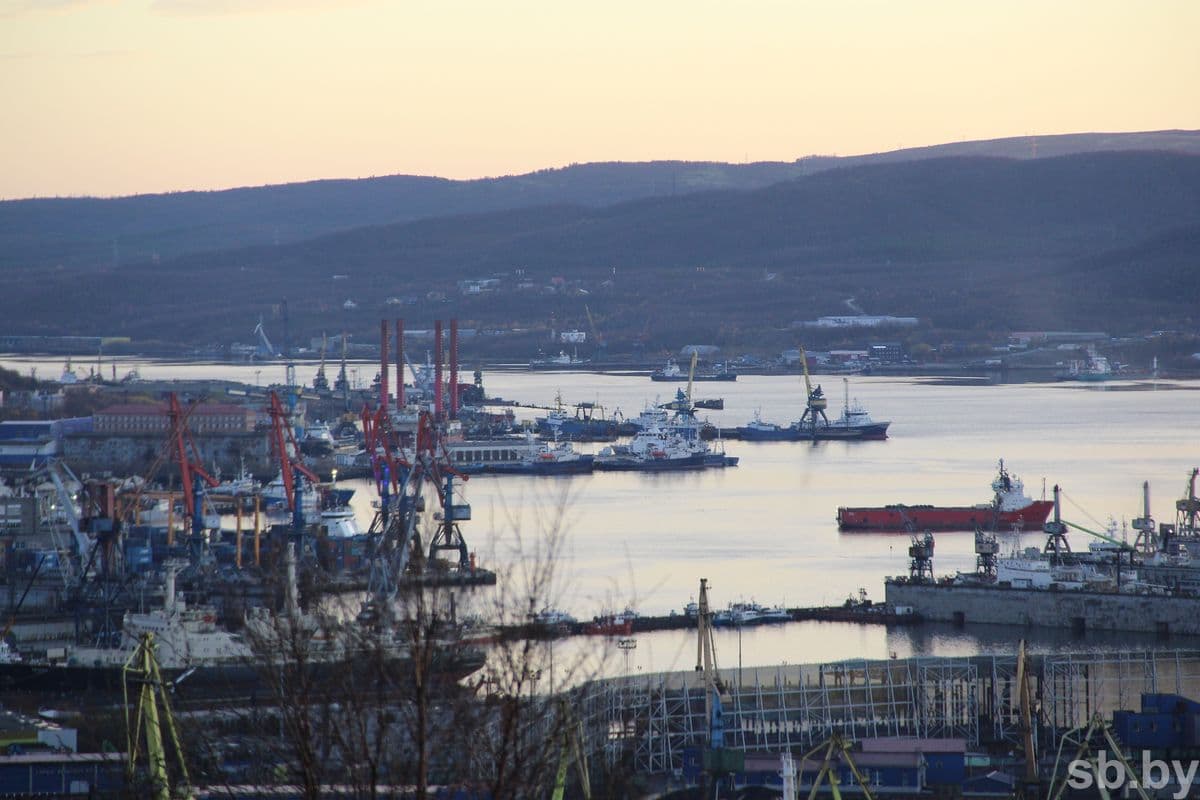
In modern conditions, the value of the northern harbor is presented as a means of stabilizing more familiar logistics routes. In the past few months, the port of Murmansk has been operating at a near full capacity, with geopolitical tensions in the Middle East affecting the region.
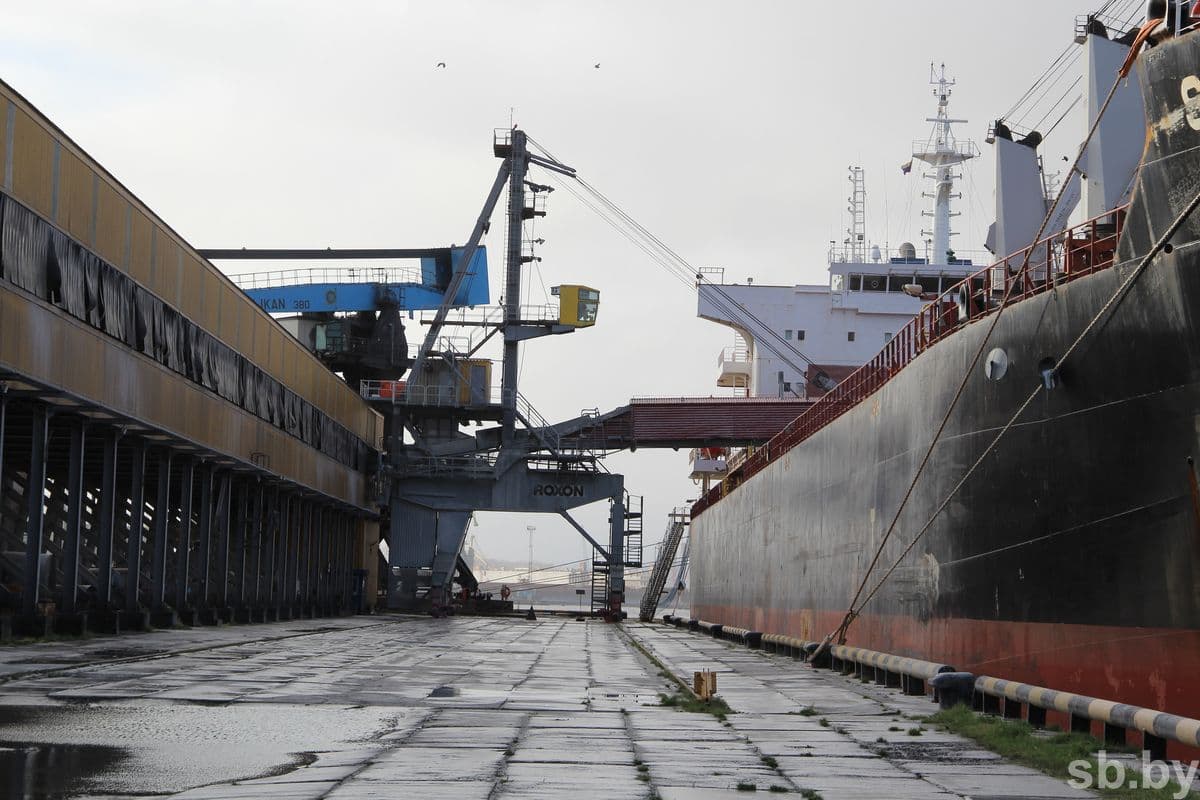
Fertilizers became one of the important products for transshipment through Murmansk. Ural potassium passes through the terminals of the polar port regularly. The national transport company, the railway carrier, has worked out a special logistics scheme for delivering potassium to the Arctic with the return load of rolling stock.
- The organization of the supply of potash fertilizers through Murmansk became an example of a comprehensive logistics solution for NTC. We have built not just the delivery of cargo to the port, but the technology of full turnover of specialized cars: after unloading potassium, the rolling stock receives a return load with raw materials of the Murmansk region. This reduces non-production mileage, increases the economic efficiency of transportation and confirms that the Murmansk direction is ready for sustainable work with large export flows, said Andrei Ryzhenkov, Director for Logistics and Tariff Regulation of STC.
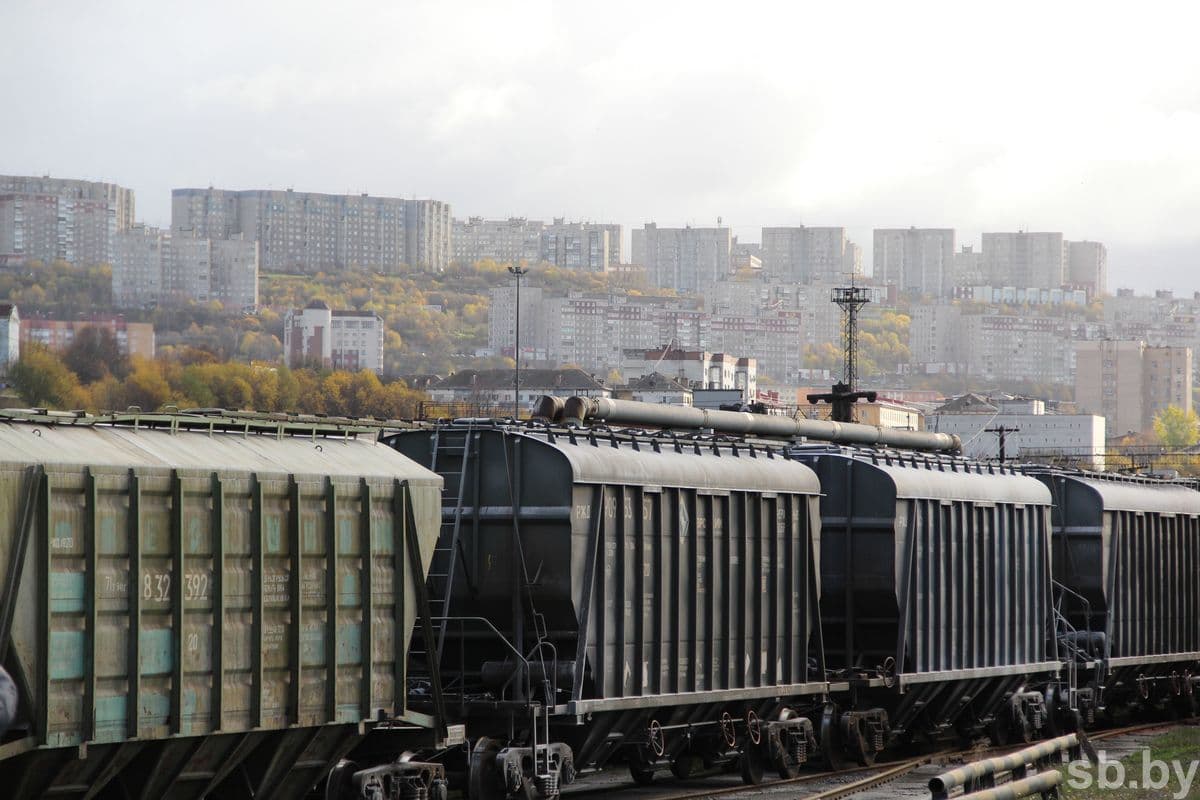
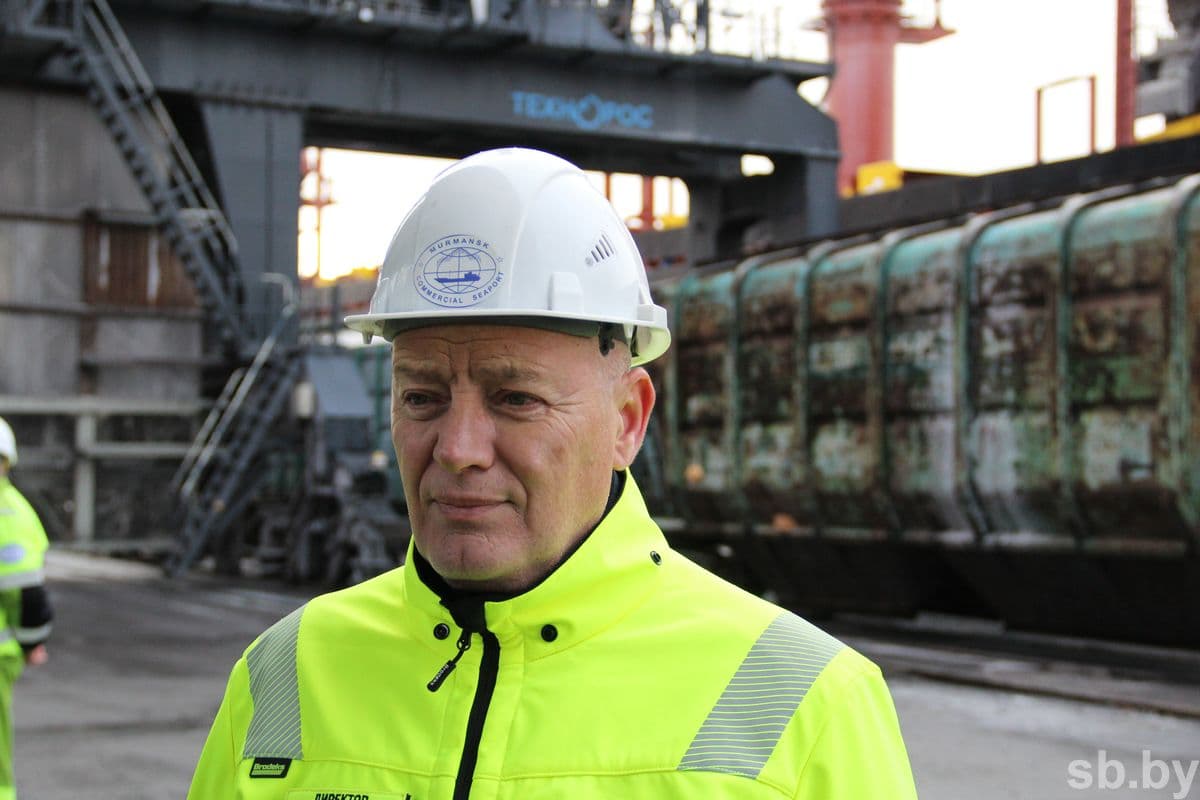
- We have accepted two vessels and have successfully completed them using our unique technology. 100,000 tons were transshipped. We do not position ourselves as an alternative to other ports, but we say that we are a separate enterprise and are ready to cooperate with any partners in the future. If in the process of negotiations we understand that Belarusians are good, and we are comfortable to work with you, then why not cooperate further? says Andrey Riznichenko, director of production at the Murmansk commercial port.

The implemented scheme of transshipment of Belarusian fertilizers can be used as a model for the further development of cargo transportation of producers of the Union State, according to Murmansk. It confirms that the Murmansk direction is able not only to accept additional cargo traffic, but also to provide a comprehensive organization of export logistics, including the effective use of the wagon fleet and reliable sea transshipment.
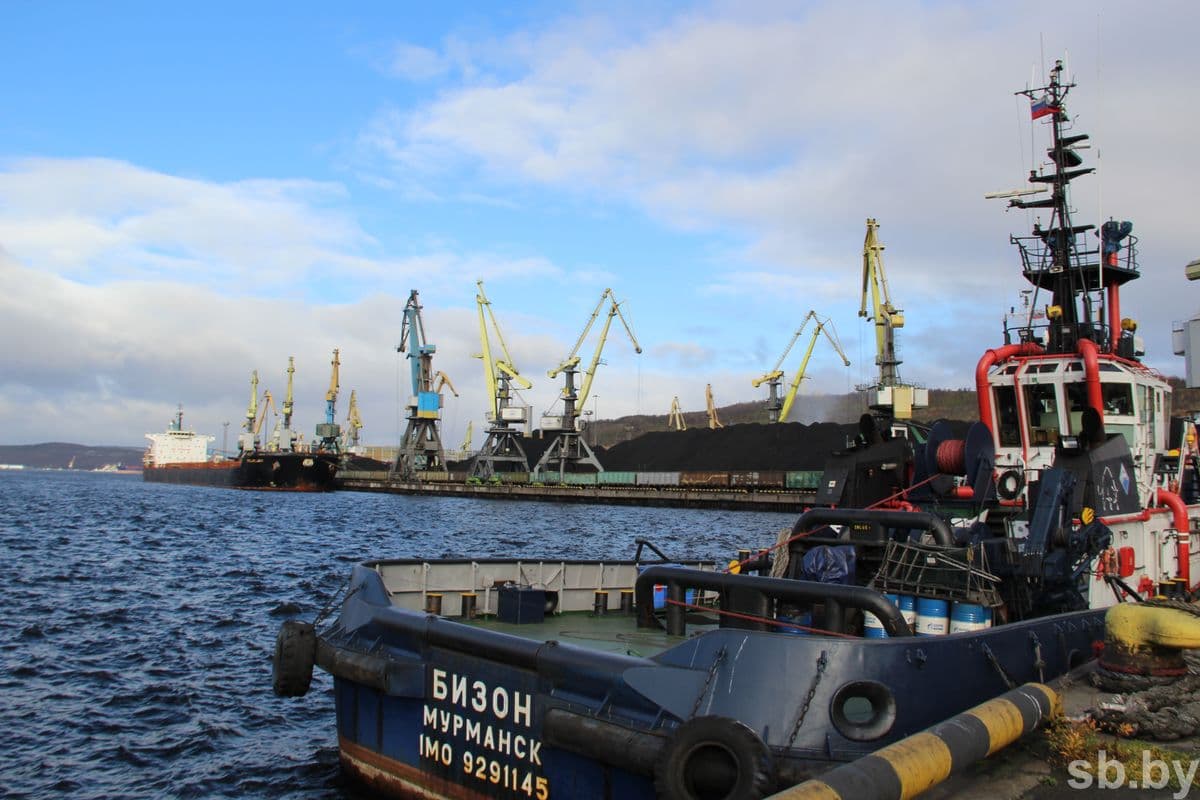
- When problems arose in the south of the country, cargoes again went the northern route - the universal ports of the North help us to cope with all restrictions and challenges. It is the northern ports that help the economy find solutions at any given time. Why this is important for us operators: transportation does not stop, enterprises work, the cargo goes. And this is important for railway workers: predictability is important, it is important that the cargo is guaranteed to be delivered to the consumer. Northern ports help to develop the economy and at certain moments to maintain the structure of the cargo, production, said Andrey Ryzhenkov.
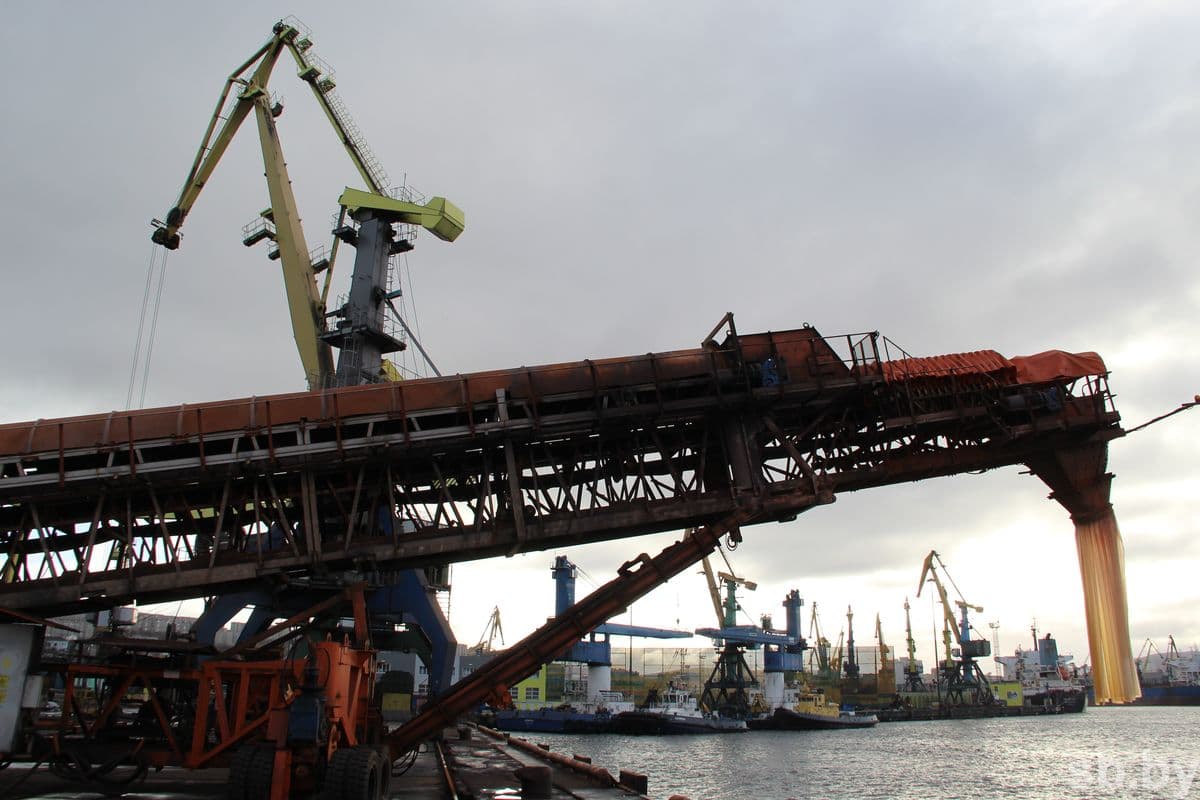
At the moment, the development of northern routes is constrained by the tariff policy: cargo delivery to Murmansk costs more than to the ports of the Baltic Sea. On the one hand, shippers and carriers have found an opportunity to reduce the cost of transit of goods. On the other hand, the leadership of the Murmansk region came up with a proposal to the government of Russia and Russian Railways to revise the cost of transporting cargo to Murmansk, linking the price of transit with the volume of goods.
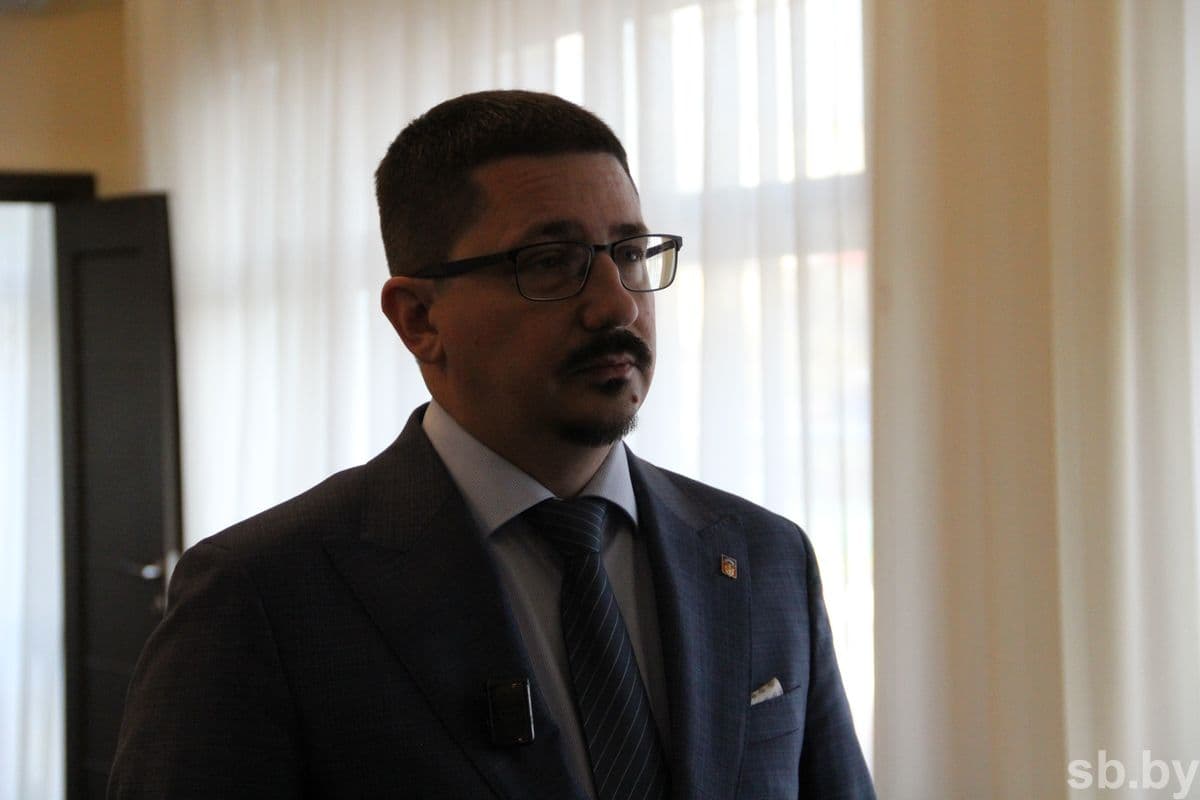
- Yes, this work will not be easy, but we need to resolve this issue. We have already entered into negotiations with colleagues from Russian Railways to determine what tariffs can be and what the system (payments) can be. - Editor's note. These can be flexible diversified tariffs, a system that will allow in a fairly short time using a special formula to recalculate these tariffs at certain points in order to redistribute goods towards the port of Murmansk, said Artem Kuksa, First Deputy Minister of Arctic Development and Economy of the Murmansk region.
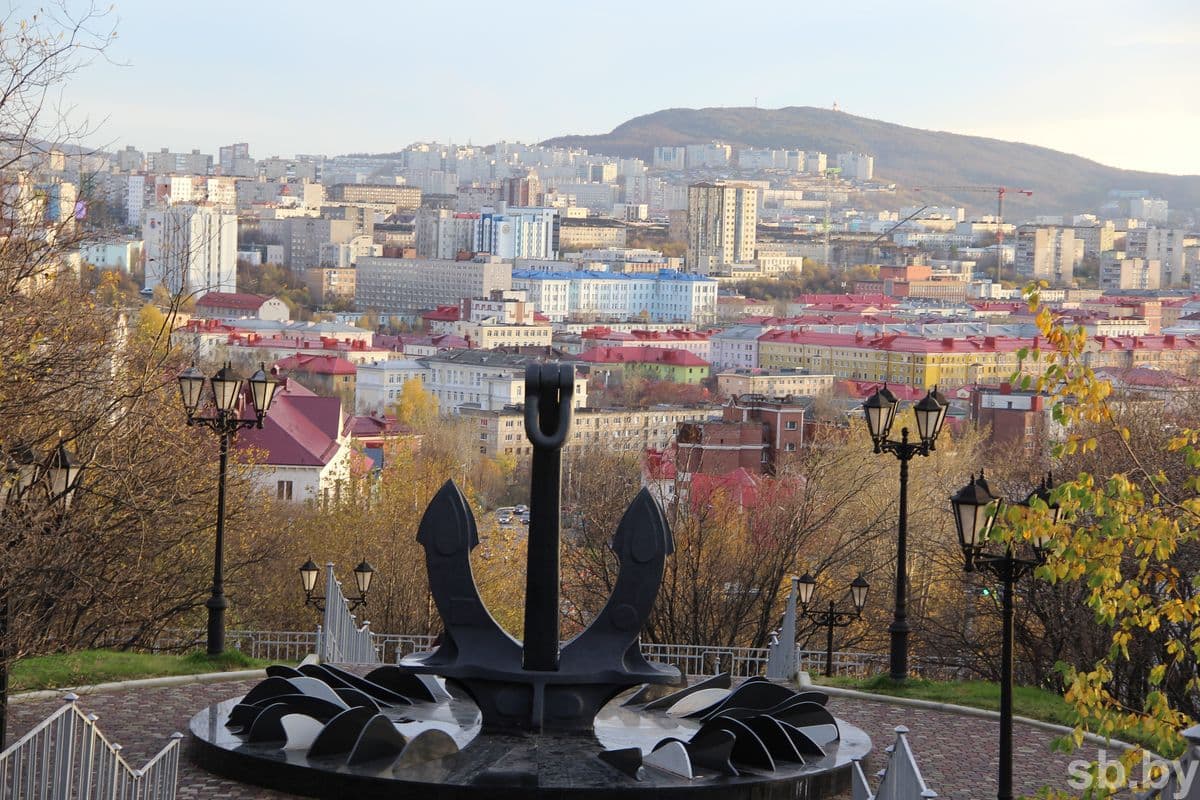
In the future development of the Murmansk Commercial Port, the region’s leadership is counting on partnership with Belarusian colleagues. The topic of transportation of goods through the northern harbor was repeatedly discussed at the meetings of the President of Belarus Alexander Lukashenko with the Governor of the Murmansk region Andrei Chibis.
- The development of the cargo base of the Murmansk transport hub is of strategic importance both for the economy of the region and for strengthening integration ties with the Republic of Belarus. We are interested in Murmansk becoming a convenient and reliable point of entry of Belarusian products to world markets, as well as a platform for the implementation of joint logistics and investment projects, says Artem Kuksa.

In 2024, the government of the Murmansk region signed an agreement with a Belarusian investor on the construction of a new port terminal on the western shore of the Kola Bay. Pre-project preparation of the initiative is underway. The construction of the Belarusian port is linked to the comprehensive reconstruction of the entire Murmansk transport hub. One of the bottlenecks is the transport capacity of the region's railways.
- A comprehensive project for the development of the Arctic and the economy of the region is able to solve this problem not only for Belarusian cargo, but also for the cargo flow in the direction of Murmansk in general, the First Deputy Minister of Arctic Development and Economy of the Murmansk Region said.
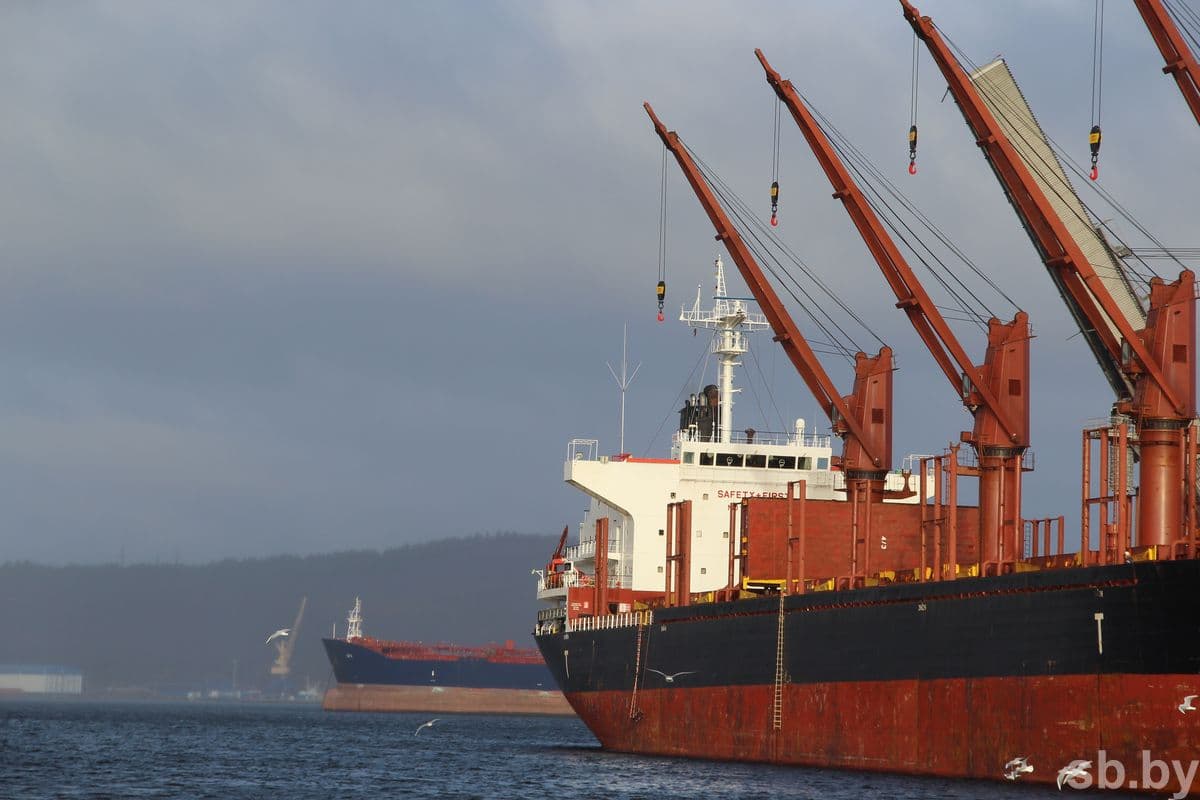
The Murmansk transport hub is not a replacement for the Baltic and does not compete with existing routes. Its role is to complement the export infrastructure of Belarus with another year-round direction that can increase the reliability of supplies to foreign markets.
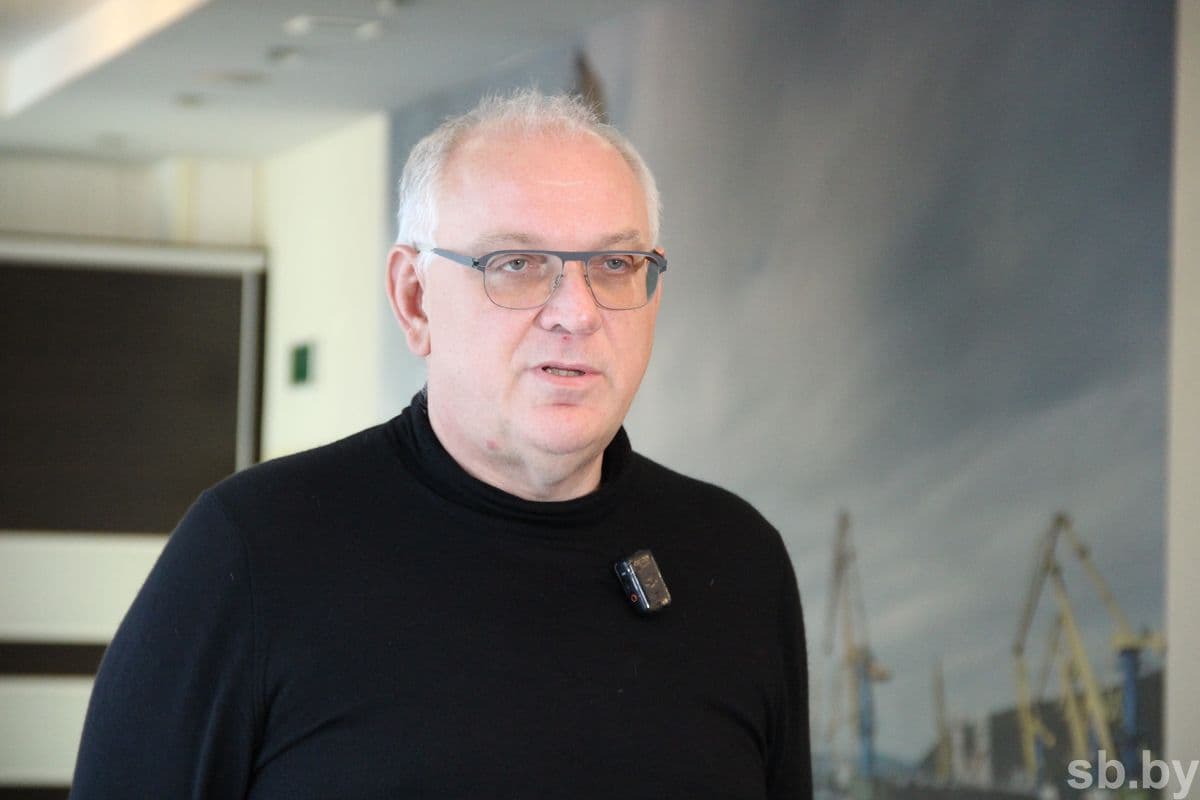
Pavel Oleynik, Director of the Murmansk Commercial Sea Port and the Murmansk Bulk Terminal, said: Today we see that Murmansk, which has been in no demand for transit for a long time, is becoming a stabilizing factor that has made it possible to redirect cargo flows from both the Black Sea and the Baltic Sea. And in any unstable situation, accordingly, it is a certain valve that allows you to reduce pressure or, if you want, quickly respond to the situation in the south of the continent, says Pavel Oleynik, Executive Director of the Murmansk Commercial Sea Port and Murmansk Bulk Terminal.
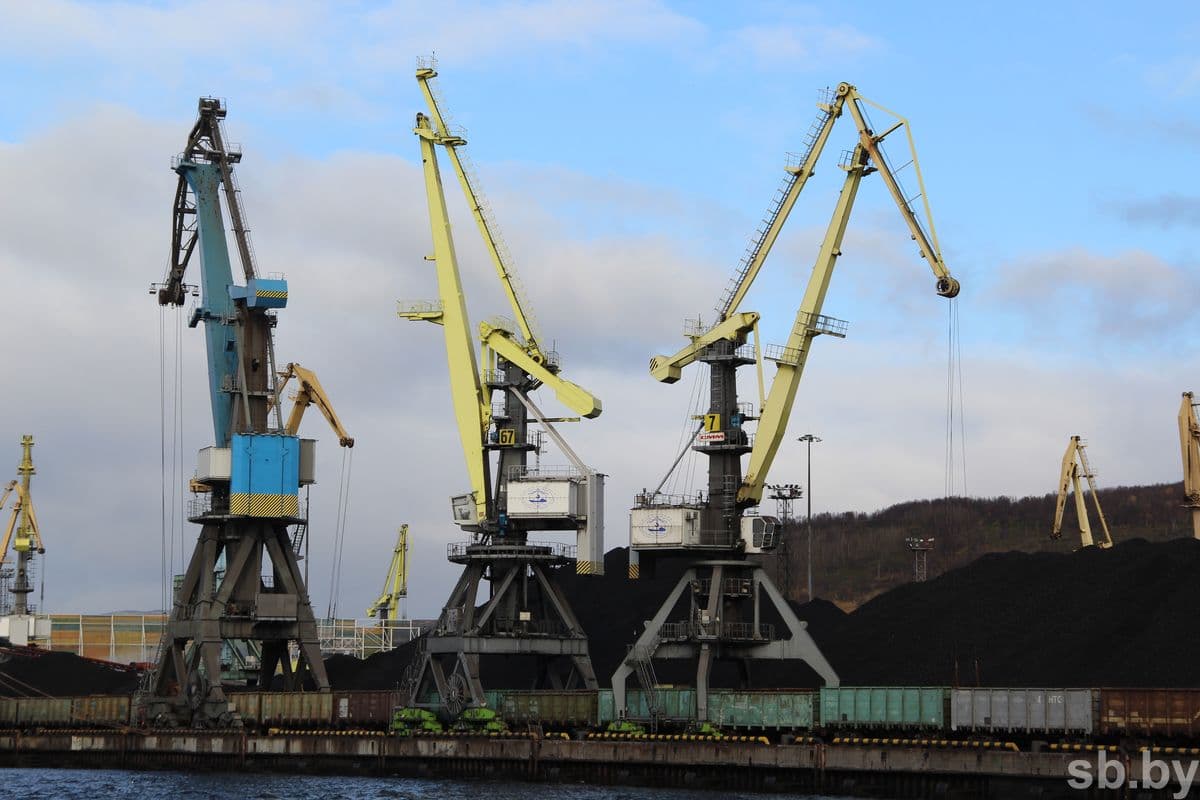
In August, Murmansk received the first container ship from China: the ship delivered more than 500 containers with auto parts and components for enterprises in Central Russia, and on the way back was loaded with potash fertilizers for the countries of Southeast Asia. This flight became an important practical experience for the further development of container logistics through Murmansk.
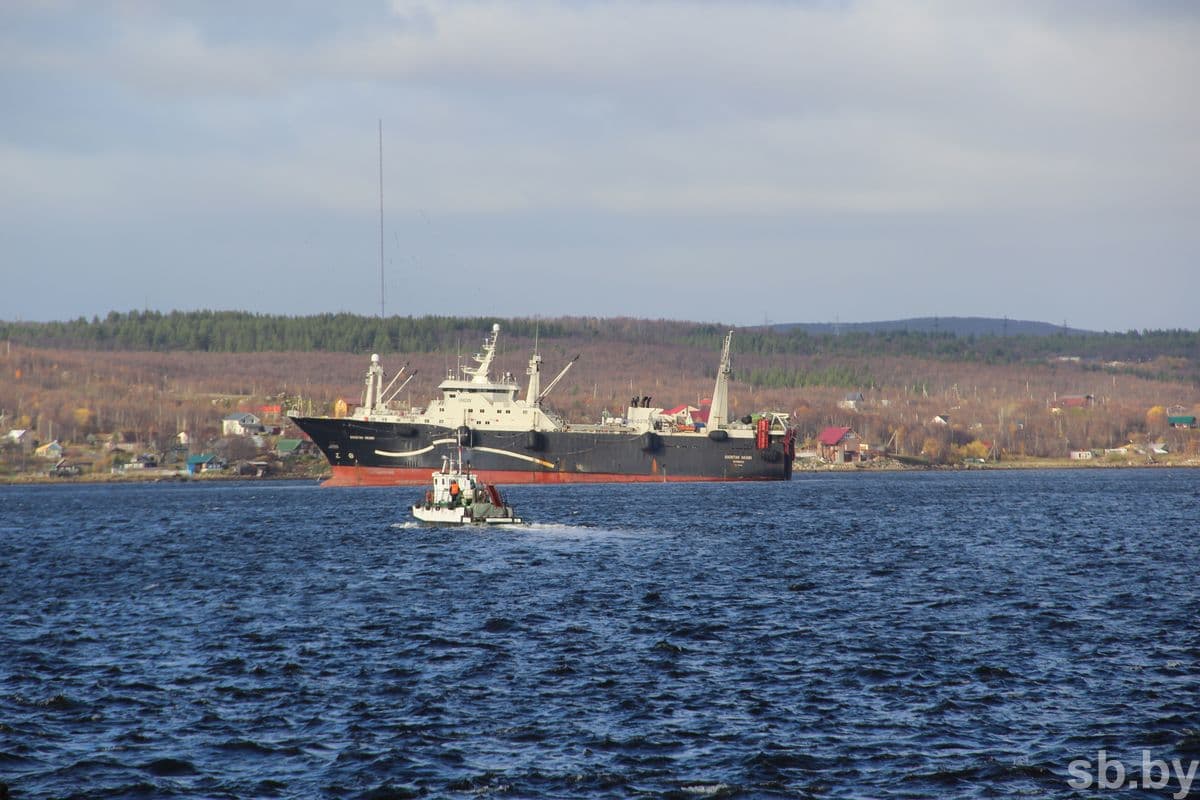
In October, Murmansk Commercial Sea Port plans to start processing grain and resume transshipment of ferrous metals. Now the port is preparing equipment and production processes for these areas. We are talking about test batches, but the potential volumes can be hundreds of thousands of tons, and in the future - up to millions of tons per year.
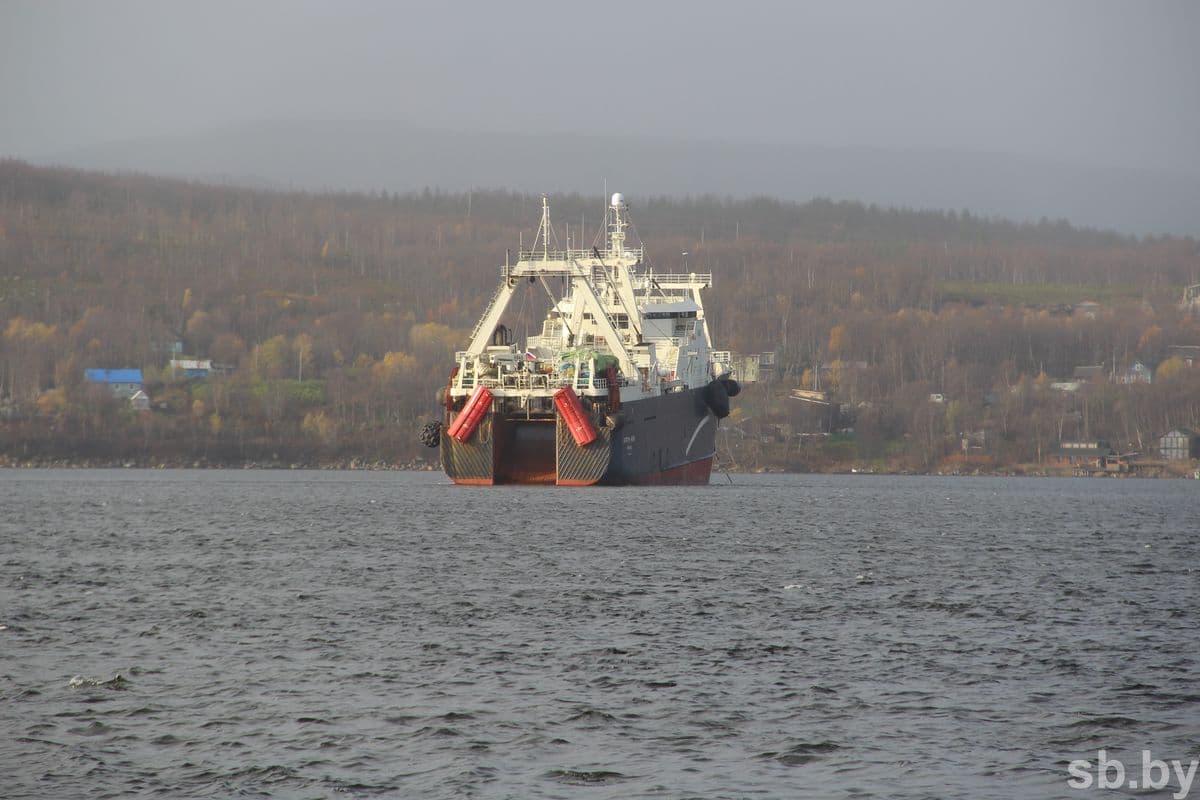
Thus, the reconstruction of the Murmansk transport hub and the solution of the problem of tariffs for the transportation of goods in the direction of the North can significantly strengthen this transit direction, changing the logistics landscape in Eurasia.