
More than 110 thousand traffic under navigation seals: EAEU sums up the first results
EAEU builds end-to-end digital control over cargo transportation In seven months, the electronic navigation seal has ceased to be an experiment and has become an experiment.
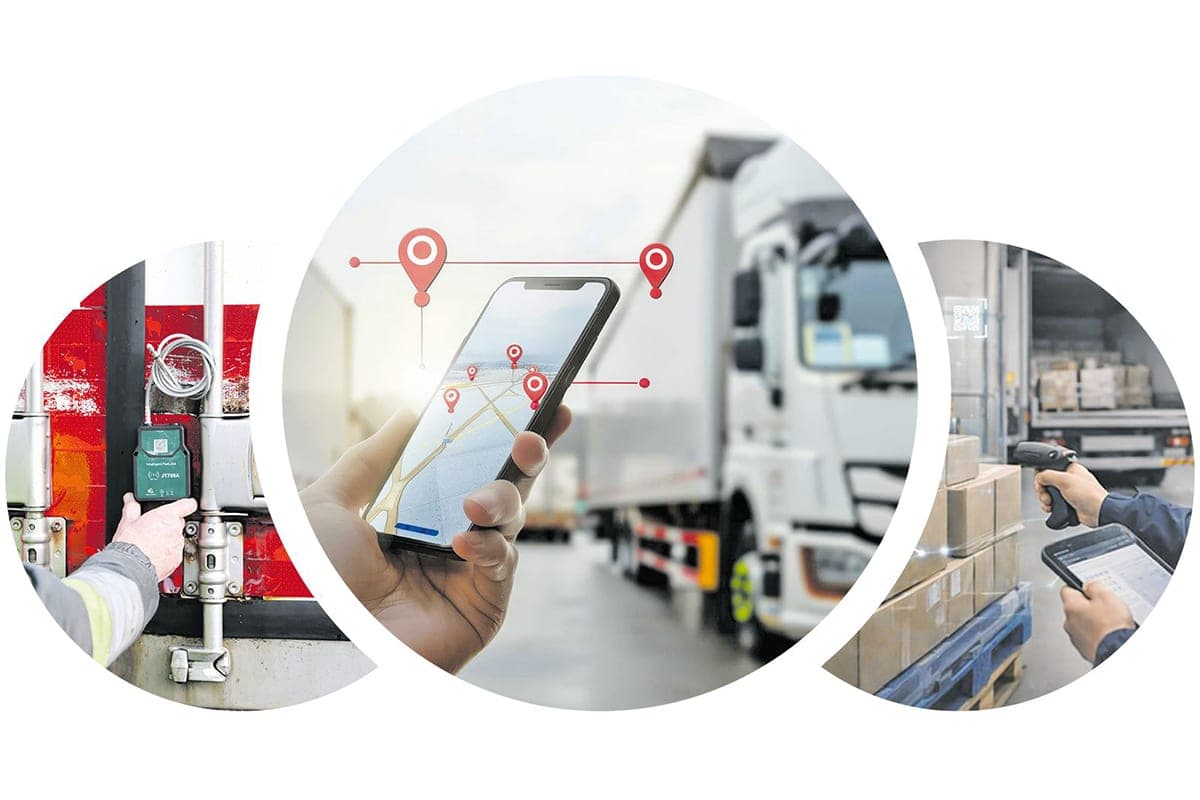
EAEU builds end-to-end digital control over cargo transportation
For seven months, the electronic navigation seal ceased to be an experiment and became part of the daily logistics of the Eurasian Economic Union: business tried the system, and the first quantitative results of its work at the international conference dedicated to the 35th anniversary of the Customs Service of the Republic of Belarus were presented by the Minister for Customs Cooperation of the Eurasian Economic Commission Sergey Shklyaev.
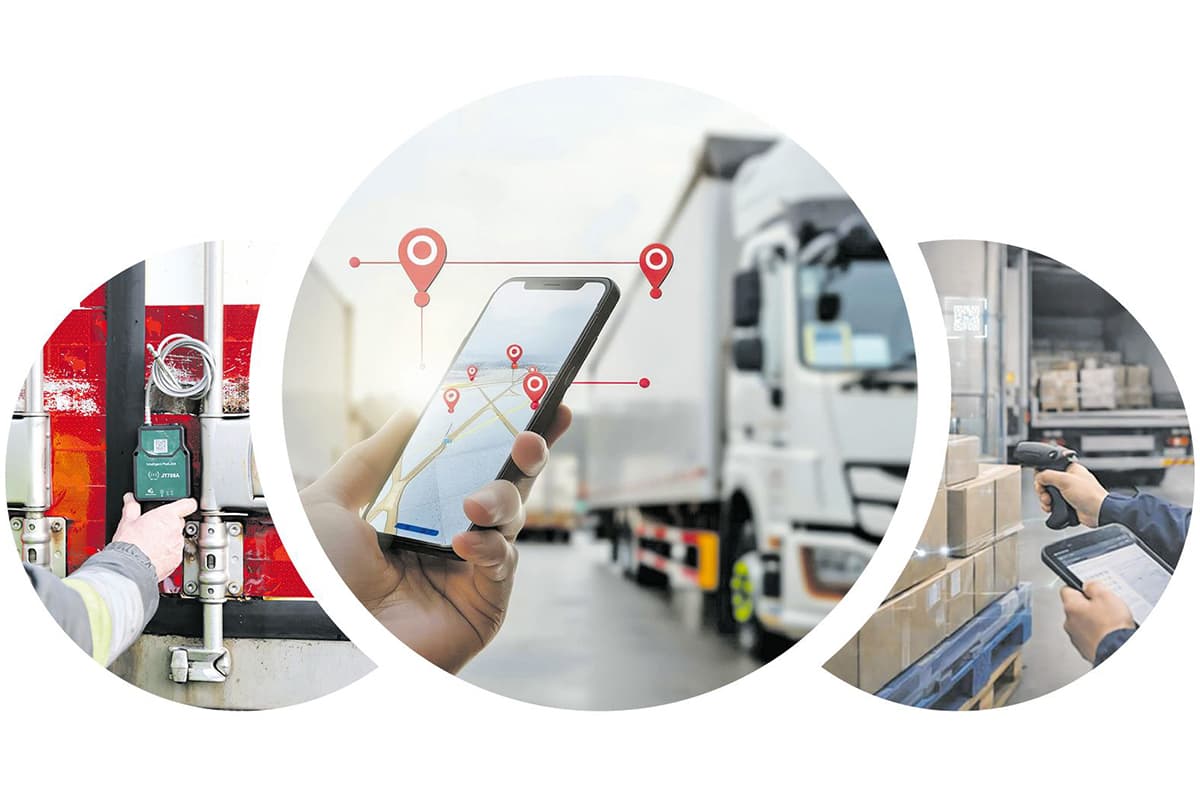
September 10 marks seven months since the beginning of the use of navigation seals on the territory of the Union. During this time, more than 110,000 traffic was tracked, over 12,500 carriers used the service. The Commission constantly monitors the system, and if there are questions, we organize working groups at a high level, said Sergey Shklyaev.

Sergei Shklyaev. He recalled that the tracking of traffic on the territory of the Union with the use of navigation seals began on February 11 this year. On July 31, the second stage began: the range of goods and cases of transportation subject to tracking has expanded. According to the minister, the business notes the simplicity of the procedure: the registration takes from one to five minutes, and the sealing of the vehicle takes 2-3 minutes. In the presence of a seal, the use of certain forms of customs control, in particular inspection, is minimized.
Before the advent of electronic navigation seals, customs control in the EAEU and on international routes was based on the physical isolation of cargo, paper documents and personal escort. The purpose of the new system is to optimize logistics, simplify and speed up the delivery of goods to the recipient.
The project is implemented jointly by the Eurasian Economic Commission and the governments of the EAEU countries, but Belarus and Russia became the main initiators, developers and testers of the technology. Having worked out the mechanism on bilateral routes, Moscow and Minsk proposed to extend this experience to the entire union.
Business Lines Group is one of the largest Russian transport and logistics operators operating on the routes of Russia and the EAEU countries, including Belarus, which confirms that logistics between the countries demonstrates stable positive dynamics. The key checkpoints on the border - "Yukhovichi - Dolostsy", "Yezerishche - Nevel", "Liozno - Kruglovka", "Radki - Krasnaya Gorka", "Zvenchatka - Dubovichka" and "Selishe - Novozybkov" - at the moment are not overloaded, the verification of documents on the upcoming delivery is carried out selectively, so the actual delivery time is not affected.
- Today delivery to the address is available in 21 cities of Belarus. The border division in Smolensk, opened in 2024, is equipped with modern equipment, which allows to improve the safety of goods and the speed of their processing, as well as improve transport accessibility for customers, the logisticians told R.
The main challenge for automotive logistics between the countries for August 2026 in the company called the need for clear synchronization of processes and end-to-end digital control through the SPOT system.
If earlier transportation within the EAEU was issued on standard invoices (CMR) without strict control of the timing by government agencies, now without a previously generated QR code, the car can not pass at the border.
The Russian buyer must pre-issue in the system an electronic document on the upcoming delivery (DPPP), after which a QR code is automatically generated, which the importer presents at the border with Belarus. You need to get a QR code at least four hours before crossing the border. The DPPP shall specify the exact information about the carrier, state numbers of the vehicle and codes of the HS. Any mistake or replacement of the car on the move requires prompt re-issuance of the document by the importer before entering Russia.
The navigation seal ensures that the goods physically reached their destination, and SPOT ensures that taxes are paid to the state in advance for this product. A Belarusian seller cannot simply load a car and send it to Smolensk or Moscow – it is strictly dependent on its Russian buyer, and any failure or delay in the process can create difficulties given the significant volumes of mutual trade. Therefore, the parties are developing a separate, softer procedure for the operation of the SPOTS for mutual trade.
While for Belarusian deliveries through the Russian-Belarusian section of the border there is a preferential regime: the requirement for a security payment under the SPOT is not applied - it will come into force from November 1.
AMENDMENT "R"
SPOT (Merchandise Traceability System) of the Federal Customs Service of Russia is a digital import control platform created to combat the grey market by tracking the path of goods from the border to the final buyer.
