
Repatriates earn a third less: Histadrut calls for changes in the labor market
Why are thousands of skilled immigrants in Israel forced to work in non-specialty jobs, and their salaries are much lower than the earnings of natives of the country? This issue became central to the second all-Israel conference “Olim Letaasuka” (“Repatriates in the Labor Market”), dedicated to the Day of Repatriates (Yom Haaliyah)
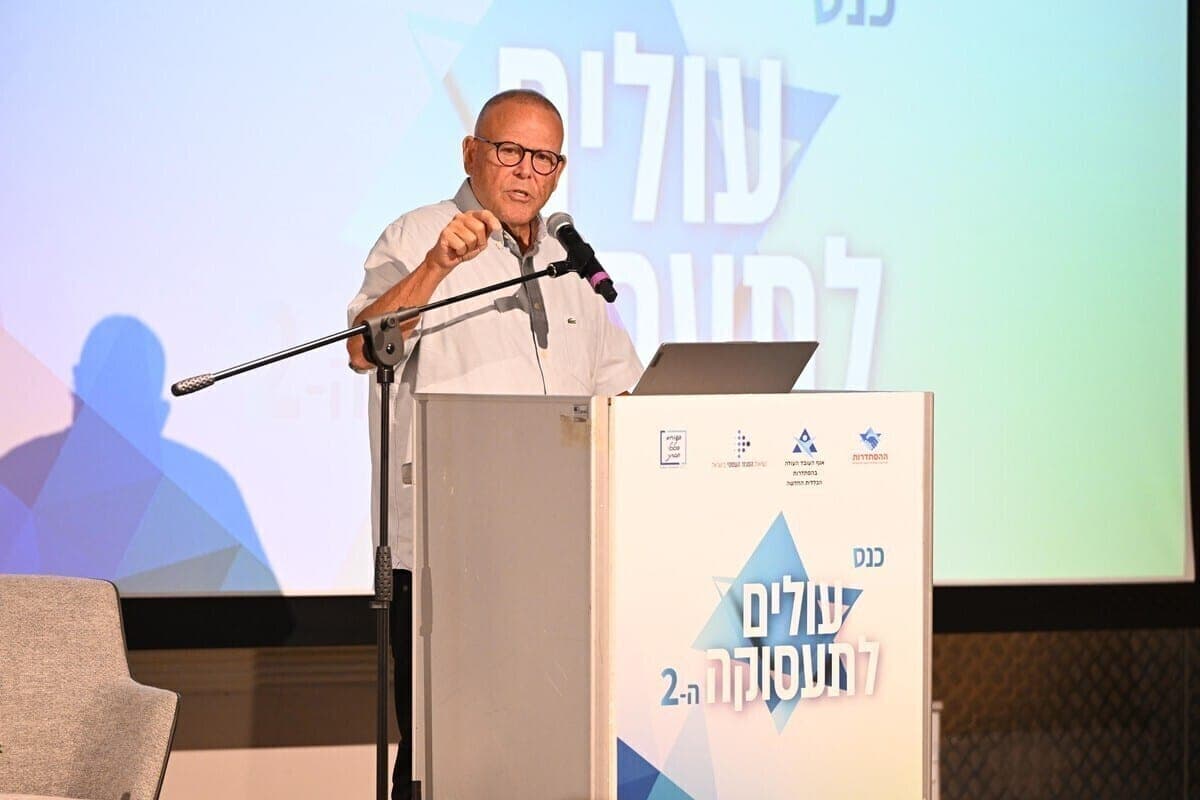
Why are thousands of skilled immigrants in Israel forced to work in non-specialty jobs, and their salaries are much lower than the earnings of natives of the country? This issue became central to the second all-Israel conference “Olim Letaasuka” (“Repatriates in the Labor Market”), dedicated to the Day of Repatriates (Yom Haaliya). The event took place a few days ago in the complex "Kfar ha-Makabiya" in Ramat Gan.
The meeting was organized by the Histadrut Office for Repatriates, headed by Alex Miller. The discussion was attended by Knesset deputies, representatives of ministries, municipalities, trade unions, public organizations and employment experts.
The main problem that participants drew attention to was the discrepancy between the qualifications of returnees and the work they manage to find. Foreign diplomas, many years of professional experience and popular specialties do not always open the way to a worthy position.
Opening the conference, Alex Miller recalled that five years ago, the head of the Histadrut, Arnon Bar-David, decided to recreate the Office of Repatriates.
Today, the Office helps repatriates protect labor rights, advises on employment issues, organizes training for workers’ committees and interacts with employers and government agencies.
Support is not just for new citizens. Even people who have lived in Israel for decades often face difficulties in communicating with employers and do not know their rights. According to Alex Miller, almost 14 percent of immigrants do not work in their specialty.
This problem is particularly acute now that the specialists of the great aliyah of the 1990s are gradually retired, and hospitals, schools and enterprises are experiencing an acute shortage of qualified workers.
Alex Miller urged not to limit yourself to attracting foreign labor while the professional potential of returnees remains unclaimed.
Among the proposed solutions are simplification of recognition of foreign diplomas, reduction of bureaucratic procedures, professional retraining and subsidization of employers accepting repatriates after graduation.
“When a person feels protected and realizes that he is not alone with the employer, the employee, the company and the society benefit,” said Alex Miller.
Histadruth Chairman Arnon Bar-David recalled that the restoration of the Office of Repatriates has become one of his priorities since taking office in 2019.
He praised Alex Miller and stressed that the trade union movement should help people regardless of their background, length of residence in the country and political beliefs.
“The person who comes to a new country needs to know that he is seen, heard and supported. This is the kind of confidence Histadrut should give, said Arnon Bar-David.
The Chairman of the Histadrut recalled the great contribution of aliyah in the 1990s to the Israeli economy, science, medicine and culture. According to him, today it is necessary to create conditions so that new generations of returnees can equally successfully realize their abilities.
He also spoke about the development of educational, social and cultural programs of the Histadrut, available to residents of peripheral cities.
Today, the organization unites more than 650 thousand people and aims to increase the number of participants to a million.
One of the most revealing moments of the conference was the presentation of the Arlozorov Forum research on the professional integration of returnees.
The focus was on the problem of “overskilling”, when the education and professional skills of a person significantly exceed the requirements of the position.
The data revealed a significant gap in earnings. In 2021, the average nominal monthly salary of long-term residents in the study group of workers aged 18 and over was NIS 12,848. For immigrants who have arrived since 2011, the figure has reached only 8,523 shekels. The difference is 4,325 shekels per month, or about 34%.
These figures showed just how serious the economic consequences of lack of professional integration can be.
Within the framework of the conference, three thematic discussions were held with the participation of Knesset deputies, representatives of state ministries, Histadrut and the expert community.
Participants discussed the recognition of foreign diplomas, professional retraining, protection of labor rights and the creation of conditions for the employment of immigrants in the specialty. Particular attention was paid to cooperation between state institutions, employers and trade unions.
According to the participants, the repatriate should not overcome all obstacles on his own - from studying Hebrew and confirming his diploma to finding work and defending his rights. A coherent support system is needed to reduce bureaucratic barriers, increase access to training and facilitate entry into the labour market.
The differences between central and peripheral areas of the country, where employment opportunities and employers' needs differ significantly, were discussed separately.
The second Olim Letaasuka conference outlined one of the important problems of the Israeli labor market: the country needs specialists, but does not always use the knowledge and experience of immigrants who have already arrived. Participants agreed that successful integration was not only measured by the number of new citizens employed. It is equally important that people be able to work in a profession, receive a decent salary and enjoy reliable protection of labor rights. It is in these areas that the Histadrut Office for Repatriates intends to focus further activities.
