
Salary in an envelope: what the employee and employer risk, explained in the FSZN
On the air of the program “Skazhinemolchi” on the TV channel “Belarus 1” the first deputy manager of the Social Protection Fund of the Population of the Ministry of Labor and ...
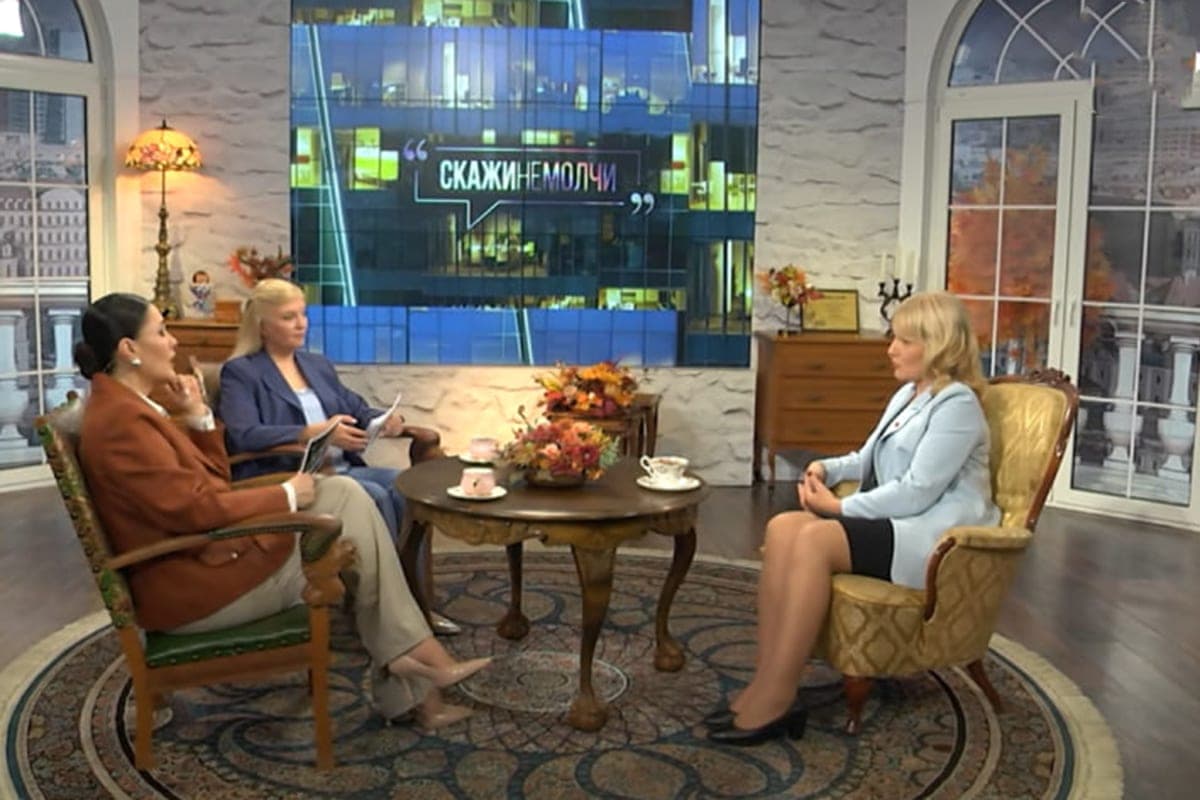
On the air of the program “Skazhinemolchi” on the TV channel “Belarus 1”, the first deputy manager of the Social Protection Fund of the Population of the Ministry of Labor and Social Protection of the Republic of Belarus Ekaterina Likhacheva spoke about the situation with gray salaries in Belarus and the consequences of payments in envelopes for both parties – the employee and the employer. It's from sb.by.
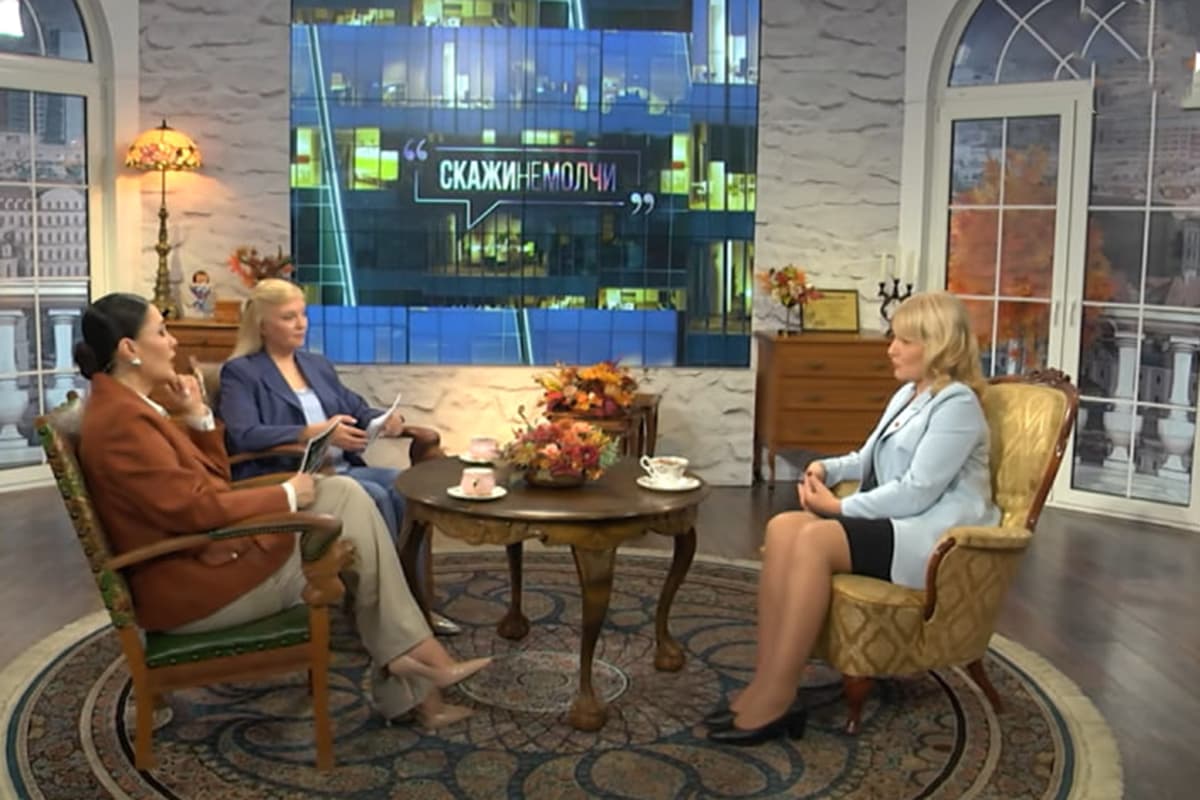
- Belarus has improved legislation that makes the payment of wages in envelopes economically unprofitable. Since 2021, criminal liability for intentional non-payment of insurance premiums has been introduced into legal practice – this is how schemes with “hidden” wages are qualified. As a result, the total amount of contributions paid in the country has increased, the studio guest noted. Nevertheless, cases of payment of gray salaries still occur. The problem is bilateral: employers seek to reduce costs (for example, in a private organization, envelope payments directly increase profits), and individual workers can agree to such terms for short-term benefit. In the long run, however, it is the employees who suffer.
Speaking about the consequences for the employer, Ekaterina Likhacheva explained:
- In identifying the fact of payment of wages in envelopes, strict measures are applied to the violator. Contributions are calculated according to the maximum calculation: for each month of the audited period, the calculation is carried out from the amount equal to five average salaries in the republic, to which the tariff of contributions is applied 35%. Even if, as a result of the audit, contributions for the employee were added, only minimum pension and social rights are formed for him. He receives a minimum insurance experience, the size of the sick leave directly depends on the official salary, as well as maternity allowance (it is planned to link to the level of salary and child benefits). Legislation clearly states that even if contributions were assessed after the violation was discovered, these amounts are not included in the calculation of future sick leave and benefits. The basis is the fact that the employee is aware of the nature of payments. Thus, gray wages reduce the amount of social guarantees, and the expected personal benefits turn into long-term losses. According to inspections, most often payments in envelopes are fixed in the taxi industry.
