Orthodontist answered whether wisdom teeth should be removed for teenagers to install braces
Russian orthodontist Andrey Zhuk explained what to do with wisdom teeth in adolescents who wear braces, and why in most cases the brain is not healthy.
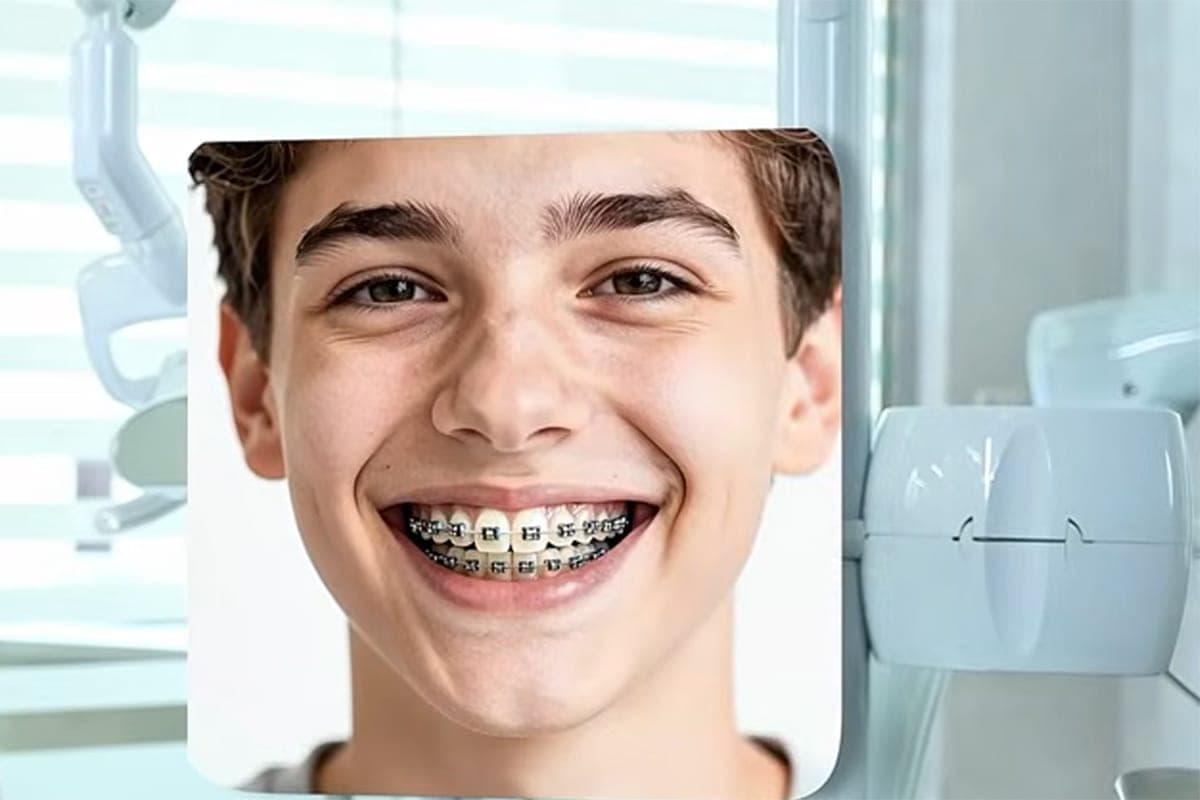
Russian orthodontist Andrey Zhuk explained what to do with wisdom teeth in adolescents who wear braces, and why in most cases it is better to remove eights in advance.
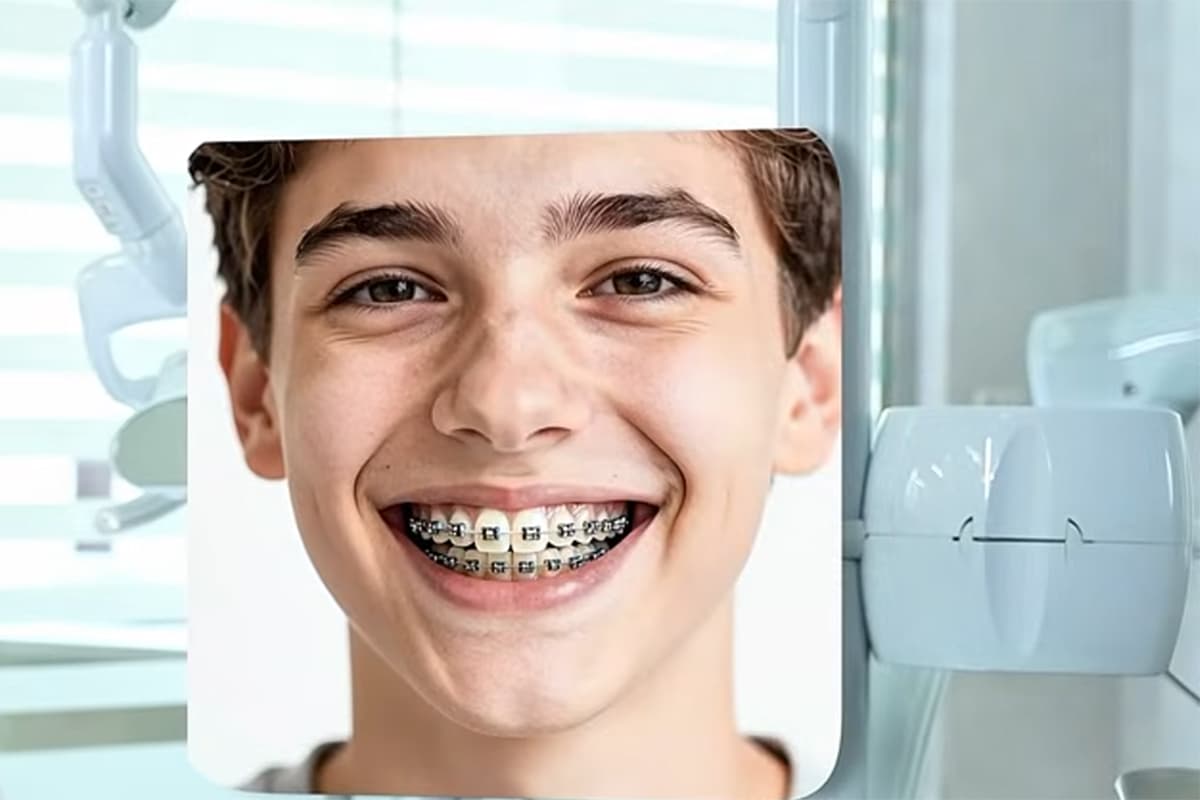
According to the expert, wisdom teeth are an evolutionary relic: the jaws of modern man have narrowed, and there is simply no room for the “eights”. In 70-85% of people, they are impacted, that is, stuck in the bone or tilted at an angle. If you do not remove them in time, they begin to put pressure on neighboring teeth, which can negate the result of orthodontic treatment.
Why this is important when wearing braces
- Braces create a perfect row, but without fixation from behind, everything can disperse. “Eights” imperceptibly press on other teeth, and this is a classic reason why 30-50 percent of patients return after 3-5 years with a relapse, explains Andrey Zhuk.
According to studies, in adolescents with braces, impacted wisdom teeth lead to a recurrence of overcrowding in 25-40% of cases if they are not removed in time. In the U.S. and Europe, the standard is to plan removal 6-12 months before braces are removed. In the Australian protocols for 70% of adolescents on braces, removal is included in the plan at the age of 15-17 years.
When must be removed
Tooth tilt over 25 degrees. Roots overlap neighboring teeth, gums become inflamed and bleed. It should be removed 6–9 months before the end of orthodontic treatment.
Relapse after retention. The front teeth moved, and the picture shows that the reason is the wisdom tooth.
Pathology. Cysts that destroy bone, resorption of the roots of neighboring teeth, constant pain or swelling.
Even without symptoms, if there is a potential for pressure on the teeth in front, removal is prophylactic.
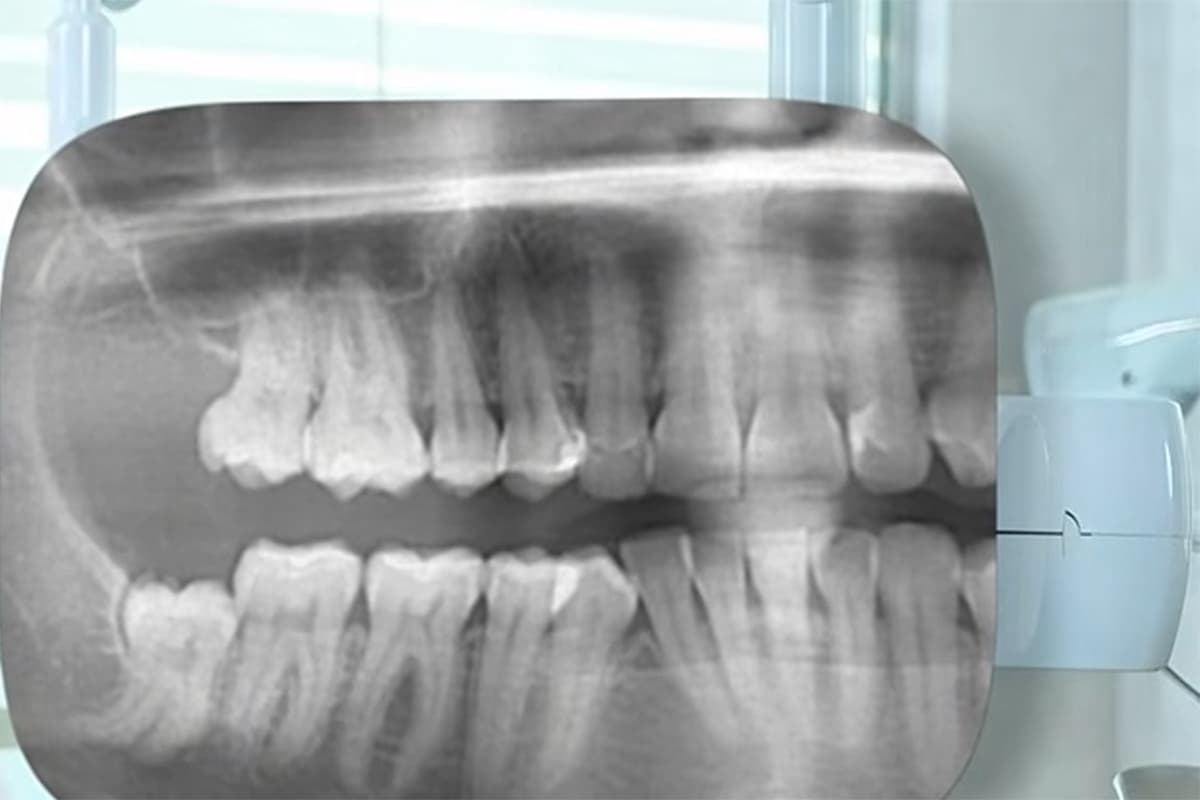
When to observe
Only 5-10% of wisdom teeth can be monitored. This is possible if they are vertical in the picture, there is enough space for erupting, and the jaw is wide. But even then, you need X-ray monitoring every 2 years. According to statistics, 80% of these patients eventually still face the need for removal due to complications.
Golden window - 16-19 years old
- The optimal time to remove the lower wisdom teeth is 13-15 years, when the crown is formed and the root is not yet there. This makes the operation less traumatic. The upper wisdom teeth should be removed after 16 years, when they descend from the wing fossa into the dentition. The golden window is 16-19 years old. At this age, the roots are formed by two-thirds, the risk of nerve damage is not more than 0.5 percent, healing takes 3-5 days, says the orthodontist.
How dangerous to wait
After 25 years, the bone becomes as dense as a stone. Removal is 2-3 times more difficult, requires bone resection, healing takes 2-4 weeks, and the risk of complications is higher by 15-20%. Long waiting threatens chronic infections, cysts, bone destruction and even problems with the temporomandibular joint.
The doctor lists common mistakes of parents:
- Remove wisdom teeth in the “passive window” of 10–13 years, when the second molars have not yet erupted. The surgeon may mistakenly remove not the third molar, but the second molar.
- Ignore pain and swelling. This can result in an abscess and tooth loss.
- Entrust removal only to a therapist without consulting an orthodontist. The therapist looks at the health of the tooth, but does not evaluate its role in the bite.
- Postponing the procedure after age 25, when the risk of complications is much higher.