From hormones to nutrition: a nutritionist called the key factors of the appearance of cellulite
Cellulite is not a disease, but a feature of the structure of subcutaneous fat, which occurs in most women. Russian nutritionist Olga...
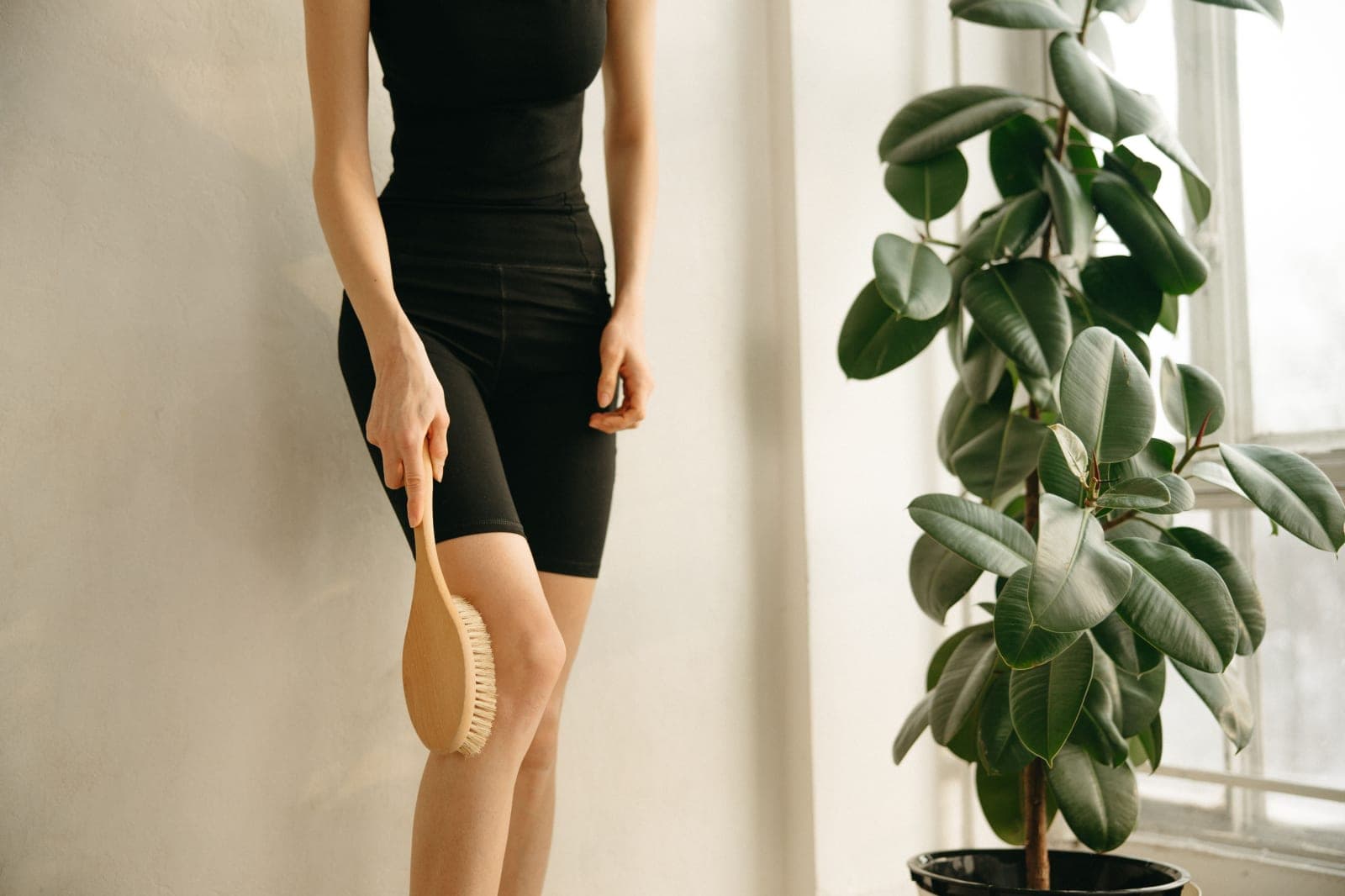
Cellulite is not a disease, but a feature of the structure of subcutaneous fat, which occurs in most women. Russian nutritionist Olga Pavlova told why he appears, writes sb.by.
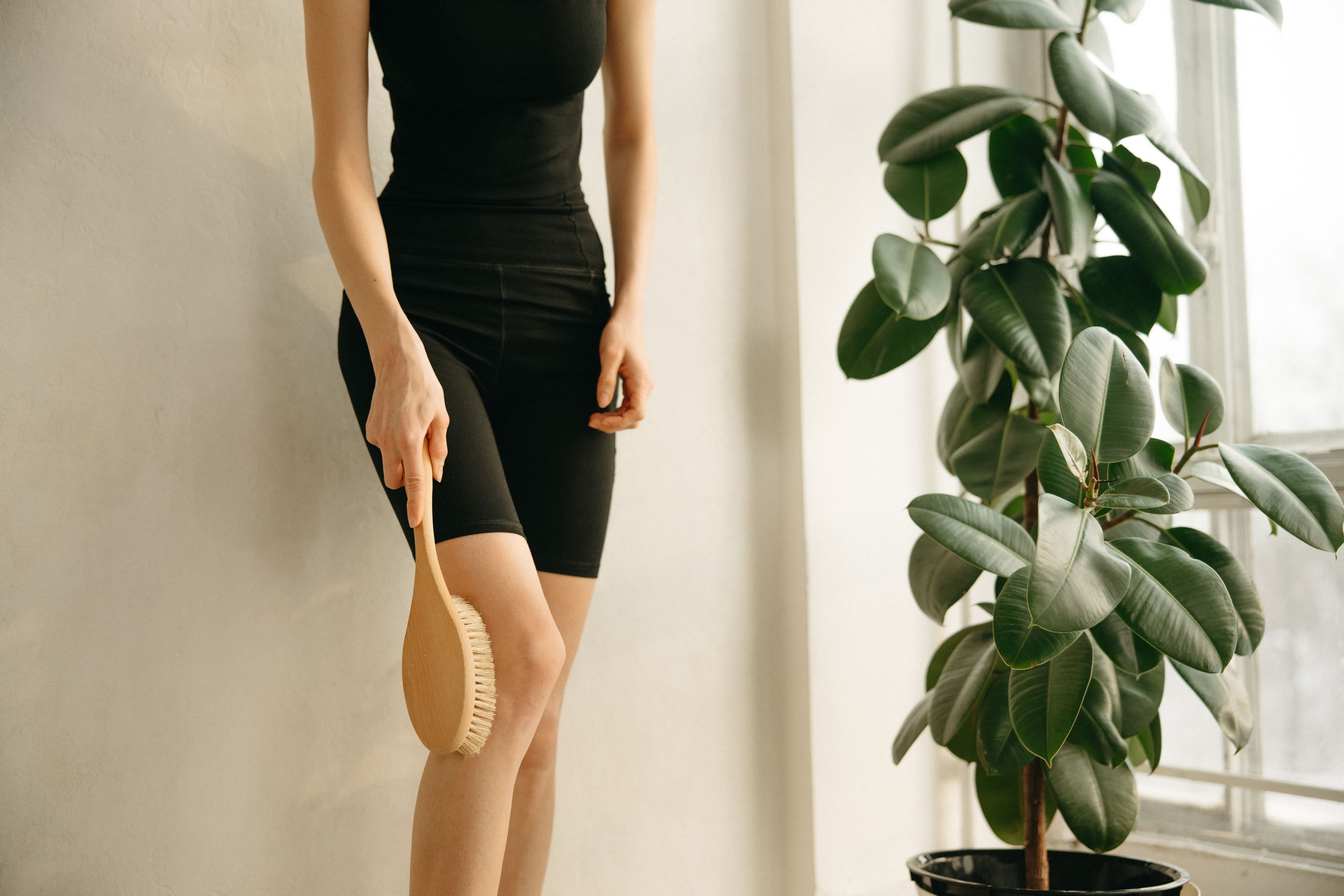
Hormonal factors are the main driver
According to Olga Pavlova, cellulite is closely related to estrogens: they affect the structure of connective tissue and contribute to fluid retention.
Estrogendomination (when estrogens prevail over progesterone) often leads to swelling and strengthening of the “orange peel”. Also critical is the work of the thyroid gland: with hypothyroidism, metabolism slows down, swelling and adipose tissue increase, and cellulite becomes more noticeable even with a small weight. It is important to discuss hormonal issues with an endocrinologist and a gynecologist - self-diagnostics and self-medication are dangerous here, said Olga Pavlova.
Insulin resistance and carbohydrate metabolism
As explained by Olga Pavlova, when cells react worse to insulin, the body compensates for this by increased hormone production, which stimulates the accumulation of fat, especially in the area of the hips and buttocks:
Characteristic signs: craving for sweet and floury, sharp jumps in energy, hunger soon after eating. Eating adjustments (reducing fast carbohydrates, balanced portions) and regular physical activity help improve insulin sensitivity.
Chronic stress and cortisol
- Constant stress triggers a cascade of reactions: cortisol levels increase, which contributes to the accumulation of visceral fat (around internal organs) and the redistribution of adipose tissue. In addition, cortisol increases hunger and cravings for high-calorie foods, and can also exacerbate insulin resistance. Stress reduction practices (walking, breathing techniques, quality sleep) are not a “pleasant addition,” but part of an integrated approach.
Violation of blood circulation and lymphatic drainage
Olga Pavlova explained that if blood flow and outflow of lymph deteriorate, fluid accumulates in the tissues, swelling increases, and the structure of the skin becomes less elastic. According to her, this contributes to inactivity, tight clothes, high heels and even the habit of sitting “foot on foot”. To improve microcirculation help walking, strength training, and in some cases - professional methods (in consultation with the doctor).
Bad habits: smoking and alcohol
- Smoking constricts blood vessels and impairs the delivery of oxygen to tissues, accelerating skin aging processes and reducing the elasticity of connective tissue. Alcohol affects the water-salt balance and can increase edema, as well as indirectly interfere with weight loss due to high calorie content and influence on appetite, said Olga Pavlova.
Nutrition: not only calories, but also quality
The nutritionist named the key dietary factors that increase cellulite:
Excess sugar and refined carbohydrates - provokes insulin jumps. Excess salt - increases fluid retention and swelling. Protein deficiency - reduces muscle tone and impairs tissue repair. Lack of fiber - disrupts the work of the intestine and indirectly affects the hormonal background through the metabolism of estrogen.
It is important not just to count calories, but to form balanced meals.
Sedentary lifestyle
- Sedentary work and lack of movement reduce muscle tone, worsen venous outflow and contribute to fluid stagnation. Even 30 minutes of brisk walking per day significantly improves blood circulation and helps to control weight, said Olga Pavlova.
Genetics and individual characteristics
According to the doctor, heredity determines the type of fat distribution and the structure of connective tissue: in some women, cellulite manifests itself earlier and more noticeable, in others - less, even with similar habits. Genetics cannot be changed, but lifestyle can be adjusted to minimize its impact.
Beans for diabetes: how to include in the diet without risk to health