
In “Finam” called two scenarios for the ruble exchange rate until the end of 2026
Analysts of Finama believe that the national currency will be supported by increased volumes of export revenue from oil prices that rose in the autumn. However, the final impact on the ruble exchange rate will have the actions of the Ministry of Finance under the budget rule
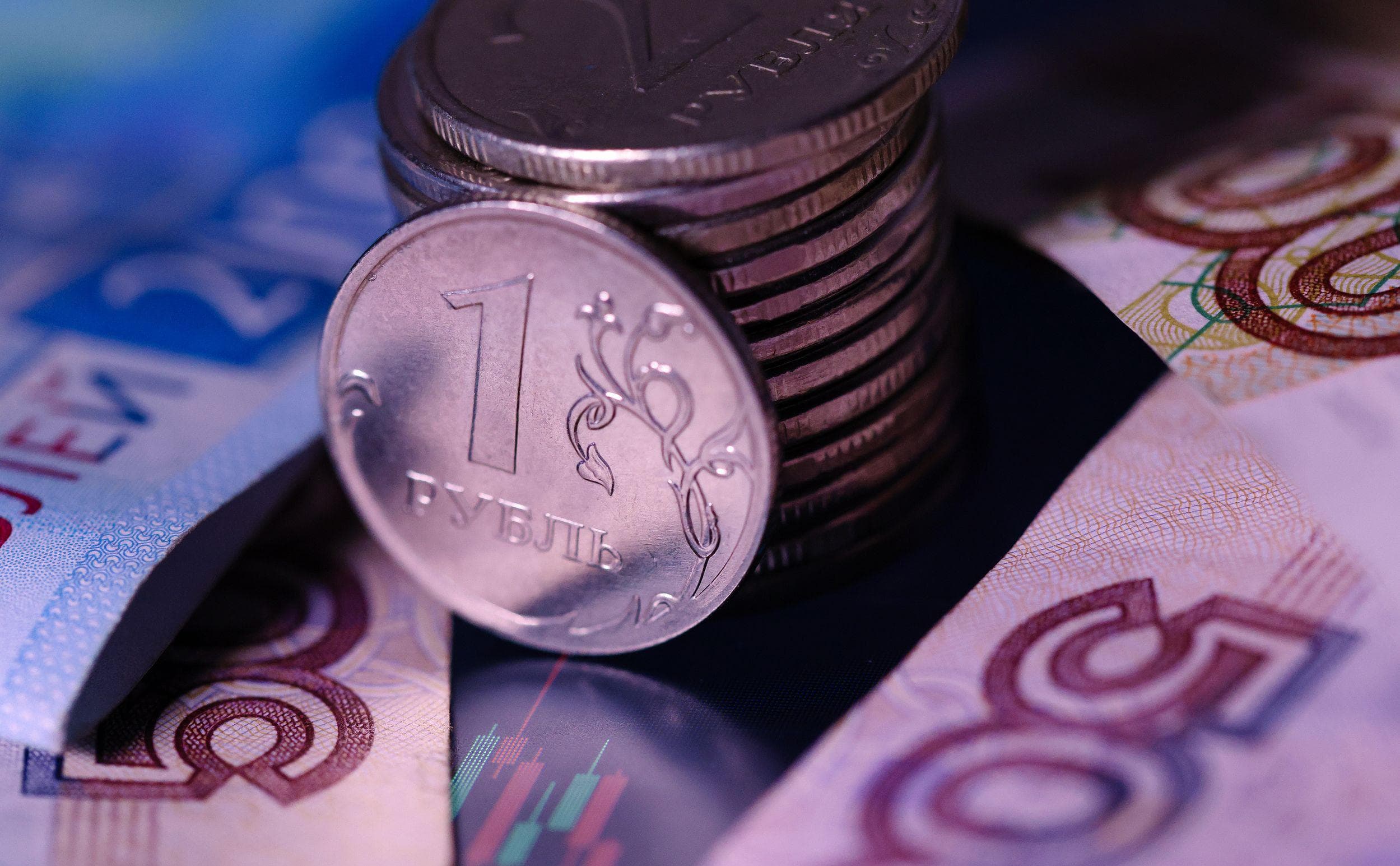
Analysts of Finama in the baseline scenario expect that the dollar/ruble pair (USD/RUB) in the fourth quarter will trade in the range of 82-87. In the negative scenario, according to their forecasts, the dollar will rise by the end of the year to ам90-95. This is stated in the October review on macroeconomics for the fourth quarter “Yields of debt markets returned to the beginning of the millennium” (there is RBC Investments).
The ruble exchange rate in the fourth quarter will largely depend on the dynamics of currency inflows to the domestic market, as well as on the volume of currency purchases by the regulator. Experts believe that by the end of the year, the domestic foreign exchange market will receive increased volumes of export revenue from oil prices that rose in the autumn. However, the final impact on the ruble against foreign currencies will have the actions of the Ministry of Finance under the budget rule.
In the fourth quarter of 2026, the baseline scenario for the ruble is a moderate weakening after the September strengthening. The closest support for the dollar is 82.5. Its breakdown can open the way to е80-81 per dollar, but this will require maintaining high oil prices, high foreign exchange earnings and easing geopolitical risks.
From October 7 to November 6, the Ministry of Finance will buy currency and gold under the budget rule for у 279.42 billion. Daily purchases will total Е12.7 billion. For comparison: from September 7 to October 6, the Ministry of Finance under the budget rule buys currency for у2.5 billion per day. That is, daily purchases will increase fivefold.
In addition, the Central Bank simultaneously daily until the end of the year sells currency for у0.58 billion. Thus, net purchases by the monetary authorities will amount to 12.12 billion a day against 1.92 billion a month earlier (an increase of 6.3 times).
At the same time, according to Finama analysts, in the coming months, the biggest risk factor for the ruble will be the possibility of imposing new tough external sanctions from the United States. In this case, analysts consider a negative scenario for the ruble. Sanctions have hampered exports, logistics and settlements, which could delay shipments to Russian companies, analysts said. At the same time, the restrictions restrain the import and withdrawal of capital, that is, reduce the demand of Russian companies for dollars, euros and yuan.
According to analysts, given the high oil prices in September, the yuan/ruble pair (CNY/RUB) in the next quarter will trade in the range of е12–13. However, with unfavorable news, the yuan could rise to 13.2 by the end of the year, experts said.
At the same time, according to experts, the likelihood of the most severe scenario of imposing sanctions by the United States is still small: Washington would have to simultaneously worsen relations with Beijing and New Delhi and increase the global oil deficit. Selective or phased U.S. sanctions against individual companies, ships and banks could lead to short-term growth in demand for the dollar, euro and yuan in the market due to the expansion of the discount on Russian oil and, as a result, a decrease in export revenues.
In addition, Finam experts updated the forecast for the price of Russian oil. Given the average spread between Brent oil prices and Russian Urals oil this year and the persistence of uncertainty around the conflict in the Strait of Hormuz, the average price of Urals oil in the fourth quarter may be in the range of $70-80 per barrel, analysts predict. In the baseline scenario in the fourth quarter of 2026, the average price of Brent could be $90-100 per barrel. At the same time, Finam did not rule out the possibility of reaching the Brent price of $120-130 per barrel over the next three months.