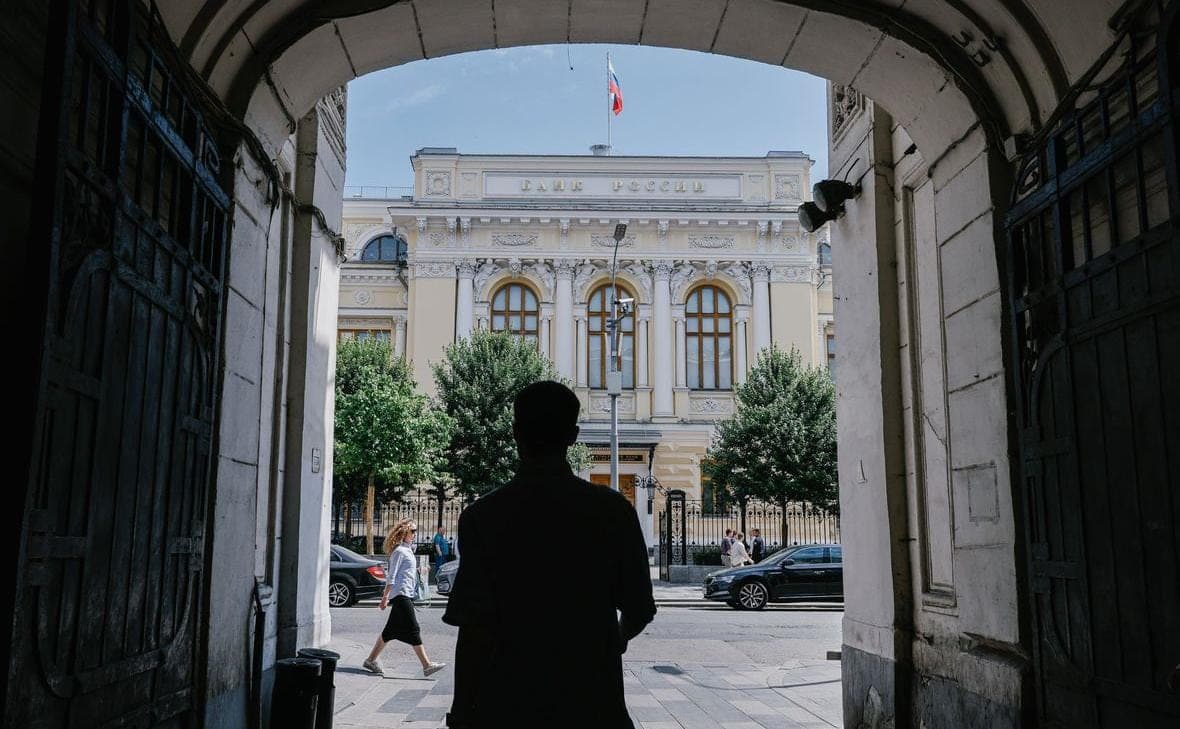
The Bank of Russia decided to keep the key rate at 14.00% per annum
On September 11, 2026, the Board of Directors of the Bank of Russia decided to keep the key rate at 14.00% per annum. The economy as a whole is growing at a moderate rate of 3k26. Current price pressures have increased significantly in recent months. According to the Bank of Russia, stable price growth accelerated to 5-6% per year, primarily due to the impact of a temporary reduction in production capacity in certain industries. As these effects are exhausted, and with a restrained increase in aggregate demand, the decline in sustained inflation will resume.
The Bank of Russia will make further decisions on the key rate depending on the dynamics of inflation and inflation expectations, as well as on the assessment of risks from domestic and external conditions. In the baseline scenario, taking into account the ongoing monetary policy, annual inflation will be 6.0-7.0% in 2026, return to 4.0% in 2027 and will be on target in the future.
In July, the current seasonally adjusted price growth was 11.6% year-on-year after 5.3% on average of 2k26. A similar indicator of core inflation increased to 7.0% after a 4.6% average in the previous quarter. The price dynamics in recent months was significantly influenced by volatile positions. Among them are motor fuel and fruit and vegetable products. The rise in motor fuel prices was also manifested in the dynamics of sustained inflation. The range of its estimates was increased to 5-6% per year. Annual inflation, as of September 7, was 6.3%.
Inflation expectations of the population, business and financial market participants have changed in different directions. At the same time, they remain elevated, which may prevent a steady slowdown in inflation.
According to operational data, in 3k26 the economy is growing at a moderate pace. Growth in consumer demand is slowing, but remains elevated. The recovery of investment activity continues compared to the levels of the beginning of the year.
Tensions in the labor market are gradually decreasing. According to surveys, the shortage of personnel continues to decrease. Wage growth is slowing down and gradually converging with productivity growth. However, the gap in their dynamics is still significant. Unemployment is near historic lows but has risen slightly in recent months.
Monetary conditions are assessed as moderately tight. Interest rates have changed in different directions in different segments of the financial market. Taking into account the dynamics of expectations of future inflation, the tightness of monetary conditions in real terms decreased slightly. Non-price terms of bank lending remain tight.
Credit activity has increased in recent months, primarily due to the corporate segment. The retail loan portfolio grew moderately. The propensity of households to save has decreased somewhat, but remains high.
Pro-inflationary risks have grown and prevail over disinflationary risks in the medium term. The main pro-inflationary risks are associated with an imbalance of supply and demand in the event of higher domestic demand and longer outflows of production capacity in certain industries. Increased inflation expectations may increase the transfer of costs to prices. Pro-inflationary risks associated with a long period of wage growth rates above labor productivity growth, as well as with the deterioration of the prospects for the global economy and rising price pressures in the world against the backdrop of geopolitical tensions remain. Disinflationary risks are associated with a more significant slowdown in domestic demand.
The Bank of Russia’s July baseline scenario envisages a gradual reduction in the structural primary budget deficit to zero in 2029. The parameters of the budget policy, including the trajectory of returning to a zero structural balance, will be further specified in the October forecast after the Government submits new budget projections for the medium term to the State Duma. If they assume a higher structural primary budget deficit, tighter monetary policy may be required than in the baseline scenario.
On September 23, 2026, the Bank of Russia will publish a summary of the discussion of the key rate.
The next meeting of the Board of Directors of the Bank of Russia, which will consider the level of the key rate, is scheduled for October 23, 2026. The time of publication of the press release on the decision of the Board of Directors of the Bank of Russia and the medium-term forecast is 13:30 Moscow time.
Statement by the Chairman of the Bank of Russia Elvira Nabiullina following the meeting of the Board of Directors of the Bank of Russia on September 11, 2026