“The Age of Maya Plisetskaya”: from communal to the covers of Vogue
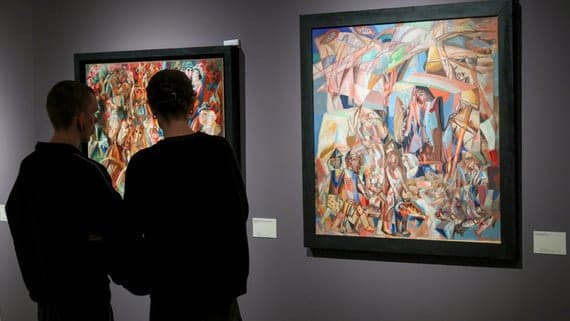
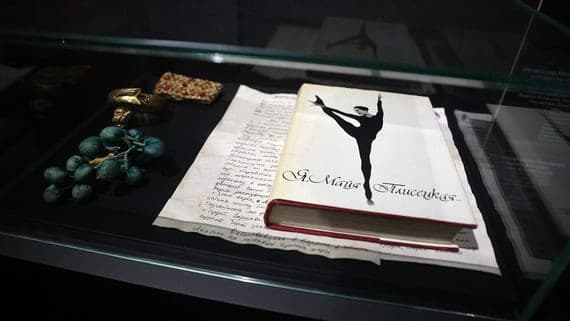
Maya Plisetskaya was able to create a myth out of dance. She led productions of Swan Lake for 30 years, embodied the images of Carmen and Anna Karenina. One of the epithets that most often describe the dance style of Plisetskaya is “royal”. He absorbs the speaking expression of her hands, and the flying jump, and instantly recognizable posture. The opening of the exhibition “The Age of Maya Plisetskaya” in the Jewish Museum was accompanied by the premiere of the dance performance “Bolero” by modern choreographer Olga Tsvetkova. It inherits the original scenography of Maurice Bejard, in which Maya Plisetskaya danced, but emphasizes the ritual nature of the dance. Eight men worship the female figure, which, according to Tsvetkova’s plan, is associated either with a wild woman, then with a mother-earth, then with a primordial goddess. The image of Plisetskaya at the exhibition also flickers in different facets: behind the royal prima ballerina is a man whose story begins not on stage, but in a large theatrical family, where her character was formed. The exposition, built as a gallery of several successive thematic halls, emphasizes the diversity of Plisetskaya’s heritage. There is the first edition of her memoir, which became a real bestseller in post-perestroika Russia, and copies of Vogue magazine, for which the ballerina was shot by star photographers such as Irvine Penn and Cecil Beaton. The exposition contains family photos, personal belongings and relics from the Bolshoi Theatre Museum. Pierre Cardin’s outfits and ballet pointes coexist with paintings by Vasily Polenov and Natalia Goncharova, rare watercolors by Arthur Fonvizin and original installations. According to the idea of curators Maria Gadas and Alexei Isaychev, the task of the exhibition is to make Plisetskaya’s greatness obvious even to people far from ballet. It is shown to be both great and grounded.
Maya Plisetskaya was able to create a myth out of dance. She led productions of Swan Lake for 30 years, embodied the images of Carmen and Anna Karenina. One of the epithets that most often describe the dance style of Plisetskaya is “royal”. He absorbs the speaking expression of her hands, and the flying jump, and instantly recognizable posture. The opening of the exhibition “The Age of Maya Plisetskaya” in the Jewish Museum was accompanied by the premiere of the dance performance “Bolero” by modern choreographer Olga Tsvetkova. It inherits the original scenography of Maurice Bejard, in which Maya Plisetskaya danced, but emphasizes the ritual nature of the dance. Eight men worship the female figure, which, according to Tsvetkova’s plan, is associated either with a wild woman, then with a mother-earth, then with a primordial goddess. The image of Plisetskaya at the exhibition also flickers in different facets: behind the royal prima ballerina is a man whose story begins not on stage, but in a large theatrical family, where her character was formed. The exposition, built as a gallery of several successive thematic halls, emphasizes the diversity of Plisetskaya’s heritage. There is the first edition of her memoir, which became a real bestseller in post-perestroika Russia, and copies of Vogue magazine, for which the ballerina was shot by star photographers such as Irvine Penn and Cecil Beaton. The exposition contains family photos, personal belongings and relics from the Bolshoi Theatre Museum. Pierre Cardin’s outfits and ballet pointes coexist with paintings by Vasily Polenov and Natalia Goncharova, rare watercolors by Arthur Fonvizin and original installations. According to the idea of curators Maria Gadas and Alexei Isaychev, the task of the exhibition is to make Plisetskaya’s greatness obvious even to people far from ballet. It is shown to be both great and grounded.