NURNBERG TRIBUNAL: How Nazi criminals were tried
On 20 November 1945, the Nuremberg Trials began
By the spring of 1945, the question of what to do with Nazi criminals remained open. There was no consensus among the Allies. Winston Churchill proposed to shoot the main Nazi criminals without trial. His logic was simple: these people had outlawed themselves and had no formal procedure.
In the US, the position was different. Secretary of State Cordell Hull and Secretary of War Henry Stimson pressed for a trial. Stimson submitted a memorandum to Roosevelt in September 1944, in which he wrote that execution without trial would be "revenge, not justice" and discredit the Allies in the eyes of history. Roosevelt eventually leaned toward this position.
The position of the USSR was firm: only a public international court. Since 1942, the Soviet leadership has insisted on a trial to show the world the scale of Nazi crimes. At the Potsdam Conference in the summer of 1945, the Allies finally fixed this decision.
On August 8, 1945, an agreement was signed in London between the governments of the USSR, the USA, Great Britain and France on the establishment of the International Military Tribunal. A further 19 countries subsequently joined the agreement. An annex to the agreement was the Statute of the Tribunal.
The choice of courthouse was both pragmatic and symbolic at the same time. The Palace of Justice in Nuremberg survived the bombings, and there was a prison nearby where the accused could be held. In addition, it was in Nuremberg in 1935 that racial laws were passed that deprived German Jews of civil rights.
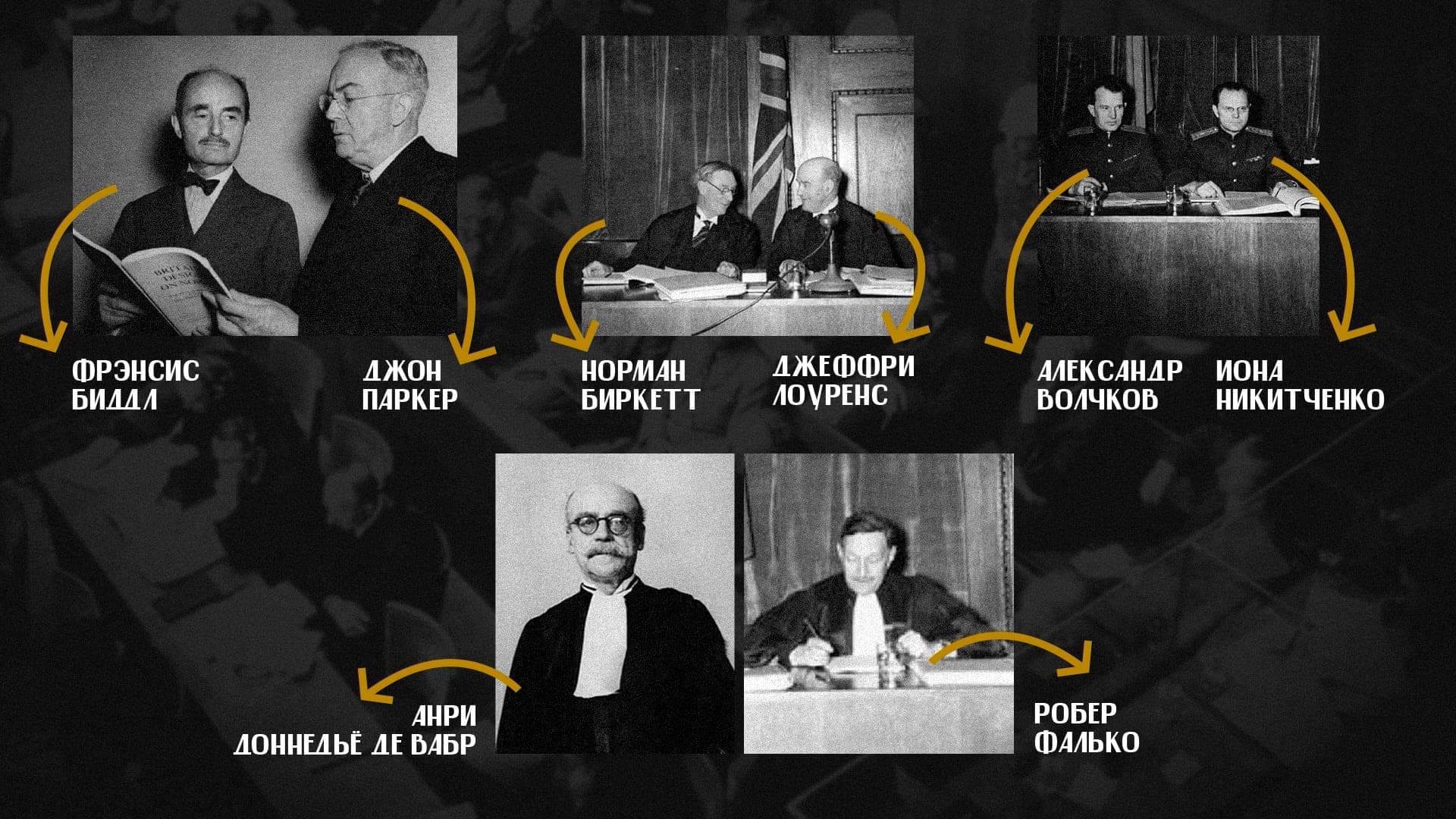
The Tribunal was composed of representatives from four countries. Each delegated one principal judge and one deputy. From the United States, the judge was former Attorney General Francis Biddle, his deputy – John Parker. From Great Britain – Lord Geoffrey Lawrence (who also became President of the Tribunal), Deputy – Norman Birkett. From the USSR – Major-General of Justice Iona Nikitchenko, his deputy – Alexander Volchkov. From France – Professor of Criminal Law Henri Donnedieu de Vabre, Deputy – Robert Falcot.
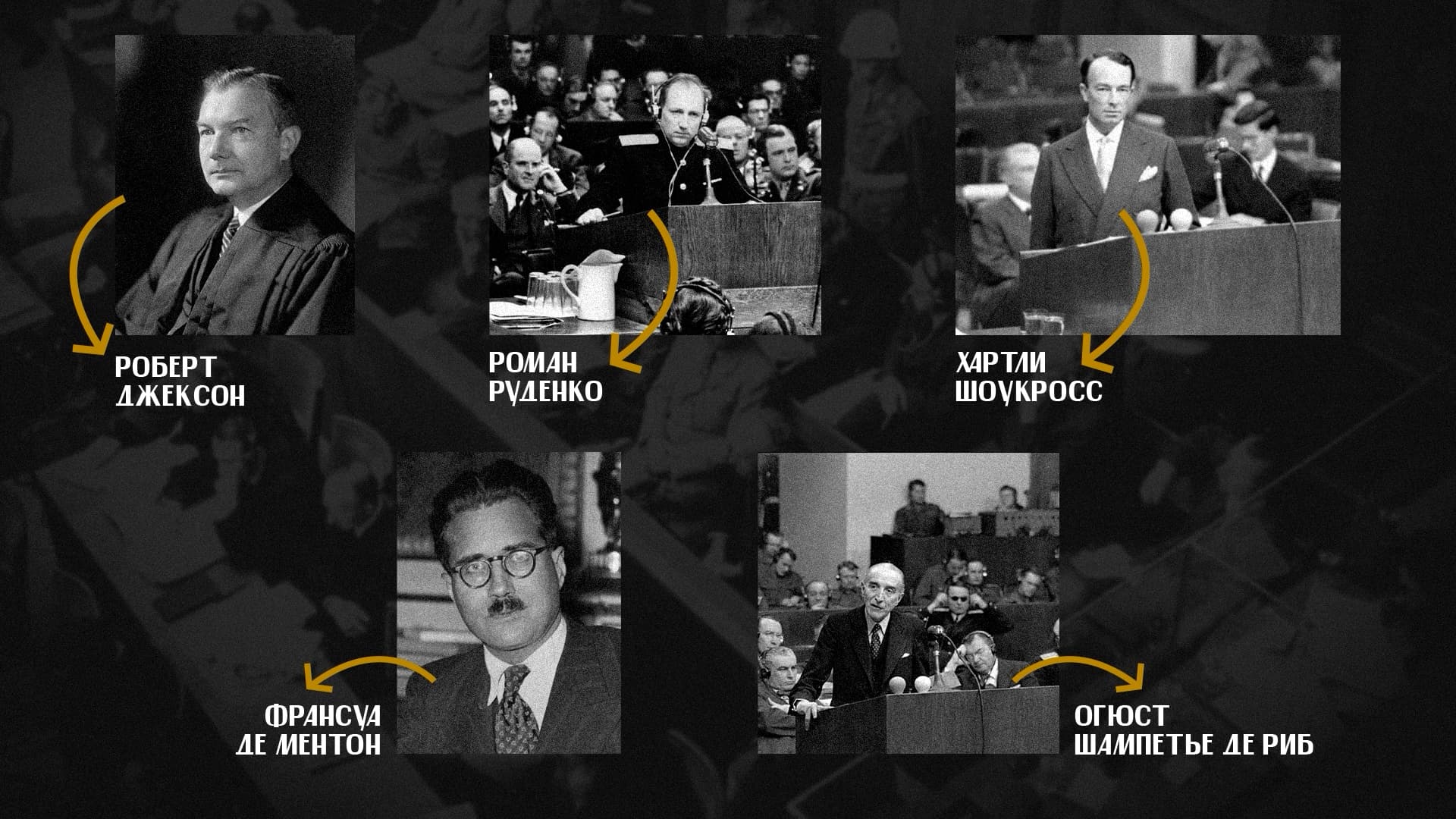
Prosecutors also participated in the trial: from the United States – Supreme Court Judge Robert Jackson; from the USSR – Prosecutor of the Ukrainian SSR Roman Rudenko; from the UK – Hartley Shawcross; from France – Francois de Menton, who was later replaced by Auguste Champetier de Riebs.
Why is France at this table? The question is natural: the country was occupied, and the Vichy government cooperated with Germany. Nevertheless, Charles de Gaulle consistently sought for France the status of a great power and a full participant in the postwar system. France ruled one of the four occupation zones in Germany. And the Allies agreed: the participation of France gave the tribunal the character of a real international tribunal, not a “court of winners”.
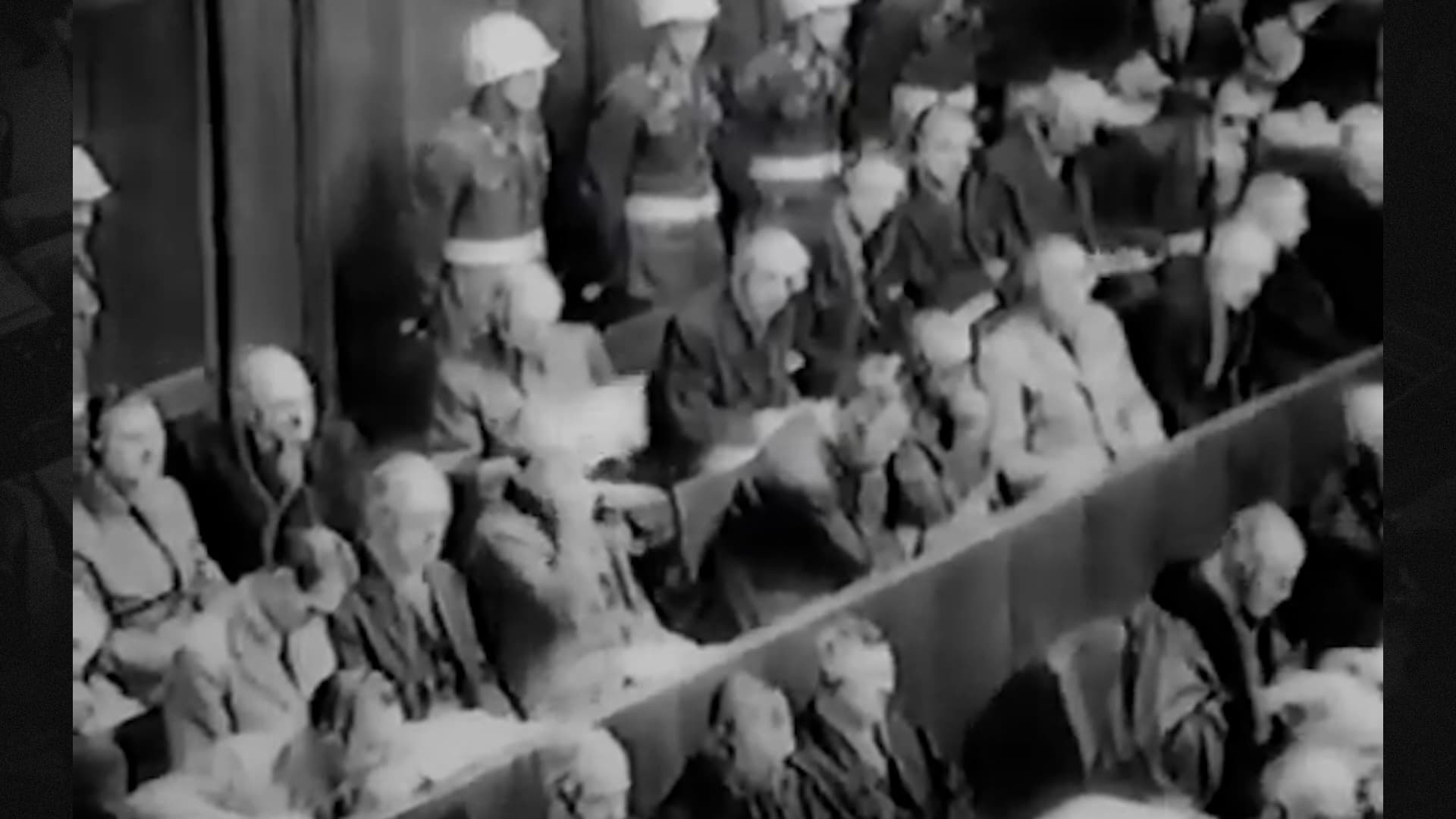
Initially, the list of defendants included 24 people. But there were 21 people in the dock:
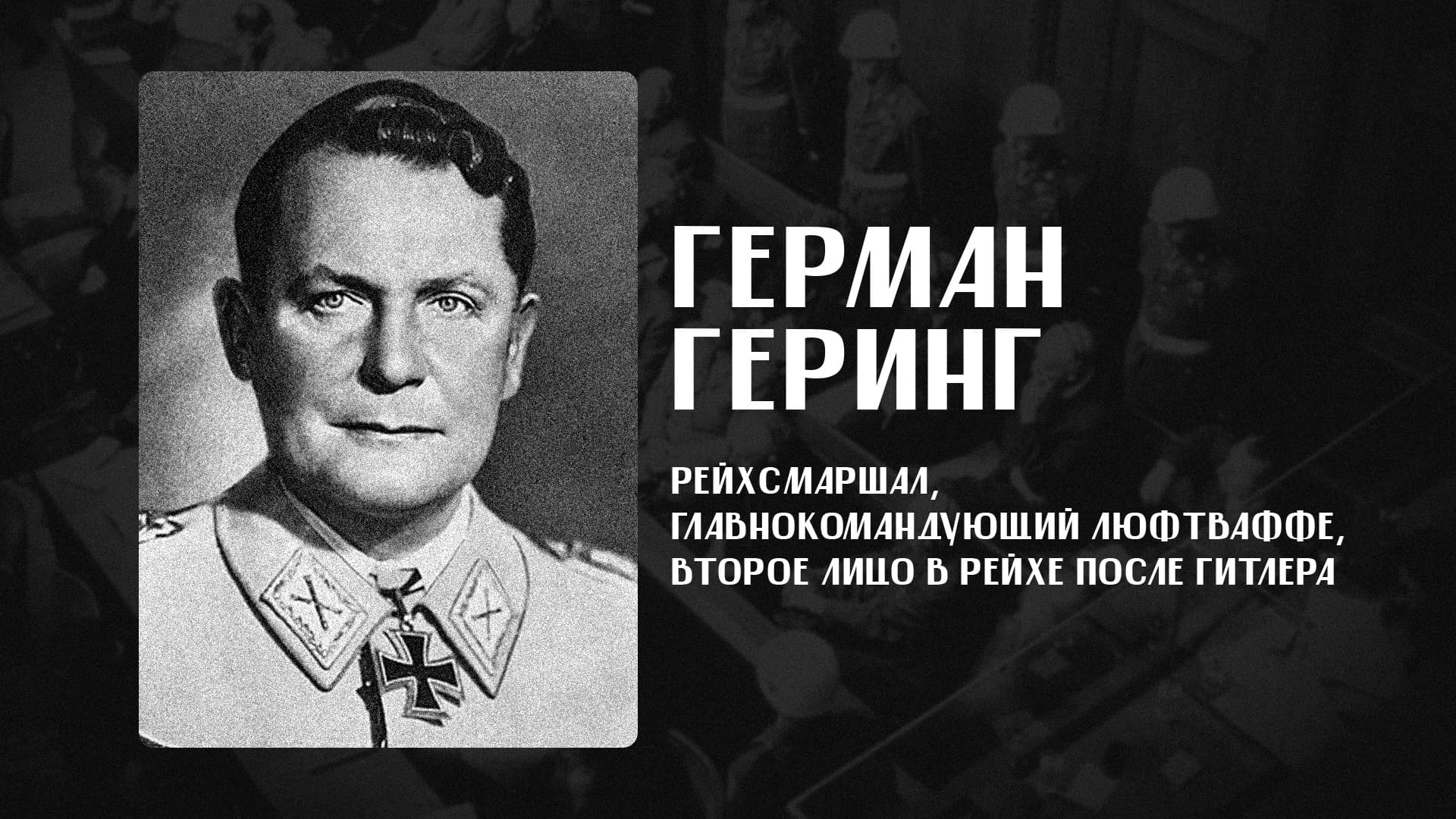
Hermann Goering – Reichsmarshal, commander-in-chief of the Luftwaffe, the second person in the Reich after Hitler. Rudolf Hess was Hitler’s deputy party leader who flew to Scotland alone in 1941. Joachim von Ribbentrop is Minister of Foreign Affairs. Wilhelm Keitel is Chief of Staff of the Wehrmacht High Command. Alfred Jodl is Chief of Operations Staff. Ernst Kaltenbrunner – the head of the RSHA, the successor of Heydrich. Alfred Rosenberg, ideologist of the party, minister of the occupied eastern territories. Hans Frank was the Governor General of occupied Poland. Wilhelm Frick, Minister of the Interior. Julius Streicher is a Gauleiter of Franconia, the publisher of the anti-Semitic newspaper Sturmovik. Fritz Sauckel is the labor commissioner responsible for forced labor. Arthur Seyss-Inquart was Chancellor of Austria at the time of the Anschluss and later Reich Commissioner of the Netherlands. Albert Speer is Minister of Armaments. Baldur von Schirach was the head of the Hitler Youth, then the Gauleiter of Vienna. Karl Dönitz is Grand Admiral, Hitler's successor as head of state. Erich Raeder is a Grand Admiral, commander of the Kriegsmarine do Dönitz. Walter Funk is Minister of Economy and President of the Reichsbank. Konstantin von Neurath was former Minister of Foreign Affairs, then Protector of Bohemia and Moravia. Hans Fritzsche is the head of the broadcasting department of the Ministry of Propaganda. Halmar Schacht was president of the Reichsbank until 1939. Franz von Papen is a diplomat, former Vice-Chancellor under Hitler.
Martin Bormann, Hitler’s personal secretary and head of the party chancellery, who disappeared in May 1945, was tried in absentia. His remains were found in 1972 during construction work in Berlin, confirmed in 1998 by DNA testing. Most likely, he died on the night of May 2, 1945 while trying to escape from the city.
German industrialist Gustav Krupp escaped trial due to an incurable illness. He was shattered by paralysis, suffered from senile dementia, could not move independently and did not understand what was being presented to him.
Robert Ley, head of the German Labor Front, hanged himself in a Nuremberg prison cell on October 25, 1945, three weeks before the trial began. He used a loop of a torn towel, tying it to a toilet pipe.
Hitler, Himmler and Goebbels committed suicide. Heinrich Müller, the head of the Gestapo, has disappeared; what became of him is still unknown. Adolf Eichmann fled to Argentina and was captured by Israeli security forces in 1960. Josef Mengele fled to South America and died in Brazil in 1979 without facing trial.
At the trial, German Nazi organizations were also tried: the National Socialist Party (NSDAP), the SS (paramilitary formations of the NSDAP), the Gestapo, the Wehrmacht, the German State Bank, the German Government and others.
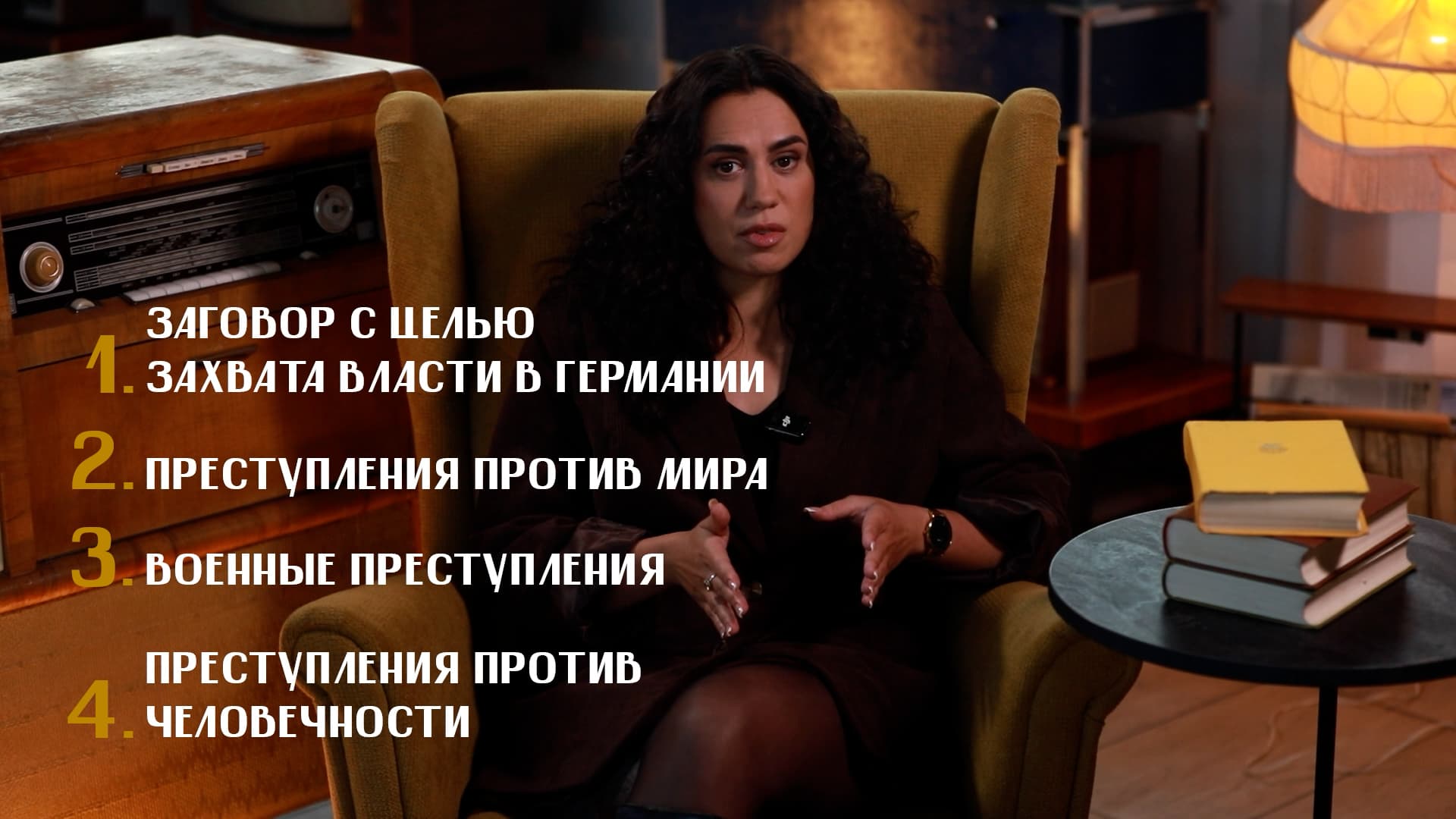
The defendants were charged on four key counts. The first is a conspiracy to seize power in Germany (joint planning and coordination of actions to commit crimes against peace, war crimes and crimes against humanity). This clause made it possible to link all the defendants into a single criminal organization. The second is crimes against peace (direct planning, preparation, initiation and conduct of aggressive wars against other states). The third is war crimes. Violation of the laws and customs of warfare (murders and ill-treatment of prisoners of war, execution of hostages, senseless destruction of towns and villages, the hijacking of civilians for forced labor). The fourth is crimes against humanity (persecution, deportation, enslavement and mass extermination of civilians for political, racial, national or religious reasons, both before and during the war (including the Holocaust).
The trial opened on 20 November 1945 in Hall 600 of the Palace of Justice. And here's a few numbers. The hall was completely rebuilt to accommodate a record number of people: in addition to judges, prosecutors, defendants and their defenders, 450 seats were equipped for spectators and 250 seats were allocated exclusively for the press from around the world.
In total, the tribunal lasted 315 days, of which 216 days were held directly. The total volume of paper documentation of the process exceeded 5 million pages, which is 200 tons of paper. By the end of the process, 4 million meters of tape, 7 thousand plates and more than 200 kilometers of film were used.
The process was conducted simultaneously in four languages: English, Russian, French and German. To provide simultaneous translation, the American company IBM provided headphones and microphones. This, by the way, was a revolution: before Nuremberg, simultaneous interpretation was not used on such a scale. Interpreters worked in three shifts (12 people in booths), changing each other every hour and a half.
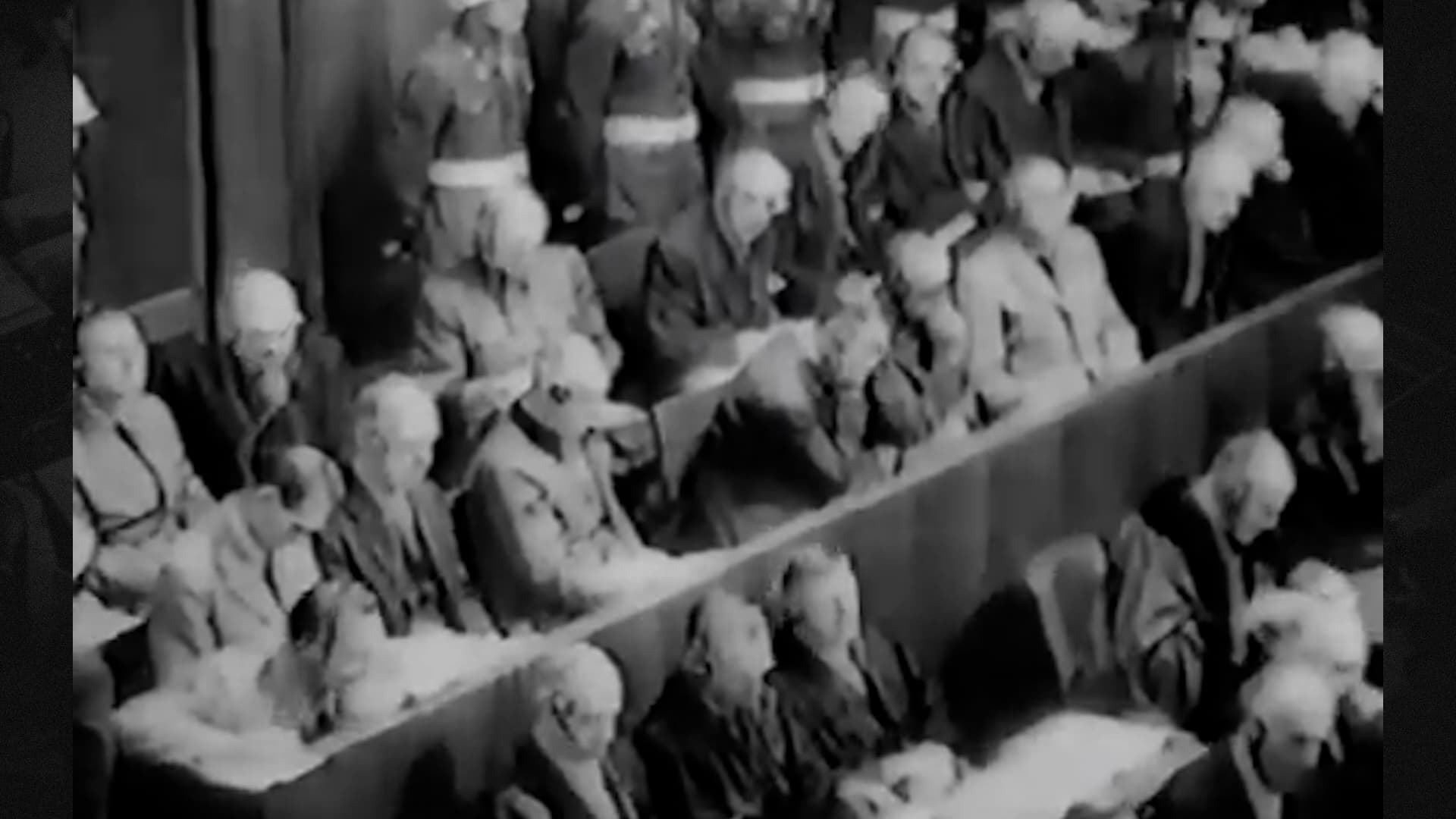
Meetings were held five days a week, from ten in the morning to five in the evening with a break for lunch. The vitality and safety of this vast judicial machine was provided daily by 25,000 people.
In the early weeks of the trial, Goering tried to assume informal leadership among the defendants. He passed memos, tried to manage a common line of defense, and behaved defiantly arrogant. During the interrogations he held confidently, answered in detail and with sarcasm.
Hess, on the contrary, behaved strangely: pretended to be deaf, fell into a stupor and claimed to suffer from complete amnesia. A psychiatric examination found him sane, and a few days after the trial began, Hess suddenly “became aware” and publicly announced that he was faking memory loss.
Ribbentrop looked completely confused and depressed. Streicher, on the contrary, behaved defiantly, evaded answers and managed to shout anti-Semitic tirades straight from the dock.
The military - Keitel and Jodl - kept strictly and restrained and defended themselves by "order": they say they are soldiers, their job is to unquestioningly follow orders from above. The head of the RSHA, Kaltenbrunner, said that he did not know about the atrocities in the concentration camps, and his signatures on the documents of mass executions were forged. Dönitz and Raeder focused exclusively on naval warfare: they said that orders for total submarine warfare were not a crime, because the Allies acted in the same way.
Albert Speer took a unique position. He was the only one to accept a partial collective moral responsibility for the regime’s crimes. Speer said he “preferred not to know” about the horrors, but as a member of the government he had to know. This position sharply distinguished him from the rest of the defendants.
On November 29, 1945, the U.S. prosecution screened the film Nazi Concentration Camps. The film includes scary videos from Buchenwald, Bergen-Belsen and Dachau. On the screens appeared piles of bodies, emaciated prisoners, mass graves and stoves of crematoria.
The film lasted about an hour. A sepulchral silence reigned in the hall. According to eyewitnesses, some of the defendants averted their eyes, Keitel covered his face with his hand, and Fritzsche turned very pale. Goering, in his own words, later uttered in camera, called the film "well-made propaganda," but could not deny what he saw. Streicher, by contrast, stared straight at the screen.
On December 11, 1945, the conference room turned into a cinema again: the American side presented the documentary “The Nazi Plan”, which was completely assembled from the captured German archives, the official chronicle of the Third Reich and the personal filming of Nazi leaders. The film showed the entire history of the Nazis – from the first street marches of the NSDAP to total control of the country, Jewish pogroms, book burning and attacks on states.
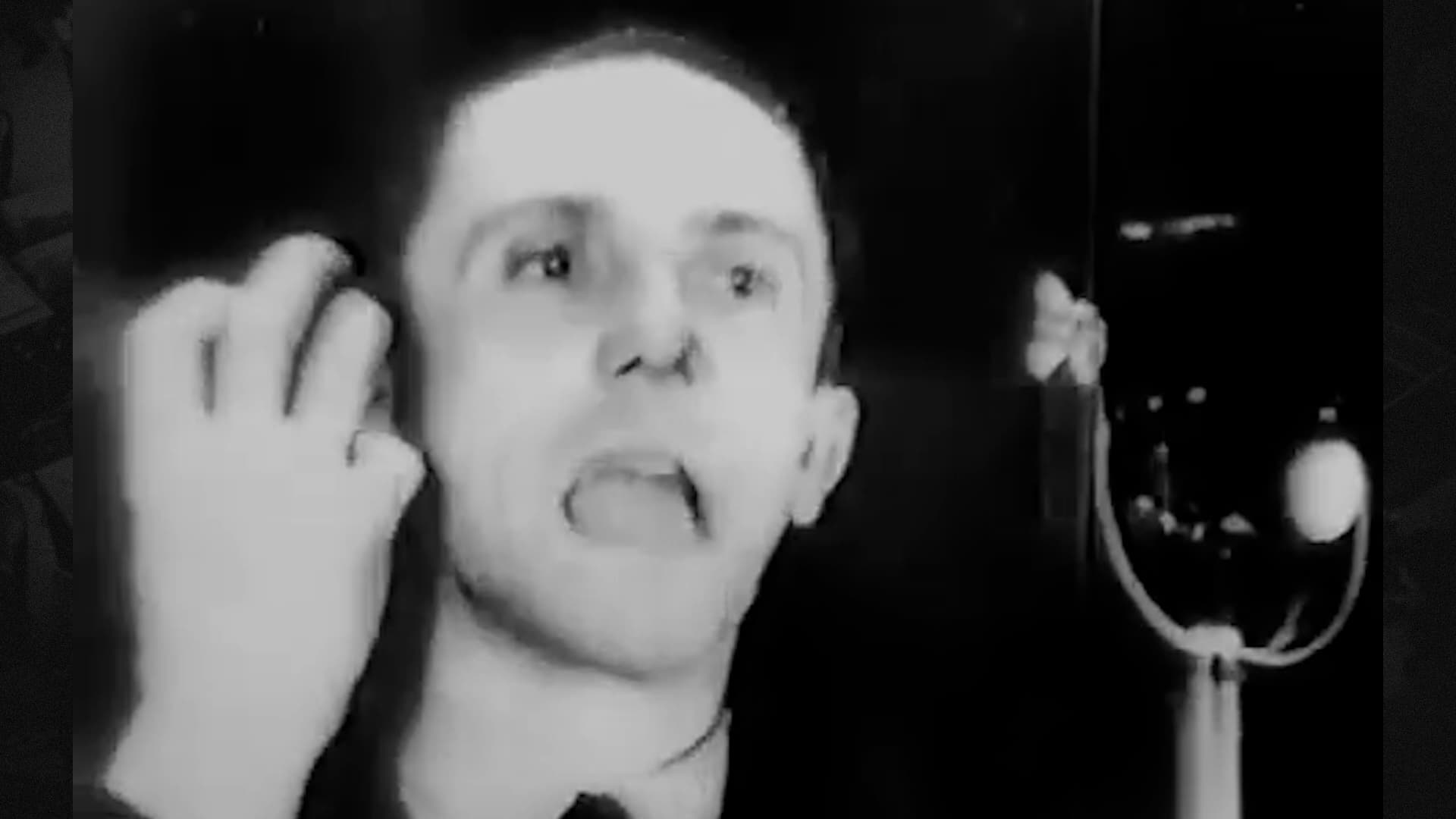
On February 19, 1946, the Soviet prosecution presented its accusatory tape – “Cinema Documents about the atrocities of the German fascist invaders.” It was filmed during the liberation of Auschwitz and Majdanek, and in destroyed Soviet cities. To rule out any defense objections, Soviet prosecutors attached an official document to the film, in which the authors of the filming under oath confirmed the authenticity of each meter of the film. The lawyers didn’t even try to challenge this.
December 14, 1945 was another terrible day. The assistant chief prosecutor from the United States officially presented to the court the material evidence of the atrocities of the Nazis, namely pieces of treated human skin and things made of it – gloves, handbags, lampshade. Along with them is the dried head of the prisoner, which was used as a paperweight.
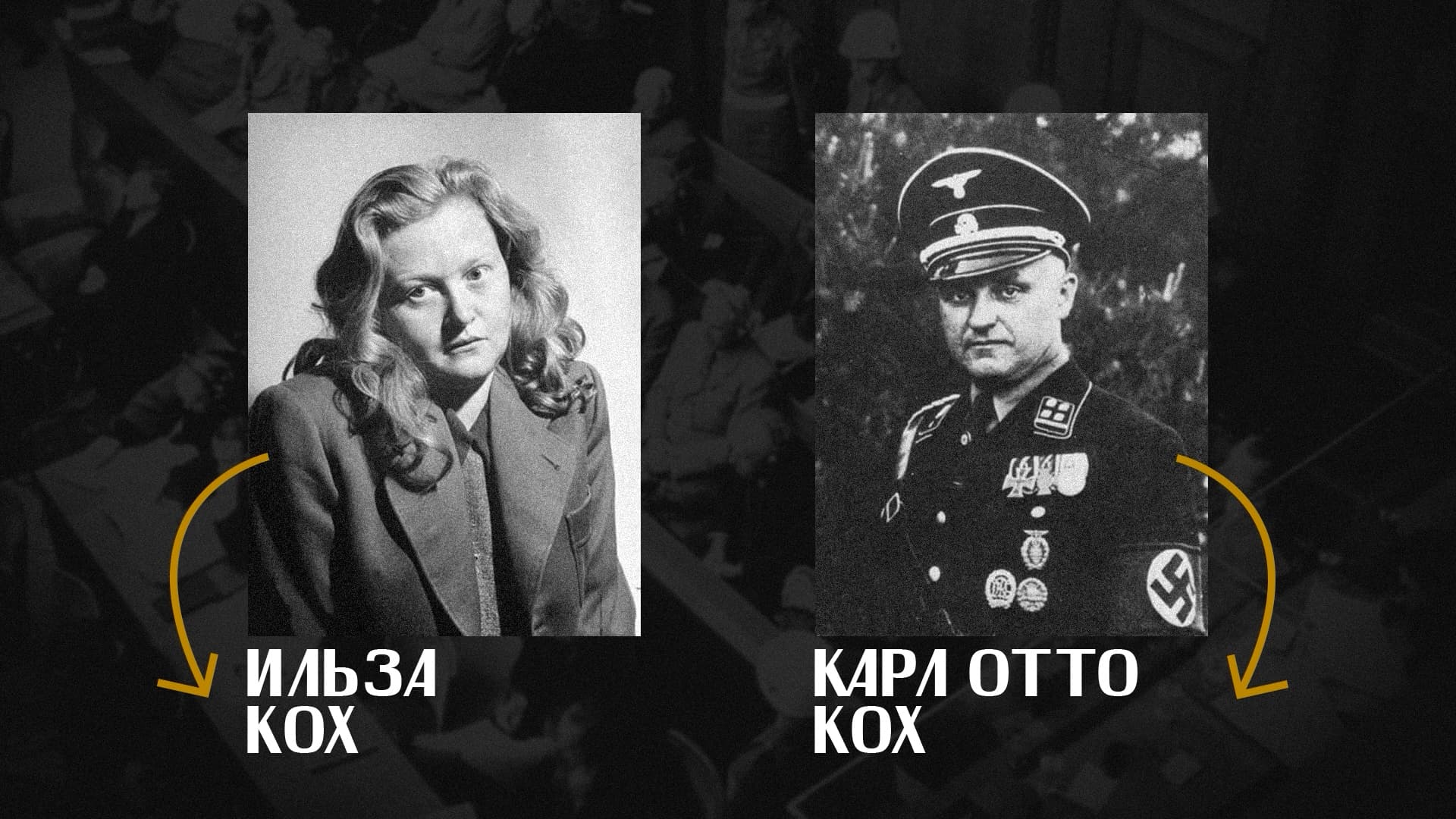
The main culprit for the creation of these objects was Ilza Koch, the wife of the first commandant of Buchenwald Karl Koch. She personally selected prisoners and especially appreciated the skin with tattoos. Subsequent examinations proved the authenticity of the submitted items.
One of the most dramatic moments of the trial took place on February 11-12, 1946. The Soviet prosecution summoned as a witness Field Marshal Friedrich Paulus, the former commander of the 6th Army, which capitulated at Stalingrad in early 1943.
Paulus was in Soviet captivity, and his appearance in the courtroom came as a shock to the defense and the defendants – many of them sincerely believed that the field marshal was long dead. Goering, seeing him, in fury rose from his seat, and a rumble passed through the hall.
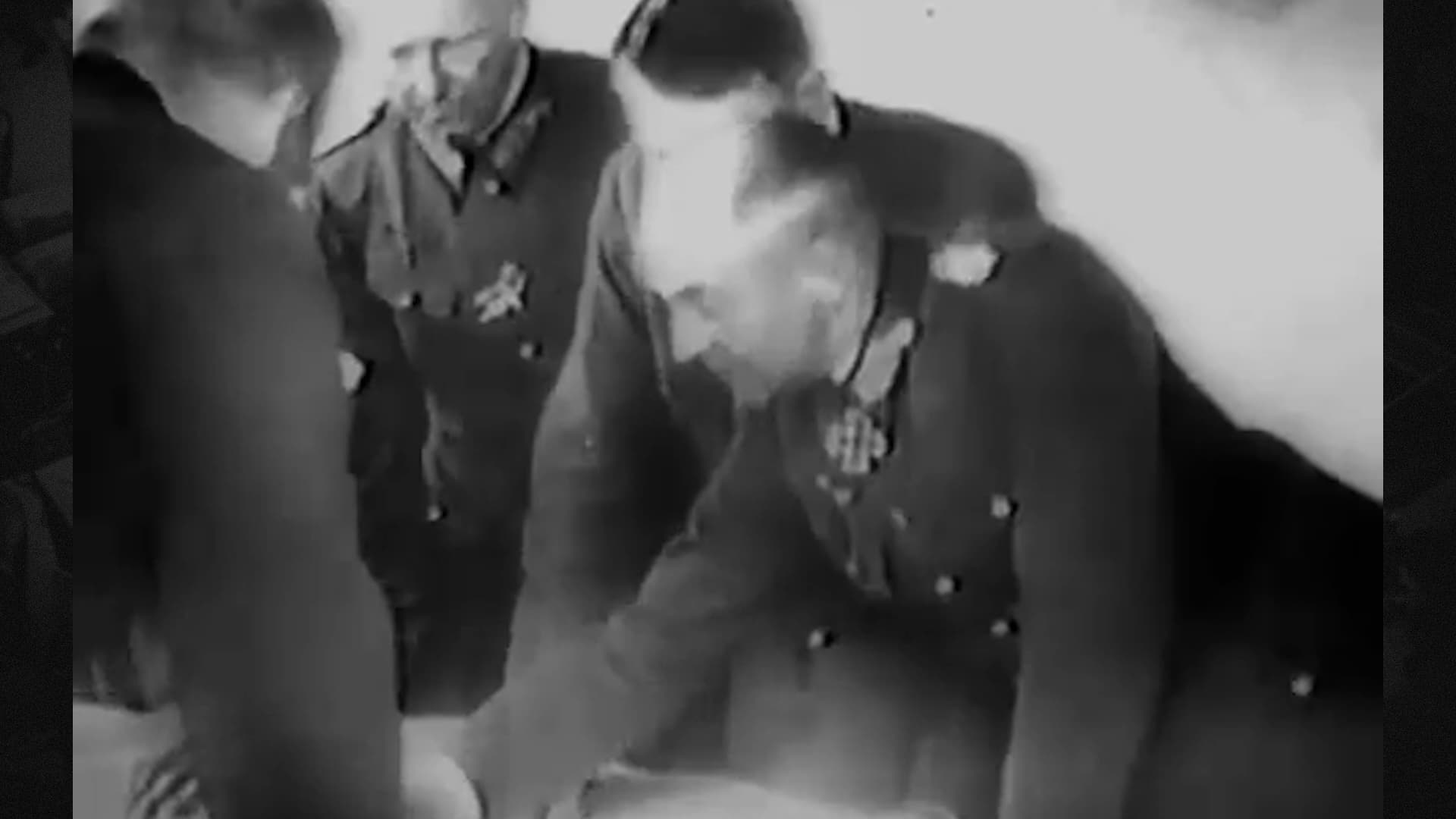
Paulus testified about preparing an attack on the Soviet Union. The legal weight of his words was crushing, because he himself participated in the development of the Barbarossa plan in the fall of 1940. The Field Marshal clearly stated that the order to attack was not given in response to an alleged threat from the USSR, but was a pre-planned, cold-blooded aggressive action. This completely destroyed the line of defense that tried to present the war as preventive.
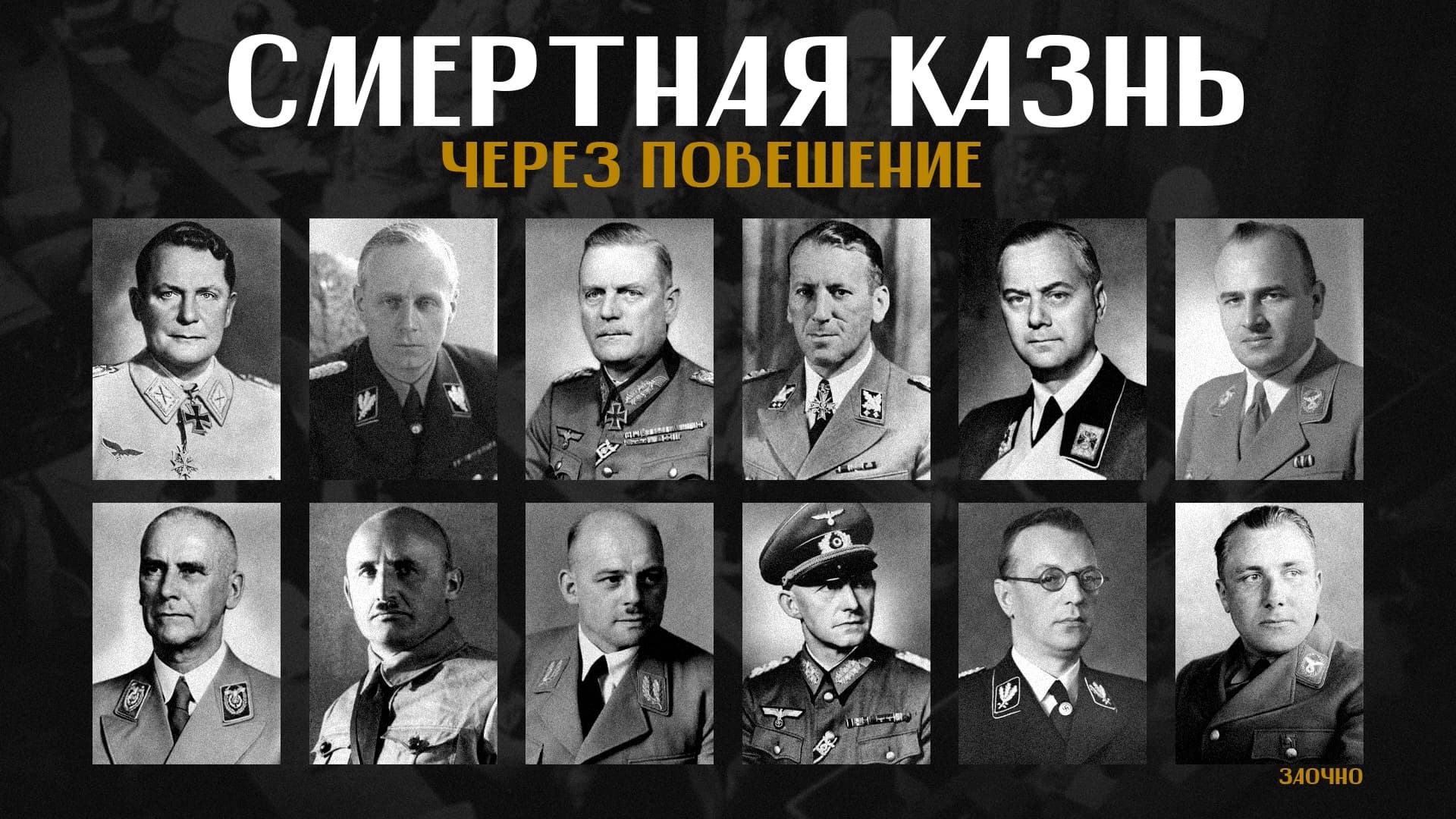
On 30 September and 1 October 1946, the tribunal pronounced the verdict. 12 people were sentenced to death by hanging: Goering, Ribbentrop, Keitel, Kaltenbrunner, Rosenberg, Frank, Frick, Streicher, Sauckel, Jodl, Seyss-Inquart and Bormann (in absentia).
Hermann Goering was never executed. On the night of October 15-16, he killed himself by biting a capsule of cyanide. Exactly how the capsule got into his cell is unknown.
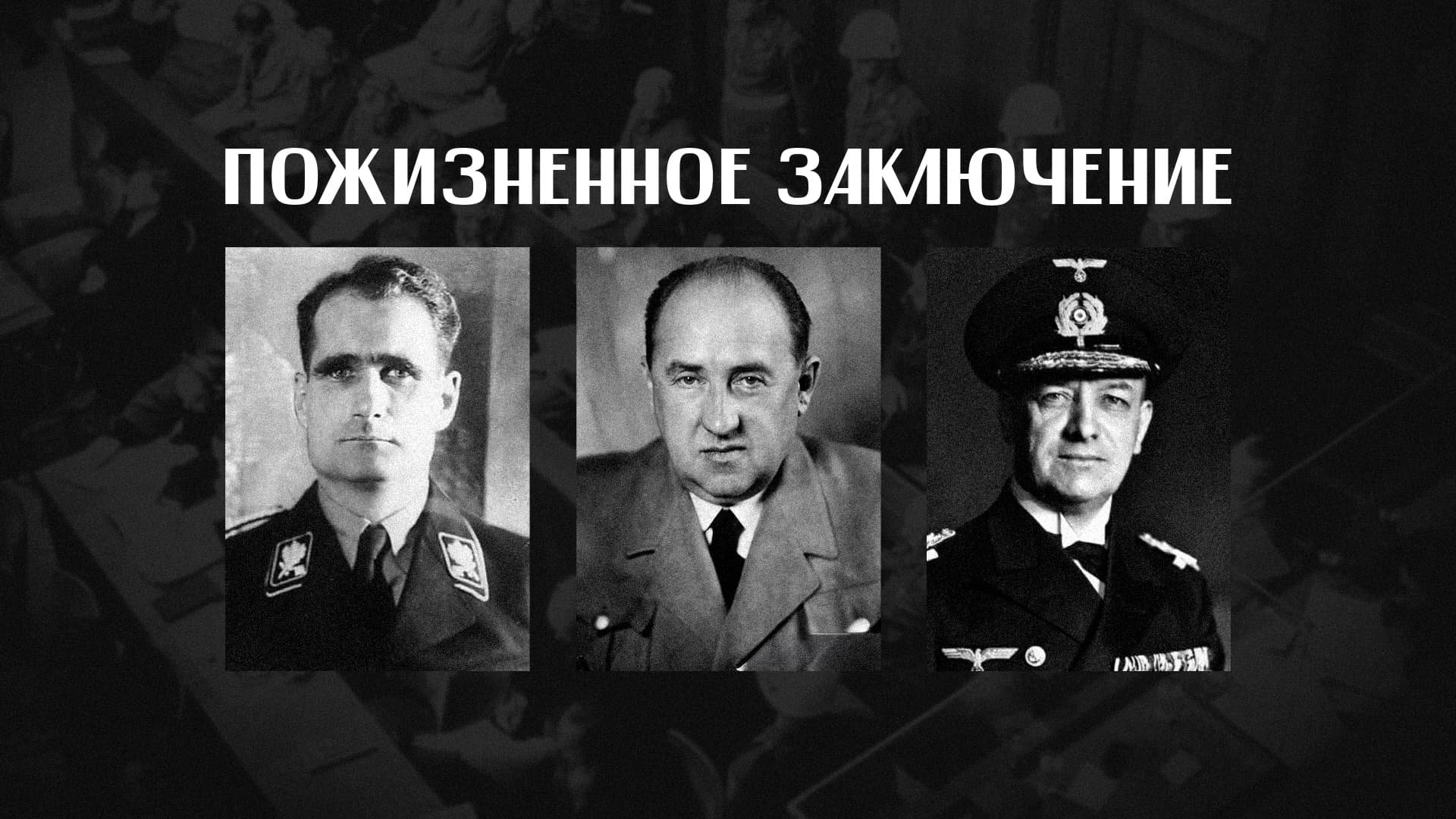
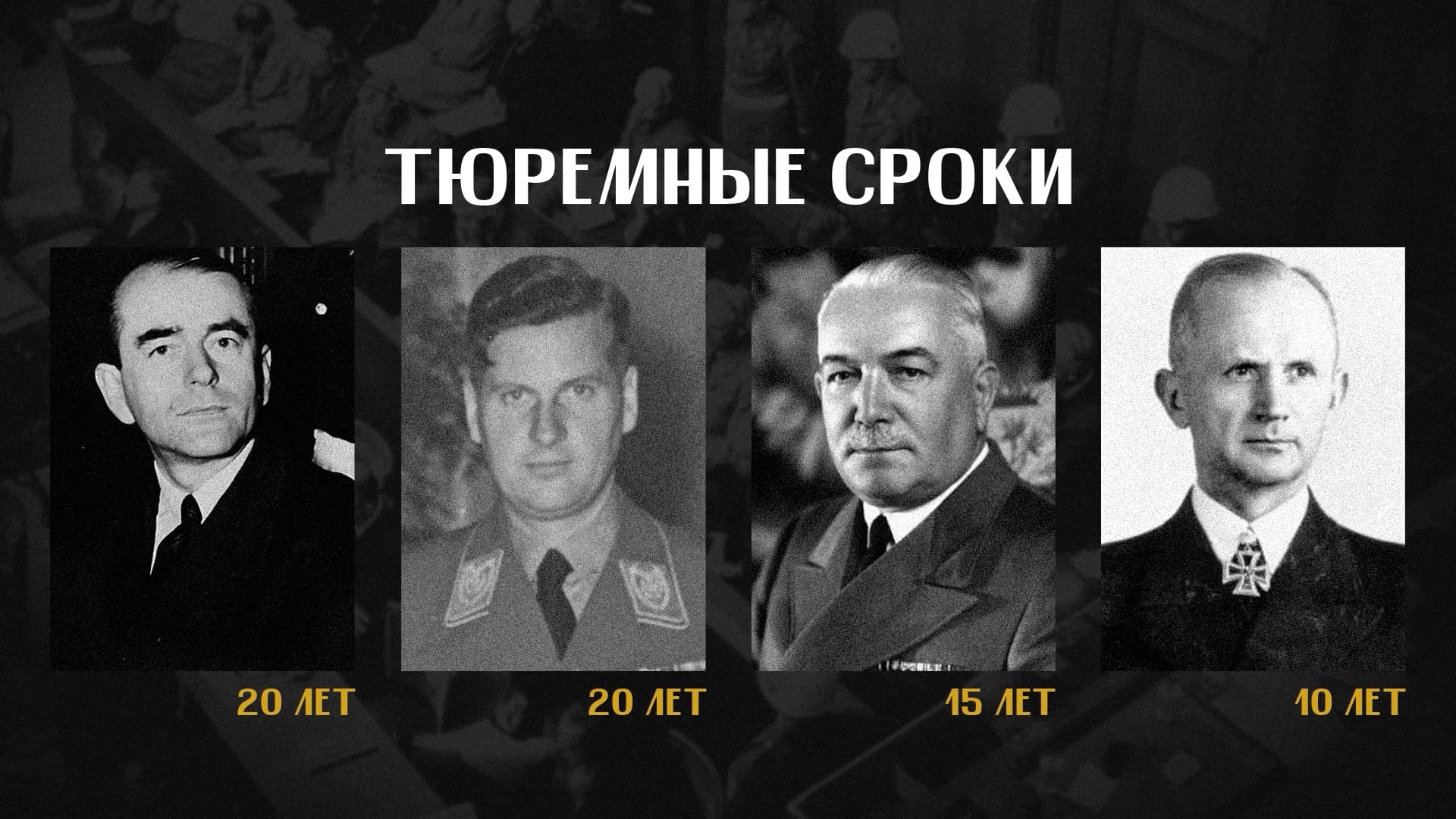
Life imprisonment received: Hess, Funk, Raeder. Prison terms: Speer - 20 years, von Schirach - 20 years, Neurath - 15 years, Dönitz - 10 years. Justified: Schacht, von Papen, Fritzsche.
At the same time, the Soviet judge Iona Nikitchenko categorically disagreed with part of the verdict. He expressed an official dissenting opinion in which he protested the acquittal of Schacht, von Papen and Fritzsche, and insisted on the death penalty for Rudolf Hess. In general, the Soviet side was dissatisfied with the process. Stalin believed that the condemnation of Nazism should be total and comprehensive, and the process did not produce such a result.
The Nuremberg Trials did not cover up Nazi crimes. Thousands of perpetrators, wardens, doctors, officials were not brought to justice or were convicted much later. Many fled. Many died of their own accord. The trial of the main perpetrators was necessary, but it did not exhaust the issue of responsibility.
Nevertheless, the tribunal set an important precedent: for the first time in history, heads of state were brought to justice by an international court for aggressive war and mass crimes.
The principles enunciated in the Charter and the sentence formed the basis of international criminal law. In 1946, the UN General Assembly reaffirmed the Nuremberg Principles. They were subsequently used in the establishment of the tribunals for the former Yugoslavia and Rwanda and in the formation of the International Criminal Court.
It was Likbez.by.
The project was created at the expense of targeted collection for the production of national content.