
WSJ spoke about the revival of Levi's and the great risk of the company
With the return of 90s fashion, Levi’s began to capitalize on the increased interest in low-set jeans and other models of the decade, according to The Wall Street Journal.
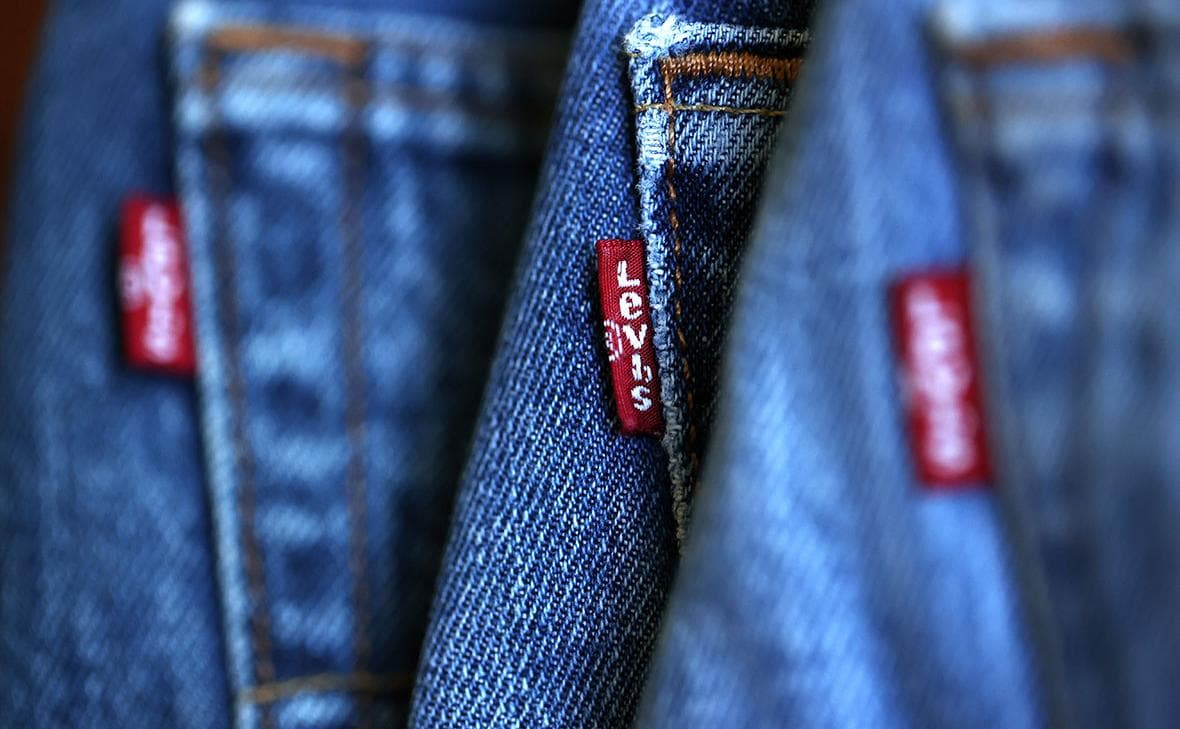
With the return of 90s fashion, Levi’s began to capitalize on the increased interest in low-set jeans and other models of the decade, according to The Wall Street Journal.
Anne Cumbria, Levi’s vice president of global marketing, said, “Levi’s has become synonymous with 90s fashion.” The magazine notes that the brand began to offer new models imitating popular vintage jeans, and expand its range with other items of the 90s era.
According to analysts interviewed by WSJ, fashion products, the desire for direct sales through the website and the growing network of branded stores provide Levi’s with the strongest position in the market. According to the brand’s forecast, by November their annual sales growth will reach 7.5%.
However, as the magazine writes, the company's profits are not growing as much due to marketing costs, customs duties and the shift to outsourcing most of the order processing. According to analysts, betting on branded stores, the company is taking big risks.
“The success of these Levi’s stores will require experience in real estate and merchandising that has not been available before, as well as for consumers under pressure from high prices for gasoline and other goods to continue shopping in stores.”.
As the magazine notes, sales of Levi’s began to decline after the fashion came elastic jeans with a very low fit and premium brands, and the company continued to bet on department stores and other retail chains, lagging behind competitors in e-commerce.
Later, Levi’s began to expand the range beyond classic jeans, returned to the lineup of models in the style of the 1990s, including low-set jeans, and also increased direct sales to consumers. This, according to the WSJ, helped improve performance.
“Revenue for the first half of the current fiscal year grew by more than 11% and amounted to $ 3.3 billion,” the publication said.