
Archival documents and recollections of witnesses: a book about the genocide of civilians in the district was presented in Stolin
There are dates that can’t be flipped like a calendar page. They return with silence at the mass graves, names on monuments and pain, which is even worse.
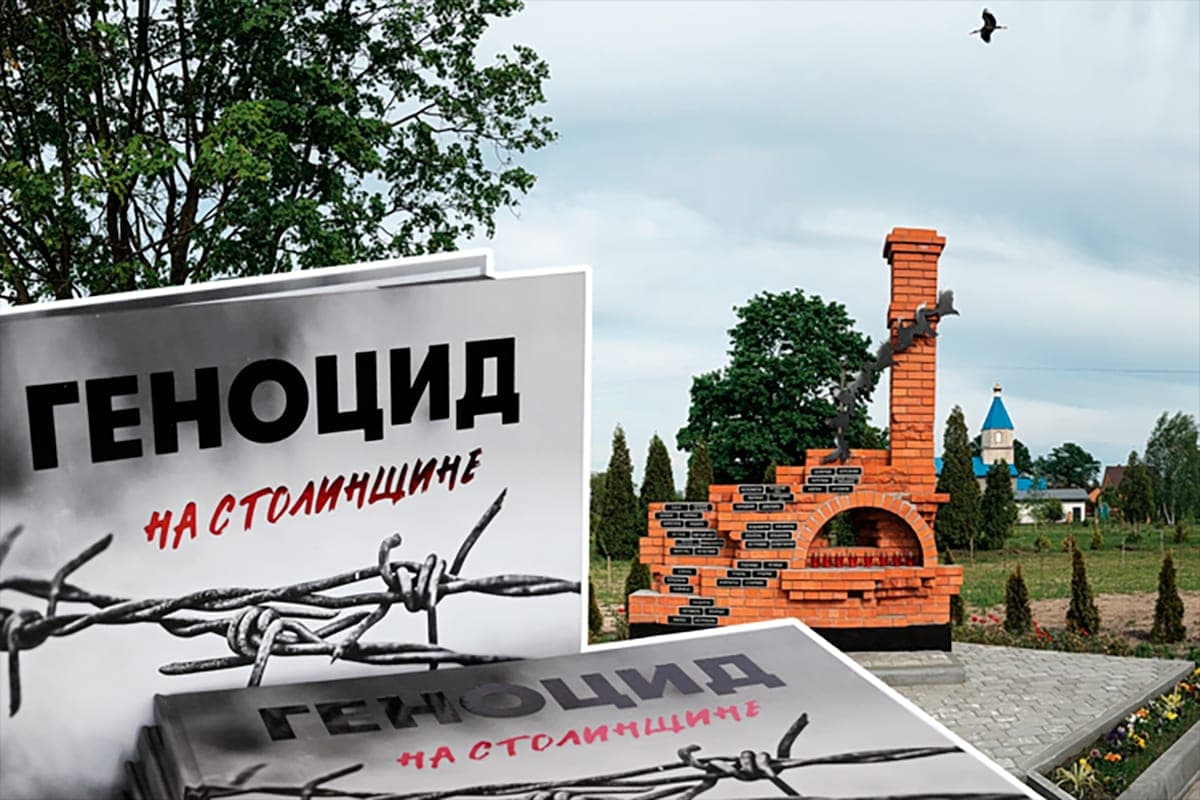
There are dates that can’t be flipped like a calendar page. They return with silence at mass graves, names on monuments and pain, which even decades later can not be considered gone. Today, September 11, in Stolin presented the book “Genocide in Stolin region”. Exactly 84 years ago, this day became one of the most terrible in the history of the district. September 11, 1942 in the tract Stasino there was a mass shooting of civilians. The land of this tract took 12.5 thousand people, writes sb.by.

Each of them had a name, home, family, dreams and plans for the future. Someone in the morning hugged the child, someone hoped to see relatives, someone to the last minute could not believe that human life can end so cruelly.
The new book does not allow these fates to dissolve in faceless statistics. It contains archival documents, photographs, interrogation records, lists of those killed and taken to Germany, and most importantly, the memories of those who saw the tragedy with their own eyes and miraculously survived.
From the pages of the publication are the voices of the latest witnesses. A woman who witnessed the shooting of 53 Jews and the burning of her village. A girl who was sent to forced labor in Germany at 16. A resident of Stolin region, who was together with her mother and brothers in the concentration camp of Ozarichi. Behind each such story is a life forever divided into before and after.
Chairman of the Stolinsky District Executive Committee Sergey Zhidetsky stressed:
- This is not just a collection of documents and facts. It is a book of memory, a book of pain, and a warning book. On its pages recorded the truth about what hell the inhabitants of Stolin region went through.
It’s hard to read about burnt villages. During the occupation, 44 settlements were destroyed by fire. 4,365 houses were destroyed and 1,146 civilians were killed.
But even these figures do not convey the full depth of the tragedy. In the colony of Rossoshka of 173 houses survived only one. Two of the 202 houses remain in Olmany. In the shorts of 140 - only three. Where, until recently, stoves were drowned, children were raised, bread was baked and loved ones were waiting for home, ashes remained, charred walls and silence.
The tragedy of the village of Voroni is comparable to the fate of Khatyn. In February 1943, the invaders burned it together with some of the residents. Today, work continues to establish the names of the dead. This means that after more than eight decades, the unnamed victims are finally reclaiming their most important name and place.
About why the investigation of crimes of war years does not lose its importance today, said the Prosecutor of Stolin district Alexander Fedorovich:
The Belarusian people experienced a real genocide. Concentration camps, mass shootings, public executions, kidnapping of people into slavery – crimes were committed in almost all settlements of Belarus. The investigation of the criminal case of the genocide of the Belarusian people helps to establish and preserve historical justice. This is our indisputable right and sacred duty to the lost and future generations.
“Genocide in Stolin region” can hardly be called just a historical publication. This is a book that cannot be read indifferently. It makes you stop and think: who were the people whose names are on the lists of those shot? What did a 16-year-old girl dream of before she went to Germany? Who lived in the only house that survived the 173 burnt?
The answers are not always known. But as long as we ask these questions, memory is alive.
They tried to take their lives, their homes and their future. It is our duty not to let their memory be taken away.


