
Auto-run in winter can leave cars Volgograd without a battery
Incorrect adjustment of frequent short warm-ups can lead to a deep discharge of the battery and accelerated wear of the engine.
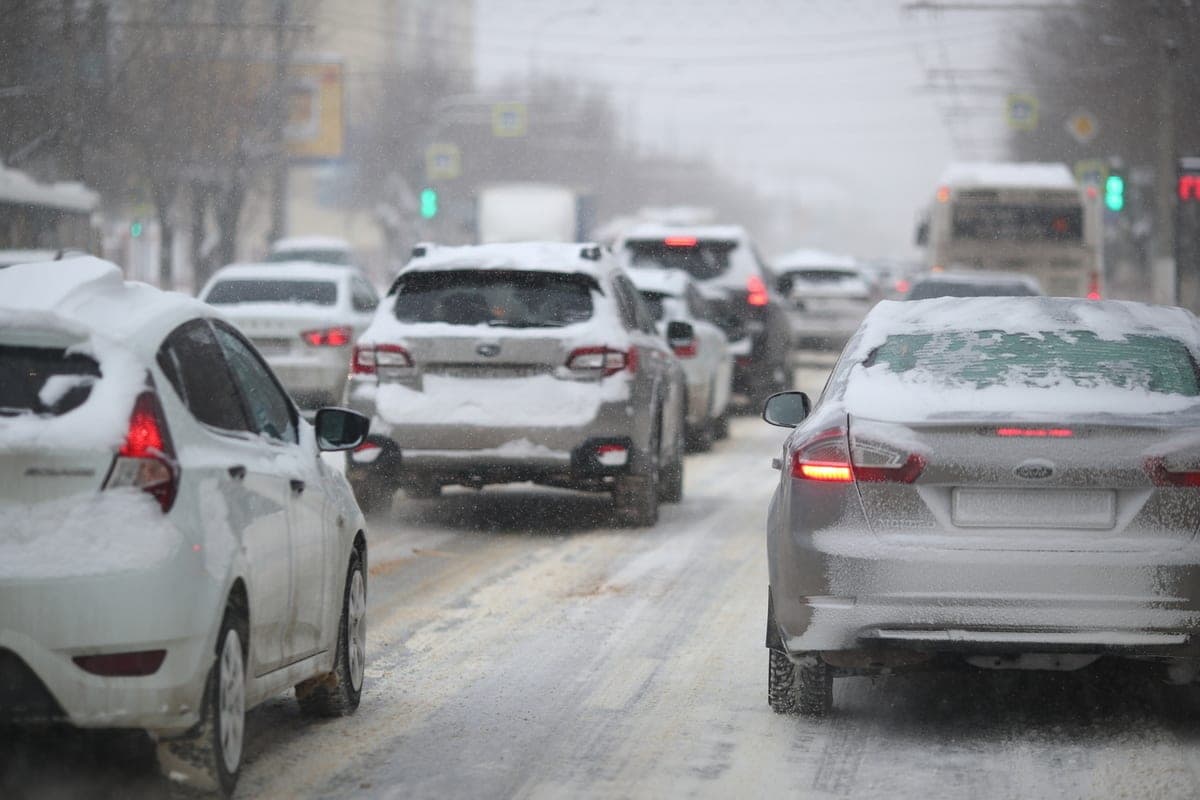
What is the catch of frequent short warm-ups
Remote start of the engine is one of the most popular winter solutions: many people want to get into a warm cabin in the morning with clean glass and a motor ready for movement. But, as Konstantin Ershov, a technical specialist of ROSSKO, warns, with an illiterate setting, auto-start from an assistant easily turns into a source of problems - from a dead battery to accelerated engine wear.
The main mistake of car owners is to adjust frequent short warm-ups, for example, every one and a half to two hours for 15-20 minutes. Each start requires a powerful current pulse (up to 200-300 A), and for ten minutes of idling, the generator does not have time to make up for this loss - especially in the cold, when the cold battery takes the charge worse. As a result, after several cycles per night, the battery is in a deep discharge, and in the morning the car may simply not start.
The engine itself suffers: with short warm-ups, it does not have time to reach the working temperature. Unburned fuel washes the oil film from the walls of the cylinders, accelerating the wear of the cylinder piston group, provokes soda on candles and dilutes the oil, reducing its protective properties. It turns out that the engine “winds up” hours of operation, and the car does not travel a kilometer.
How to set up auto start without harm to the car
Auto-start itself is not dangerous - provided that the car is technically serviceable, and the alarm system is installed and configured correctly. The load on the engine during remote start-up practically does not differ from the usual start-up key. The danger arises when auto-start attempts to compensate for problems such as a weak battery, worn candles or low compression.
Experts recommend linking the start to the temperature of the coolant (for example, at -15 ° C and below), and not to the cooling of the cabin - the cabin cools faster and provokes unnecessary cycles. It is optimal to use autostart as a preparation for a trip: one start 10 minutes before departure in moderate frost is enough, in severe cold time can be increased.
Adjustment to the on-board network voltage is also useful: if it falls below 12.0-12.1 V, the system will automatically start the engine to recharge. But if there are several such launches per night, this is a signal: you need to contact specialists and find out the cause of the rapid discharge.
Risks and rules of safe operation
There are also hidden threats not directly related to the engine. Poor-quality alarm installation – wire twists, connection to weak chains, homemade solutions to power the starter – increases the risk of short circuit, overheating and even fire at the time of launch, when the driver is not nearby. In addition, unnoticed problems of the car (fuel leaks, cracks in the pipes, leaking glands) during warming up without control can quickly develop into serious breakdowns.
Those who regularly use auto-run, experts advise:


