
“No sugar” does not mean “no calories”: why sweeteners do not save the figure
Sugar substitutes cause mixed opinions: some consider them a salvation for those who follow the figure, others - a potential danger to health. How do sugar substitutes affect the body compared to regular sugar? In what cases can they be useful, and who should be careful? Can a healthy person use them every day? This was told by nutritionist with medical education Julia Orlova.
A healthy person can consume allowed sweeteners, including daily, but within the permissible dose. But specifically introduce them into the diet is not necessary. The permissible daily dose is the amount of a substance calculated for daily use during life, and not the norm, which must necessarily be typed.
“The norm is different for different sweeteners, so there is no universal advice, for example, no more than three tablets,” says the nutritiologist.
The word “sugar substitute” combines substances with different properties. Regular sugar gives about 4 kilocalories per gram, is broken down into glucose and fructose and increases blood glucose levels. Sweeteners like sucralose or steviol glycosides derived from stevia are significantly sweeter than sugar. Their number is minimal, so they do not affect calorie content and do not increase blood glucose levels as much as sugar.
“There is another group – sugar alcohols, for example, sorbitol, xylitol, maltite, erythritol. They differ from each other in calorie content, influence on glucose and tolerability, adds expert Julia Orlova.
Therefore, to consider any product "sugar-free" calorie-free or does not affect blood sugar would be a mistake. This is especially true for sweets with maltitis: with diabetes, it is important to take into account the entire composition and amount of carbohydrates. Fructose, which can also be found on the shelf of sweeteners, is real sugar, not its calorie-free alternative.
Sugar substitute creates the illusion of health care. However, its real benefit depends on what products and how much it replaces. The benefits are especially noticeable for those who consume a lot of sugar in drinks. If you choose a sugar-free option instead of regular sweet soda, the amount of sugar and calories really decreases. For people with diabetes, such replacements can be a convenient way to control their diet. But sweetener does not cure diabetes and does not in itself contribute to weight loss.
“It is often misunderstood that WHO does not recommend the use of non-sugar sweeteners as the primary strategy for long-term weight management: no convincing long-term benefit has been established.” But this does not mean that a cup of tea with a sweetener is dangerous, says the nutriciologist.
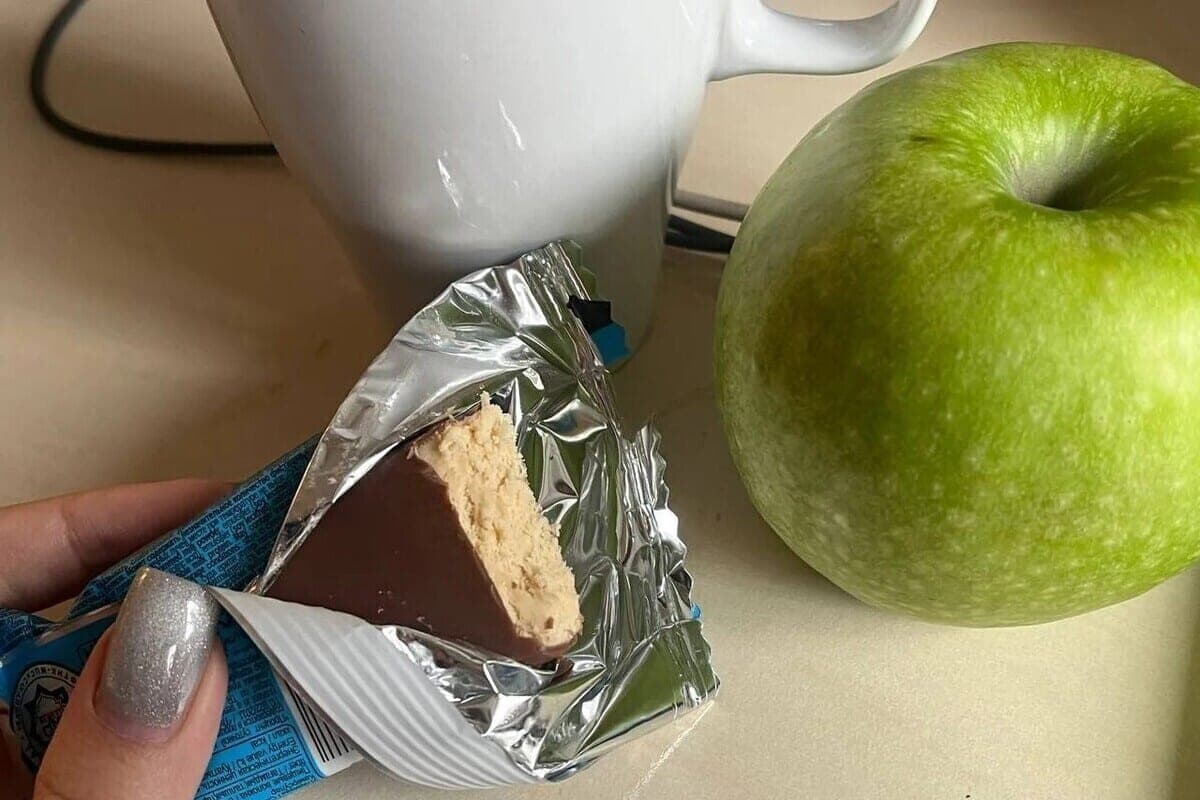
The safety of the substance and its effect on weight loss are different aspects that require an individual approach. It is important to take into account the specific substance and condition of the body. Sorbitol, xylitol and other sugar alcohols in high doses can lead to flatulence and diarrhea. In people with irritable bowel syndrome, sensitivity to some of these substances is particularly high. Often the cause of discomfort after eating a “useful” bar is associated with sweeteners.
Therefore, it is worth paying attention to the entire diet as a whole. Since even cookies without added sugar can contain a lot of fat and be very high in calories.
“When a person replaces sugar but allows himself twice as much dessert, he will not consume fewer calories.” Even if the package says "without sugar", you need to look at the whole composition and control the size of the portion.
If a person is healthy, then drinking a sweetener in coffee in the morning should not cause concern. But it is recommended to reduce overall sugar intake: drink less sugary drinks and choose yogurt without additives. This not only helps to maintain a normal weight, but also allows you to feel the taste of natural products.


