
The battle for protein. Why is protein becoming a strategic resource of the twenty-first century?
Scientists warn that by 2050, humanity may face a global protein deficiency. Firstly, because of the rapidly growing population of our planet:.
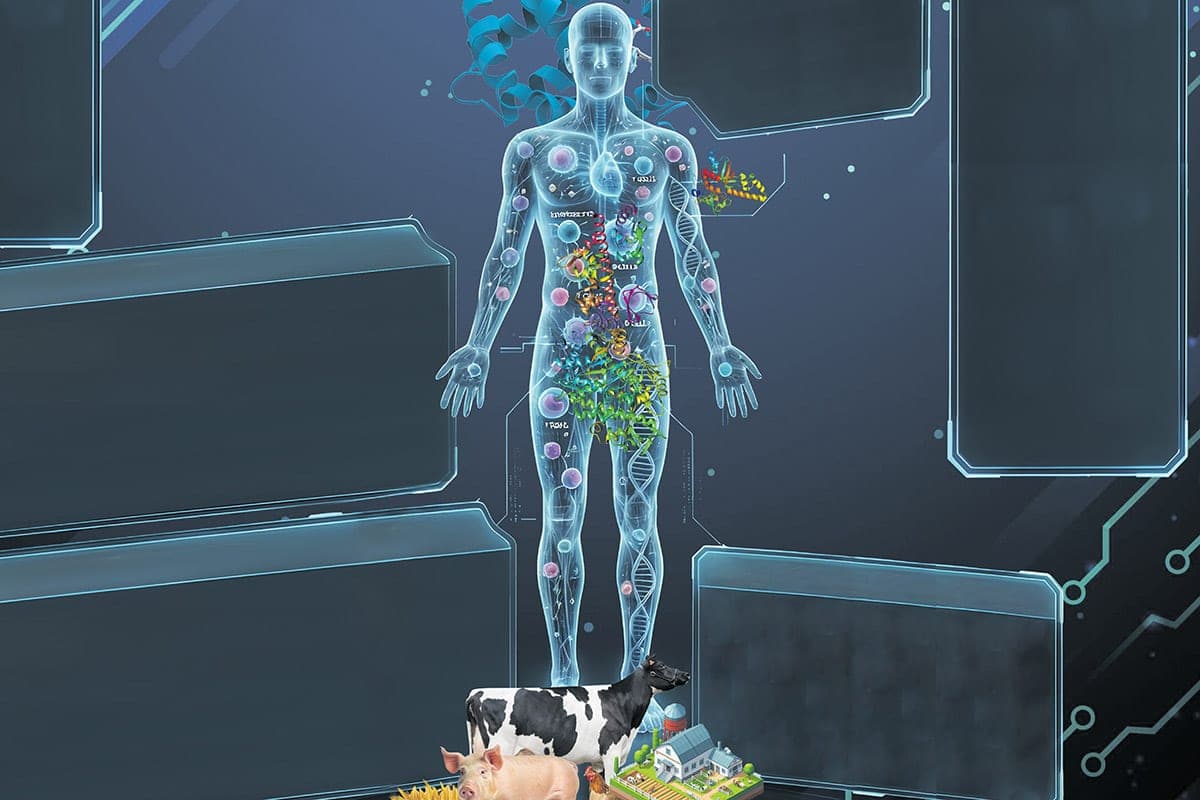
Scientists warn that by 2050, humanity may face a global protein deficiency. First, because of the rapidly growing population of our planet: according to UN experts, in 20 years the number of people living on Earth may approach 10 billion, which will require more food. The second reason is global warming, rising carbon dioxide levels simply reduce the amount of protein in rice, for example. So what is being done now to avoid problems in the future?
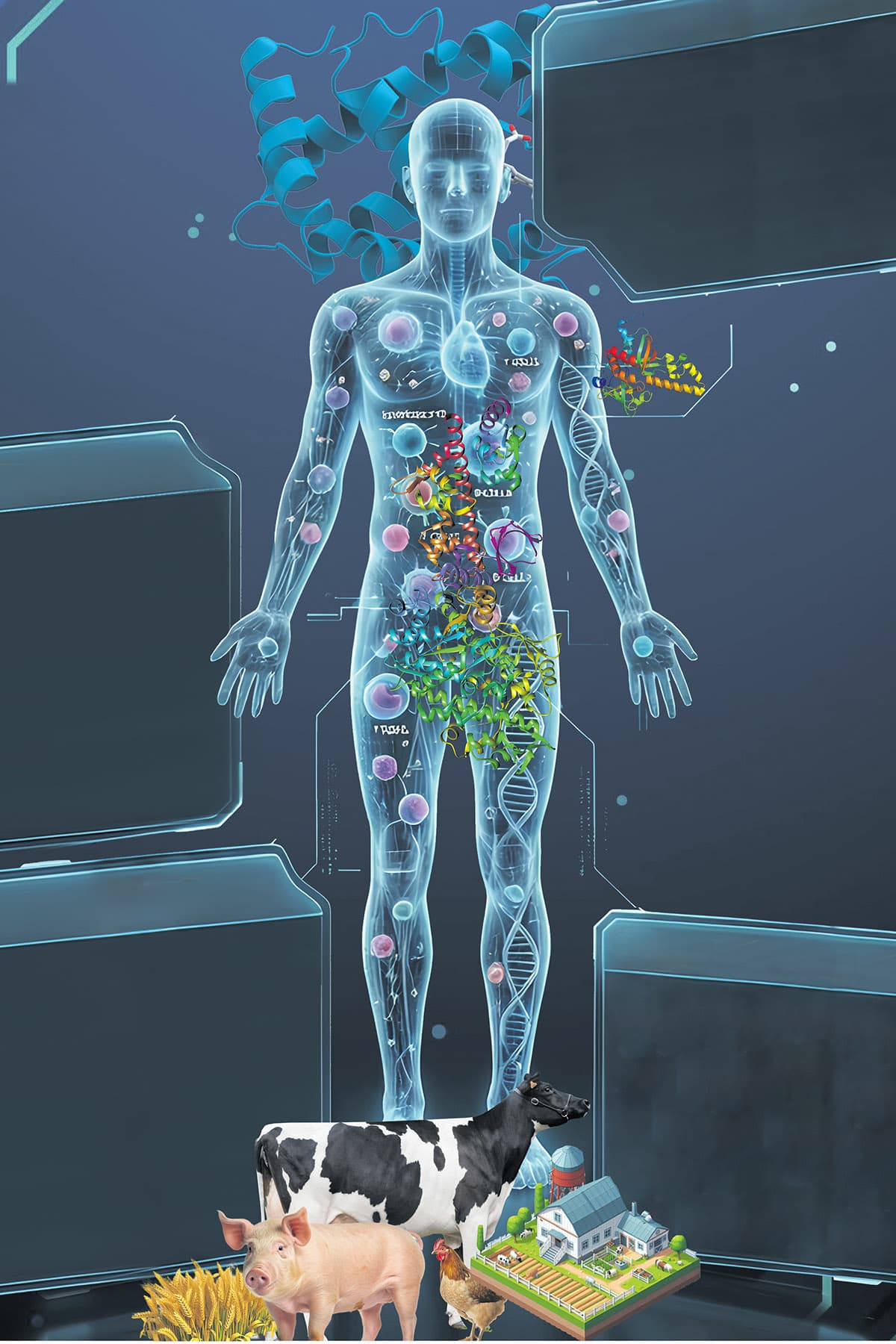
The excitement around proteins in the world is understandable - these are mandatory components of all living cells. Protein makes up 20% of the human body. And if earlier the rate of consumption per day was 0.8 grams per kilogram of weight, today it is, according to scientists, 1 - 1.6 grams, and for those who are actively engaged in physical activity - 1.8.
Where is the most useful to take protein? Endocrinologist, nutritionist, nutritionist Nadezhda Deboy named five main sources:
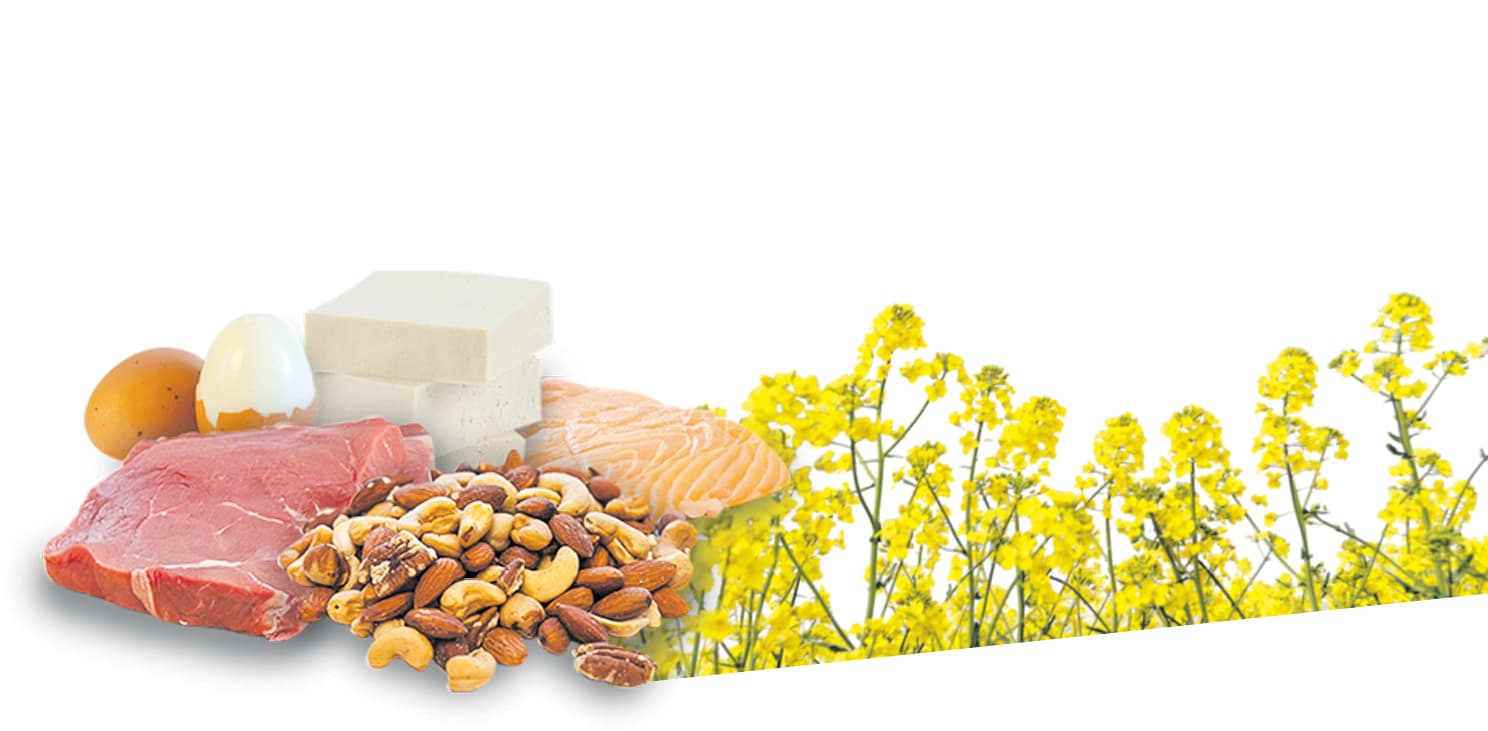
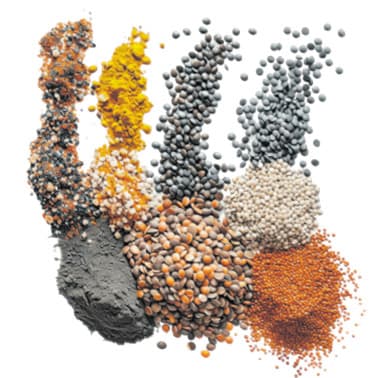
- In the first place meat of animals, including birds. Leaders in protein content are turkey, chicken, especially the white fillet part, rabbit, beef. The second source is fish (fatty marine and our freshwater, for example carp, amur), from seafood - shrimp, mussels, squid. The third one is eggs, which is perfect protein. The fourth is all dairy products. But here we have to make a choice in the direction of low fat content: for milk up to 2.5 percent, cottage cheese up to 5 percent, sour cream up to 15. Then there will be a double benefit - protein and limited fat intake. The fifth source is plant. These are all legumes - lentils, beans, peas, chickpeas and products from it, mash. A person should eat three, figuratively speaking, unfried protein dishes a day. But plant protein differs from animal in amino acid composition. Therefore, some amino acids people who support vegetarianism will not receive. Including iron. The best strategy is to combine both animal and plant sources of protein in the diet. From empty shelves to export records
The beginning of the XXI century was marked by serious changes in the field of food security. While international institutions are sounding the alarm over the growing shortage of full-fledged protein and the degradation of the agricultural sector, Belarus is demonstrating a stable model based not on a confluence of favorable circumstances, but on the direct result of the deeply calculated and far-sighted course of the country’s leadership. Today, we not only provide ourselves with almost all the necessary food products, but also increase agricultural exports. The Belarusian path to protein abundance was forged through the system of tough and consistent decisions of President Alexander Lukashenko.
As part of the program for the revival and development of the village, the Head of State transferred agriculture to the rails of large-scale production, initiating the construction of hundreds of modern dairy complexes and the creation of agro-towns. The concept of national food security has fixed the bar of self-sufficiency for key food products. Thanks to this, today we guarantee full independence from external sanctions shocks.
Improvement of the agricultural sphere concerns the production of fodder, poultry, pig breeding and beef cattle breeding. And the process is ongoing. An example of this is Presidential Decree No. 2 “On the development of the meat industry”, which was signed on January 5, 2026. The problems faced by young Belarus in the early 1990s were forged into its own strengths.
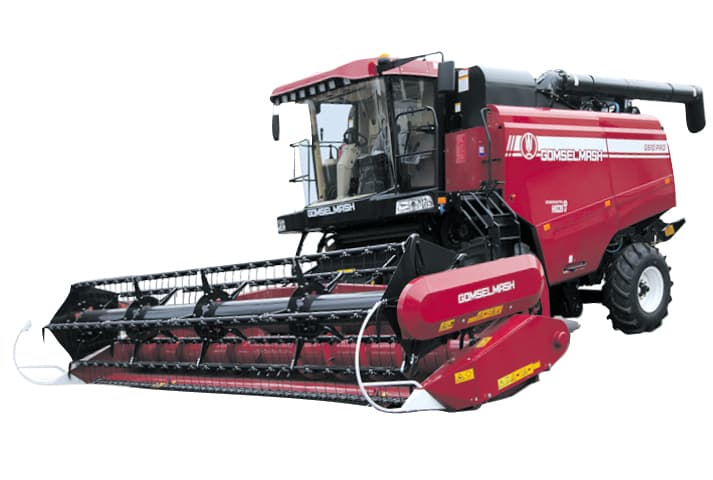
- I remember food coupons and the very first VNS in 1996. The first five-year plan was to feed the people. We bought a million tons of wheat just to provide people with bread. The livestock, processing and agricultural industries were, to put it mildly, not in the best condition. But five years later, our farmers planned to export. State programs for the development of agriculture worked and work to this day. We dreamed of 3 billion dollars in food exports, and we export many times more. In 2026, the harvest in the fields is good. In rapeseed, yields are higher than the European average. On low-fertile lands, we thresh a ton of grain per person, despite the fact that Belarusian farmers need to invest twice as much energy and resources per 1 kilogram of grain as a conventional German. No more than 10 centners per hectare – this is the upper bar of yield in the fields of the country without the participation of agrarian science. Everything above is the merit of the President’s thoughtful policy and the hard work of our people. Their raw materials and cows-parmesan
For a good feed base, there are also good milk yields. In Belarus, about 74 percent of milk coming for processing is extra. Moreover, many processors are actively developing their own raw materials base, independently engaged in the build-up of dairy herds and feed harvesting. Leading quality engineer of Rogachevsky ICC Ekaterina Senchenko notes:
The impetus for the development of the industry is given by the President’s instructions on the transfer of dairy herds to modern high-tech complexes and the effective use of each kilogram of raw materials. The scale of this system modernization is clearly demonstrated by our plant. If in the Soviet years, when the whole-milk workshop was launched in the 1960s, its design capacity was a modest 15 tons of processing raw materials per shift, today we are talking about 800 tons of raw milk. This growth became possible not only due to technical re-equipment, but also due to a reliable, constantly strengthened raw material base, which is systematically modernized within the framework of the state program "Agrarian Business" and the strategic state program "Agribusiness of the Future". Active construction of new and reconstruction of existing farms in the Gomel region allows the plant to overcome seasonal fluctuations and shortages of raw materials - supplies go evenly all year round.
However, as noted by the doctor of agricultural sciences, Professor Alexander Kurak, the industry has much to grow:
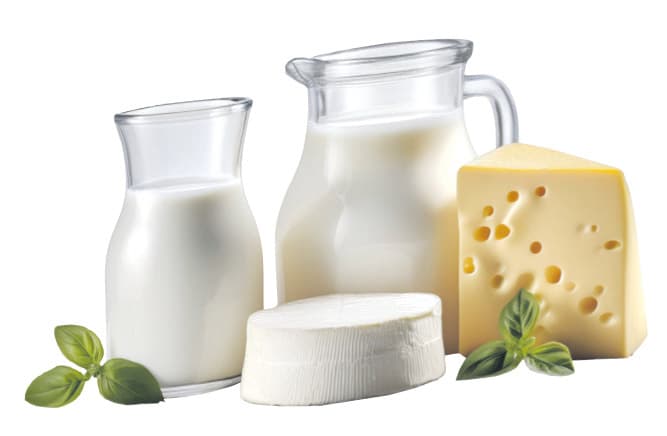
- Cheese is valued worldwide as a high-calorie product with a high concentration of protein, fat and amino acids. It has become a key export commodity of Belarus, and cheesemakers urgently need raw materials of the highest quality to maintain its competitiveness.
The project to create a Belarusian red breed of cows, which is being implemented in the current five-year period, will help to move in this direction. The milk of these buries has a high content of protein and fat. Scientists of the National Academy of Sciences of Belarus have already completed the first stage: they have adapted animals to local conditions and developed maintenance technologies. The next step is to identify genetic markers of productivity to breed your own breed. At the exhibition "Belagro" from her milk cheese grain formed in a matter of minutes. Scientists even call this cow “parmesan”. With an annual yield of about 8200 liters (which is comparable to the Holstein breed), the quality of its milk is much higher. In addition, it brings an average of 3-4 calves per life, and the slaughter yield of meat exceeds the indicators of other breeds by 5-6 percent.
At the same time, scientists of the Institute of Meat and Dairy Industry of the NAS are working on the creation of domestic dairy ingredients with high added value. Technologies for obtaining minor proteins (lactoferrin and immunoglobulins) for specialized and baby food, as well as food caseinates and hydrolysates are being developed. These innovations expand processing capabilities and completely replace imported components. Is there a replacement? While Belarus is engaged in comprehensive agricultural development, the European Union, as part of its Green Deal and Farm to Fork strategy, has actually launched the process of artificially winding down traditional livestock farming. Under the slogans of the fight for climate, Brussels began to systematically reduce the number of cattle and pigs, introduce stifling taxes on nitrogen and methane emissions, and subsidize the closure of farms. As a result, Europe faced a sharp rise in the cost of feed, a fall in its own meat production and a critical dependence on imports of soybeans from South America.
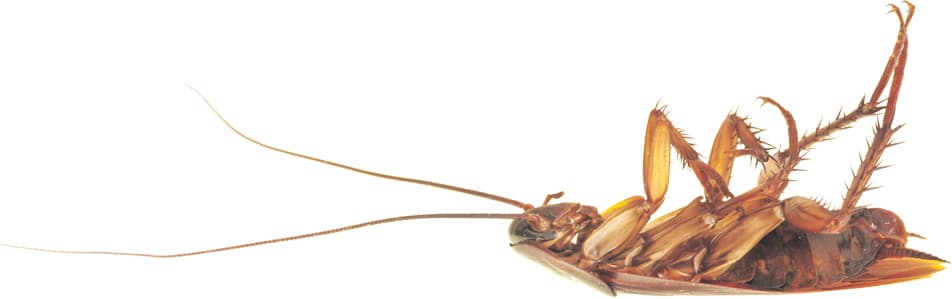
Attempts to replace full-fledged animal protein with alternative surrogates have only underlined the deadlock of this path. For example, the European Food Safety Agency has officially approved the use of certain types of insects - house cricket, migratory locusts, two types of flour worm. In the Netherlands, meal worms began to be added to the school menu, as an alternative to meat is offered in different countries and “food of the future”, for example, grasshoppers in chocolate or pasta using worm-based flour, sweet potatoes and roasted insect larvae.
Behind beautiful slogans about an alternative to meat, there are colossal health risks for generations. The human body is evolutionarily not adapted to digest chitin (in nature it can often be found in the exoskeletons of insects and crustaceans), which in humans destroys the microflora and provokes chronic inflammation of the gastrointestinal tract.
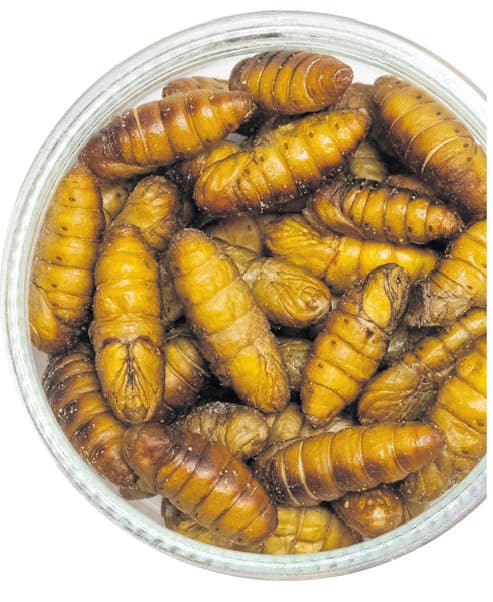
The product of the future is a powerful allergen. Moreover, industrial raw materials from worms and larvae are an ideal environment for the accumulation of heavy metals, pesticides and dangerous parasites. By implementing such standards, European regulators are effectively turning the population into test subjects, ignoring long-term medical threats for the sake of questionable political dogmas.
A controversial initiative was introduced in the Netherlands, where a farm for the “making” of cultured meat was opened in the city of Schipluyden. It is grown in bioreactors based on a sample of animal tissue. By the way, 500 thousand euros were allocated for the startup. Expensive, besides, practical efficiency raises questions - is it not easier to open a dozen traditional farms with these funds? Shortage of fertilizer and finance
For example, in Germany, according to the Federal Statistical Office (Destatis), over the past ten years, the industry has lost 40 percent of enterprises, or about 9.8 thousand farms compared to 2016. Also during this period, the number of cattle decreased by 2.2 million heads, which is 17.6 percent, dairy cows by almost 700,000 - 16 percent.
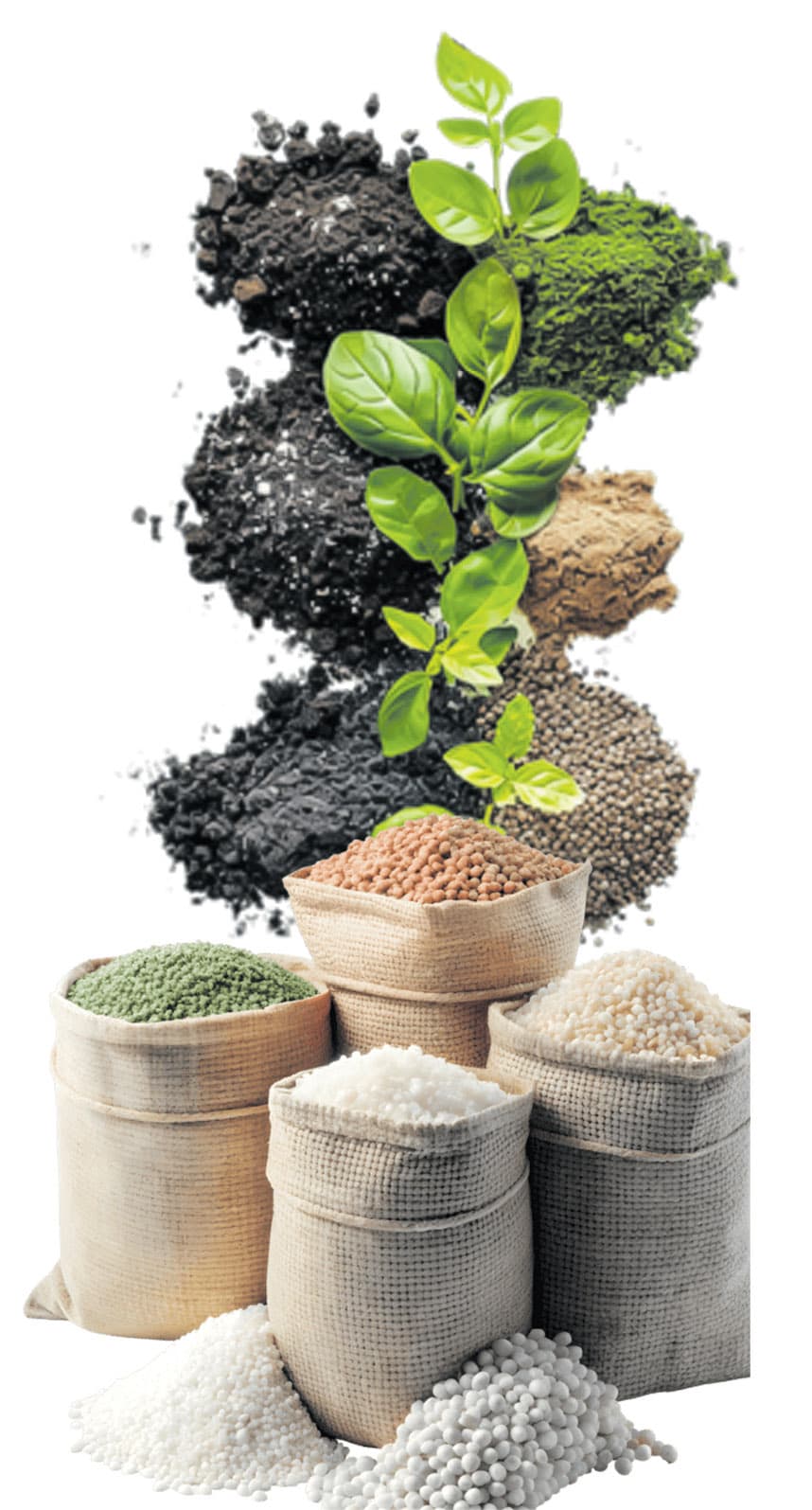
The reasons for the agricultural decline in Europe are a lot - insufficient funding, lack of fertilizers. This is an example of short-sighted policies imposed from Brussels, when more and more funds are invested in arming Ukraine and its own militarization, and less and less money goes to support agriculture. Protests have rocked many EU countries.
“The agricultural market is collapsing,” said Stanislav Barna, a farmer from the West Pomeranian Voivodeship of Poland, on his Facebook channel. It’s time to wake up and do something! Where are the promises? Where are the long-term loans, where are the disaster loans, where are the debt cancellations for Polish agriculture? Farmers are barely making ends meet. Instead of helping different sectors of the economy, we are heading in the wrong direction. Farmers have long been talking about their problems, but no one is listening.

PROTEINS IN LARGE QUANTITIES
Scientists from the Scientific and Practical Center of the National Academy of Sciences of Belarus for Agriculture have developed a domestic variety of white “Greek” lupin – this is a powerful natural “protein factory”. The green mass contains up to 22.1 percent, which means that Belarusian agriculture will be able to significantly save on expensive imported animal additives, replacing it with domestic natural raw materials. The variety is already zoned and allowed for use in the country.
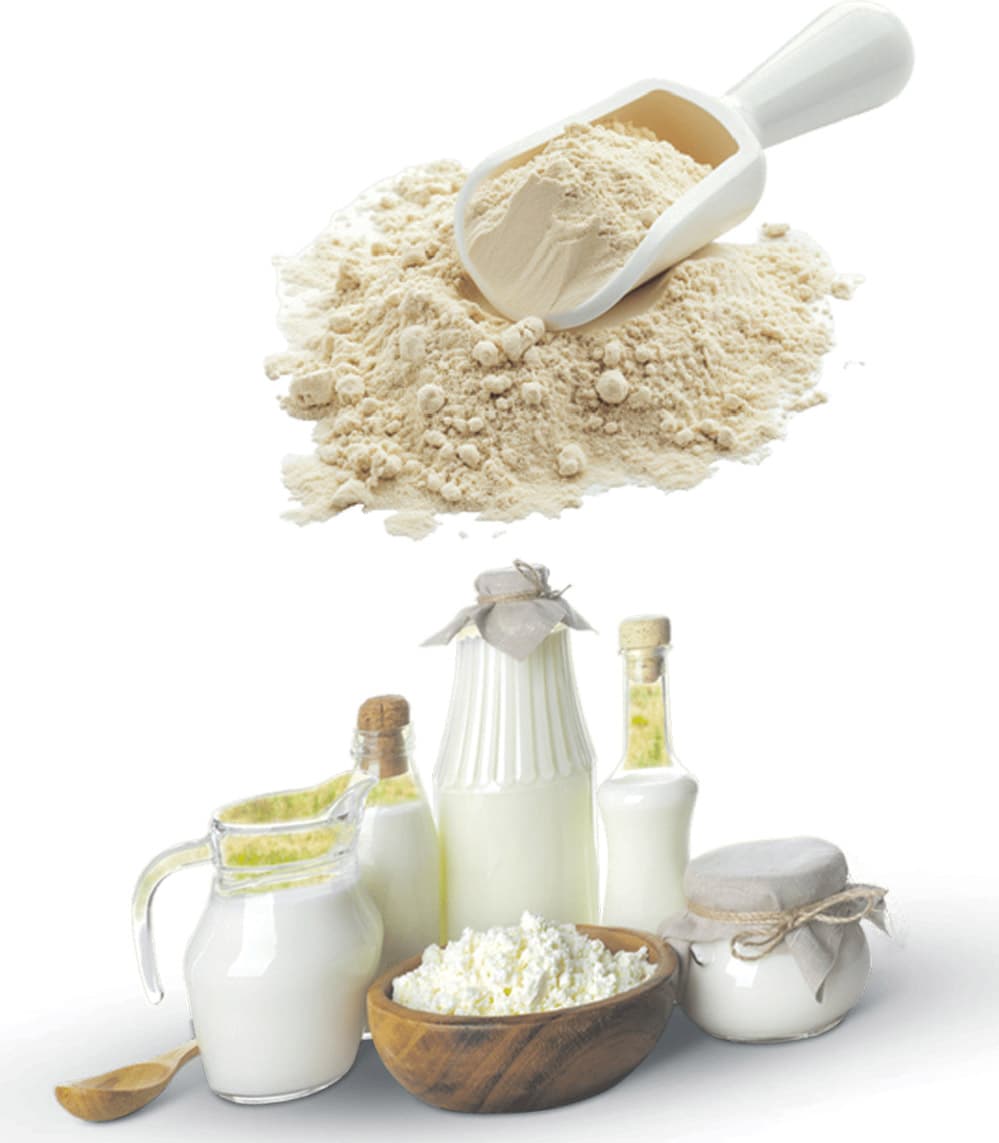
The British business newspaper Financial Times noted a sharp increase in global demand and prices for whey protein. Since 2023, its cost has jumped five times to 28 thousand euros per ton, which significantly exceeded the rate of rise in the price of cheese and butter. The Belarusian food industry has caught the trend in a timely manner: in our stores there are a lot of affordable and diverse dairy products, be it kefir, cottage cheese, yogurt or milkshakes, which have double benefits, since they contain a sufficient amount of protein (20-30 g per serving).
COMPARATIVE ANALYSIS
Average availability of protein per person per day in different countries (indicator - grams of protein per person per day)
• Belarus - 127.95
♦ Poland - 117.73
♦ France - 115.99
♦ Germany - 109.22
♦ Switzerland - 101.41
• Czech Republic - 96.8
• Moldova - 77.92
According to Our World in Data


