
How to choose watermelon and melon in September: check for nitrates
How to safely buy watermelons and melons in Belarus: expert advice on selection, nitrate testing and storage rules.
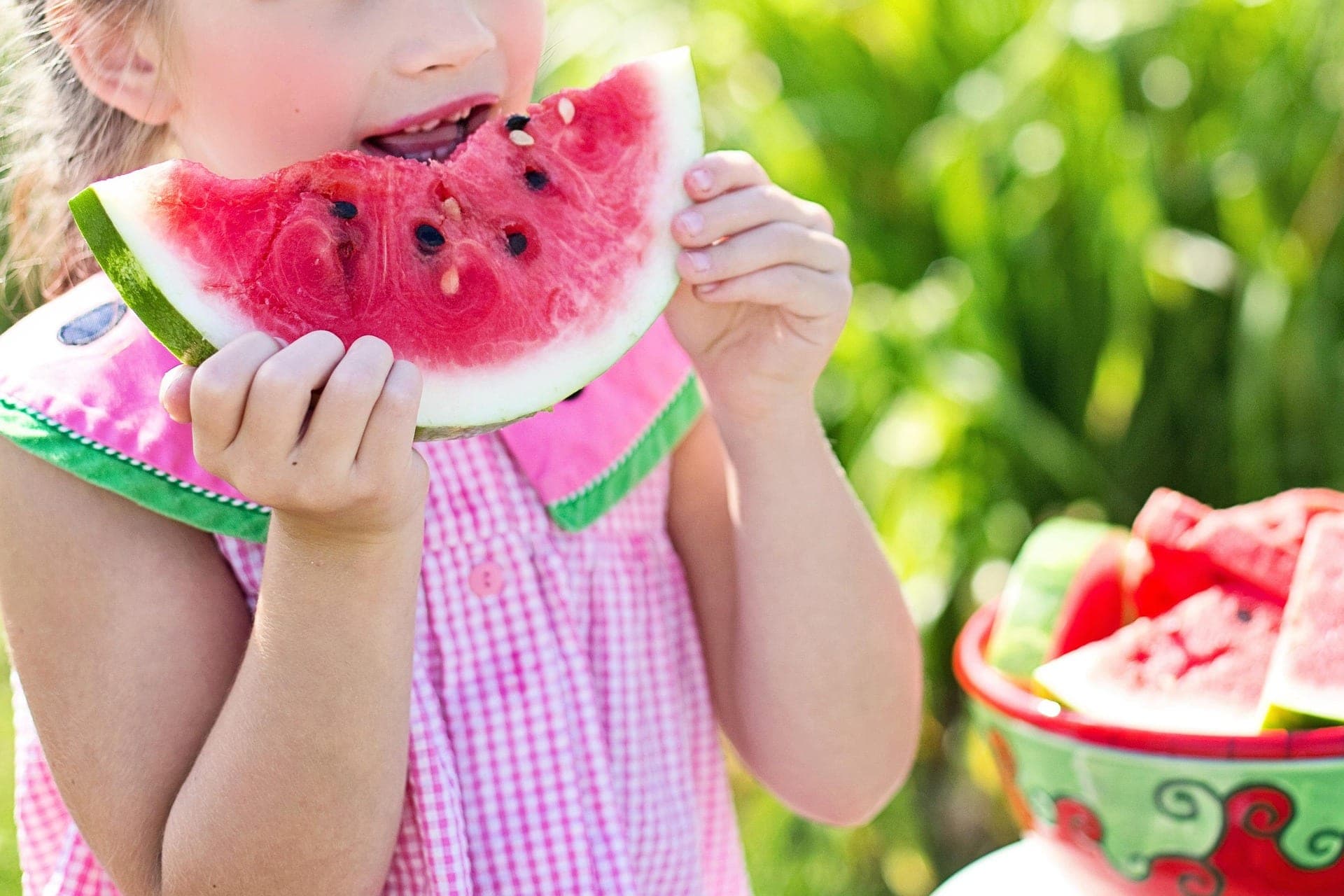
September in Belarus is a golden time for melons. The peak of the season is long past, which means that watermelons and melons ripened on melons naturally, without haste and excess fertilizer. At the end of August 2026 on the Minsk “Komarovka” watermelons cost from 2.50 to 3.9 rubles per kilogram, melons – from 3 to 4.5 rubles. In September, the choice is less, but the risk of running into a “chemical” fruit is much lower – but does not disappear completely. We know what to look at, how to check and where to buy.
Norms of nitrates: what the Belarusian legislation says
Nitrates are a natural component of any product of plant origin. The danger arises when their concentration exceeds the permissible norms: then nitrates turn into substances that can accumulate in the body and adversely affect health.
Allowable levels of nitrates in melons are established by the Technical Regulations of the Customs Union "On Food Safety" (TR CU 021/2011) and hygienic standards of the Ministry of Health of the Republic of Belarus:
Product
Tolerable level of nitrates, mg / kg of product
Watermelon
60
Melon
90
The permissible daily dose of nitrates on the recommendation of WHO is 3.7 mg per kilogram of body weight. This means that an adult weighing about 60 kg can safely get 222 mg of nitrates per day. To exceed this threshold, you need to eat almost 4 kg of “perfect” watermelon with a limit of nitrates – or less if the fetus is overfed.
Where to buy: Belarusian trade rules
In 2026, the sale of melons in Belarus is regulated by sanitary and epidemiological legislation. Sell watermelons and melons are allowed only in authorized places: shops, markets, in specialized retail facilities.
The shop must be equipped with:
- 1.a canopy or umbrella;
- 2.pallets so that the fruit does not touch the ground or the floor;
- 3.weights and price tags with information about the product.
The seller must have accompanying documents confirming the origin, quality and safety of the products. The buyer has the right to request them.
What is forbidden:
- 1.sale along roads and on roadsides - such products do not pass laboratory control, and the fruits absorb heavy metals from exhaust gases;
- 2.sale of cut watermelons and melons, as well as parts and with incisions - microorganisms multiply rapidly in the areas of the cut.
How to choose a watermelon
In September, the chances of finding a good watermelon are high - most fruits have ripened naturally by this time. But you still have to check.
Appearance:
- 1.The crust is whole, without cracks, dents and soft spots. Dark, dense, shiny - the nail should not pierce it.
- 2.Clear contrast striped pattern. Too bumpy skin may indicate unnaturally rapid growth.
- 3.On the side – a yellow or orange spot (“cheek”): a trace from the ground where the watermelon ripened on melon. White or greenish spot – the fruit was picked too early.
Size and shape:
- 1.The optimal weight is 5-8 kg. Too large fruits (especially early ones) could get an excess dose of fertilizer. Small ones are often immature.
Tail:
- 1.Dry and brittle - a sign of ripeness, but still is not an absolute guarantee: the tail can dry during transportation. A green tail does not mean immaturity, but soft, moist or with mold is a reason to refuse to buy.
Sound:
- 1.When tapping, ripe watermelon emits a moderately sonorous, loud sound with a light vibration - like a drum. Too loud – immature, too deaf – overripe or full of water.
How to choose a melon
September melons in Belarus are mainly Central Asian varieties: "Torpedo", "Kolkhoznitsa", as well as local greenhouses. Melons, unlike watermelons, are more prone to the accumulation of nitrates, so check them carefully.
- 1.Smell is the main criterion. The ripe melon is fragrant, with a pronounced sweet smell, especially in the peduncle. No smell, immature.
- 2.The crust is elastic, but not stone. When pressed in the area of the peduncle should give way slightly. Too soft, overripe.
- 3.Sound - when patting, ripe melon makes a deaf sound, immature - ringing.
- 4.The tail is dry, but not completely dried. If the tail is completely green and juicy, the melon was picked early.
- 5."Grid" on the crust (in some varieties) - the denser and more embossed the pattern, the riper the fruit.

Nitrate testing: home methods
It is possible to reliably determine the content of nitrates only by laboratory method - this is emphasized by sanitary doctors. However, there are simple ways to suspect something wrong at home after cutting.
Signs of "nitrate" watermelon
- 1.The flesh is intensely bright red, almost neon, with a slight purple hue.
- 2.The fibers from core to crust are yellow or brown, not white as normal.
- 3.The surface of the cut is smooth, glossy - in a good watermelon, it should "sparkle" with grains.
- 4.The taste is unpleasant sweet or with a metallic taste.
Water test
Dip a small piece of watermelon flesh in a glass with warm boiled water for 5-10 minutes:
- 1.The water is slightly cloudy - the watermelon is normal.
- 2.The water turned pink or red, and the flesh collapsed - the fruit has an excess of nitrates, it is not worth eating.
This method is not 100% accurate, it is only an indirect indicator. But as a primary test before feeding children, it is quite suitable.
Where are the most nitrates
The bulk of nitrates is concentrated in a layer of pulp closer to the crust - about 3 cm from the skin. Therefore, do not chew watermelon "to white": both tasteless and unsafe.

Nitratomers: worth it?
Portable nitratomers to fit into every watermelon on the market is a tempting but unreliable idea. The needle of the device must be sanitized before each measurement, otherwise the data will be distorted. In addition, sticking a needle into the fruit, which you then buy, means violating the integrity of the peel and creating conditions for bacteria. A reliable result is given only by laboratory analysis, in which a general measurement of the whole fetus is made.
Storage and use
- 1.Before cutting, thoroughly wash the watermelon or melon with warm water and soap. Microorganisms from the crust fall on the pulp with a knife - and this is the most common cause of intestinal disorders, not nitrates.
- 2.Cut fruits should be stored in the refrigerator in food film or sealed packaging for no more than 24 hours.
- 3.If the cut watermelon has an acidic smell - it has already begun microbiological reproduction, it is impossible to eat.
- 4.Do not overeat: for an adult, a dose of 400-500 mg of nitrates per day is dangerous. For a child, 40-50 mg is enough. A couple of pieces at a time is enough.
- 5.Melons with a high content of nitrates are especially dangerous for children under one year and nursing mothers.
Short checklist for September
- 1.Buy only in authorized places – not on the road.
- 2.Ask the seller for product documents.
- 3.Choose a watermelon weighing 5-8 kg, with a yellow spot on the side and a dry tail.
- 4.Check the aroma at the melon - this is the main sign of ripeness.
- 5.Never take the cut fruit.
- 6.Wash at home with soap before cutting.
- 7.Check the cut: glossy surface and yellow fibers are an alarm.
- 8.Take a water test if in doubt.
- 9.Don't eat the flesh near the crust.
- 10.Keep the cut in the refrigerator for no more than a day.
September is perhaps the best time to buy melons in Belarus. Early fruits grown under film with excess nitrogen fertilizers have long been sold. The ones that are on the shelves now, picked up the sweetness in the real sun. All you have to do is choose.
Read also:
- 1.Seasonal prices in the markets of Belarus: watermelons, blueberries, cherries – is it more profitable to buy in Minsk or the regions?
- 2.A watermelon paradise near Minsk. Belarus grows 28 varieties on its land
- 3.How the strawberry business works, who profites more from the berry and why it is sometimes thrown away
Photo: pixabay, used for illustration


