
Melatonin and Popular Supplements: Where the Benefits End and Risk Begins
A young woman in Moscow took an inexpensive drug for two months to improve sleep
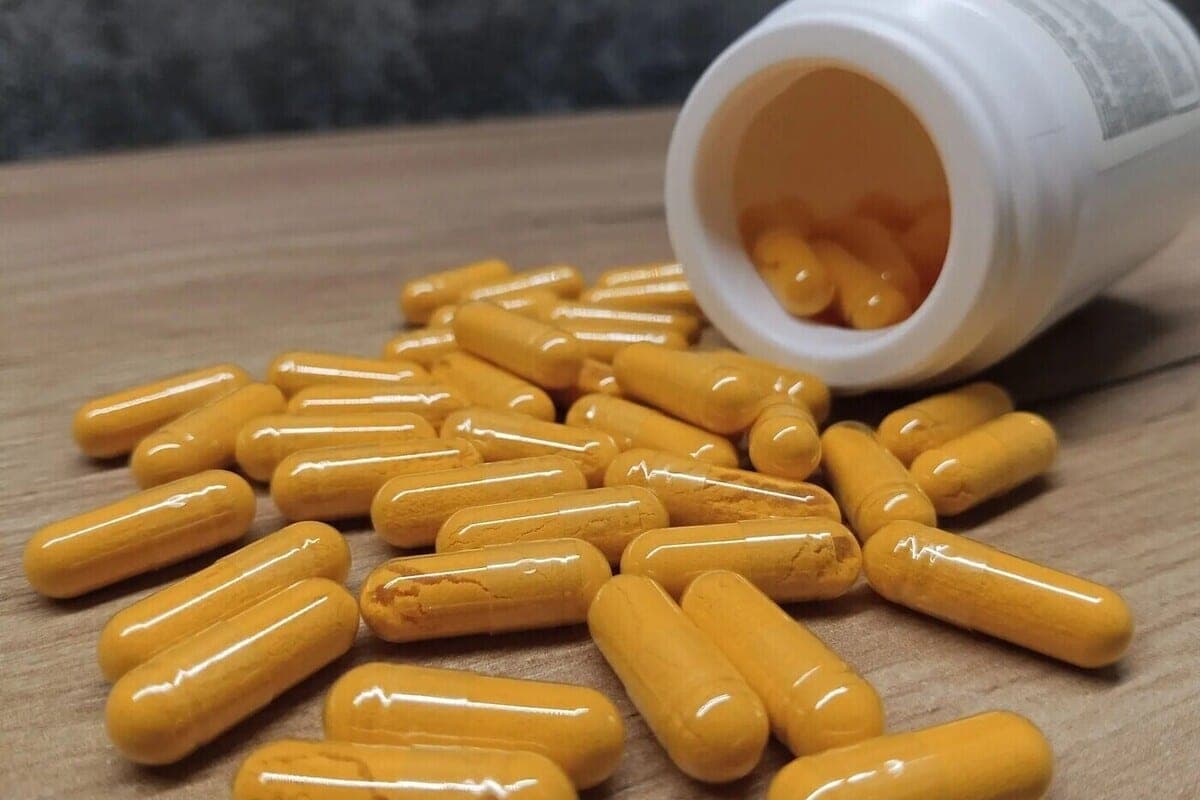
Over-the-counter does not equal absolute safety, and the risks are often created not by a drug, but by a “combo” of several supplements. Therefore, to prescribe them, you need to study medicine for a long time. Risks from dietary supplements, all sorts of trace elements and fees for self-medication for "MK" comments physician Victoria Mamaeva.
Symptoms from overdose can be different - from nausea and diarrhea to neurological disorders. The case of hallucinations and headache instead of sleep is explained in this way. Melatonin, aka “sleep hormone”, can enhance hypnagogic reactions – those that occur in us on the border of wakefulness and sleep. Headache, confusion and nightmares instead of a calm and even sleep are among the possible adverse reactions, especially if the dose is exceeded. It is possible that the drug was not of high quality.
A similar logic works with other supplements. For example, the popular scheme of “morning-day magnesium with vitamin B6, evening valerian with the same vitamin” in standard doses is usually safe. The potential risk is related to the total amount of vitamin B6. The upper allowable level for adults is about 100 mg per day according to one norm and about 25 mg for more stringent ones.
With magnesium, the risk is even lower. But in some cases, an excess of this vitamin in supplements usually gives a laxative effect and diarrhea. But serious intoxication is not excluded in kidney diseases, for example. And in my practice there was more than one case of side effects of “ordinary vitamins”
Symptoms of B6 overdose, if taken mono, should be known separately. With a significant excess of the dose, headache, dizziness, nausea, vomiting, abdominal discomfort, constipation or diarrhea, increased excitability, anxiety, sleep disturbances, drowsiness and confusion are possible. The most serious risk is associated with prolonged use of high doses: sensory neuropathy develops - damage to peripheral nerves. It is manifested by numbness, tingling, burning or pain in the feet and hands, impaired coordination, wobbly gait and reduced sense of position of the limbs. Recovery can be slow and not always complete, so with persistent tingling or numbness, it is better to stop taking B6 and consult a doctor.
Iron overdose, another self-prescription hit, is one of the most dangerous, especially for teenagers. In the first hours after a large dose, vomiting occurs, sometimes with blood, diarrhea, abdominal pain, irritability and drowsiness. In severe cases, rapid breathing, tachycardia, seizures, pressure drop and coma appear. After a few hours, there may be an imaginary improvement, but then fever, shock, bleeding, jaundice, confusion and liver failure are possible. Therefore, if an iron overdose is suspected, immediate medical attention is needed.
With magnesium in severe overdose, pressure drop, nausea, vomiting, facial redness, urinary retention, respiratory depression, muscle weakness and heart rhythm disturbances up to cardiac arrest are possible. With calcium, its excess leads to hypercalcemia: appetite disappears, thirst, nausea, vomiting, constipation, abdominal pain, muscle weakness, fatigue and confusion appear; in severe cases, kidneys and heart rhythm suffer. Vitamin D toxicity is also associated with excess calcium: loss of appetite, fatigue, vomiting, constipation or diarrhea, thirst, metallic taste in the mouth, disorientation, kidney stones and vascular calcification occur.
In vitamin A, its acute overdose is manifested by abdominal pain, vomiting, headache and visual impairment, and chronic - dry skin, hair loss, bone and muscle pain, liver enlargement and risk of fractures. Vitamin C in high doses is more likely to cause diarrhea, nausea and cramps, and prolonged excess increases the risk of kidney stones. Zinc in excess causes nausea, vomiting and abdominal pain, and with prolonged intake violates the absorption of copper. Potassium in large doses is especially dangerous: its excess causes muscle weakness, numbness, paralysis and heart rhythm disturbances up to cardiac arrest.
Supplements are not just vitamins, but active substances with their own doses and risks. Before taking it, you should calculate the total amount of each component, take into account diseases, other medications taken. If unusual symptoms appear - severe weakness, numbness, confusion, breathing disorders or heartbeat - immediately consult a doctor. Especially urgent need help in case of suspected overdose of iron or potassium.
I'm going to write about two cases of self-medication that patients have come in recently. A man in his 60s with high blood pressure decided he needed to take a course of aspirin. As a result, nosebleeds had to be stopped in a hospital. Aspirin is an antiplatelet, it reduces the ability of platelets to stick together and form clots. The field of medical application is narrow: a real threat of blockage of the vessel (for example, after a heart attack). Or for secondary prevention, if there was a heart attack, stroke (ischemic), if stents are installed or bypass surgery is done.
With uncontrolled high pressure, the walls of the vessels are under constant increased load and become more vulnerable. If you start taking aspirin against this background, the risk of hemorrhage, primarily hemorrhagic (brain hemorrhage), increases significantly.
If the pressure is not stabilized (stable above 140/90 mm Hg, and even more so, 160-180 mm Hg and above), it is absolutely impossible to take aspirin on your own. Aspirin is not a “heart medicine” and should only be taken as prescribed by a cardiologist or neurologist. In people with concomitant risk factors (diabetes, hypertension, obesity), the risk of gastrointestinal bleeding while taking aspirin significantly increases.
Women in the period of premenopausal now often use dietary supplements with phytoestrogens. But they do not always know that they should be taken on certain days of the cycle and in a certain, individual dosage. With uncontrolled reception, uterine bleeding may occur. One of my patients, 48 years old, had postmenopausal bleeding associated with a polyp and endometrial growth. Phytoestrogens affect the growth of hormone-dependent tissue.
Reports on the association of soy isoflavones with vaginal bleeding indicate that the risk of bleeding increases for premenopausal women when hormonal levels are unstable. If irregular spotting appears on the background of taking such drugs or the nature of menstruation has changed, you need to urgently consult a doctor. Some phytoestrogens (such as red clover, which is often included in supplements) can also worsen blood clotting, which increases the risk of bleeding, especially when taken with anticoagulants. Phytoestrogens also reduce the effectiveness of drugs for the restorative treatment of hypothyroidism.


