
Neurologist told Penza residents whether chess saves from dementia
Board and card games, where you need to think, can become a useful intellectual load in adulthood and in old age
Board and card games, where you need to think, can become a useful intellectual load in adulthood and in old age. About this in an interview with RT told the neurologist Alexander Tkachev, founder of the network of clinics.
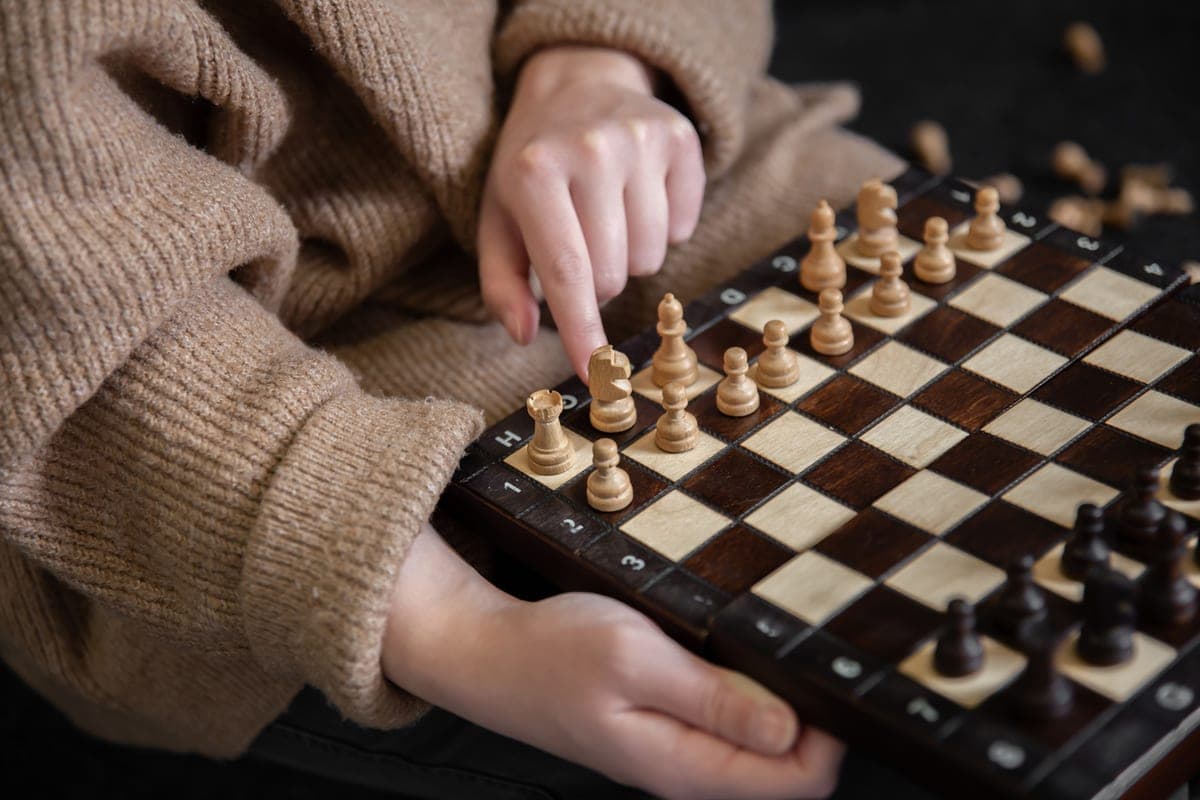
According to him, the player keeps in mind previous moves, calculates options, monitors the opponent and changes the decision if the situation has changed. In poker, probabilities and impulsive decision control are added to this. When people come together at the same table, it’s also a conversation.
The doctor drew attention to studies: people who played board and card games more often, on average, retained some cognitive abilities better. But here, he said, it's important not to jump from "may help" to "prevent dementia." Most of these data are observations. Perhaps people with better abilities are more likely to continue playing.
In addition, improving playing skills does not necessarily mean improving memory in everyday life. He noted that prescribe preference as a cure for Alzheimer's disease is not yet possible. At the same time, he would also not declare the series an enemy of the brain: to follow a complex plot, remember characters and discuss what he saw is also mental work.
But the game usually requires more active participation: you have to make your own decisions, not just watch others. Therefore, Tkachev advises to preserve diversity – to play, read, learn new things, communicate and move. It is better to choose what is interesting and requires feasible effort, otherwise a useful occupation will quickly turn into a duty. And it is good when after the game a person goes for a walk with a partner, and does not remain to sit for another five hours, the interlocutor summed up.