
New Approaches in Economic Justice to Protect Fair Side – Supreme Court
New approaches in economic justice are aimed at protecting the fair side. This was stated by the Deputy Chairman of the Supreme Court.
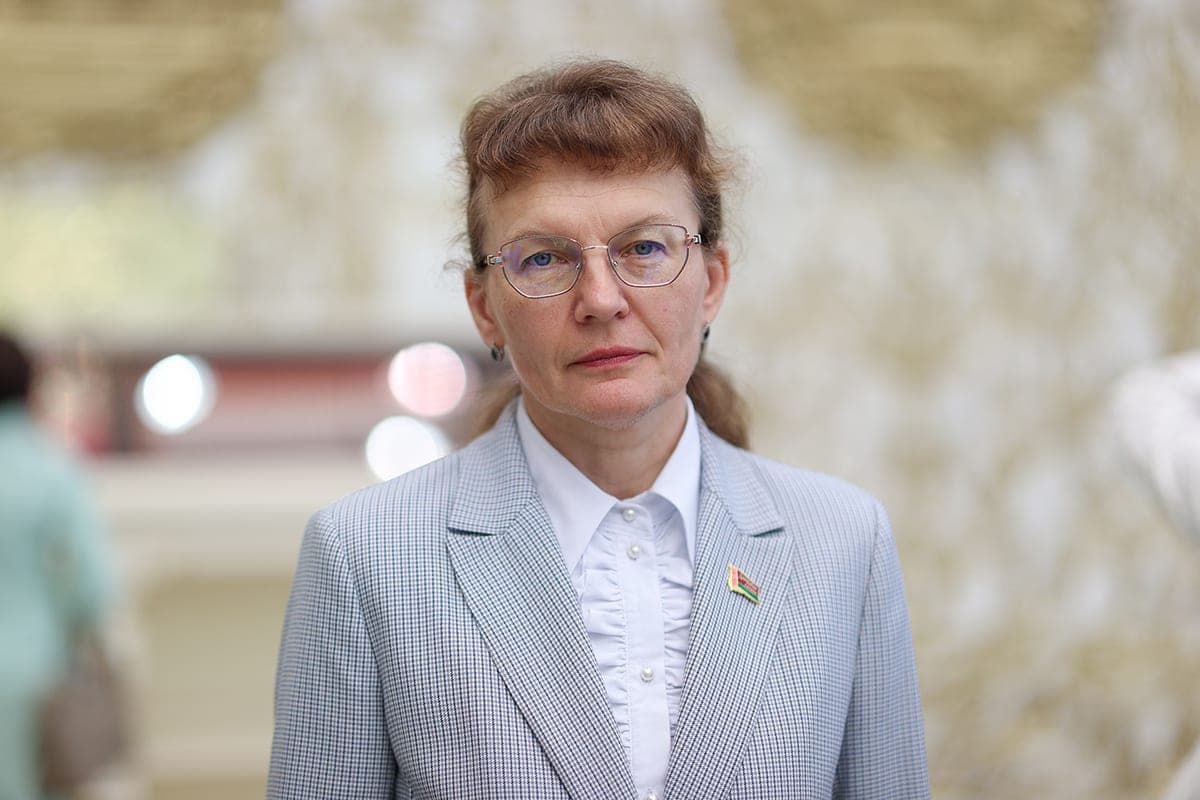
New approaches in economic justice are aimed at protecting the fair side. This was stated to journalists by Deputy Chairman of the Supreme Court, Chairman of the judicial board for economic cases Natalia Sarnavskaya, BelTA writes.
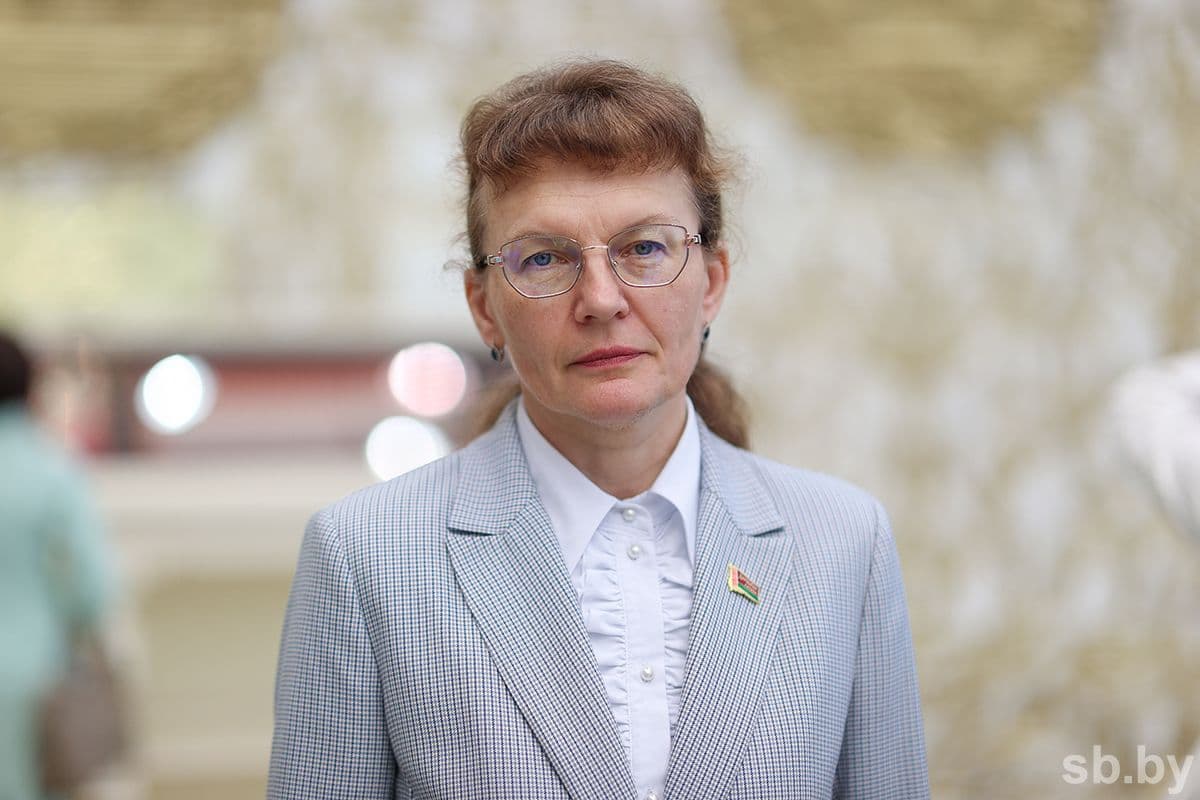
From 1 January 2026, the work of the courts was rebuilt. First of all, economic courts, as they consider disputes involving enterprises and organizations, including production, jobs, and the well-being of our citizens. Courts are focused primarily on making informed decisions without causing damage to enterprises. Secondly, which is very important, the courts must make such balanced decisions that, on the one hand, will suppress unscrupulous participants in the process who simply want to profit at the expense of other people. On the other hand, it is fair to restore the rights and interests of the participants who faithfully fulfill their obligations under the agreements, said Natalia Sarnavskaya.
The Deputy Chairman of the Supreme Court noted that last week the Plenum of the Supreme Court adopted a resolution on lease agreements: “This is one of the widely used contracts in people’s lives, especially in the real sector of the economy.” It's a very important topic, for the rash of the day. Recommendations and explanations are given to the courts in resolving certain legal situations.”.
Giving an example, Natalia Sarnavskaya noted that there are different situations. “As usual, it’s all about someone not paying someone, money is usually the cause of disputes. We see bad behavior on both sides. For example, the landlord, especially when the owner of the premises or building that is being rented changes, wants to get as much money as possible by purchasing this property. Naturally, he wants to be paid more for the use of his property. Various methods are used, ranging from persuading to sign an additional agreement to the contract for an increased rental rate. If this is not possible, the lights and water will be turned off. In practice, there are often cases when such landlords go into fictitious liquidation. That is, they decide on self-liquidation, and the lease agreement was considered terminated automatically. And the conscientious tenant, in fact, left, stayed on the street. And the new owner then canceled his liquidation, concluded a contract with another person for a lot of money. How fair and decent is this? – said the Deputy Chairman of the Supreme Court.
“But tenants also sometimes behave not very correctly, because, not wanting to pay rent payments, they also begin to use various ways of avoiding payment,” said Natalia Sarnavskaya. Various methods are used, starting from the fact that after a long time they simply do not pay, in court they begin to talk about the fact that they were given the room in the wrong condition, they are not satisfied with lighting or floors made of the wrong material, and so on, and so on. Although, when he accepted the premises, he signed the act of reception and transfer, he wrote that there were no comments, everything was fine, in technically working condition.” Another option is a fictitious reorganization: “A legal entity is allocated to which the debt on all lease payments and, in fact, fictitious accounts receivable, which are sometimes not confirmed by any documents, are transferred. And they say, "Here's a new legal entity, let it pay you.".
“We covered all this in the review of judicial practice on the consideration of cases in this category, and in the resolution of the plenum, recommendations and approaches were also given to such situations. In the first case, when the issue of liquidation by landlords, the contract does not automatically terminate, nothing changes, because the owner can cancel the liquidation. There are many obligations in the contract that are not fulfilled. As for reorganization, in order to do this and replace yourself with another person, you need to ask for consent from the landlord, the lender. And if this consent is not, the previous one will pay, the deputy chairman of the Supreme Court said.
The speaker added that, among other things, the approach to reducing the penalty is also fixed. “Article 314 of the Civil Code allows courts to reduce penalties. But there is a rule that says that the penalty paid is not subject to recovery. This does not happen to citizens, and in the real sector of the economy, which is very important for the country, the following situation happens very often. As a rule, the debt is collected along with the penalty. And the debt can be recovered not only through a court decision. There are alternative ways. For example, you can contact a notary and make an executive inscription. Or to submit an application to the court, not a claim, but an application for order proceedings, it goes to court, within five days the court issues a ruling on a court order. These are also executive documents, like an executive inscription. In neither case shall the debtor be notified. He does not know that the creditor has applied, he has already been issued an executive document, the debtor will find out when his money in the bank has already been written off, said Natalia Sarnavskaya. If in this way the debt and the same penalty are recovered, the person will not have the right to ask to reduce the penalty to be recovered. We have already resolved this issue, and the plenum has an approach that in such situations, the party will have the right to challenge the executive inscription later, or ask to cancel the definition of the court order in part. The court will be able to reduce the penalty, cancel in part these enforcement documents, and the money will be returned to it.”.
At the Scientific Advisory Council, which was held before the meeting of the Plenum, all scientists unanimously said that a very correct position, very fair, it will be positively perceived in society. We also think it will be welcomed by our people. And the approaches will be very correct. They are legal, fair and aimed at protecting the conscientious side, Natalia Sarnavskaya concluded.


