Penza doctor told how to overcome stress in a minute: three simple techniques
Stress has long been a constant background of modern life. Traffic congestion, accidents at work, conflicts at home - all this keeps the nervous system in overload mode.
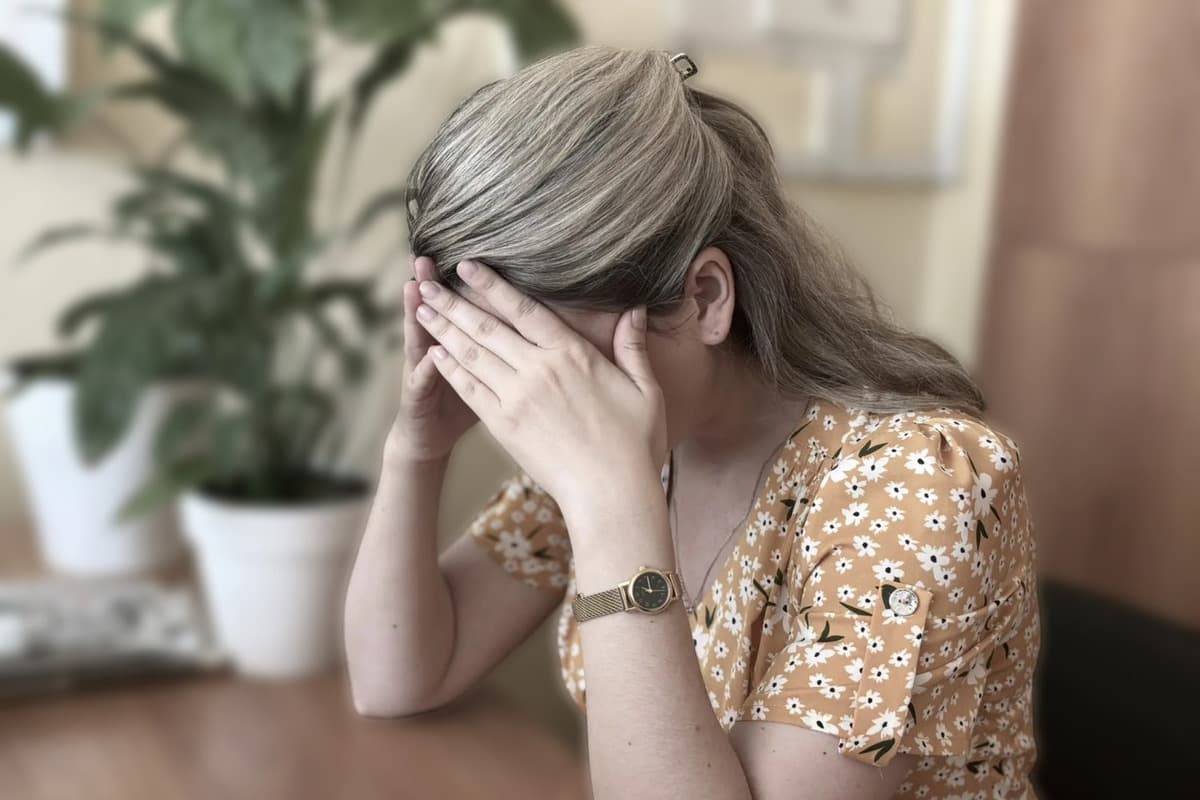
Stress has long been a constant background of modern life. Traffic congestion, accidents at work, conflicts at home - all this keeps the nervous system in overload mode. However, to restore internal balance, you do not need to wait for a vacation or radically change your way of life. There are self-regulation methods available that help in the here and now.
During the week of mental health preservation, sports medicine specialist of the Regional Medical and Physical Education Dispensary Svetlana Balabayeva listed exercises that can overcome everyday stress.
When a person is nervous, the archaic “fight or flight” reaction is activated: the pulse accelerates, breathing becomes shallow, cortisol and adrenaline are released into the blood. “The peculiarity of breathing practices is that they affect the bodily processes that trigger stress,” the doctor explains. Prolonged exhalation forcibly triggers the parasympathetic nervous system, responsible for relaxation. It is as if we create the illusion of security for the brain: if you breathe calmly, then there is no threat.
The Three Basics of Self-Regulation
To quickly regain clarity, it is recommended to combine work with body, breathing and attention.
1. Square breathing. This is one of the most effective and invisible practices – it can be done at a meeting, in transport or in line.
Procedure:
Breathe in through your nose, counting to four.
Hold the air, counting to four again.
Make a soft exhale (mouth or nose) on four counts.
Hold your breath for four counts again.
Repeat the cycle 5-10 times. You will feel your heartbeat calm and your anxiety go away.
2. Getting rid of clamps through the body. Tension accumulates in the muscles: reduced jaws, raised shoulders, stiff back. To remove it, you need to physically relax the body.
Method of sequential muscle relaxation:
Take a comfortable position. Take a deep breath.
Holding your breath, tighten the muscles of the feet and legs for 5 seconds.
On the exhale, instantly relax them, feeling how the muscles “limp”.
Go to the following groups: hips, abdomen, hands, shoulders, face (clenching).
After each stress, be sure to make a slow exhalation and complete relaxation.
3. Exercise "Earthing 5-4-3-2-1". If disturbing thoughts are spinning in your head, you need to switch attention to reality through the senses. Look around
5 objects you see (lamp, crack on the wall, color of the handle);
4 things you can touch (cloth fabric, table coolness);
3 sounds that you hear (noise system unit, cars outside the window, your own breathing);
• 2 smells (coffee, soap);
1 taste (sip of water or tea).
“Stress is not determined by an event, but by your reaction to it. These techniques will not eliminate external difficulties, but will help to manage your condition. Constant training – at least a minute five times a day – strengthens the nervous system, increasing its stress resistance, concludes the expert.