
Drivers near Moscow were asked " to change shoes "
For the Moscow region, the situation with summer tires in winter has its own characteristics: because of the climate, you need to “re-shoes” here before the formal ban comes, and the local Ministry of Transport traditionally urges drivers not to wait for December
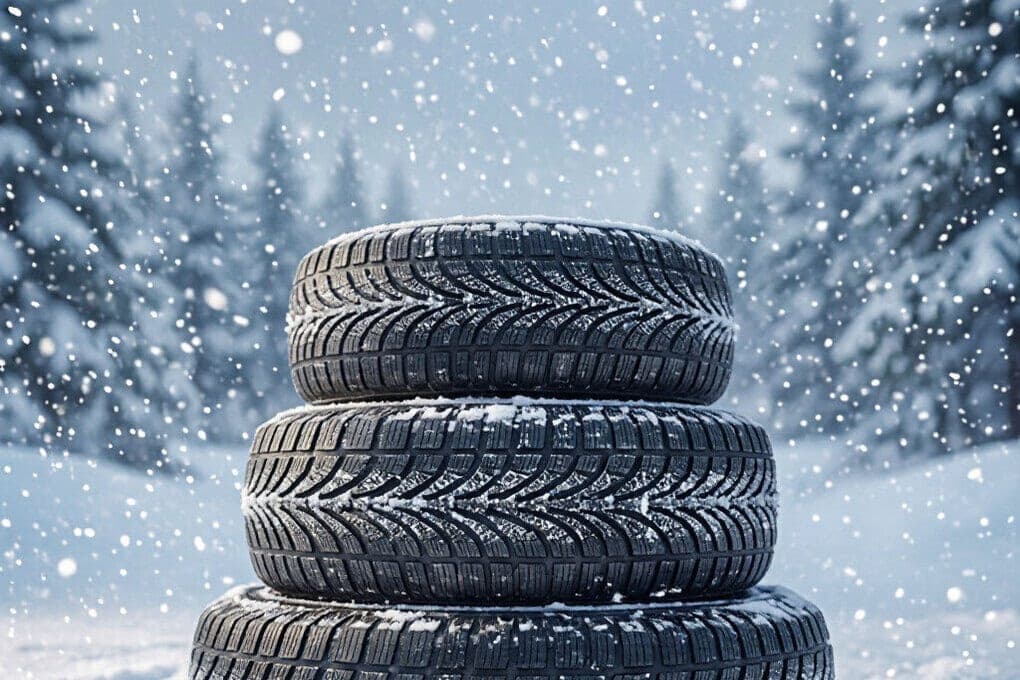
A formal ban on summer tires is in effect from December 1 to February 28. During this period, cars and light trucks (categories M1 and N1) must be equipped with winter tires on all four wheels.
For violation, the inspector can issue a warning or a fine of 500 rubles under Part 1 of Article 12.5 of the Administrative Code of the Russian Federation. The fine can be re-appointed at each stop, but in the first 20 days there is a 50% discount.
For the Moscow region, the key recommendation is not to focus on December 1 as the date of “re-shoes”. The Ministry of Transport of the Moscow region and weather forecasters advise to change rubber at a stable average daily temperature of +5 ... +7 degrees. In the suburbs, such weather is usually set in the middle - late October, and that's when summer rubber begins to "blown".
During the transition period, bridges, overpasses and interchanges are especially dangerous: they freeze faster than normal asphalt, and morning ice can catch you by surprise even at plus air temperature.
The fact of using off-season tires can be taken into account by the insurance company when paying after an accident. This does not mean automatic failure, but creates a risk of regression or reduced payout if a causal relationship between the type of tire and the accident is proven.
In the winter months, both studded tires and "Velcro" (unstudded winter) are allowed. The main thing is the presence of markings: a mountain top with a snowflake (3PMSF) or M+S, M&S, MS. You need to install them on all wheels without exception.
If you are still on summer tires, it is better not to wait for December. A fine of 500 rubles is the mildest of the possible problems: in the cold, summer tires lose traction, and in the case of an accident, the issue of seasonality of tires can become an unpleasant surprise when communicating with insurance.


