
Work in the context of digitalization: representatives of almost 30 countries will discuss the future of the labor market in Minsk
The large-scale international strategic session “Fair transformation of the labor market in the context of the spread of digital technologies” will bring together today.
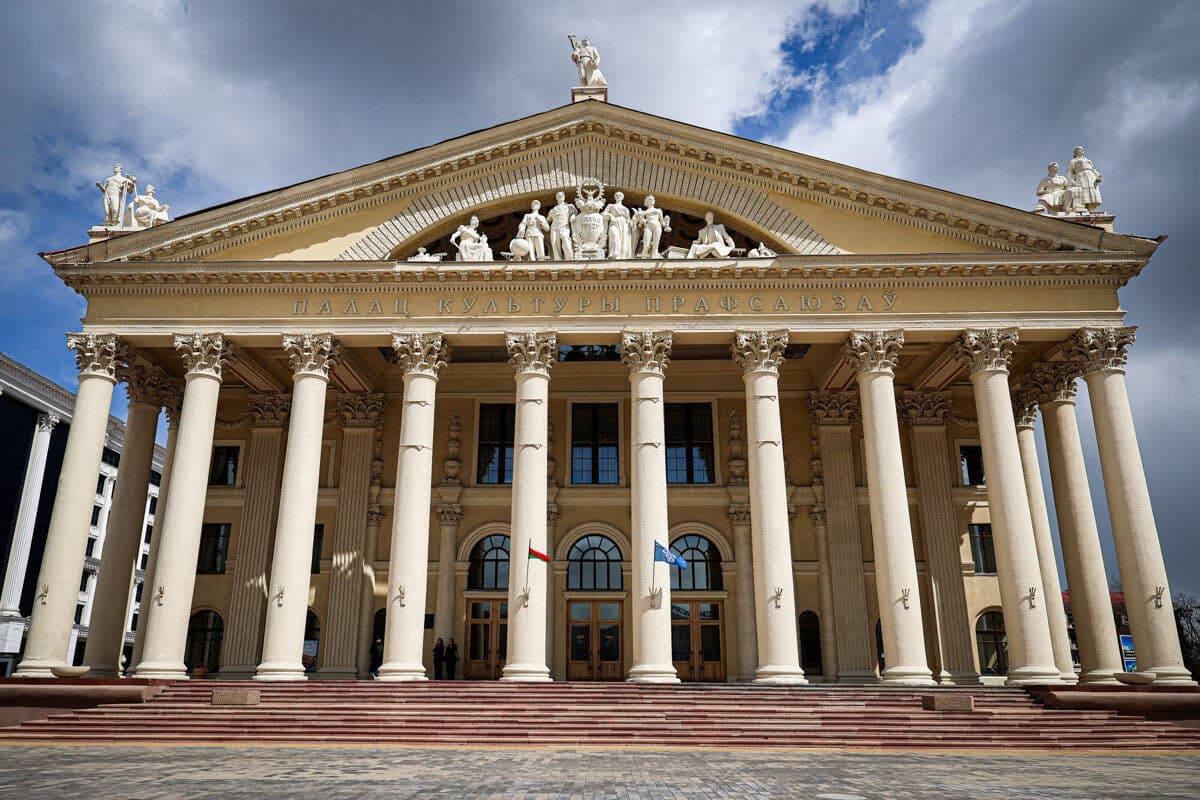
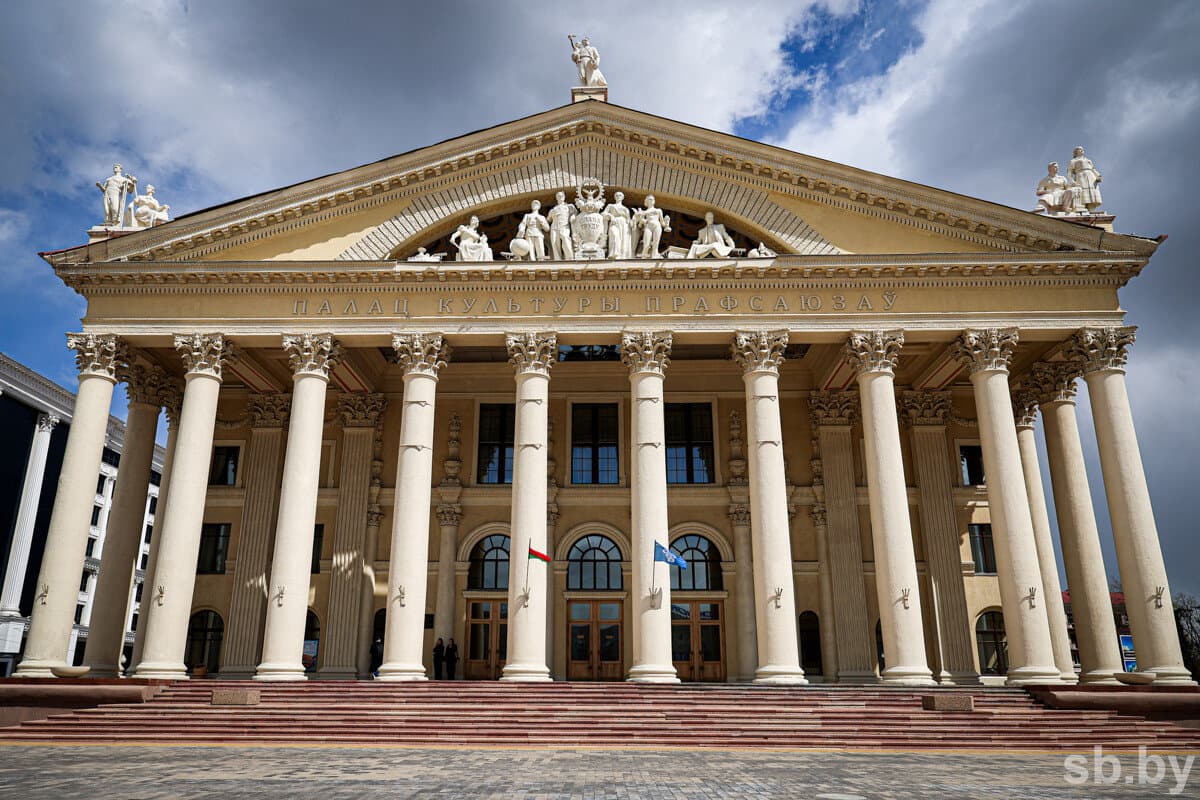
A large-scale international strategic session “Fair transformation of the labor market in the context of the spread of digital technologies” will gather today, on October 13, in the Palace of Trade Union Culture in Minsk, representatives of national trade union centers and industry trade unions, scientific and expert communities from about 30 countries.
The international strategic session is aimed at developing new practical mechanisms to protect the interests of workers in the context of the transformation of the labor market in the digital era, the press service of the Federation of Trade Unions of Belarus reported. The participants will focus on finding coordinated approaches to ensuring decent work, protecting workers’ rights and preserving social guarantees in the context of rapid technological development.
The work of the strategic session includes three thematic areas. The first is the legal regulation of labor relations in the context of digitalization. Participants will consider adapting legislation to new forms of employment and protecting the rights of employees of digital platforms.
Lifelong learning as the foundation of decent work and social justice in an era of technological change. The discussion focuses on the availability of vocational education and retraining, the creation of conditions that allow employees to adapt to the changing requirements of the labor market.
The third platform will be dedicated to ensuring decent work for socially vulnerable groups – youth, women and older workers – in the digital economy. Mechanisms to prevent discrimination, increase employment opportunities and ensure equal access to professional development and social guarantees will be discussed.
The International Strategic Session is designed to unite the efforts of representatives of different countries and professional communities to move from discussing existing issues to finding specific solutions. The format of the session will allow to compare national experience, identify common priorities and formulate proposals that can be used to improve approaches to the regulation of labor relations in different countries. The work will result in the adoption of a document fixing a common vision of approaches to a fair transformation of the labor market. This document will take into account the best international practices and will become the basis for further steps to implement the principles of ILO Convention No. 193 in the national legislation of countries around the world.
Digitalization of the labor market in the field of view of the Federation of Trade Unions of Belarus is not the first year. At the international conference “Modern economic challenges and their impact on labor relations, socio-economic situation of workers” held on December 11, 2025 in Minsk, the Chairman of the FPB Yuri Senko noted that informatization, digitalization of technological processes and business lead to the disappearance of a number of professions, while new, non-standard forms of employment are becoming more noticeable – and this requires regulation and clear rules:
- The usual boundaries between “employer” and “employee” in many areas, the concepts of “working place” and “working time” are gradually disappearing. And with it, many of the protections that unions have secured for workers in decades past are disappearing. As a result, such workers face the problem of uncertainty of their legal status, they have a disturbed balance between work and personal life, there is no full social protection in the form of leave, sickness benefits. One of the most important problems of platform employment is the impossibility of employees to realize labor and collective rights through the creation and joining of trade unions. These risks can only be mitigated if all social partners work together to develop clear and understandable rules of the game for digital platform owners and protective mechanisms for employees.

