The secret of “gap”: residents of Leningrad region told about the tradition of cooking pasta al dente in Russia
October 25 is an official holiday for all lovers of pasta, spaghetti and other pasta. This date quickly gained worldwide popularity. The history of the holiday began in Rome in 1995: during the annual thematic congress, pasta manufacturers decided to proclaim the day of its celebration, October 25, World Pasta Day. Other interesting facts about the appearance of pasta told residents of the Leningrad region in the press service of the interregional management of Rospotrebnadzor.
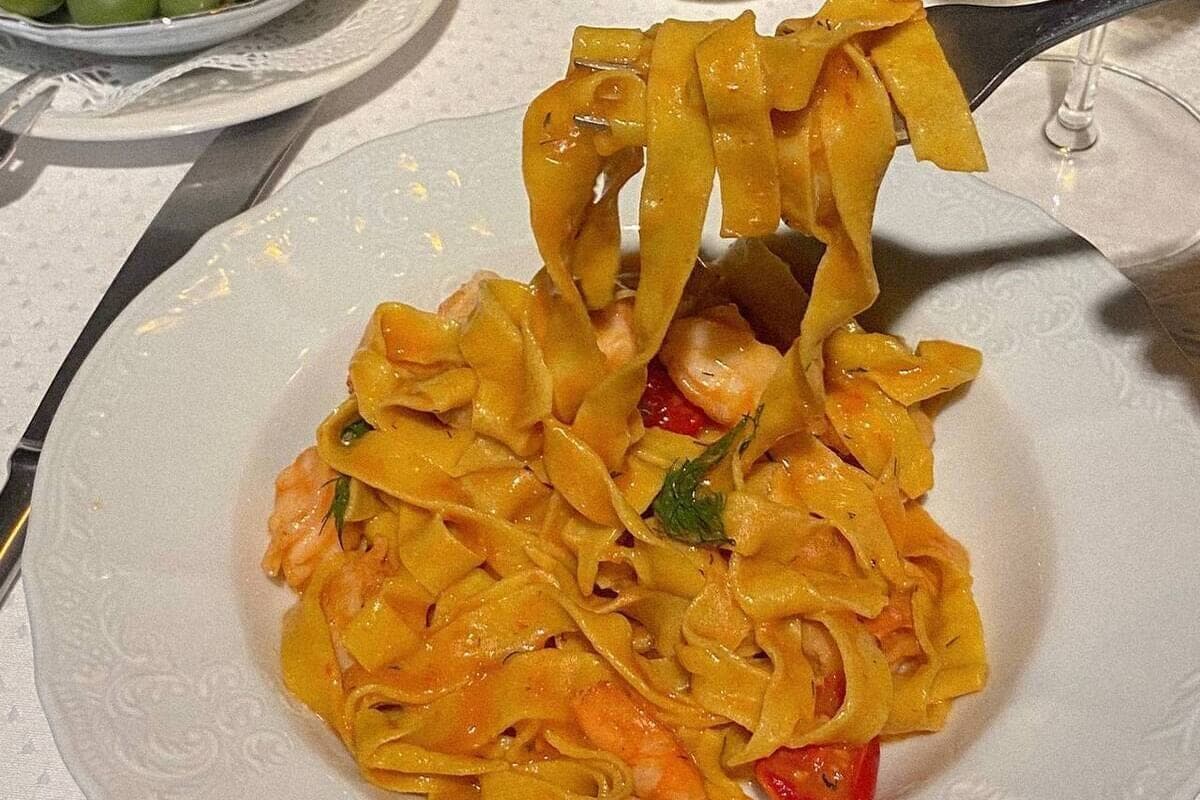
October 25 is an official holiday for all lovers of pasta, spaghetti and other pasta. This date quickly gained worldwide popularity. The history of the holiday began in Rome in 1995: during the annual thematic congress, pasta manufacturers decided to proclaim the day of its celebration, October 25, World Pasta Day. Other interesting facts about the appearance of pasta told residents of the Leningrad region in the press service of the interregional management of Rospotrebnadzor.
The main purpose of the festival is to increase interest in pasta in all its variations, with special attention to the cultural aspects of cooking. In the world there are more than 600 types of pasta and about ten methods of its preparation.
Interesting facts from history
The term “pasta” has been known since the end of the XIII century. In the Spaghetti Museum near Genoa, a medieval document from 1279 mentions a dish called "macaronis". The name spaghetti came into use in 1842. Long noodles are so called because of the similarity with a thin string or twine.
Although pasta is considered the Italian national dish, culinary historians believe that their real inventors were the Chinese, as evidenced by the love of Eastern peoples for noodles.
The famous method of cooking "al dente" (with a hard core) in Russia had its own name, which accurately describes the essence - "gap".
In Russia, pasta appeared in the time of Ivan the Terrible in the form of homemade noodles. The dough was thinly rolled and hand-cut with a knife into strips, squares or twisted into spirals. The most famous were simple long broad stripes.
Earlier, “MK in the Leningrad region” told that residents of the 47th region are advised to compensate for the lack of vitamin C from the infusion of rose hips.