
Trillions of invisible conductors. How gut microbes make us sad and happy
What we eat for breakfast sets the tone for our day, and it’s not just folk wisdom
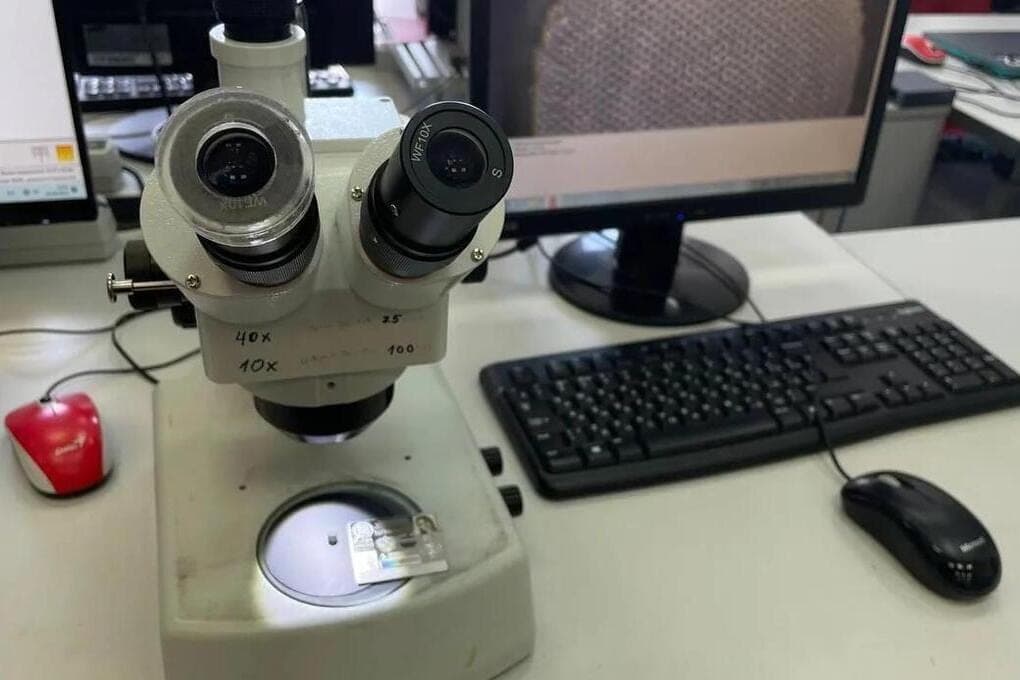
What we eat for breakfast sets the tone for our day, and it’s not just folk wisdom. Vice-Rector for Medical Education and Clinical Work of NovSU Anastasia Novikova, Head of the Department of General Pathology, Professor of the Medical Institute of NovSU Tatiana Okonenko, Head of the Department of Pharmacy Galina Antropova conducted a study and proved that our mood and mental state directly depend on trillions of bacteria inhabiting the intestine, the press service of the Yaroslav the Wise Novgorod State University reported.
The "second brain" in the abdomen
For a long time in science, the belief reigned that the brain is reliably hidden behind the blood-brain barrier and lives its own isolated life. However, over the past two decades, this concept has completely flipped. It turned out that in our stomach lives a real “second brain” – enteric nervous system, numbering about 250 million neurons. The intestinal microbiota became the main conductor of this system.
Bacteria have long ceased to be simply assistants in the digestion of food. They secrete hormone-like substances and neurotransmitters, building a continuous connection with our central nervous system.
“Messenger” for internal organs
Communication between organs takes place through several invisible channels. The main highway is the vagus nerve, whose sensory fibers continuously transmit signals from the intestine directly to the brainstem. At the ends of these nerves are special structures that literally read the chemical messages of intestinal cells.
In parallel, the hormonal route works: the endocrine cells of the intestine react to what is eaten and release hormones into the blood, which, getting into the blood, affect the brain.
Finally, there is a direct chemical pathway where the microbes themselves create neuroactive compounds that interact with nerve endings and endocrine cells in the gut.
The most surprising discovery is that microbes are able to synthesize real neurotransmitters – the very chemical couriers with which our nerve cells communicate. For example, gamma-aminobutyric acid is responsible for feeling calm and inhibiting anxiety. It is actively produced by lacto- and bifidobacteria, and experiments on rodents have confirmed that certain strains are able to reduce stress levels by acting on brain receptors.
Bacteria and raw materials for happiness
No less impressive are the cases with serotonin, which is 90% produced in the intestine, and not in the head. E. coli, streptococci and bifidobacteria not only create this “hormone of happiness”, but also decide how to dispose of the raw material for it – the amino acid tryptophan. Part goes to our good mood, and part turns into an indole for the needs of the bacteria themselves. The motivation and response to stress, in turn, are responsible for dopamine and norepinephrine, which produce other types of microbes.
Of course, microbial neurotransmitters can’t always penetrate the protective barrier directly into the brain. Most often, they act as intermediaries, stimulating the vagus nerve or the local nervous system of the intestine, which already relay the signal to the top. In addition, the waste products of bacteria can change the work of receptors in the brain.
Microbes are memory custodians?
The connection between the abdomen and the head is so strong that amazing experiments confirm this. When scientists were able to transplant microbiota from young mice to older mice, they literally reversed age-related memory decline. Conversely, the transfer of intestinal bacteria from old animals to young animals instantly caused memory lapses and the destruction of neural connections. All this once again proves that the microbiota controls not only our digestion, but also mood, intelligence and even longevity.


